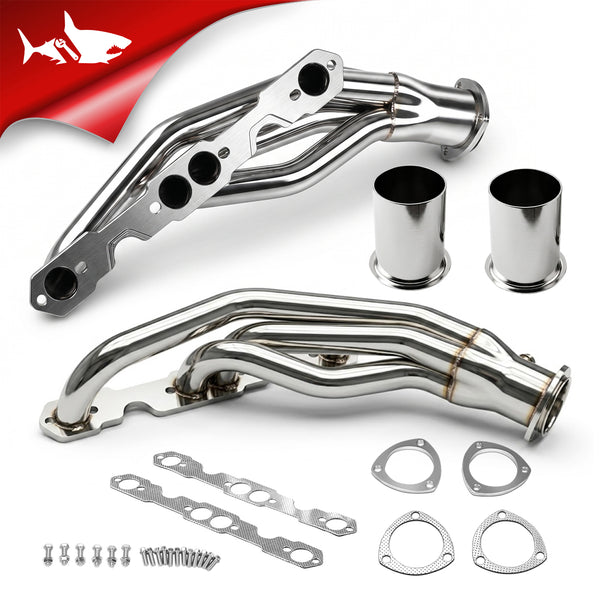
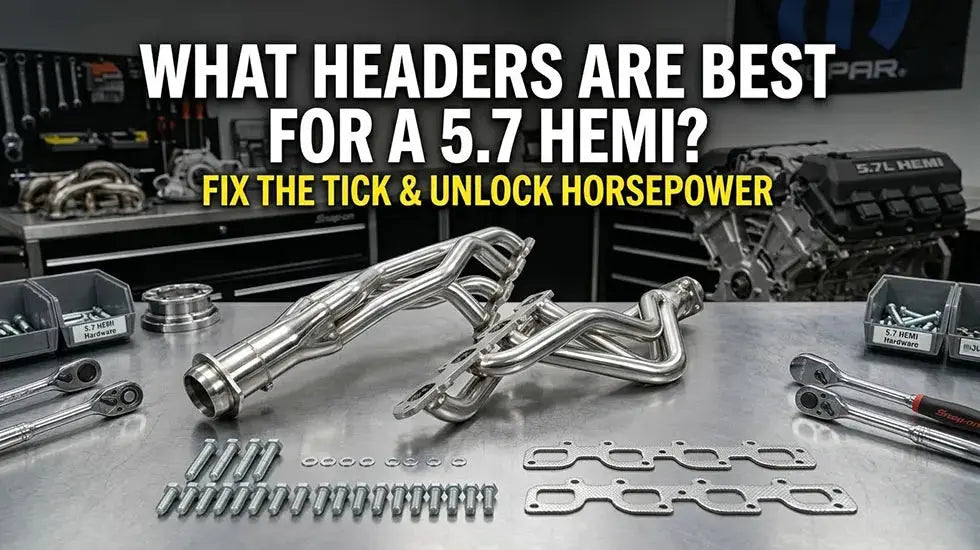
If you're looking to wake up the exhaust system of your 5.7 HEMI, automotive headers are hands-down one of the most impactful modifications you can bolt on. Beyond just optimizing engine performance and exhaust flow, many 5.7 owners upgrade to permanently fix the dreaded "Hemi Tick" caused by warped stock manifolds and snapped factory bolts. But which headers are the best for a 5.7 HEMI? This guide breaks down the real-world differences between shorty and long tube headers, expected dyno gains, wrenching considerations, and which setups deliver the best bang for your buck.
Introduction to Headers for a 5.7 HEMI Engine
Headers are the backbone of any serious performance exhaust setup. Their job is to scavenge exhaust gases from each cylinder and shove them down the exhaust tract with minimal restriction. For a 5.7 HEMI block, ditching the restrictive cast iron factory manifolds for a proper set of headers drastically cuts backpressure, waking up both horsepower and low-end torque.
The main goal here is efficiency. By giving exhaust pulses a smoother, faster exit route, your engine breathes easier. For most 5.7 HEMI builds, swapping in aftermarket headers is step one for unlocking trapped power.
Shorty Headers vs. Long Tube Headers for 5.7 HEMI
Choosing the right header style for your 5.7 HEMI boils down to two main options: shorty and long tube. Each delivers a totally different driving experience and power curve, depending on your build goals.
Shorty Headers – Key Benefits
Shorty headers are a more compact design, closely resembling the stock exhaust manifolds. They’re relatively easy to install, making them a great option for DIY enthusiasts or those looking for a straightforward upgrade. Since shorty headers don’t require major modifications to the engine bay, they are also less likely to interfere with other parts of the engine.

These headers generally provide moderate performance gains, especially at lower RPMs. They are a solid choice for daily drivers who want to enhance exhaust flow without radically altering the vehicle's characteristics.
Long Tube Headers – Key Benefits
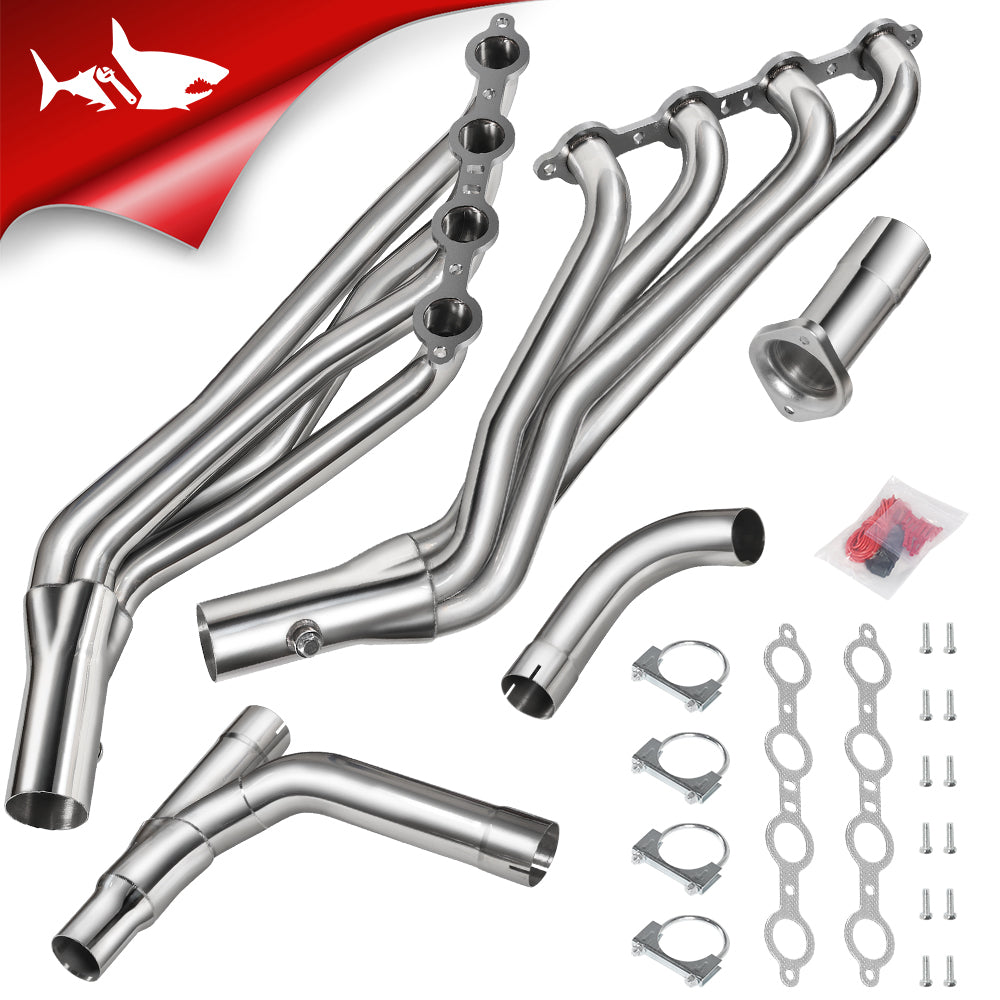
Long tube headers are designed to offer maximum exhaust flow by having longer tubes that allow the exhaust gases to travel further before entering the rest of the exhaust system. These headers are ideal for high-performance applications, as they provide significant horsepower gains, particularly in the mid to high RPM ranges.
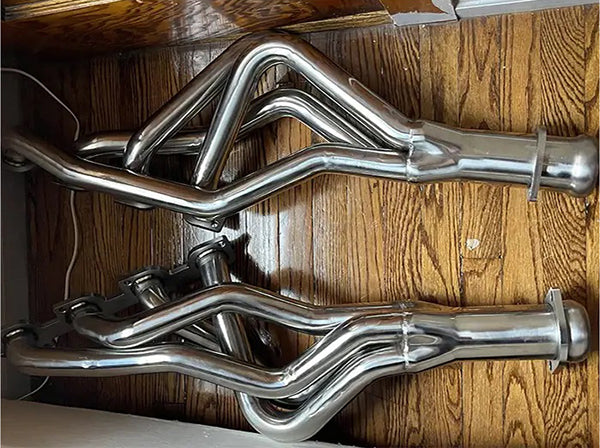
While long tube headers offer superior performance gains, they can be more challenging to install and may require additional modifications. These headers are perfect for those looking to increase overall horsepower and optimize their HEMI’s power potential.
Which One Should You Choose?
The choice between shorty and long tube headers largely depends on your intended use. If you’re looking for a performance boost primarily for street driving with minimal installation hassle, shorty headers are the way to go. However, if you’re aiming for maximum power, especially for track use or high-performance builds, long tube headers are the superior option.
Performance Gains from Upgrading to Headers on a 5.7 HEMI
Upgrading to headers can significantly alter how your 5.7 HEMI puts power to the ground. Here is a realistic look at the performance gains you can expect from both shorty and long tube setups.
Power Gains from Shorty Headers
Shorty headers provide a noticeable performance improvement, especially in the low to mid-range RPMs. Although they don’t provide the dramatic gains seen with long tube headers, they can still offer around 10-15 horsepower depending on the quality of the headers and other supporting mods. For many street-oriented drivers, this increase in power is more than sufficient.
Power Gains from Long Tube Headers
Long tube headers, on the other hand, can add significant horsepower, particularly in the higher RPM ranges. The design of long tube headers allows for better scavenging, which helps in improving exhaust flow and reducing engine backpressure. On a 5.7 HEMI, you can expect a gain of 15-30 horsepower with long tube headers, especially if combined with other performance modifications like a cold air intake or ECU tuning.
Performance Benefits at Different RPM Ranges
The key to choosing the right header lies in understanding how they perform at different RPM ranges. Shorty headers tend to enhance performance at low to mid RPMs, making them ideal for daily driving. Long tube headers, however, shine in the high RPM ranges, where their extended length allows for better exhaust scavenging, making them perfect for racing and performance driving.
Choosing the Right Headers for Your 5.7 HEMI
When selecting the best headers for your 5.7 HEMI, it's important to consider several factors, including your driving needs, other modifications, and budget.
Consider Your Driving Purpose
The first consideration when choosing headers is how you plan to use your vehicle. If you primarily use your HEMI for daily driving or cruising, shorty headers will be more than adequate. They provide a modest increase in power without compromising drivability.
However, if you’re building a high-performance vehicle for track days or racing, long tube headers will give you the edge you need. These headers are designed to maximize power at higher RPMs and deliver superior performance in a race environment.
Matching Headers with Other Mods
If you’ve already modified other parts of your engine, such as the intake or the ECU, it's important to select headers that complement those upgrades. For example, if you've installed a cold air intake or a forced induction system, long tube headers may be the best option to take full advantage of the increased air intake.
Installation Considerations for Headers on 5.7 HEMI Engines
Installing headers on your 5.7 HEMI is a relatively straightforward process, but it’s not without challenges. Here’s what you need to know before beginning the installation.
Shorty Headers Installation Process
Installing shorty headers is generally simpler than long tube headers. The compact design means they often bolt right into the stock manifold locations without the need for significant modifications. This makes shorty headers a good choice for those who want a quick performance upgrade without the need for advanced mechanical knowledge.
Long Tube Headers Installation Process
Long tube headers, however, are a more involved weekend project. They take up significantly more real estate in the engine bay. You'll often need to remove catalytic converters, and you absolutely must check for steering shaft clearance during the test fit. Keep in mind that long tubes usually require O2 sensor extensions to reach the new bung locations. Because you'll likely need to modify the mid-pipes to mate everything up, having these installed by a professional exhaust shop is a smart move if you don't have a lift and a welder.
Tuning After Installation
Once headers are installed, especially long tube headers, tuning your engine is crucial. The enhanced exhaust flow can significantly change the air-fuel ratio, so reprogramming your ECU is often necessary to optimize performance and ensure the engine runs smoothly.
Cost and Value: Is It Worth Upgrading Your 5.7 HEMI’s Headers?
Upgrading your headers is an investment, and understanding the cost and value is key to making an informed decision.
Cost of Shorty Headers
Shorty headers are generally less expensive than long tube headers, with prices ranging from $300 to $600. Given their relatively simple design and easier installation, they provide a great balance of cost and performance for many drivers looking to enhance their engine without breaking the bank.
Cost of Long Tube Headers
Long tube headers are more expensive, typically ranging from $600 to $1,200 depending on the brand and materials. The higher cost reflects their superior performance gains and the increased complexity of the installation process. If you're looking for significant horsepower gains, the investment is often worth it.
Recommended Headers for 5.7 HEMI Engines
When choosing headers for your 5.7 HEMI, it's important to match performance goals with fitment and material quality. At FLASHARK, we offer a range of headers designed specifically to meet the needs of HEMI owners—whether you're optimizing a daily driver or building a street/track machine.
1. FLASHARK Long and Short Tube Headers for Dodge RAM 1500 5.7L Hemi V8 (2009–2018)
If you drive a 2009–2018 Dodge Ram 1500 5.7L V8, our FLASHARK long tube headers 5.7 hemi and short tube options provide the performance edge you're looking for. Built with precision-engineered 201 stainless steel, these headers are designed to resist heat, corrosion, and stress under demanding conditions.
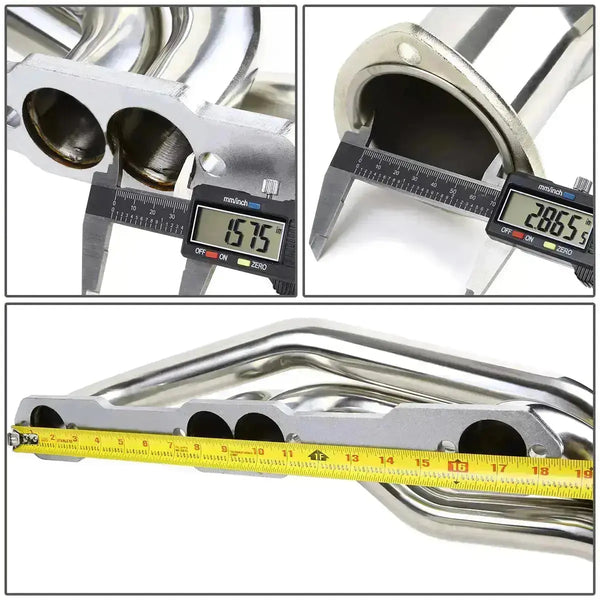
Long tube headers are perfect for drivers seeking maximum horsepower and torque in mid to high RPMs. The 1.75” primary tubes and 3” collector optimize flow and reduce back pressure, enhancing performance on open roads or the track.

Shorty headers, with their compact 1-5/8” primaries and 2.5” collectors, are ideal for daily driving, offering improved low-end torque and maintaining stock compatibility.

Both options feature deep TIG welds and extra-thick CNC-machined flanges. This is critical for 5.7 owners: a thick, warp-resistant flange ensures a tight seal, meaning you won't have to deal with that annoying Hemi exhaust leak or snapped bolts ever again. Complete with premium mounting hardware, these are engineered for a true bolt-on fit and peak HEMI performance.
✅ Designed for RAM 1500 2WD models
✅ Improves exhaust sound, flow, and fuel economy
✅ Backed by robust construction and quick shipping
✅ Perfect for performance upgrades without sacrificing reliability
2. FLASHARK Exhaust Header for Chrysler 300C / Dodge Challenger / Charger / Magnum 5.7L Hemi V8 (2005–2011)
For those with a 2005–2011 HEMI-powered sedan or muscle car, FLASHARK offers a dedicated 2005–2011 5.7 HEMI headers solution that balances power gains, sound enhancement, and easy installation.

These headers feature a robust 8-2 piping design, CNC-machined flanges, and a polished finish that not only boosts engine output but also upgrades the look under the hood. They are dyno-tested to provide noticeable improvements in horsepower, torque, and throttle response.
Made for RWD applications, this system fits Chrysler 300C, Dodge Charger, Magnum, and Challenger models equipped with the 5.7L HEMI. The headers are a direct bolt-on replacement, requiring no modification for installation.
✅ Optimized for exhaust efficiency and heat reduction
✅ Improves exhaust tone and aggressive engine sound
✅ Thick, warp-proof flanges to permanently cure the "Hemi Tick"
✅ Made from corrosion-resistant 201 stainless steel
✅ Backed by FLASHARK's permanent warranty
Conclusion: Finding the Best Headers for Your 5.7 HEMI
Choosing the best headers for your 5.7 HEMI depends on your specific needs and goals. Shorty headers are ideal for street performance and ease of installation, while long tube headers provide the best performance gains for high-performance builds. Consider your driving style, budget, and other modifications before making a decision. With the right headers, you can unlock the full potential of your 5.7 HEMI engine.
Frequently Asked Questions (FAQ) About 5.7 HEMI Headers
Q1: Do aftermarket headers permanently fix the 5.7 HEMI tick?
A1: Yes. The notorious "Hemi Tick" is usually caused by warped factory cast-iron manifolds snapping the rear bolts. Upgrading to aftermarket headers with thick, CNC-machined flanges prevents this warping, curing the exhaust leak and the ticking sound for good.
Q2: Do I need to tune my 5.7 HEMI after installing shorty headers?
A2: In most cases, no. Shorty headers bolt directly up to your factory mid-pipes and catalytic converters. The stock ECU can easily adapt to the slightly increased exhaust flow without throwing a Check Engine Light (CEL) or running lean.
Q3: Do long tube headers require an ECU tune?
A3: Absolutely. Long tubes drastically change exhaust scavenging and often relocate or delete the catalytic converters. If you skip the tune, your HEMI will likely run lean, you won't maximize your horsepower gains, and you will definitely get a Check Engine Light.
Q4: Will installing headers make my HEMI louder?
A4: Yes. Even with a stock catback, you'll notice a deeper, more aggressive exhaust tone under heavy acceleration. Long tube headers add significantly more volume and a raw, raspy race tone compared to shorties.
Q5: How many horsepower do long tube headers add to a 5.7 HEMI?
A5: With a proper ECU tune and supporting breathing mods (like a cold air intake), a 5.7 HEMI can see gains of 15 to 30 horsepower at the rear wheels with long tube headers, especially pulling hard in the mid-to-upper RPM range.
Q6: Can I install headers on my Ram 1500 myself?
A6: Shorty headers are a manageable weekend DIY project if you have patience and plenty of penetrating oil for rusty factory bolts. Long tubes are much harder—requiring O2 extensions, steering shaft clearance checks, and sometimes custom mid-pipe fabrication. If you aren't an experienced wrencher, leave long tubes to a professional shop.
Q7: Will long tube headers pass emissions or smog checks?
A7: Generally, no. Because long tube headers usually require removing or relocating the factory catalytic converters, they alter the factory emissions system. They are strictly designed for off-road or track use in states with strict emissions laws.
Q8: Do I need O2 sensor extensions for shorty headers?
A8: No. Since shorty headers use the factory manifold mounting locations and keep the stock catalytic converters in their original position, your factory O2 sensor wires will reach perfectly.
Q9: Are 201 stainless steel headers good for a HEMI?
A9: Yes. 201 stainless steel is an excellent, cost-effective material. It resists high exhaust temperatures and under-hood corrosion far better than factory cast iron or cheap mild steel, making it highly durable for street and track setups.
Q10: What is the best header tube size for a 5.7 HEMI?
A10: For shorty headers, 1-5/8" primaries are standard and provide excellent low-end torque for heavy trucks and daily drivers. For long tubes, 1-3/4" (1.75") primaries matched to a 3" collector is the proven sweet spot for maximizing high-RPM flow without losing exhaust gas velocity.
Q11: Will headers void my Dodge/Chrysler factory warranty?
A11: Installing long tube headers and flashing the ECU will almost certainly void your powertrain warranty. Shorty headers (which don't require a tune or cat removal) are generally safer under the Magnuson-Moss Warranty Act, but the dealer can still deny a claim if they prove the headers caused a specific failure.
Q12: Why do factory 5.7 HEMI exhaust manifold bolts break in the first place?
A12: The factory cast-iron exhaust manifolds expand and contract at a different rate than the aluminum cylinder heads during extreme heat cycles. Over time, the cast iron warps, putting immense outward stress on the outer/rear manifold bolts until the heads of the bolts simply shear off.