What is a Downpipe and What Does it Do?
In my 15 years running a performance shop and getting my hands dirty under thousands of hoods, if there's one question I get asked every single week when a driver rolls in wanting more boost, it's: "What exactly is a downpipe, and do I really need one?"
Most enthusiasts love the idea of more power, but not everyone is a master mechanic. If you've heard shop talk about turbos, "bottlenecks," and Stage 2 tunes, the downpipes is likely the center of that conversation. It is arguably the most critical factory restriction standing between you and the performance your car was actually built for.
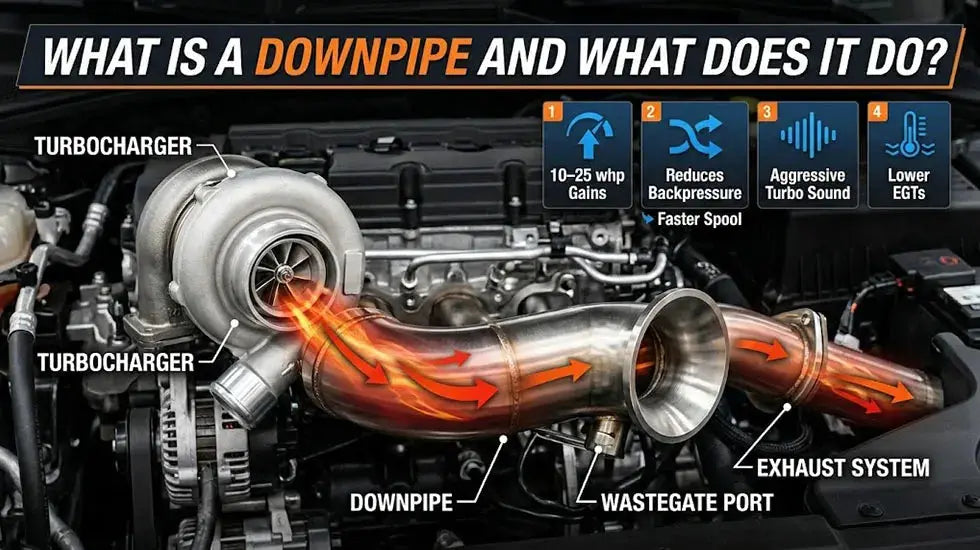
- What is it? The specific exhaust pipe connecting the turbocharger’s turbine housing to the rest of the exhaust system.
- Who needs it? Strictly for turbocharged vehicles. Naturally aspirated (NA) cars use headers instead.
- Primary Benefit: Eliminates backpressure, allowing the turbo to spool faster and the engine to breathe.
- Performance Gain: Typically 10–25 Horsepower, with significantly more when paired with a Stage 2 tune.
- The Catch: It makes the car louder and may require an ECU tune to manage the Check Engine Light (CEL).
What is a Downpipe?
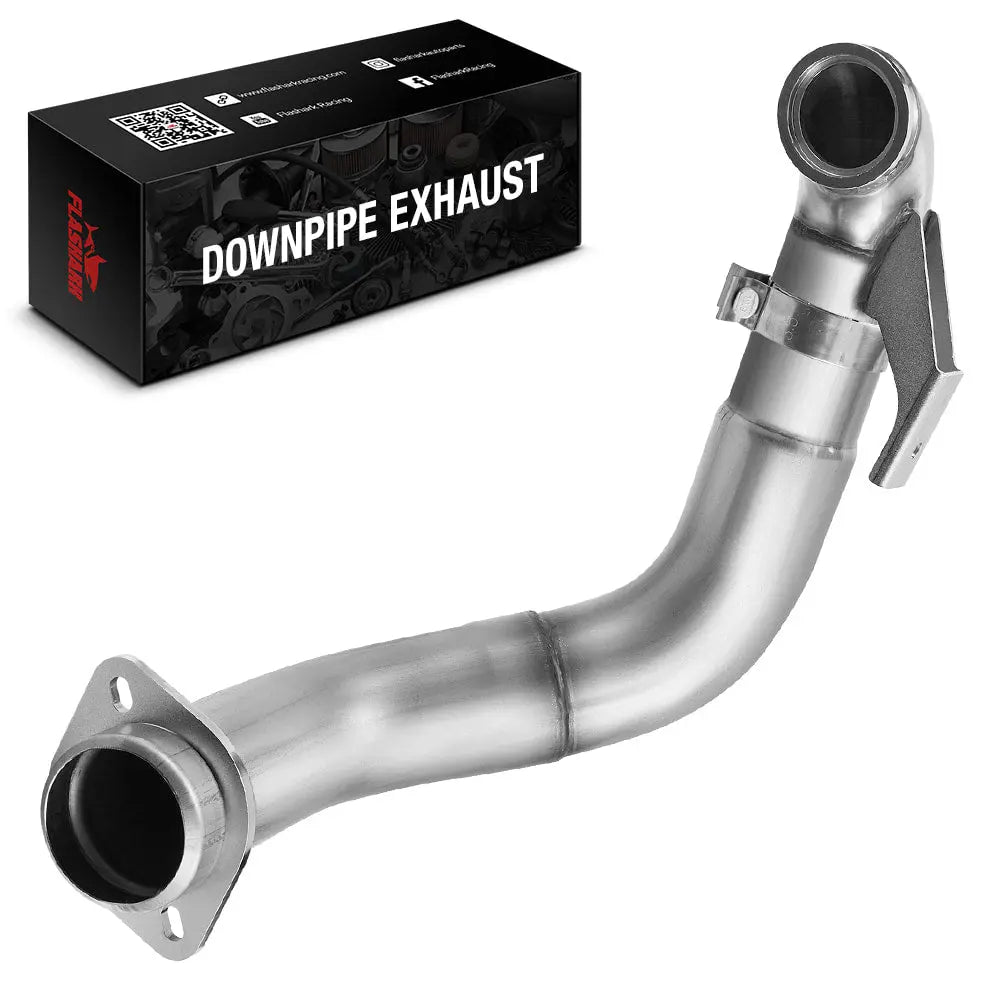
Simply put, a downpipe is the very first section of the exhaust system on a turbocharged car. It bolts directly to the exhaust side of your turbocharger and connects it to the main exhaust stream under the vehicle. While your factory exhaust is designed to be quiet and ultra-clean, it's often narrow and "choked" by a dense ceramic catalytic converter.
What Does a Downpipe Do?
A turbocharger is an air pump driven by exhaust gas. For that pump to spin fast, the air behind it needs to exit as quickly as possible. A stock downpipe acts like a "cork," forcing the turbo to work harder against massive backpressure. An aftermarket downpipe acts like a massive highway. By smoothing out the exit path and increasing the pipe diameter (usually to 3 inches), the turbocharger's internal wheel can spin more freely, translating to faster spool times and more aggressive power delivery.
Headers vs. Downpipe: Clearing up the Confusion
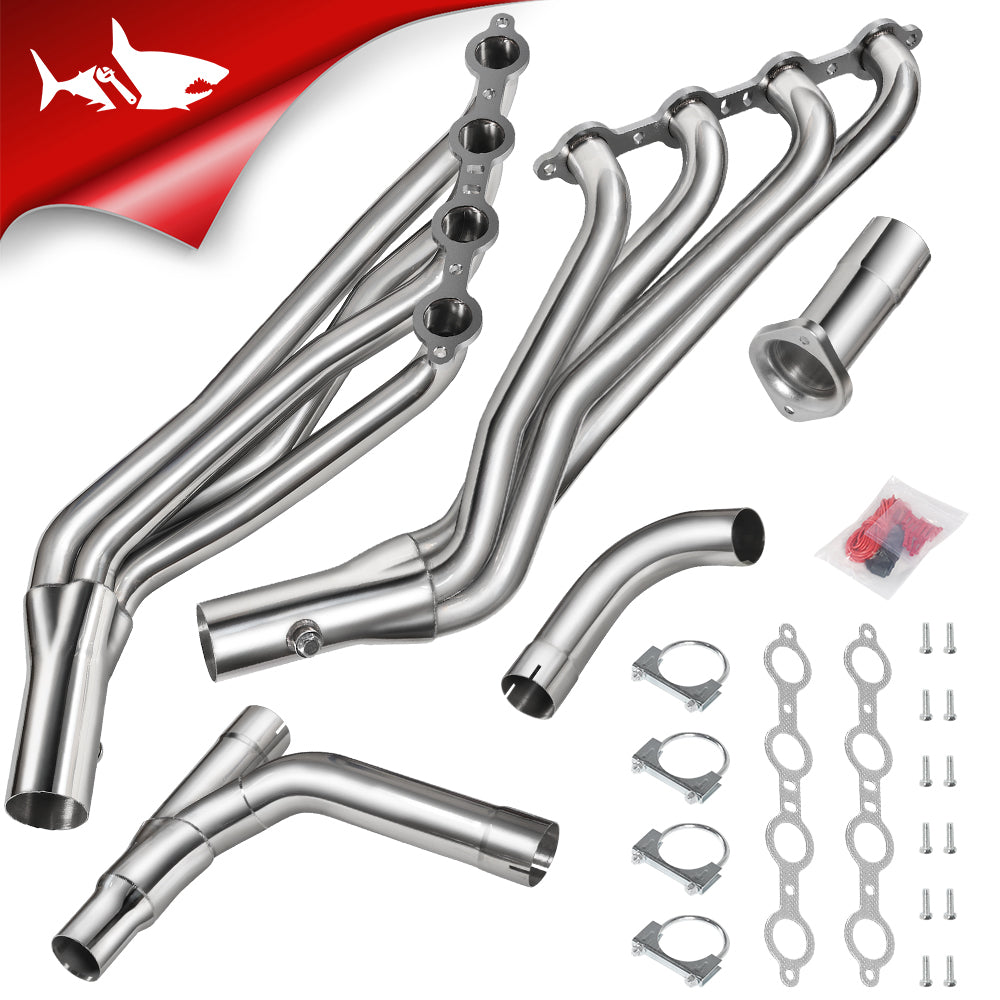
I see a lot of confusion around terms like headers vs downpipe. Here is the golden rule: Headers bolt directly to the engine block of naturally aspirated cars. Turbocharged cars have a manifold that feeds the turbo, then a downpipe that exits it.

🛠️ Mechanic's Note: I remember back in 2018, a client brought a 2013 BMW 535i into the shop. He was looking for more grunt and better sound. He had accidentally ordered a set of NA headers for his turbocharged N55 engine! We had to explain that on a turbo car, the downpipe is where the performance "magic" happens. Always confirm your engine's aspiration before ordering parts.
Benefits of Upgrading Your Downpipe
- Increased Horsepower: Mandrel-bent structures (not crush-bent) minimize turbulence, allowing for real, dyno-proven gains.
- Improved Throttle Response: Wider diameters help the turbo build boost pressure faster, killing that annoying throttle lag.
- Aggressive Sound: Upgrading unlocks the raw turbo whistle and deep exhaust growl that was muffled by the factory ceramic brick.
- Lower Engine Temps: Premium T304 Stainless Steel moves hot gas away faster, protecting your turbo from excessive heat soak.
Types of Downpipes Explained
The choice between Catted and Catless depends on your local laws and how much "raw" race car energy you want.
| Type | Best For | Performance |
|---|---|---|
| High-Flow Catted | Street performance & daily driving. | 90% gains of catless; no raw fuel smell. |
| Catless | Track use & maximum boost. | Zero restriction; loudest sound; highest gains. |

The Check Engine Light (CEL) Reality
This is the number one concern for owners of modern platforms like the BMW B48, B58 (M340i), or VW EA888. When you remove a restrictive factory cat, the secondary O2 sensor detects the increased flow and assumes the catalyst is failing, triggering a CEL on your dash.
⚠️ Pro Warning: I’ve seen countless beginners bolt on a catless downpipe without an ECU tune, only to have their car enter "Limp Mode" with a permanent CEL. I suggest you never run a high-performance downpipe without an ECU tune (Stage 2) to correctly calibrate the air-fuel ratios and code out the sensor check. Don't cheap out on the software; it's what keeps your engine safe.
Legality of Catless Downpipes
As a shop guy, I always advise customers to know their local laws. Catless downpipes are illegal for street use in the United States. Removing the converters violates EPA laws, and you will fail your OBD2 emissions inspections instantly.
Depending on where you are in Europe or California, getting caught without a catalytic converter carries massive fines. For 90% of daily driven street cars, a high-flow catted downpipe is the smarter, headache-free choice.
How Much Horsepower Does a Downpipe Add?
On a stock turbo setup, a high-quality downpipe adds 10 to 25 wheel horsepower. However, on highly tunable engines like the BMW B58, a downpipe is the "key" that unlocks the Stage 2 power levels. By removing the thermal restriction, a tuner can safely increase boost pressure, often netting 50+ HP gains over a stock car.

Will a Downpipe Make My Car Louder?
Yes. Replacing the dense factory ceramic brick with a high-flow unit is like taking a gag off your car’s mouth. You can expect a deeper growl and a much more audible turbo spooling whistle. If you're worried about it being too loud, sticking with a high-flow catted downpipe while keeping your stock muffler is the perfect "sleeper" setup.
FAQ
Q1: Can I install a downpipe on a non-turbo car?
A1: No. Downpipes connect specifically to a turbocharger's exhaust outlet. Naturally aspirated cars use headers or exhaust manifolds instead.
Q2: Does a downpipe void my factory warranty?
A2: It can. Dealers may deny warranty claims on the engine or turbo if they determine the aftermarket part or the required ECU tune caused a specific failure.
Q3: Why is my Check Engine Light (CEL) on after installation?
A3: This happens because the O2 sensors detect more exhaust flow than the factory settings expect. A Stage 2 tune or a high-quality O2 spacer is typically required.
Q4: Downpipe vs. Header: What's the difference?
A4: Headers bolt directly to the engine cylinders to scavenge exhaust. A downpipe bolts to the turbocharger's turbine exit to reduce backpressure.
Q5: Is a 3-inch downpipe better than a 2.5-inch?
A5: Generally, yes for performance. A larger diameter reduces backpressure, though on very small turbo setups, an oversized pipe can slightly impact low-end torque.
Q6: Does a downpipe make the turbo spool louder?
A6: Absolutely. You will hear much more of that iconic turbo whistle because the restrictive factory catalyst is no longer muffling the turbine wheel.
Q7: Can I install a downpipe myself?
A7: If you have jack stands and a good socket set, yes. However, rusted turbo bolts are notorious for snapping, so many prefer a professional shop install.
Q8: Do I need a new gasket for the installation?
A8: Yes. Never reuse old exhaust gaskets. A leak at the turbo flange will ruin both your performance gains and your exhaust sound.
Q9: Will a downpipe improve my gas mileage?
A9: Technically, it makes the engine more efficient. However, most drivers accelerate more aggressively to hear the new exhaust note, which usually lowers MPG.
Q10: What is the best material for a downpipe?
A10: T304 Stainless Steel is the gold standard. It handles extreme heat and road salt far better than 409 stainless or aluminized steel.
Q11: Downpipe vs. Cat-back: Which should I buy first?
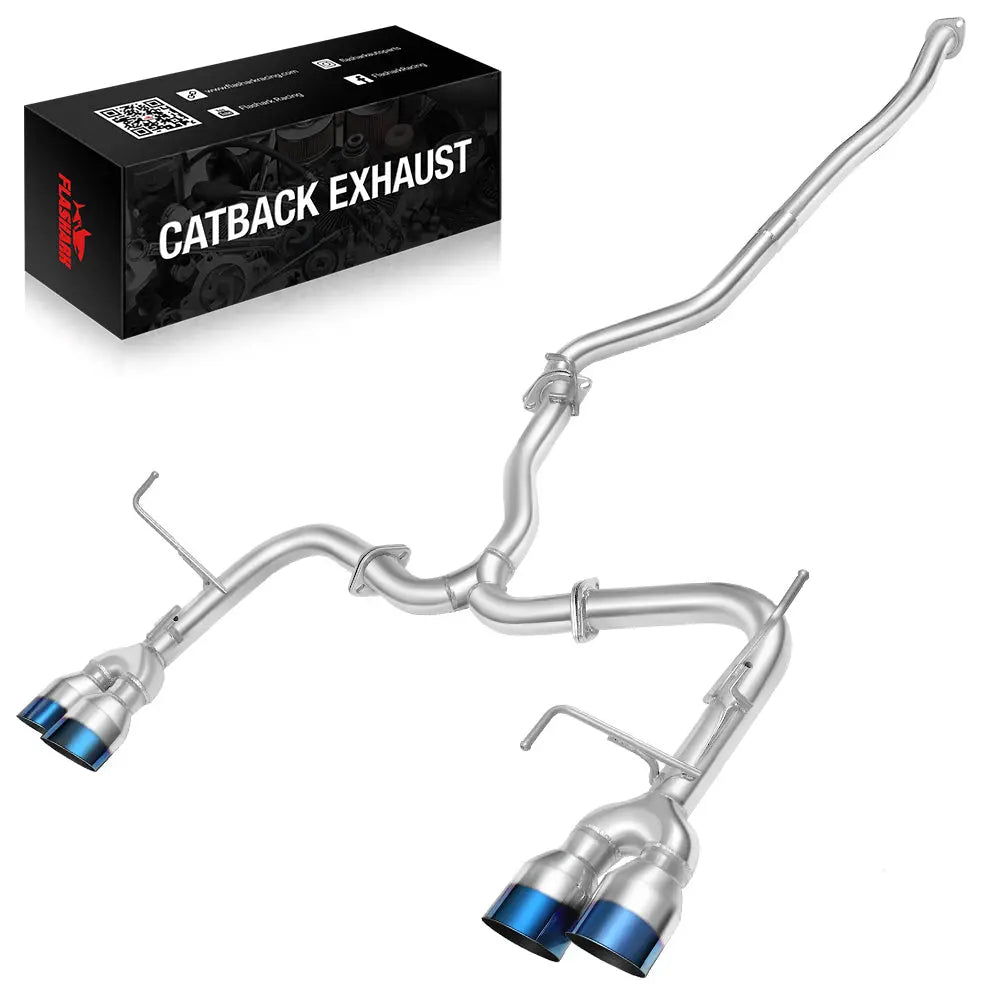
A11: If you want power, buy the downpipe first. If you only want sound and don't want to mess with tuning, start with a cat-back exhaust.