


 Need car parts? Shop by vehicle
(Select the exact fit for your vehicle)
Need car parts? Shop by vehicle
(Select the exact fit for your vehicle)
Admisión de aire frío de Dodge
Comprar entradas de aire frío por marca: Dodge | GMC | Ford | Nissan | VW | Honda | Infiniti | Jeep | Toyota
Comprar por modelo: Entrada de aire frío Dodge Ram
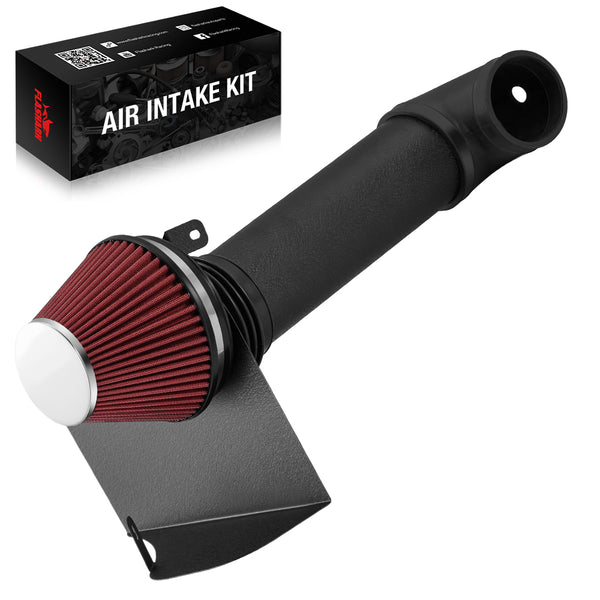
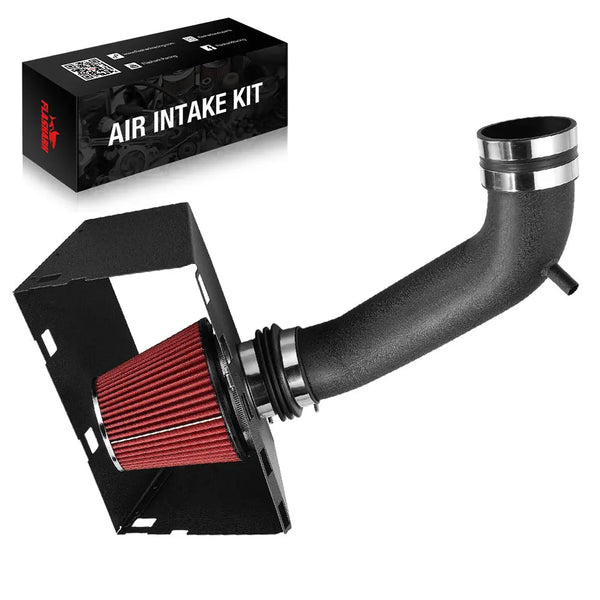
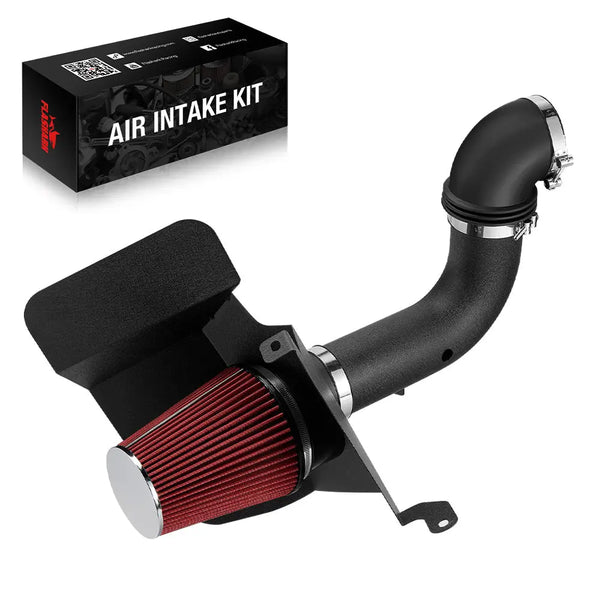
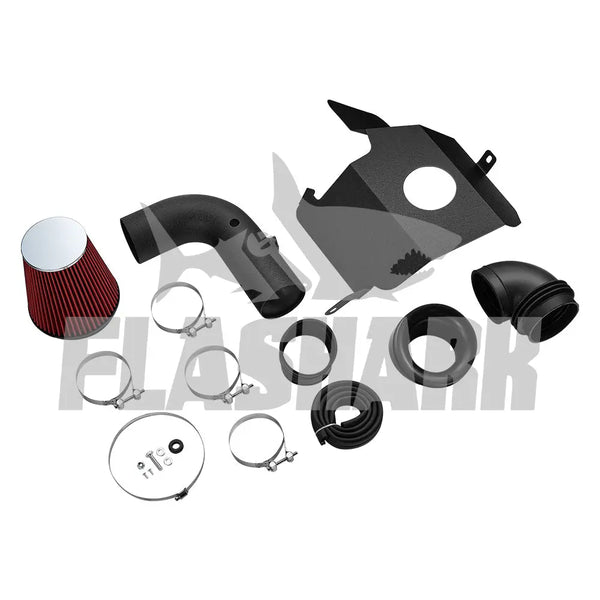
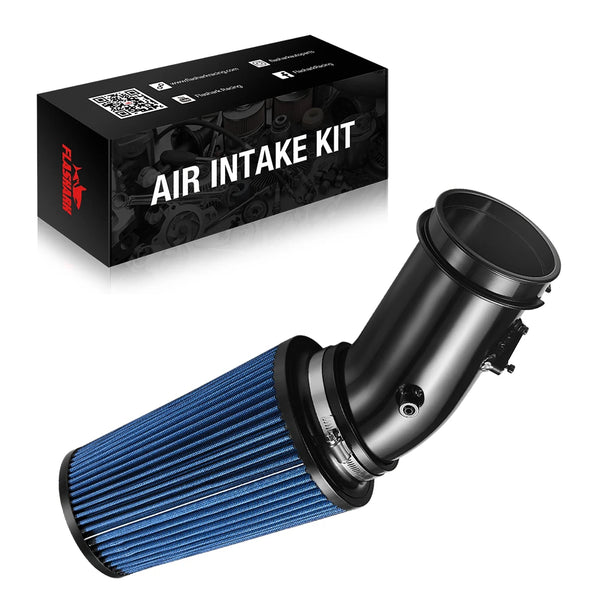
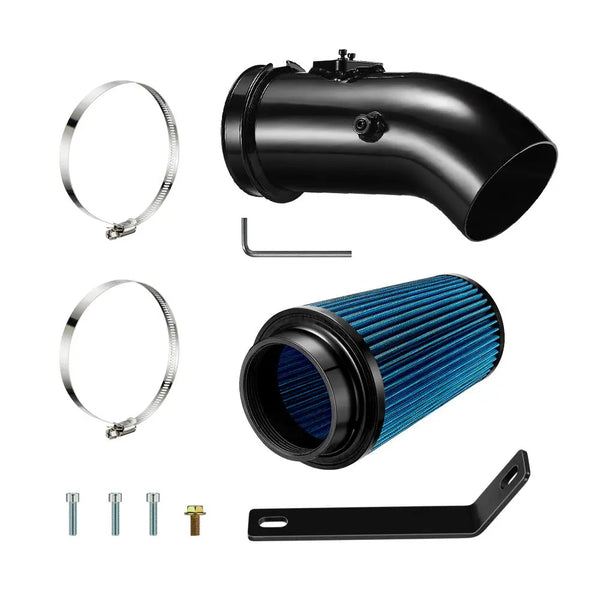
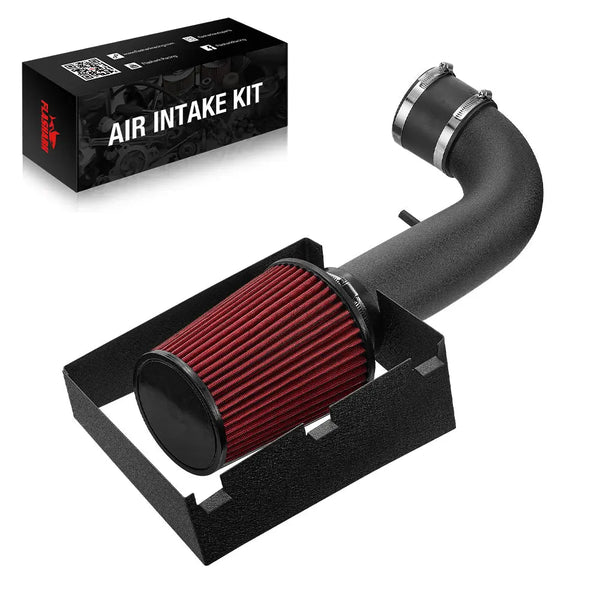
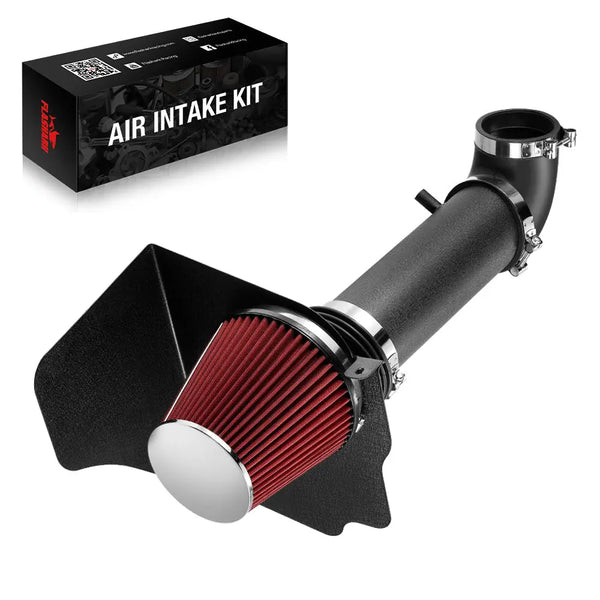
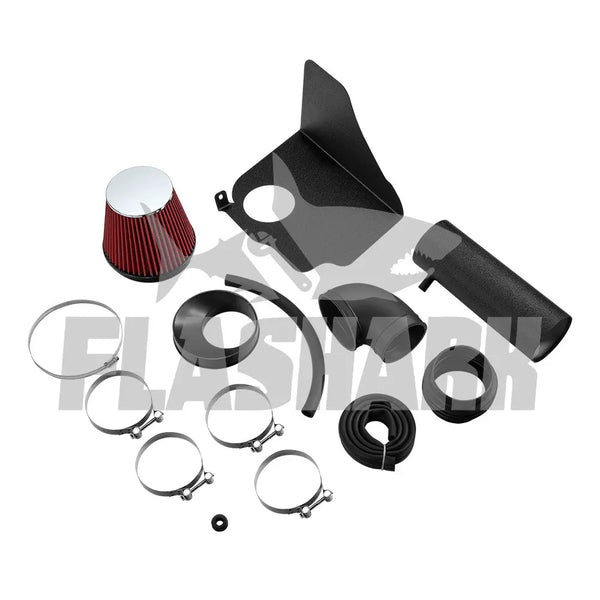
Los kits de admisión de aire Flashark Dodge cubren aplicaciones seleccionadas de Ram trucks, Charger, Challenger, Magnum, Durango y Dakota, con la selección más sólida construida alrededor de las plataformas de gasolina y Cummins de Ram. La colección incluye sistemas de admisión con protección térmica, diseños de admisión corta, diseños de doble filtro y kits que conservan parte de la trayectoria de admisión de fábrica.
Esa variedad importa. Un Charger HEMI de 5.7L no usa el mismo enrutamiento que una Ram HEMI de 5.7L, y un kit Cummins de 5.9L no es intercambiable con una admisión de motor de gasolina Magnum de 5.9L. El tamaño del motor puede parecer familiar, pero la forma del tubo, la provisión del sensor, los soportes y el espacio disponible pueden ser completamente diferentes.
Elija su modelo exacto, año del modelo y motor, luego revise las notas de ajuste en la página del producto individual antes de realizar el pedido. Para opciones específicas de Ram, use el enlace del modelo de arriba para reducir la selección primero.






Comprar entradas de aire frío por marca: Dodge | GMC | Ford | Nissan | VW | Honda | Infiniti | Jeep | Toyota
Comprar por modelo: Entrada de aire frío Dodge Ram
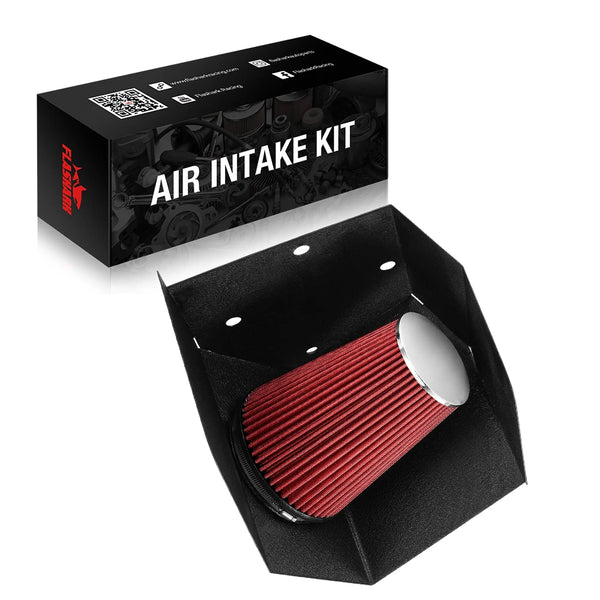
Los kits de admisión de aire Flashark Dodge cubren aplicaciones seleccionadas de Ram trucks, Charger, Challenger, Magnum, Durango y Dakota, con la selección más sólida construida alrededor de las plataformas de gasolina y Cummins de Ram. La colección incluye sistemas de admisión con protección térmica, diseños de admisión corta, diseños de doble filtro y kits que conservan parte de la trayectoria de admisión de fábrica.
Esa variedad importa. Un Charger HEMI de 5.7L no usa el mismo enrutamiento que una Ram HEMI de 5.7L, y un kit Cummins de 5.9L no es intercambiable con una admisión de motor de gasolina Magnum de 5.9L. El tamaño del motor puede parecer familiar, pero la forma del tubo, la provisión del sensor, los soportes y el espacio disponible pueden ser completamente diferentes.
Elija su modelo exacto, año del modelo y motor, luego revise las notas de ajuste en la página del producto individual antes de realizar el pedido. Para opciones específicas de Ram, use el enlace del modelo de arriba para reducir la selección primero.
Cómo elegir el kit de admisión de aire Dodge adecuado
Una mejora de la admisión de aire de Dodge no es difícil de entender una vez que dejas de tratar cada tubo brillante y filtro cónico como el mismo producto. La parte difícil es hacer coincidir el kit con el vehículo. Las aplicaciones de Dodge y Ram abarcan motores V6 de gasolina, HEMI V8, motores Magnum más antiguos, diésel Cummins, automóviles de pasajeros, SUV y varias generaciones de camionetas de tamaño completo.
Escucha, una insignia de motor es solo el comienzo de la verificación de compatibilidad. La admisión aún debe coincidir con la ruta del tubo, la posición del cuerpo del acelerador, la disposición del sensor, las conexiones de las mangueras, los puntos de montaje y el espacio disponible debajo del capó. Un kit que está casi bien sigue siendo el kit incorrecto.
Antes de comprar
- Esta es una colección a nivel de marca, no una página de admisión de ajuste universal. Confirma el modelo exacto, el año, el motor y la compatibilidad a nivel de producto antes de realizar el pedido.
- Las camionetas Ram constituyen la mayor parte de la selección. Las aplicaciones de gasolina HEMI, Magnum, PowerTech y diésel Cummins utilizan diferentes diseños de admisión.
- La misma cilindrada del motor no garantiza la intercambiabilidad. No se debe suponer que una admisión de automóvil HEMI de 5.7L se ajusta a una camioneta HEMI de 5.7L.
- Espera que el cambio de sonido sea más obvio que el cambio de potencia en un vehículo de aspiración natural mayoritariamente de serie. Las ganancias solo de admisión suelen ser modestas y pueden permanecer en el rango de un solo dígito de caballos de fuerza en las ruedas.
Por qué los propietarios reemplazan la admisión de fábrica
Algunos propietarios buscan una nota de inducción más fuerte. Otros están reemplazando una caja de aire de fábrica vieja, un conducto de admisión agrietado, una carcasa de filtro desgastada o un hardware faltante. También hay conductores que quieren un filtro cónico reparable, un diseño más limpio del compartimento del motor o una admisión que se ajuste mejor con modificaciones posteriores atornillables.
Esas son razones sensatas. Lo que no es sensato es asumir que cada admisión de serie está ahogando el motor o que instalar un tubo de aluminio más grande producirá de repente un gran aumento de caballos de fuerza. Los sistemas modernos de fábrica suelen ser más silenciosos y complicados de lo que prefieren los entusiastas, pero eso no los hace automáticamente mal diseñados.
Una admisión Flashark correctamente adaptada puede reemplazar los componentes restrictivos de fábrica, mejorar el acceso al filtro y hacer que el motor sea más fácil de escuchar bajo carga. Si cambia la salida medible depende del motor, la calibración, la temperatura del aire de admisión, la estrategia del sensor y el resto de la configuración del vehículo.
Lo que realmente importa en un kit de admisión de aire Dodge
No compre una admisión mirando el color del filtro o la curva del tubo principal. Comience con los detalles que afectan la compatibilidad y la facilidad de conducción.
- Enrutamiento del tubo: La tubería debe despejar la cubierta del ventilador, la manguera del radiador, el accionamiento de accesorios, el capó, el cableado y el hardware cercano del compartimento del motor.
- Diámetro del tubo: Un tubo de gran tamaño puede alterar la velocidad del flujo de aire y la escala del sensor. Más grande no es automáticamente mejor.
- Provisión de sensor: Cualquier brida de sensor requerida debe tener la forma, ubicación, orientación y superficie de sellado correctas.
- Conexiones de ventilación y vacío: Cada manguera de fábrica necesita una conexión segura y del tamaño correcto. Tapar el puerto incorrecto o dejar una manguera suelta puede crear problemas de conducción.
- Acoplamientos y abrazaderas: Un acoplamiento debe asentarse completamente sobre ambas superficies de acoplamiento. Una abrazadera apretada en el borde de una tubería puede sentirse segura mientras aún permite que el aire no medido entre en el sistema.
- Soporte de soporte: La admisión no debe colgar del cuerpo del acelerador o la carcasa del sensor. La vibración puede aflojar las abrazaderas y fatigar las delgadas pestañas de montaje.
- Posición del filtro: Un filtro inferior puede ver aire más frío pero una mayor exposición al agua. Un filtro alto en el compartimento del motor es más fácil de inspeccionar, pero puede ver más calor a bajas velocidades en carretera.
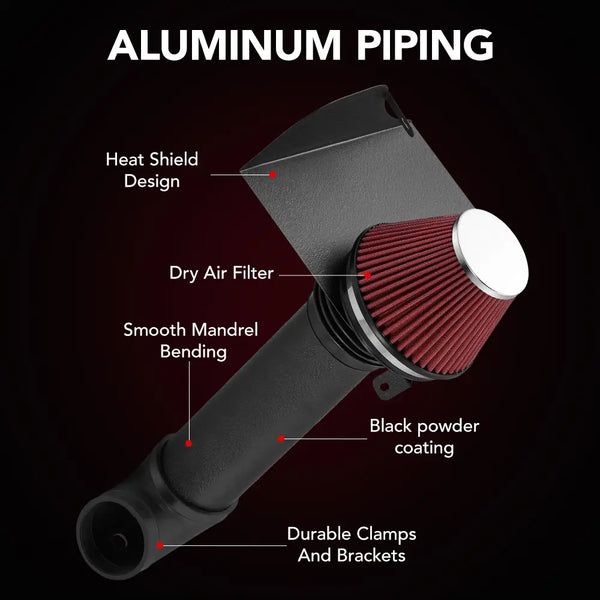
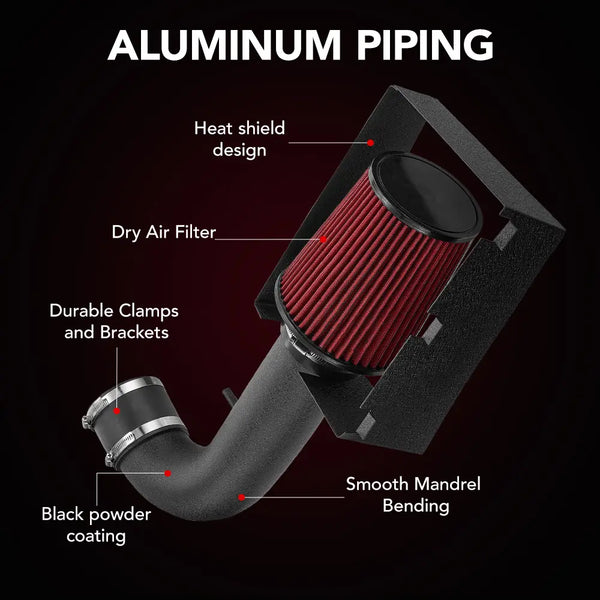
- Escudo térmico: Un escudo puede reducir el calor radiante directo, pero no es una cámara de aire frío hermética. El flujo de aire alrededor del escudo sigue siendo importante.
Aquí está la parte honesta: muchas quejas de admisión provienen de detalles de instalación, no del filtro en sí. Un tubo que roza una manguera de refrigerante, una abrazadera instalada torcida o un sello de sensor pellizcado durante el montaje pueden convertir un simple trabajo de atornillado en una semana de búsqueda de códigos de falla.
Admisión de aire frío, admisión de ram corto y diseños de doble filtro
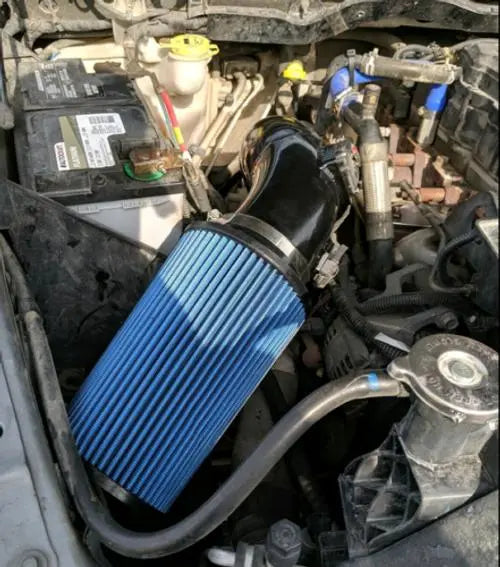
Los productos de esta colección no utilizan todos el mismo diseño. Algunos reemplazan la mayor parte del conducto de admisión de fábrica. Otros retienen el tubo de fábrica y reemplazan la caja de aire. Algunos usan una disposición de filtro abierto más corta, mientras que ciertas aplicaciones compartidas de Dodge y Jeep usan dos filtros conectados a una sola ruta de entrada.
| Diseño de la admisión | Ubicación del filtro | Exposición al calor | Instalación | Uso típico | Verificación de ajuste principal |
|---|---|---|---|---|---|
| Admisión con protección térmica | Normalmente cerca del área de la caja de aire de fábrica | Moderada, dependiendo del sellado del escudo y la velocidad del vehículo | Moderada | Conducción diaria, camionetas de calle, construcciones con modificaciones leves | Montaje del escudo, espacio libre del tubo y posición del sensor |
| Admisión de ram corto | En la parte superior del compartimento del motor | Mayor durante el tráfico y la conducción a baja velocidad | Normalmente más simple | Vehículos de calle enfocados en el sonido | Espacio libre del capó, soporte del filtro y fuentes de calor cercanas |
| Kit que retiene el tubo de fábrica | Cerca de la ubicación original de la caja de aire | Similar al diseño de fábrica | A menudo sencillo | Construcciones orientadas a la sustitución y camionetas de trabajo | Estado del tubo de fábrica y tamaño de la conexión de la caja de aire |
| Admisión de doble filtro | Dos filtros abiertos en el compartimento del motor | Depende en gran medida de la ubicación y el blindaje | Más conexiones para alinear y asegurar | Aplicaciones enfocadas en la apariencia y el sonido de inducción | Alineación del tubo en Y, soporte del filtro y espacio libre específico del vehículo |
Un colector de admisión o un codo de admisión pertenecen a una parte diferente de la ruta del flujo de aire. Esos componentes del lado del motor no deben tratarse como intercambiables con un kit de admisión de aire frío, incluso cuando ambos productos se comercializan como mejoras de admisión.
Ajuste de admisión de aire Dodge y Ram por modelo y motor
La selección de productos se puede dividir en cuatro grupos prácticos. Mantener esos grupos separados facilita mucho las compras.
Camionetas Ram de gasolina más antiguas: Algunas aplicaciones de Ram de 1994 a 2002 utilizan el Magnum V6 de 3.9L, el Magnum V8 de 5.2L o el Magnum V8 de 5.9L. Estos son motores de gasolina. No confunda el Magnum V8 de 5.9L con el diésel Cummins de seis cilindros en línea de 5.9L simplemente porque ambos se describen como motores de 5.9 litros.
Camionetas Ram de gasolina posteriores: La colección incluye aplicaciones seleccionadas de camionetas con PowerTech V8 de 4.7L, HEMI V8 de 5.7L y HEMI V8 de 6.4L. El ajuste de Ram 1500, 2500 y 3500 puede cambiar según el año, el motor, la configuración del chasis y el diseño debajo del capó. Revise la lista exacta en lugar de asumir que un kit anunciado para un modelo Ram se ajusta a los demás.
Para aplicaciones de gasolina seleccionadas de 2002 a 2008, revise el kit de admisión de aire Ram de 4.7L y 5.7L disponible y verifique el año, modelo y notas detalladas del motor antes de realizar el pedido.
Camionetas diésel Ram Cummins: Los motores Cummins de 5.9L y 6.7L requieren sus propios productos. La ruta de admisión, la provisión de sensores, el diseño de la caja de aire de fábrica y el espacio disponible cambiaron entre las generaciones de Cummins. Una camioneta de 1994 a 2002, una de 2003 a 2007 y una de 2007.5 a 2012 no deben agruparse simplemente porque las tres usan un motor Cummins.
Los propietarios de camionetas posteriores pueden revisar el kit de admisión Cummins de 6.7L para Ram 2007.5–2012. Preste mucha atención al cambio de año del modelo, la instalación del sensor y las instrucciones específicas del producto.
Automóviles de pasajeros HEMI: Los productos seleccionados de Dodge Magnum, Charger y Challenger cubren aplicaciones HEMI de 5.7L y 6.1L, a veces junto con el ajuste de Chrysler 300. Estos vehículos comparten partes de su plataforma y familia de motores, pero los rangos de años, el enrutamiento de los tubos, el empaque de las molduras y las conexiones de admisión aún deben coincidir con la lista individual.
Aplicaciones de Durango, Dakota y SUV compartidos: Los productos seleccionados cubren aplicaciones de 3.7L, 4.7L y ciertas de 5.7L. Algunas listas también pueden incluir vehículos Jeep compatibles. Ese ajuste compartido debe seguir siendo un detalle a nivel de producto; no significa que todos los Dodge y Jeep que usan la misma cilindrada acepten la misma admisión.
Expectativas realistas de sonido y potencia
Un sonido de inducción más notorio suele ser lo primero que nota un conductor. Al abrir el acelerador, el motor se vuelve más fácil de escuchar, especialmente en un HEMI V8. Con el acelerador suave, el cambio puede ser sutil. Bajo carga, no lo es.
La potencia es más complicada. En un vehículo de aspiración natural en su mayoría de serie, un cambio solo en la admisión a menudo produce un resultado modesto, y las ganancias medibles pueden permanecer en el rango de caballos de fuerza de un solo dígito en las ruedas. Algunos vehículos muestran poco movimiento de potencia máxima, pero responden de manera diferente en una parte particular del rango de revoluciones. Otros no muestran ninguna mejora repetible una vez que se consideran la temperatura del aire de admisión y la variación normal del dinamómetro.
No trate una captura de pantalla de un foro de otro automóvil como datos de prueba de productos Flashark. Una comparación útil de antes y después requiere el mismo vehículo, el mismo dinamómetro, condiciones ambientales similares, el mismo combustible, el mismo comportamiento de la transmisión y ningún cambio no relacionado entre las pasadas.
Una aplicación de diésel Cummins añade otra capa. La demanda de flujo de aire del turbocompresor, la calibración de fábrica, el equipo de emisiones, el control de sobrealimentación y las modificaciones de soporte pueden influir en el resultado. Un filtro y un tubo por sí solos no deben comercializarse como una mejora garantizada de gran potencia.
Controles de ajuste e instalación que previenen problemas
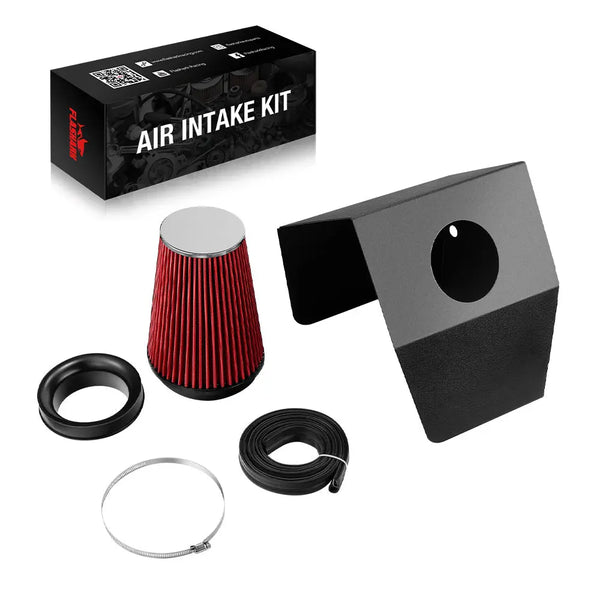
Antes de quitar el sistema de fábrica, compare cada pieza suministrada con el vehículo. Extienda el tubo, los acopladores, las abrazaderas, los soportes, el filtro, el hardware del sensor y los accesorios de la manguera. Mantenga la admisión de fábrica intacta hasta que se haya comprobado el nuevo kit con la camioneta o el automóvil.
- Confirme el año del modelo y el motor exactos antes de abrir o modificar los componentes.
- Compruebe si el vehículo utiliza un sensor en el conducto de admisión y anote su dirección original.
- Inspeccione las conexiones de las mangueras de ventilación, vacío y relacionadas con las emisiones de fábrica.
- Pruebe el tubo antes de apretar completamente cualquier abrazadera.
- Asegúrese de que el filtro no pueda entrar en contacto con el capó, el ventilador, la correa, la manguera del radiador o la carrocería afilada.
- Apoye el tubo con el soporte suministrado en lugar de permitir que el cuerpo del acelerador soporte su peso.
- Verifique que el cableado no esté estirado y no pueda rozar el tubo.
- Vuelva a verificar los acopladores y los soportes después de los primeros ciclos de calor completos.
Nota de diagnóstico del mecánico
Cuando un motor desarrolla una marcha irregular, vacilación o código de falla inmediatamente después de la instalación de una admisión, comience con lo que se tocó. Revise cada acoplador a mano, inspeccione el sello del sensor, verifique la dirección del sensor y busque una manguera pequeña que se haya dejado suelta o doblada detrás del tubo principal.
Un patrón de falla común es un acoplador que parece asentado desde arriba pero que solo cubre unos pocos milímetros del lado inferior de la tubería. La abrazadera se aprieta, el tubo parece seguro y el motor sigue extrayendo aire a través del hueco oculto. No comience a reemplazar los sensores hasta que se haya inspeccionado físicamente toda la ruta de admisión.
¿Necesitará un ajuste una admisión de aire frío Dodge?
Muchos kits atornillables de diámetro estándar están diseñados para funcionar con la calibración de fábrica. Eso no hace que "no se requiere ajuste" sea una afirmación segura para cada admisión de aire Dodge en la página.
Si un kit cambia el diámetro de la carcasa del sensor, la ubicación del sensor, la ruta del flujo de aire u otras dimensiones calibradas, la ECU puede no interpretar el aire entrante exactamente como se pretende. El riesgo es mayor en sistemas de gran tamaño, motores agresivamente modificados y vehículos que ya tienen ajustes o cambios de combustible.
También puede ser útil un ajuste cuando la admisión forma parte de una combinación más grande que implica trabajo de escape, cambios en el cuerpo del acelerador, inducción forzada u otras modificaciones de flujo de aire. Las instrucciones del producto y el comportamiento real del vehículo deben decidir el siguiente paso, no una regla general copiada de otra plataforma.
Advertencia de MAF, CEL, agua y emisiones
No continúe conduciendo con fuerza si el vehículo enciende la luz de verificación del motor, ralentí inestable, humo anormal, modo de potencia reducida o comportamiento inusual del ajuste de combustible después de la instalación. Vuelva a revisar la admisión en busca de fugas, problemas con los sensores, tensión del cableado, mangueras sueltas y alineación incorrecta del tubo.
Extreme las precauciones en las aplicaciones Cummins equipadas con MAF. La carcasa correcta, la posición del sensor, el sello y el estado del cableado son importantes para el funcionamiento del motor y también pueden afectar el comportamiento del sistema de emisiones.
Un filtro montado en el compartimento del motor generalmente tiene menos exposición directa al agua que un filtro montado bajo, pero ninguna admisión de filtro abierto es inmune a la saturación de agua. Evite el agua estancada profunda e inspeccione el filtro después de lluvias intensas, inundaciones o uso todoterreno.
A menos que el producto individual enumere una Orden Ejecutiva CARB válida o una exención aplicable, no asuma que es legal para vehículos de calle controlados por la contaminación en California. Verifique las regulaciones locales antes de realizar el pedido.
¿Qué admisión se adapta a tu construcción?
Para un conductor diario de serie: Priorice el ajuste confirmado, los soportes sólidos, un filtro bien soportado y un fácil acceso para el servicio. Un sistema correctamente sellado es más valioso que el tubo más grande de la página.
Para un coche de calle HEMI centrado en el sonido: Un diseño de ram corto o de filtro abierto puede hacer que la nota de inducción sea mucho más perceptible. Solo comprenda que un filtro expuesto en el compartimento del motor puede experimentar más calor durante el tráfico y la conducción a baja velocidad.
Para una Ram de trabajo o remolque: La durabilidad, el estado del filtro, las abrazaderas seguras y la protección contra la suciedad son más importantes que la apariencia. Inspeccione el sistema regularmente, especialmente cuando la camioneta trabaja en entornos polvorientos.
Para una construcción de aspiración natural suave: Elija una admisión que preserve un tamaño de tubo sensible y un comportamiento correcto del sensor. Combinarla con un escape bien adaptado puede mejorar el carácter general del motor, pero no espere que la admisión transforme el vehículo por sí sola.
Para una camioneta Cummins tuneada: Confirme que la admisión se ajusta al año exacto de la camioneta y a la disposición del sensor. Hable sobre los requisitos de calibración con la persona responsable de la configuración de la camioneta en lugar de asumir que todas las admisiones de alto flujo se comportan de la misma manera.
Para reemplazar piezas de fábrica desgastadas: Inspeccione lo que realmente está dañado. Si el tubo original, los clips de la caja de aire, el resonador o la carcasa del filtro están agrietados, un kit completo puede resolver varios problemas a la vez. Si el problema está en otro lugar, una admisión no lo reparará.
Confirme el ajuste antes de realizar el pedido
Elija una admisión de aire Flashark Dodge según el año exacto, el modelo, el motor y la configuración del producto. No se base solo en la insignia de Dodge, el nombre de Ram o una cilindrada familiar impresa en el título del producto.
Abra la página de cada producto, compare su lista de compatibilidad con el vehículo y revise las fotos para ver los puertos de los sensores, los accesorios de las mangueras, los soportes y el enrutamiento de los tubos. Si busca específicamente una camioneta, visite la colección Dodge Ram Cold Air Intake para acotar las opciones disponibles.
¿Necesita comparar productos de otro fabricante? Compre todos los kits de admisión de aire frío.
Preguntas frecuentes sobre los kits de admisión de aire Dodge
P1: ¿Qué modelos de Dodge y Ram están cubiertos por esta colección?
R1: La gama actual es compatible con Ram 1500, 2500, 3500, 4500 y 5500 seleccionadas, además de ciertas aplicaciones de Charger, Challenger, Magnum, Durango y Dakota. La cobertura varía según el año y el motor, por lo que la lista de compatibilidad individual del producto es la referencia final.
P2: ¿Una admisión de aire Dodge servirá para todos los vehículos con el mismo tamaño de motor?
R2: No. La misma cilindrada puede usar diferentes rutas de tubo, ubicaciones de la mariposa, disposiciones de sensores, soportes y holguras del compartimiento del motor. No debe asumirse que una admisión HEMI de 5.7L para un Charger servirá para un Ram HEMI de 5.7L.
P3: ¿Cuál es la diferencia entre una admisión de aire frío y una admisión de aire corto?
R3: Una admisión de aire frío generalmente dirige el filtro hacia un área más fría o más protegida, mientras que una admisión de aire corto usa una ruta más corta y generalmente mantiene el filtro más alto en el compartimiento del motor. Los sistemas de admisión de aire corto suelen ser más simples y ruidosos, pero pueden experimentar más calor debajo del capó.
P4: ¿Los kits de admisión de aire Dodge y Ram requieren un ajuste?
R4: Muchos kits atornillables de diámetro estándar están diseñados para la calibración de fábrica, pero eso no es una garantía de toda la marca. Es posible que se necesite un ajuste cuando el kit cambia el diámetro de la carcasa del sensor, la escala del flujo de aire u otras partes de la configuración del motor. Siga las instrucciones específicas del producto.
P5: ¿La instalación de una admisión puede causar que se encienda la luz de verificación del motor?
R5: Sí. Una fuga de aire, un acoplador suelto, una posición incorrecta del sensor, un cableado dañado, un sensor contaminado o un tubo no soportado pueden causar una falla después de la instalación. Vuelva a verificar la instalación antes de asumir que el diseño de la admisión en sí es defectuoso.
P6: ¿Qué debo verificar antes de pedir una admisión para una Ram 1500, 2500 o 3500?
R6: Confirme el año del modelo, el modelo de la camioneta, la familia del motor, el tipo de combustible, la ubicación del sensor y la lista completa de compatibilidad del producto. No elija solo por "Ram" o la cilindrada del motor, especialmente al comparar aplicaciones de 5.9L Magnum, 5.9L Cummins, 5.7L HEMI y 6.7L Cummins.
P7: ¿Los filtros son secos o aceitados?
R7: El tipo de filtro varía según el kit. Varias de las listas actuales de Flashark usan filtros reutilizables secos, pero la página del producto debe verificarse antes de limpiar o aplicar aceite para filtros. Aceitar un filtro seco puede contaminar los sensores cercanos y restringir el flujo de aire.
P8: ¿La misma admisión puede servir para un Charger, Challenger, Magnum y Chrysler 300?
R8: Algunos productos están diseñados para aplicaciones compartidas de HEMI de 5.7L o 6.1L en esas plataformas, pero la compatibilidad aún depende del año del modelo, el embalaje del chasis y el kit exacto. Las insignias de motor compartidas no hacen que todas las admisiones sean intercambiables.
P9: ¿Estos kits de admisión son legales para uso en la calle en California?
R9: No asuma la legalidad para la calle en California a menos que el producto individual tenga una Orden Ejecutiva CARB válida o declare claramente una exención aprobada. Las normas locales sobre emisiones también pueden aplicarse fuera de California.
P10: ¿Con qué frecuencia se deben inspeccionar el filtro y las conexiones de la admisión?
R10: Inspeccione el filtro y las conexiones visibles durante el mantenimiento normal, después de la instalación y después de los primeros ciclos de calor. La conducción polvorienta, el remolque, el uso todoterreno y las condiciones climáticas extremas pueden requerir controles más frecuentes.


