


 Need car parts? Shop by vehicle
(Select the exact fit for your vehicle)
Need car parts? Shop by vehicle
(Select the exact fit for your vehicle)
Dodge Ram Cold Air Intake
Shop Dodge Cold Air Intakes: Dodge Cold Air Intake
Shop Dodge Ram cold air intake kits for select Ram 1500, 2500, and 3500 trucks. The collection covers several gasoline and diesel applications, including selected Magnum, PowerTech, HEMI, and Cummins engines. Available designs may use a replacement intake tube, an open filter, a heat shield, or a layout that retains part of the factory intake tract.
A properly matched intake can reduce unnecessary restriction in the factory air path and make the engine’s induction sound more noticeable under load. The key phrase there is properly matched. A 5.9L Magnum V8 is not the same engine as a 5.9L Cummins, and a 2019 Ram 1500 Classic does not share every intake component with the newer body style.
Select your exact Ram model, model year, and engine, then confirm the fitment details on the individual product page before ordering.


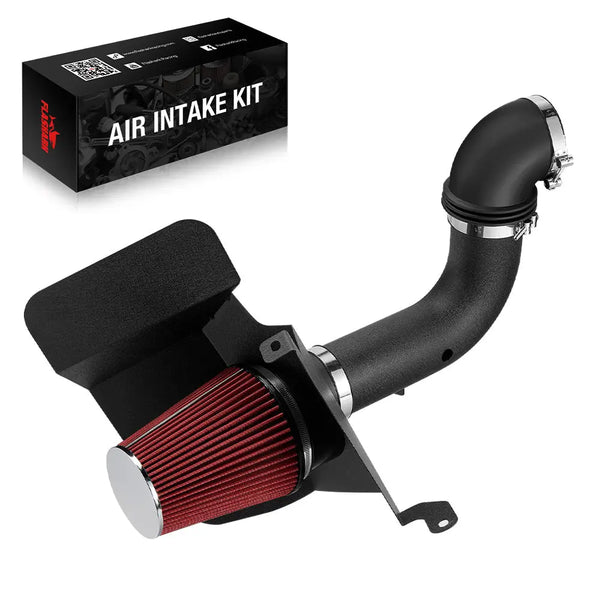
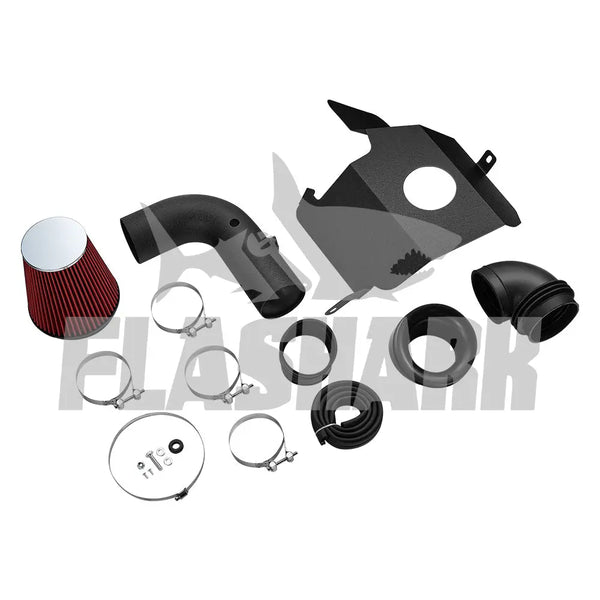
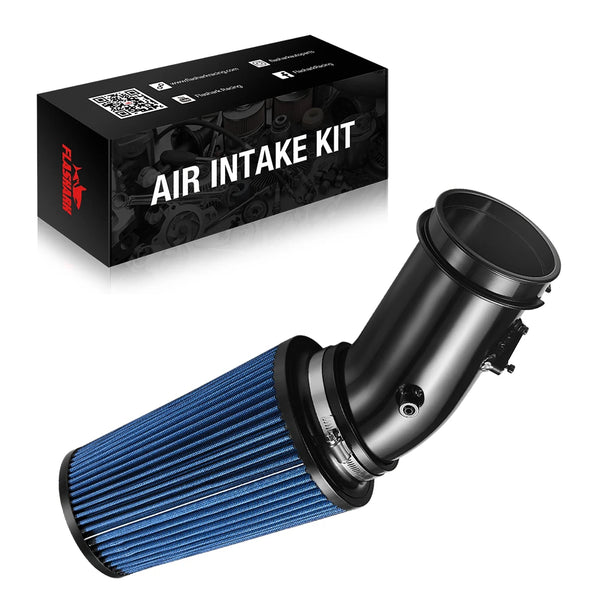
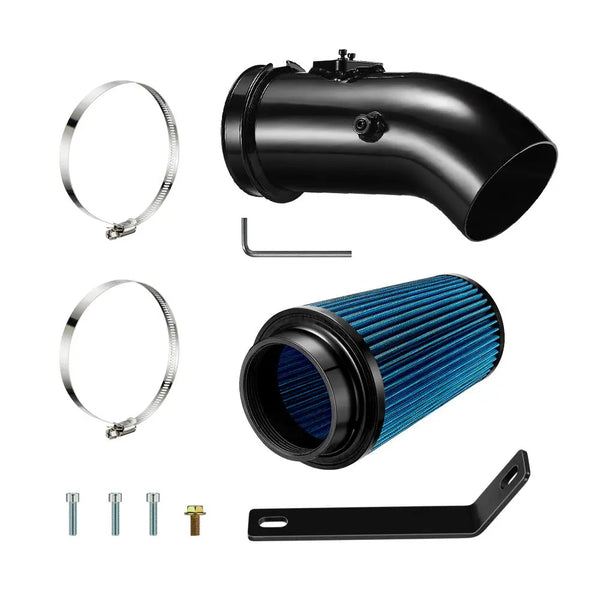


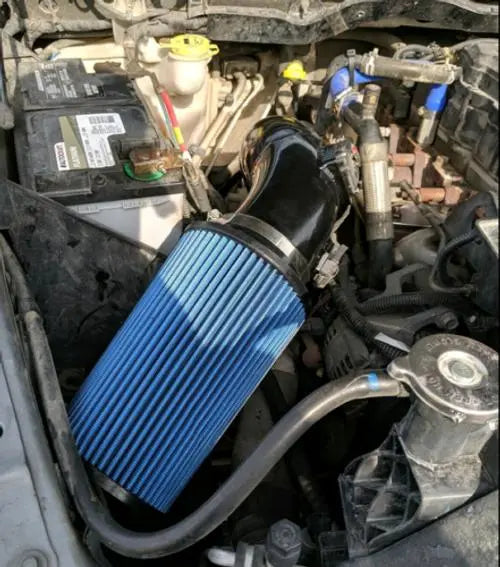


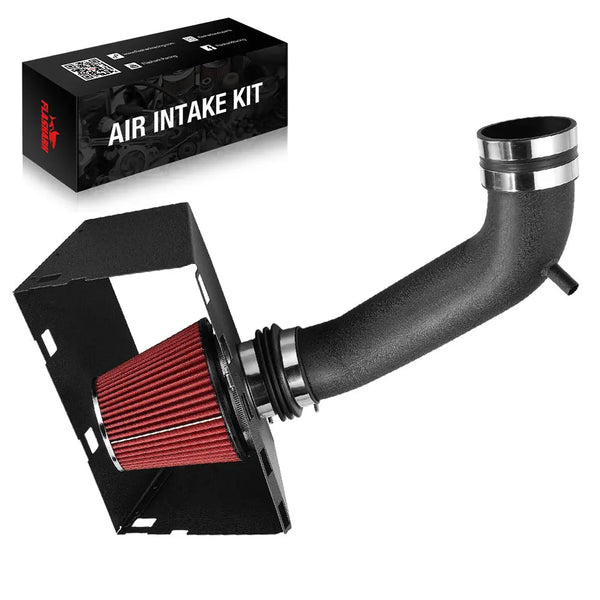

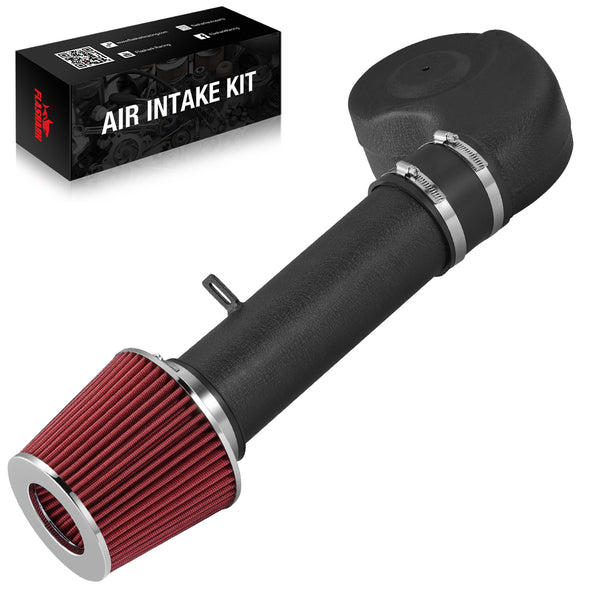
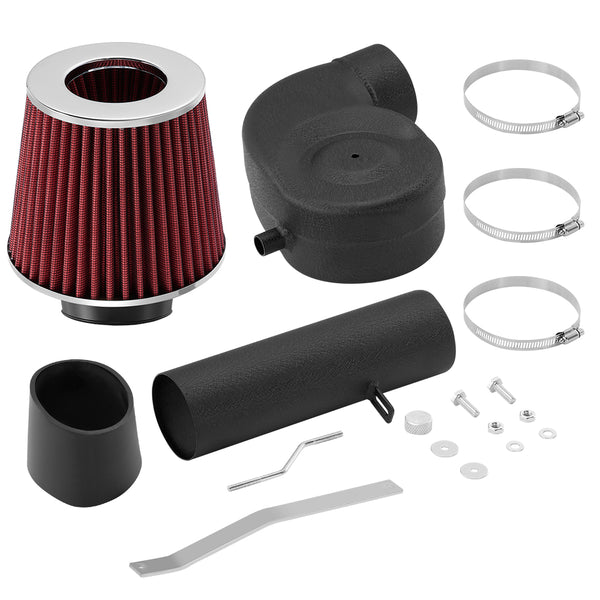


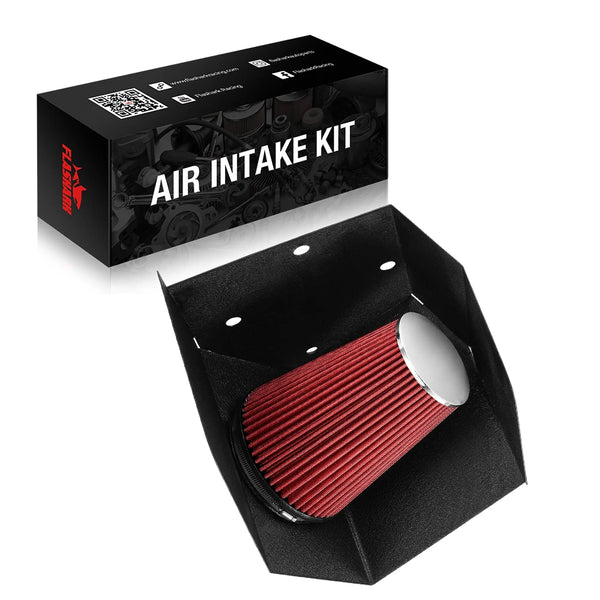
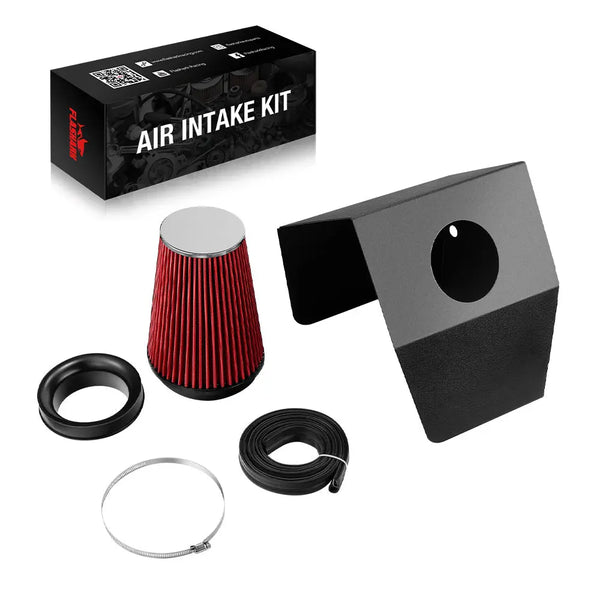
Shop Dodge Cold Air Intakes: Dodge Cold Air Intake
Shop Dodge Ram cold air intake kits for select Ram 1500, 2500, and 3500 trucks. The collection covers several gasoline and diesel applications, including selected Magnum, PowerTech, HEMI, and Cummins engines. Available designs may use a replacement intake tube, an open filter, a heat shield, or a layout that retains part of the factory intake tract.
A properly matched intake can reduce unnecessary restriction in the factory air path and make the engine’s induction sound more noticeable under load. The key phrase there is properly matched. A 5.9L Magnum V8 is not the same engine as a 5.9L Cummins, and a 2019 Ram 1500 Classic does not share every intake component with the newer body style.
Select your exact Ram model, model year, and engine, then confirm the fitment details on the individual product page before ordering.
Choosing a Cold Air Intake for Your Dodge Ram or Ram Truck
A Dodge Ram cold air intake is not a universal pipe with a filter clamped onto the end. It has to clear the fan shroud, battery area, radiator support, wiring, breather hoses, and hood. The tube also needs the correct sensor provision and mounting points for the truck in front of you—not merely another vehicle with the same engine badge.
That is where buyers get caught. They see “5.7 HEMI,” “5.9L,” or “6.7 Cummins” in a title and assume the rest will sort itself out. Honestly, that is how you end up fighting a coupler that sits at the wrong angle, a heat shield that cannot bolt down, or a breather hose stretched tight enough to split later.
Before You Buy
- Start with the truck: Ram 1500, Ram 2500, and Ram 3500 intake layouts are not automatically interchangeable.
- Then confirm the year: generation changes and midyear diesel changes can affect tube routing and mounting hardware.
- Check the complete engine description: “5.9L” may refer to a gasoline Magnum V8 or a Cummins diesel inline-six.
- For 2019–2023 trucks: verify whether the listing is for a Ram 1500 Classic or the newer-generation Ram 1500.
- Do not shop by tube diameter alone: a larger tube is useless when the sensor position, couplers, or brackets do not match.
Start with the Ram Model, Not the Engine Badge
Ram 1500 trucks and Ram Heavy Duty trucks may share familiar engine names, but the surrounding hardware can be very different. A Ram 1500 intake has to work with a half-ton engine bay, accessory layout, airbox position, and radiator support. Ram 2500 and 3500 applications may use different battery locations, diesel plumbing, cooling packages, and mounting points.
Even within the same model, do not assume every year is identical. Older Dodge Ram trucks use different engine management and intake hardware than later Ram-branded trucks. The 2019–2023 Ram 1500 Classic is especially easy to misidentify because it continued using the older body platform while the newer Ram 1500 was already on sale.
Looking for intake systems for Charger, Challenger, Durango, Dakota, or other Dodge applications? Browse the broader Dodge cold air intake kit collection instead of forcing a Ram truck product onto a different chassis.
Compare the Ram Intake Applications in This Collection
Use the table as a starting point, not as a replacement for the product-page fitment list. Product coverage can vary by engine, cab configuration, emissions equipment, and the hardware included with the individual kit.
| Ram Application | Engine | Typical Intake Layout | Main Fitment Check |
|---|---|---|---|
| 1994–2001 Ram 1500/2500 | 3.9L Magnum V6, 5.2L or 5.9L Magnum V8 | Replacement tube with open filter | Do not confuse the 5.9L gasoline V8 with the Cummins diesel. |
| 1994–2002 Ram 2500/3500 | 5.9L Cummins I6 | Filter and shield assembly that may retain factory intake sections | Confirm 12-valve or 24-valve application and review the 1994–2002 Ram 5.9L Cummins intake kit. |
| 2002/2003–2008 Ram 1500 and select Ram 2500 | 4.7L PowerTech V8 or 5.7L HEMI V8 | Replacement tube, open filter, and heat shield | Confirm the exact model, engine, sensor fitting, and heat-shield mounting points. |
| 2003–2007 Ram 2500/3500 | 5.9L Cummins I6 | Full replacement intake tube with cone filter and heat shield | Verify the production year before choosing a 2003–2007 Ram 5.9L Cummins cold air intake. |
| 2007.5–2012 Ram 2500/3500 | 6.7L Cummins I6 | Replacement tube with dry cone filter | Do not substitute a 5.9L kit. Review the 2007.5–2012 Ram 6.7L Cummins intake and all chassis exclusions. |
| 2009–2018 Ram 1500 and 2019–2023 Ram 1500 Classic | 5.7L HEMI V8 | Large replacement tube, dry filter, and heat shield | The later fitment is for the Classic body style. Check the Ram 1500 Classic 5.7L HEMI intake kit. |
| 2014–2018 Ram 2500/3500 | 6.4L HEMI V8 | Polished replacement tube, filter, and heat shield | Confirm the 6.4L gasoline engine before ordering the 2014–2018 Ram 2500/3500 6.4L HEMI intake. |
Know What Type of Intake Kit You Are Buying
Most products in this collection use an exposed cone filter with a metal intake tube. Some add a heat shield around the filter area. Others retain a section of the factory ducting and replace only the restrictive airbox or filter assembly. Those designs do not behave exactly the same, and they do not install the same way.
- Full replacement intake tube: Replaces more of the factory tract and usually changes the induction sound more noticeably.
- Heat-shielded open intake: Uses an open filter with a barrier intended to reduce direct exposure to engine-bay heat.
- Factory-tube retention design: Keeps part of the original ducting and replaces the airbox or filter section.
- Short ram or dual-filter design: Places the filter closer to the engine and may prioritize compact routing and sound over isolation from underhood heat.
Do not treat an intake manifold or a high-flow intake elbow as a complete cold air intake kit. Those are separate airflow components. They may support a modified diesel build, but they do not replace the filter, airbox, inlet tube, and related hardware as one complete system.
5.9L Magnum, 5.9L Cummins, and the 2007 Diesel Change
The “5.9L” badge causes more confusion than almost anything else on these trucks. In older Ram 1500 and select Ram 2500 applications, 5.9L can mean the Magnum gasoline V8. In Ram 2500 and 3500 diesel applications, it means the Cummins inline-six. Same displacement on paper. Completely different engine, intake path, airflow demand, mounting layout, and supporting hardware.
Diesel buyers also need to watch the 2007 model year. Earlier 2007 trucks may use the 5.9L Cummins, while the later 2007.5 configuration moved to the 6.7L Cummins. Do not order by registration year alone. Confirm the engine label, VIN information, build date, and the product-page fitment details.
Technician’s Diagnostic Note
When a truck develops a rough idle, whistle, unstable airflow reading, or check-engine light immediately after an intake installation, do not jump straight to “it needs a tune.” Start with the physical installation. Check every silicone coupler for full engagement, verify that each clamp sits behind the tube bead, and confirm that no breather or vacuum port was left open.
Next, inspect the airflow sensor position and orientation where applicable. The sensor must sit in the intended direction and seal cleanly against its mounting surface. Also check whether the intake tube is pulling against a hose or wiring connector. A tube under tension may look acceptable while the truck is parked, then shift as the engine moves under load.
What a Ram Cold Air Intake Can—and Cannot—Change
The most immediate difference is usually sound. Open-filter systems tend to make the intake note sharper when the throttle opens, while cruising may remain fairly subdued. Turbo-diesel applications can also make compressor and airflow noises easier to hear.
Performance is harder to reduce to one number. Actual results depend on the engine, factory calibration, filter condition, tube geometry, ambient temperature, vehicle condition, and other modifications. Without a same-truck, same-day baseline and after-installation Dyno test, a fixed wheel-horsepower claim would be guesswork. Flashark intake kits should be selected for correct fitment, a cleaner intake path, serviceable filtration, and the sound or engine-bay layout you prefer—not an unsupported promise printed in large type.
Fuel economy is the same story. An intake does not guarantee better mileage. Driving style, tire size, load, towing, gearing, idle time, weather, and calibration have a much larger effect than most product descriptions admit.
Fitment and Installation Checks That Actually Matter
Before removing the factory airbox, lay out every coupler, clamp, bracket, grommet, hose fitting, and fastener. Compare the new tube against the factory path. Listen, this simple dry check can save an hour of frustration once the stock hardware is scattered across the floor.
- Confirm the model, production year, engine, and truck class.
- Check whether the listing is for Ram 1500, Ram Heavy Duty, or Ram 1500 Classic.
- Verify the airflow sensor opening, bolt pattern, and intended sensor direction where applicable.
- Confirm that crankcase breather and vacuum connections have matching fittings.
- Make sure the heat shield uses real factory mounting points rather than resting against wiring or coolant hoses.
- Leave clearance around the fan, belt drive, radiator hose, hood insulation, and battery terminals.
- Recheck every clamp after the first complete heat cycle.
A coupler should sit squarely on both mating surfaces. Do not use clamp pressure to drag two badly aligned tubes together. That puts constant load on the coupler and bracket, which is exactly how a small air leak or cracked mounting tab shows up later.
Fitment and Use Warning
Never select an intake solely because another truck uses the same displacement or engine family name. Shared engines do not guarantee shared sensor locations, hose routing, brackets, airbox position, or available clearance.
Check local emissions and inspection requirements before replacing the factory intake system. Avoid driving through water deep enough to reach the filter area, and inspect the filter after heavy rain, off-road use, or unusually dusty conditions. A wet, damaged, or heavily contaminated filter should be serviced before the truck is driven hard.
Tune, CEL, Filter Care, and Daily Use
Many straightforward intake installations may operate with the factory calibration, but that does not mean every truck, every tube diameter, or every modified combination behaves identically. Follow the individual product instructions. Heavily modified engines, altered sensor housings, or trucks with existing calibration changes may require additional evaluation.
A check-engine light immediately after installation is often connected to an air leak, disconnected hose, damaged connector, poorly seated sensor, or incorrect sensor orientation. Read the diagnostic code before replacing parts. Clearing the code without fixing the cause only resets the clock.
Filter maintenance depends on the filter type. A dry filter should generally be cleaned according to the product instructions and fully dried before reinstallation. An oiled filter must not be over-oiled, especially where an airflow sensor sits downstream. Inspect the filter more often when the truck sees gravel roads, construction sites, farm use, desert dust, or frequent towing in dirty conditions.
Choose the Intake Around How You Use the Truck
For a daily-driven Ram, prioritize secure mounting, predictable filtration, easy service access, and correct sensor placement. A heat shield can help separate the filter from direct engine-bay heat, but it still needs to seal and mount properly. A polished or black tube is mainly a visual choice once fitment and construction are equal.
For towing or work use, reliability matters more than the loudest possible intake note. Check clamps, brackets, and the filter more frequently because engine movement, long heat cycles, dust, and vibration can expose a marginal installation faster.
For a modified gasoline or Cummins build, consider the intake as one part of the airflow system. Turbocharger changes, exhaust work, tuning, fueling, and emissions equipment can alter what the engine needs. Do not assume that the largest available tube is automatically the best match.
Dodge Ram Cold Air Intake FAQ
Q1: Which Dodge Ram and Ram trucks are covered on this page?
A1: This collection includes intake options for select Ram 1500, Ram 2500, and Ram 3500 trucks. Coverage spans several older Dodge Ram and later Ram applications, but not every model year, engine, body style, or cab configuration is supported.
Q2: How do I confirm the correct intake for my Ram?
A2: Match the truck model, production year, engine, and body platform to the product-page fitment list. Also review all exclusions, sensor provisions, hose connections, and notes concerning Ram 1500 Classic or Heavy Duty applications.
Q3: Are Ram 1500 and Ram 2500 or 3500 intake kits interchangeable?
A3: Not automatically. The trucks may share an engine family, but the engine-bay layout, intake routing, sensor position, brackets, battery location, and heat-shield mounting points can differ.
Q4: Is a 5.9L Ram engine always a Cummins diesel?
A4: No. Some older Ram trucks use a 5.9L Magnum gasoline V8, while Ram Heavy Duty diesel trucks may use the 5.9L Cummins inline-six. The two intake systems are completely different.
Q5: What is the difference between a 2007 5.9L and a 2007.5 6.7L Cummins intake?
A5: They are designed around different Cummins engines and intake layouts. A truck registered as a 2007 model may fall on either side of the transition, so confirm the engine, build information, and product fitment before ordering.
Q6: Will a 2019–2023 Ram 1500 intake fit both the Classic and the newer body style?
A6: No. A product listed for the 2019–2023 Ram 1500 Classic should not be assumed to fit the newer-generation Ram 1500. Confirm the body platform shown in the individual listing.
Q7: What is the difference between a heat-shielded intake and a short ram intake?
A7: A heat-shielded intake places a barrier around the open filter to reduce direct exposure to engine-bay heat. A short ram intake generally uses more compact routing and places the filter closer to the engine, which may produce a stronger induction sound but less isolation from underhood heat.
Q8: Does a Dodge Ram cold air intake require a tune?
A8: Many basic bolt-on kits may operate with the factory calibration, but the correct answer depends on the intake design, sensor housing, engine, existing modifications, and product instructions. Do not assume that every enlarged or custom intake will behave the same way.
Q9: What should I check if the truck develops a CEL after installation?
A9: Read the diagnostic code, then inspect the couplers, clamps, breather hoses, vacuum connections, sensor connector, sensor seal, and sensor orientation. An installation leak or disconnected line should be ruled out before blaming the calibration.
Q10: How should I clean the filter and check emissions or water-exposure requirements?
A10: Follow the cleaning method specified for the filter type and allow it to dry completely before installation. Check local emissions rules before replacing the factory intake, avoid water deep enough to reach the filter, and inspect the filter after severe rain, dust, or off-road use.
Ready to choose a kit? Return to the product grid and match the listing to your exact Ram model, year, engine, and body platform. Read the full fitment notes before ordering. That final two-minute check is cheaper than forcing the wrong tube into the wrong truck.


