


 Need car parts? Shop by vehicle
(Select the exact fit for your vehicle)
Need car parts? Shop by vehicle
(Select the exact fit for your vehicle)
Admisión de aire frío de Honda
Comprar entradas de aire frío por marca: Dodge | GMC | Ford | Nissan | Volkswagen | Honda | Infiniti | Jeep | Toyota
Comprar por modelo: Entrada de aire frío Honda Civic
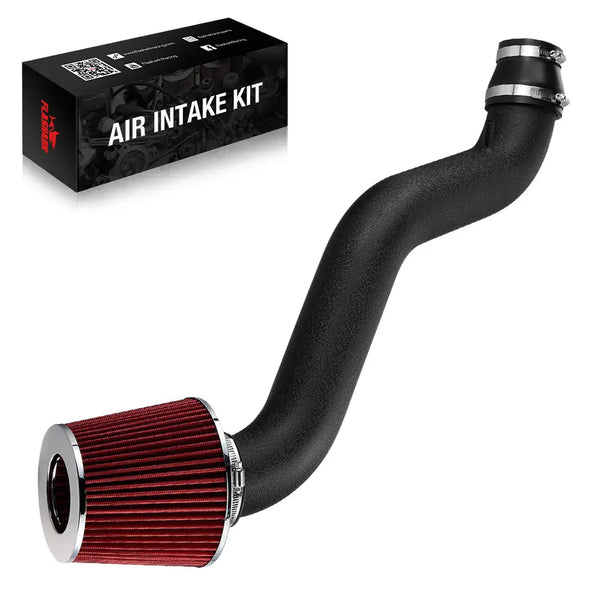
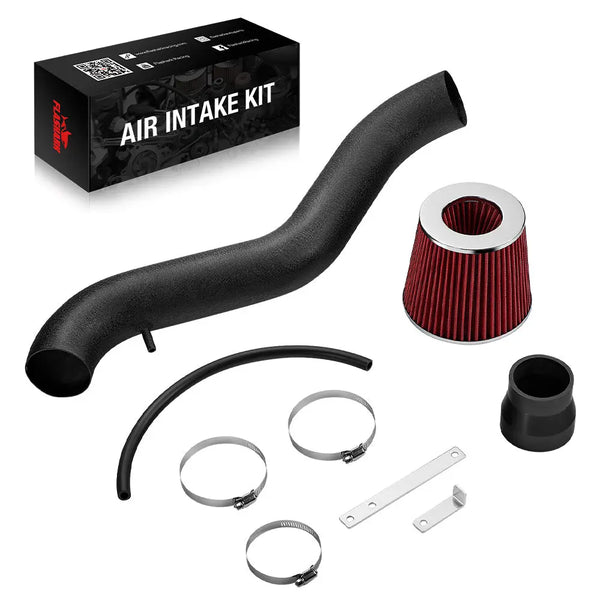
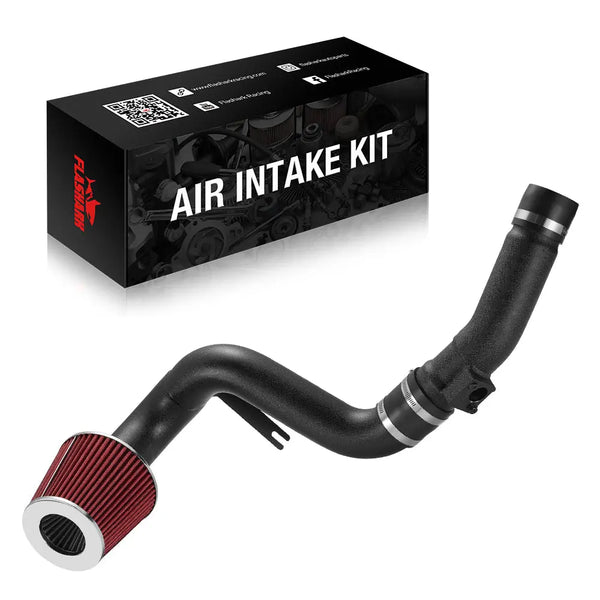
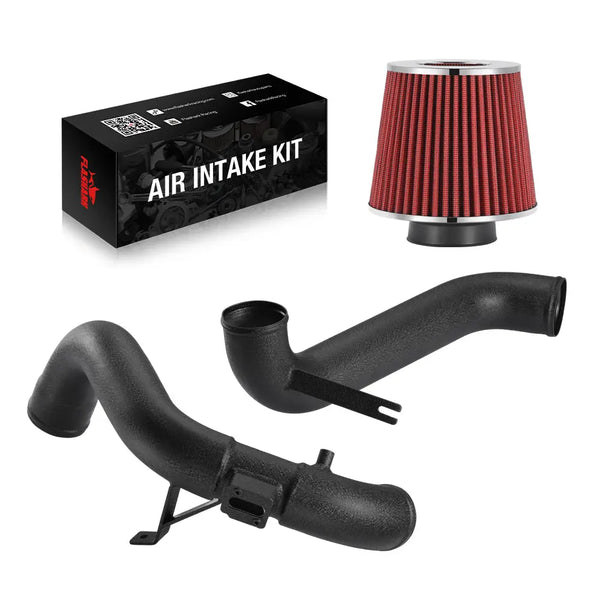
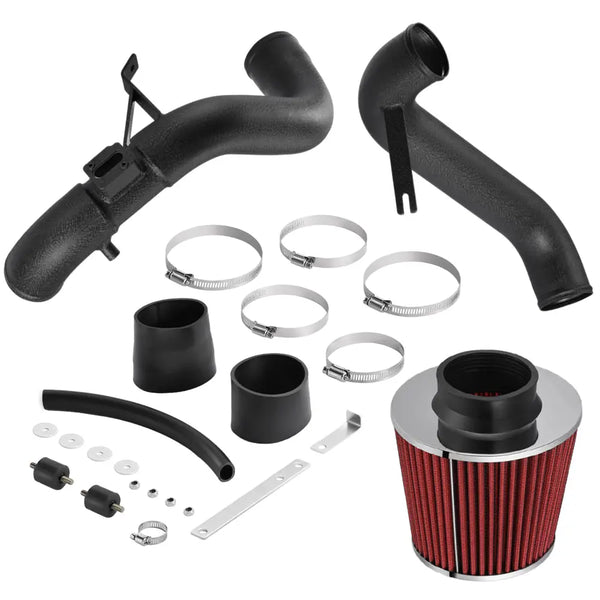
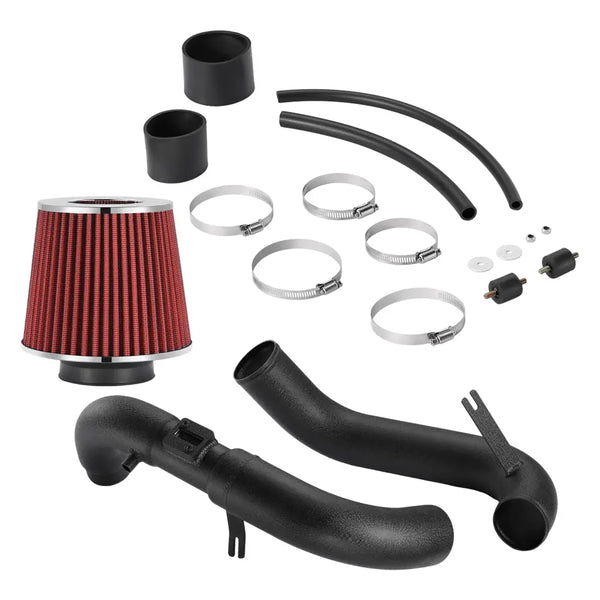
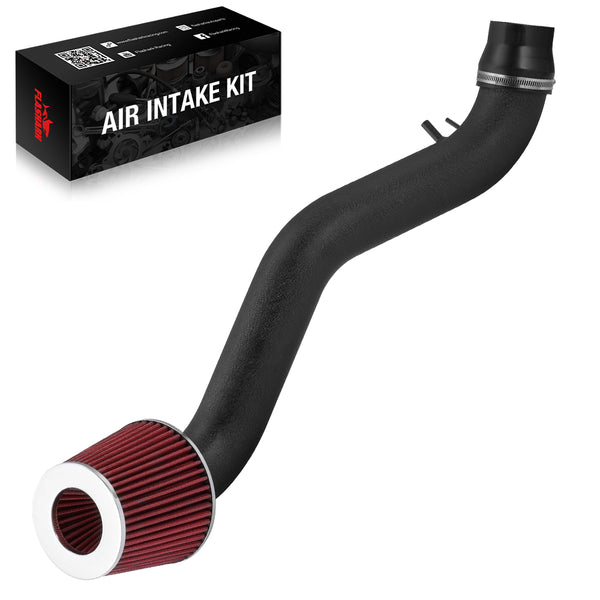
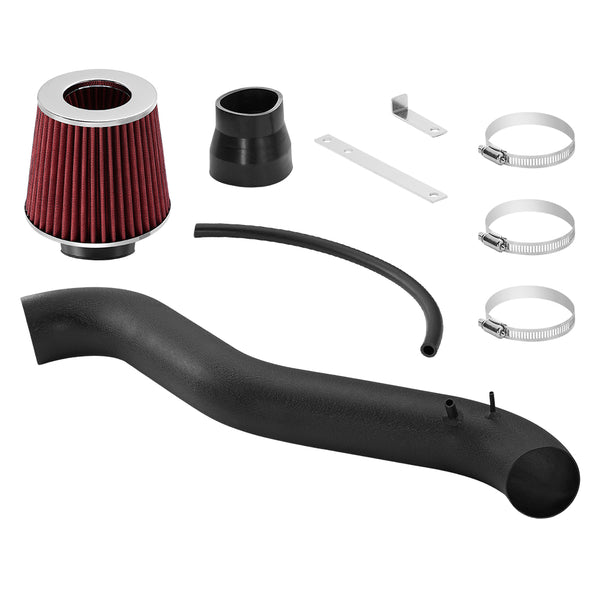
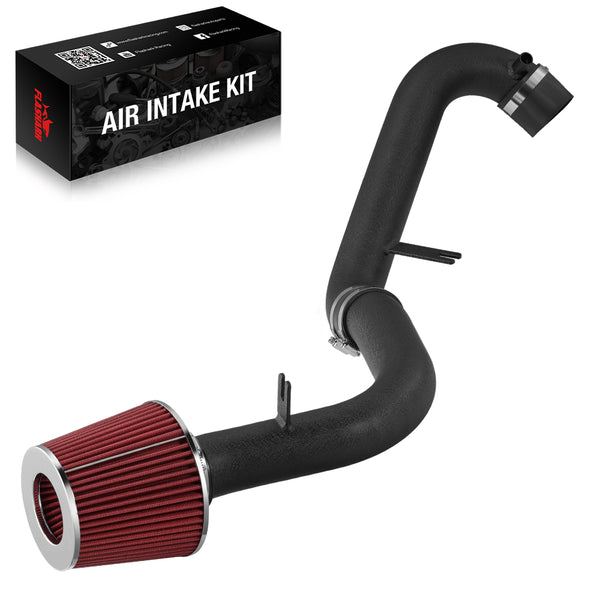
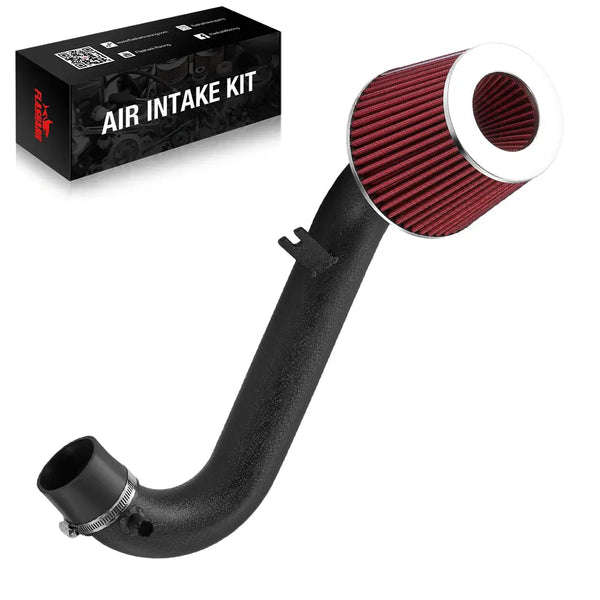
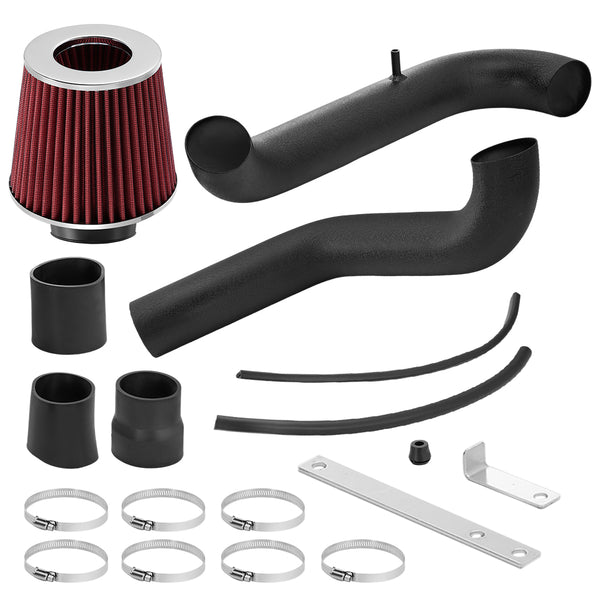
Compre kits de entrada de aire frío Honda para modelos Civic, Accord, CRX, Civic del Sol y S2000. Las opciones disponibles incluyen sistemas de filtro abierto, tomas de aire con protección térmica, diseños cerrados y configuraciones de admisión corta o larga para conductores que buscan un enrutamiento de admisión más directo y un sonido de inducción más notable.
La gama de adaptaciones actuales abarca desde plataformas Honda de finales de los 80 hasta aplicaciones turbo de 1.5L del Civic 2021, con opciones para motores de 1.5L, 1.6L, 1.7L, 1.8L, 2.0L, 2.2L, 2.3L y 2.4L de aspiración natural y turboalimentados. Explore los productos a continuación para comparar los diseños disponibles para su Honda.
Seleccione su modelo exacto, año del modelo y motor, luego confirme los detalles de ajuste indicados en la página del producto individual antes de realizar el pedido.

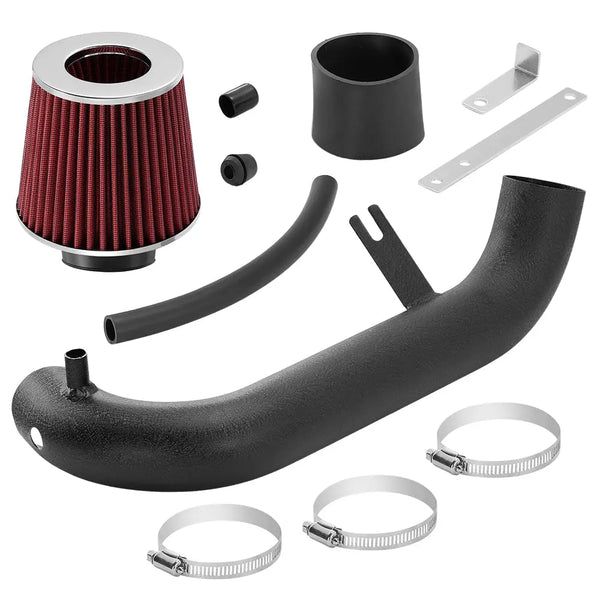
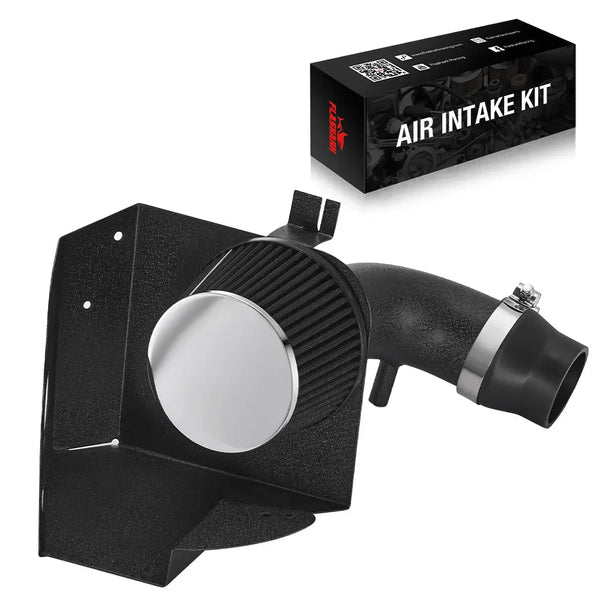
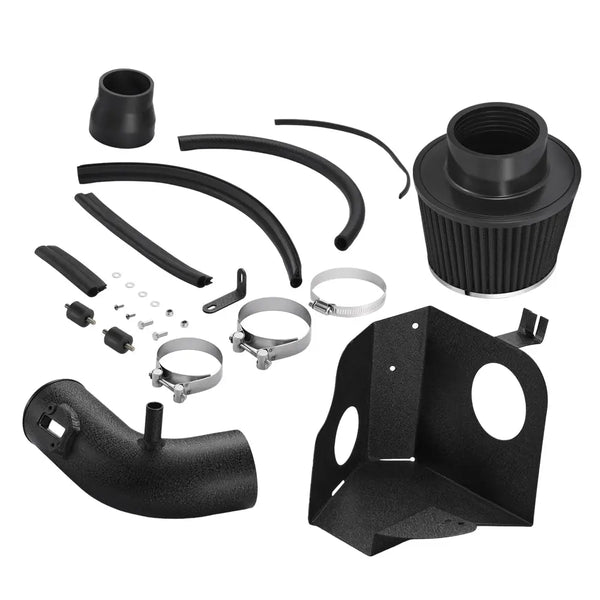
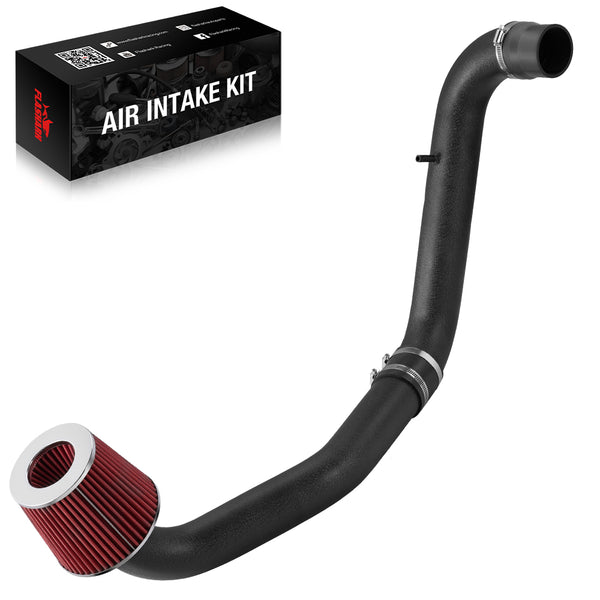


Comprar entradas de aire frío por marca: Dodge | GMC | Ford | Nissan | Volkswagen | Honda | Infiniti | Jeep | Toyota
Comprar por modelo: Entrada de aire frío Honda Civic
Compre kits de entrada de aire frío Honda para modelos Civic, Accord, CRX, Civic del Sol y S2000. Las opciones disponibles incluyen sistemas de filtro abierto, tomas de aire con protección térmica, diseños cerrados y configuraciones de admisión corta o larga para conductores que buscan un enrutamiento de admisión más directo y un sonido de inducción más notable.
La gama de adaptaciones actuales abarca desde plataformas Honda de finales de los 80 hasta aplicaciones turbo de 1.5L del Civic 2021, con opciones para motores de 1.5L, 1.6L, 1.7L, 1.8L, 2.0L, 2.2L, 2.3L y 2.4L de aspiración natural y turboalimentados. Explore los productos a continuación para comparar los diseños disponibles para su Honda.
Seleccione su modelo exacto, año del modelo y motor, luego confirme los detalles de ajuste indicados en la página del producto individual antes de realizar el pedido.
Cómo elegir un kit de admisión de aire frío Honda
Honda utilizó una amplia variedad de motores, diseños de chasis, estrategias de sensores, transmisiones y embalajes del compartimento del motor a lo largo de los años representados en esta página. Es por eso que comprar una admisión solo por la cilindrada del motor es una mala apuesta. Una admisión de Civic de 1.8L no se adapta automáticamente a todos los Honda de 1.8L, y dos automóviles con un motor de la serie K aún pueden necesitar tubos, lengüetas de montaje, conexiones de mangueras y provisiones de sensores completamente diferentes.
Olvídese del ruido del foro por un minuto. La forma correcta de comprar es mecánica: identifique el vehículo exacto, verifique el diseño de la admisión, compare cada punto de conexión y luego elija el diseño que se adapte a cómo se conduce realmente el automóvil.
Antes de comprar
- Esta es una colección a nivel de marca para aplicaciones Honda seleccionadas, no una página de ajuste universal.
- La mayoría de los productos son para modelos Civic; la cobertura de Accord, Prelude, CRX, Civic del Sol y S2000 es más limitada.
- Un tamaño de motor coincidente no garantiza soportes, sensores, mangueras, rutas de tubos o holguras de filtro coincidentes.
- Algunos kits utilizan un filtro abierto, otros utilizan una carcasa o escudo térmico, y los productos seleccionados ofrecen configuraciones de ramificación larga o ramificación corta.
- Verifique las restricciones de transmisión, el estilo de la carrocería, el acabado, las provisiones de sensores y la ubicación final del filtro antes de realizar el pedido.
- No asuma que cada admisión necesita una afinación, o que cada admisión está garantizada para funcionar correctamente sin una.
Ajuste de admisión de aire frío Honda por modelo y motor
La colección abarca más de tres décadas de vehículos Honda, pero la cobertura no está distribuida uniformemente. Las aplicaciones de Civic constituyen la mayor parte de la página. Los otros modelos son compatibles con un número menor de productos, por lo que los detalles de ajuste exactos de la página del producto importan aún más.
| Aplicación Honda | Años listados | Cobertura del motor mostrada | Qué debe verificarse |
|---|---|---|---|
| Civic y CRX | 1988–1991 | Aplicaciones seleccionadas de 1.6L y otras listadas | Diseño DPFI o MPFI, posición del cuerpo del acelerador, conexiones de vacío, estilo de la carrocería y ruta del tubo |
| Civic y Civic del Sol | 1992–1997 | 1.5L y 1.6L | Motor exacto, acabado, diseño del puerto de admisión, configuración de la carrocería y posición final del filtro |
| Civic | 1996–2000 | 1.6L, incluyendo aplicaciones D16 seleccionadas | DX, LX, CX, EX, HX, aplicación VTEC o no VTEC, conexiones de mangueras y puertos de sensores |
| Civic y Civic Si | 2001–2005 | 1.7L y aplicaciones Si de 2.0L seleccionadas | Diseño de 1.7L versus 2.0L, restricciones de transmisión manual, acabado, chasis y ubicación del cuerpo del acelerador |
| Civic Si | Aplicaciones seleccionadas de 2002–2011 | 2.0L | Generación exacta, chasis, motor, puntos de montaje y rango de años específico del producto |
| Civic | 2006–2011 | 1.8L SOHC | Exclusiones de Si e híbridos, opción de ramificación larga o corta, estilo de carrocería y holgura de transmisión |
| Civic y Civic Si | 2012–2015 | 1.8L y 2.4L Si | Civic estándar versus Si, sedán o coupé, familia de motores y cualquier aplicación Acura compartida listada en la página del producto |
| Civic 1.5T | Aplicaciones seleccionadas de 2016–2021 | Cuatro cilindros turboalimentado de 1.5L | Diseño abierto o cerrado, rango de años exacto, exclusiones de Civic Si, carcasa del MAF, dirección del sensor y configuración de la caja de aire |
| Accord y Prelude | Accord 1998–2002; Prelude 1997–2001 | Accord 2.3L L4 y aplicaciones listadas de Prelude 2.2L | Ajuste exacto del producto, motor, ruta del tubo, holgura de la carrocería y hardware incluido |
| S2000 | 2000–2005 | AP1 2.0L F20C y AP2 2.2L F22C1 | Aplicación AP1 o AP2, conexiones de sensores y respiraderos, ubicación del escudo y holgura del capó |
Para las aplicaciones de menor volumen, vaya directamente a la lista relevante en lugar de desplazarse por docenas de productos Civic. Revise el kit de admisión de aire frío para Honda Accord 2.3L L4 1998–2002 o el kit de admisión de aire frío para Honda S2000 2.0L/2.2L 2000–2005 y confirme cada línea del ajuste indicado antes de comprar.
Diseños de admisión Honda abiertos, cerrados, de ramificación larga y de ramificación corta
No todos los productos de esta página colocan el filtro en la misma ubicación. Algunos sistemas utilizan un filtro cónico abierto en el compartimento del motor con un escudo térmico. Otros utilizan una carcasa o una cubierta tipo caja de aire para separar el filtro de parte del calor circundante del compartimento del motor. Algunos kits Civic seleccionados también ofrecen opciones de ramificación larga o ramificación corta.
- Admisión abierta: Generalmente produce un sonido de inducción más obvio y facilita la inspección del filtro, pero el escudo térmico y el flujo de aire circundante son importantes.
- Admisión cerrada: Coloca más material alrededor del filtro y puede proporcionar una ruta de flujo de aire más controlada y un tono más silencioso que un filtro completamente expuesto.
- Diseño de ramificación larga: Utiliza una longitud de tubo adicional y puede colocar el filtro más lejos del cuerpo del acelerador. Se deben verificar cuidadosamente la holgura y la exposición al agua.
- Diseño de ramificación corta: Mantiene el tubo y el filtro más cerca del motor. La instalación puede ser más sencilla, pero el filtro puede estar expuesto a aire más cálido debajo del capó.
- Sistema con escudo térmico: Utiliza una barrera alrededor de parte del área del filtro. Un escudo es útil, pero no es lo mismo que una caja de aire de fábrica completamente sellada.
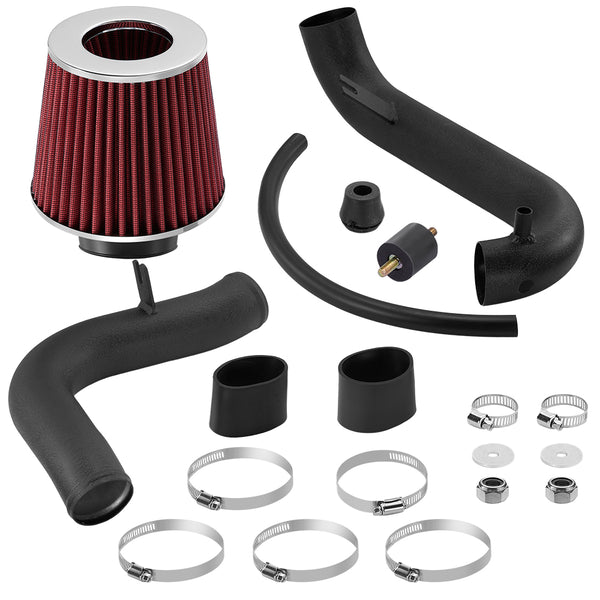
Una cosa más: un kit con dos secciones de tubo de aluminio no es automáticamente un sistema de admisión dual. Si ambas secciones forman una ruta a un cuerpo del acelerador y un filtro, sigue siendo un diseño de admisión única. Los productos Honda de esta colección no deben confundirse con los sistemas de doble cuerpo del acelerador o de doble MAF utilizados en otros vehículos.
Por qué motores Honda similares no garantizan el mismo ajuste de admisión
Honda reutilizó familias de motores, cilindradas y nombres de acabados familiares en varios chasis. Eso hace que los catálogos de piezas parezcan más simples de lo que realmente son. Sin embargo, debajo del capó, la ubicación de la batería, el ángulo del cuerpo del acelerador, las líneas de refrigerante, las cajas de transmisión, las cajas de fusibles, los soportes del radiador, los soportes y las ubicaciones de los sensores pueden moverse lo suficiente como para que un tubo de admisión falle por pulgadas.
La gama Civic 2001–2005 es un buen ejemplo. Un Civic 1.7L y un Civic Si 2.0L no comparten la misma ruta de admisión solo porque ambos aparecen bajo el nombre Civic. La posición del motor, la ubicación del cuerpo del acelerador, el empaquetado del chasis y la geometría del tubo requerida difieren. Una restricción de transmisión manual también es importante cuando la admisión pasa cerca de la caja de cambios o de los soportes cercanos.
La misma precaución se aplica a los productos Civic 2012–2015. Un Civic 1.8L estándar y un Civic Si 2.4L requieren hardware diferente. Algunos productos 2.4L también pueden listar una aplicación Acura ILX debido a la arquitectura de tren motriz compartida, pero eso no hace que todas las admisiones de Civic e ILX sean intercambiables. La lista de ajuste específica del producto, no el nombre del motor compartido, tiene la última palabra.
Verificaciones de instalación de la admisión Honda antes de realizar el pedido
Antes de gastar dinero, abra el capó y compare la admisión original con las fotos del producto. No se limite a mirar la tubería pulida y decir que es lo suficientemente parecida. Verifique los detalles aburridos. Esos son los detalles que deciden si el coche vuelve a la carretera esa tarde o se queda en la entrada con la caja de aire de fábrica medio quitada.
- Confirme el año del modelo completo, el modelo, el acabado y el estilo de la carrocería.
- Verifique la cilindrada del motor y el código del motor cuando la lista proporcione uno.
- Verifique si el kit está restringido a una transmisión manual o automática.
- Compare el ángulo del cuerpo del acelerador y la ruta aproximada del tubo.
- Cuente las conexiones de la manguera de ventilación, vacío y auxiliar.
- Identifique cada sensor montado en o cerca del tubo de admisión original.
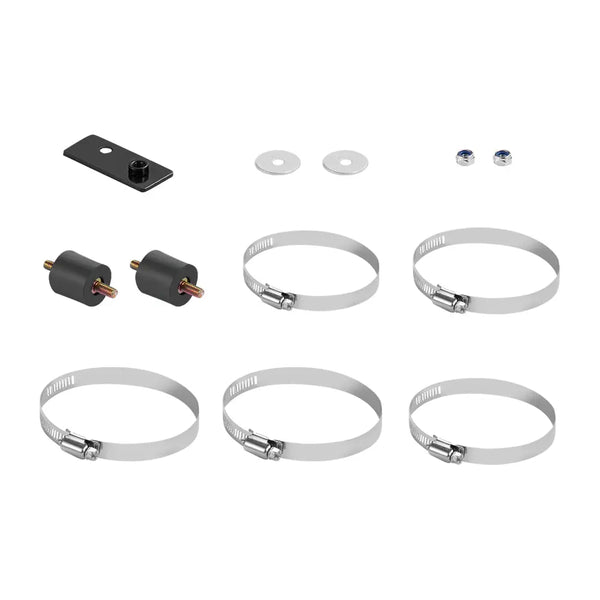
- Verifique si el kit incluye el orificio del sensor, el ojal, el adaptador y los soportes de montaje requeridos.
- Inspeccione la holgura alrededor de la batería, el soporte del radiador, la caja de fusibles, el capó, la transmisión y las mangueras de refrigeración.
- Confirme si la variante seleccionada es abierta, cerrada, de ramificación larga o de ramificación corta.
- Verifique dónde se colocará el filtro y si el protector contra salpicaduras de fábrica debe permanecer instalado.
Conserve la admisión de fábrica hasta que el nuevo sistema esté completamente instalado, el capó cierre sin contacto, el motor funcione al ralentí correctamente y una prueba en carretera confirme que no hay mangueras, cables o acopladores rozando. Tirar las piezas originales el primer día es cómo un pequeño problema de ajuste se convierte en un dolor de cabeza costoso.
Nota del mecánico: Diagnostique la instalación antes de culpar a la admisión
Aquí está la regla del taller: cuando un Honda desarrolla un ralentí irregular, vacilación o la luz de verificación del motor se enciende inmediatamente después de la instalación de una admisión, comience con las piezas que se tocaron. Verifique que cada acoplador esté asentado a su profundidad máxima, que cada abrazadera esté detrás del cordón del tubo, que cada manguera de ventilación esté conectada y que cada conector de sensor esté bloqueado. Luego verifique la dirección del sensor. Un sensor MAF instalado al revés puede crear un problema que ninguna cantidad de ajuste de abrazadera solucionará.
Con el motor completamente caliente, escanee los ajustes de combustible a corto y largo plazo al ralentí y nuevamente cerca de 2,500 rpm sin carga. Como regla práctica de detección, y no una especificación de fábrica de Honda, una corrección combinada que se mantenga cerca de ±5% es generalmente aceptable, mientras que una corrección repetida más allá de aproximadamente +10% merece investigación. Una corrección positiva que es peor al ralentí y mejora a medida que aumentan las rpm a menudo apunta a una fuga de vacío o de aire no medido. Una corrección que empeora a medida que aumenta el flujo de aire puede indicar un problema de la carcasa del sensor, la orientación del sensor o la medición del flujo de aire.
No empiece a comprar sensores de oxígeno, inyectores o una ECU porque una luz de advertencia apareció cinco minutos después de instalar la admisión. Lea el código de falla, inspeccione la instalación, revise los datos en vivo y solucione primero la causa física.
Sonido y expectativas de rendimiento de la admisión de aire frío Honda
El cambio más predecible es el sonido. Un filtro cónico abierto generalmente hace que la nota de inducción del motor sea más obvia cuando se abre el acelerador. En un Civic de aspiración natural, eso puede significar un gruñido más agudo durante la aceleración. En un Civic turbo de 1.5L, el conductor también puede escuchar más ruido del compresor, del bypass o del flujo de aire, según el diseño de la admisión.
Los sistemas cerrados generalmente suavizan ese efecto en comparación con un filtro completamente expuesto. Los sistemas de ramificación corta pueden sonar agresivos porque el filtro se encuentra cerca del motor y del cuerpo del acelerador. Los sistemas de ramificación larga pueden producir una nota de admisión más profunda, pero el resultado exacto depende de la longitud del tubo, el diámetro, la posición del filtro, la carga del motor, la configuración del escape y el aislamiento de la cabina.
Las afirmaciones de potencia requieren una cabeza más fría. Los resultados de la admisión varían con la restricción de la caja de aire de fábrica, la calibración del motor, la estrategia del sensor, el diámetro del tubo, la temperatura ambiente, la condición del filtro, las modificaciones del escape, el nivel de sobrealimentación y el método de prueba. Sin una línea de base del mismo coche y una nueva prueba en condiciones controladas, un número de caballos de fuerza fijo es solo una afirmación de ventas. La selección de productos Flashark debe basarse primero en el ajuste correcto, la construcción, el enrutamiento y el uso previsto, no en un número pico no verificado impreso junto a la imagen de un producto.
Lo mismo se aplica a la respuesta del acelerador y la economía de combustible. Un sistema correctamente diseñado puede cambiar la rapidez con la que el motor suena y se siente cuando se presiona el pedal, pero un ruido de inducción más fuerte puede hacer que un coche se sienta más sensible incluso cuando la aceleración medida apenas cambia. La economía de combustible puede moverse en cualquier dirección porque el estilo de conducción a menudo cambia una vez que la admisión se vuelve más ruidosa.
Consideraciones de MAF, MAP, CEL y afinación
No asuma que todos los Honda en esta página miden el flujo de aire de la misma manera. Algunas aplicaciones de aspiración natural dependen principalmente de la presión absoluta del colector, la temperatura del aire de admisión, la posición del acelerador, la velocidad del motor y los datos programados de eficiencia volumétrica. Otras aplicaciones, especialmente las plataformas turboalimentadas posteriores, pueden ser sensibles al diámetro de la carcasa del MAF, la ubicación del sensor, la dirección del sensor y la turbulencia alrededor del elemento sensor.
Esa distinción es importante. En una configuración basada en MAP, un problema de admisión puede provenir de una manguera desconectada, una fuga de vacío, un sensor de temperatura del aire de admisión incorrectamente colocado o un control de ralentí alterado. En una configuración equipada con MAF, cambiar el diámetro efectivo de la carcasa o colocar el sensor en una sección turbulenta del tubo puede alterar la lectura del flujo de aire incluso cuando no hay una fuga obvia.
Una admisión correctamente instalada no debe venderse con una promesa general de que la luz de verificación del motor es imposible. Las causas comunes después de la instalación incluyen:
- Un acoplador o abrazadera sueltos.
- Una manguera de ventilación o vacío abierta.
- Un sensor MAF instalado al revés.
- Un anillo tórico o una arandela de sensor dañados.
- Un conector que parece conectado pero no está completamente bloqueado.
- Un diámetro de carcasa MAF incompatible.
- Un tubo que roza contra el cableado hasta que el aislamiento se daña.
- Una afinación que ya no coincide con el diámetro de admisión actual o la configuración del flujo de aire.
Muchas aplicaciones de motores de serie están diseñadas para funcionar sin recalibración cuando se instala el kit correcto exactamente como se diseñó. Esa no es una regla universal. La sintonización se vuelve más relevante cuando la admisión cambia sustancialmente la escala del MAF, el turbocompresor funciona con mayor presión, el coche tiene inyectores más grandes o se han combinado varias modificaciones del flujo de aire.
Advertencia: Exposición al agua y cumplimiento de emisiones
Un filtro de montaje bajo puede ingerir agua si se sumerge. La lluvia normal no es lo mismo que conducir a través de agua estancada profunda, pero la falta de protectores contra salpicaduras, los revestimientos dañados del guardabarros interior, las carreteras inundadas y el lavado a presión directamente en el filtro aumentan el riesgo. El agua no se comprime dentro de un motor en funcionamiento. Suficiente cantidad puede doblar una biela.
La legalidad de la admisión también varía según el estado y la región. Que una pieza sea físicamente instalable no la hace automáticamente compatible con las emisiones para todos los vehículos de carretera. Consulte las normas locales, los requisitos de inspección y la información individual del producto antes de pedir o instalar una admisión de posventa.
Lluvia, riesgo de bloqueo hidráulico y mantenimiento del filtro
La ubicación del filtro importa más que la etiqueta de marketing. Un filtro situado en la parte alta del compartimento del motor detrás de un escudo tiene un riesgo de exposición al agua diferente al de uno situado en la parte baja detrás del parachoques o del guardabarros interior. Mantenga los paneles de salpicaduras de fábrica en su lugar a menos que las instrucciones del producto requieran específicamente un cambio, e inspeccione los filtros de montaje bajo después de tormentas severas o cualquier conducción a través de agua inusualmente profunda.
El mantenimiento del filtro también depende del medio filtrante real. Un filtro sintético seco y un filtro de algodón aceitado no deben ser mantenidos de la misma manera. Antes de limpiar, identifique el tipo de filtro suministrado con el producto.
- Elimine los residuos superficiales sueltos sin rasgar ni aplastar los pliegues.
- Utilice un limpiador aprobado para el medio filtrante específico.
- Enjuague solo en la dirección recomendada por el fabricante del filtro.
- Deje que el filtro se seque completamente antes de reinstalarlo.
- Nunca use aire comprimido a corta distancia porque puede dañar el medio.
- No aplique aceite a un filtro seco.
- No aplique demasiado aceite a un filtro aceitado, especialmente cerca de un sensor MAF sensible.
- Reemplace un filtro con pliegues dañados, una brida agrietada o un cuello de montaje suelto.
No existe un intervalo de limpieza honesto y universal. Un coche de uso diario en carreteras pavimentadas puede pasar mucho más tiempo entre servicios que un vehículo conducido a través de polvo, zonas de construcción o polen denso. Inspeccione el filtro en lugar de esperar a un número genérico de kilometraje.
Guía final de compra
Elija la entrada de aire frío Honda adecuada por ajuste primero y por diseño segundo. Comience con el modelo y el motor exactos, reduzca los resultados por año y versión, luego compare las disposiciones de los sensores, las conexiones de las mangueras, el enrutamiento de los tubos, la posición del filtro y las restricciones de transmisión. Solo después de que se hayan verificado esos puntos, el color, el sonido, el estilo de la caja o la longitud del tubo deben influir en la decisión.
Los propietarios de Civic deben continuar a través de la Colección de tomas de aire frío para Honda Civic para reducir el catálogo. Los propietarios de Accord, Prelude, CRX, Civic del Sol y S2000 deben usar las páginas de productos individuales como referencia final de ajuste porque esas aplicaciones actualmente tienen menos productos y una cobertura más específica.
Preguntas frecuentes sobre la entrada de aire frío de Honda
P1: ¿Qué modelos de Honda están cubiertos por esta colección?
R1: Esta colección incluye actualmente ajustes seleccionados para los modelos Honda Civic, Accord, Prelude, CRX, Civic del Sol y S2000. La cobertura no es universal en cada año, versión o motor, por lo que la página de producto individual sigue siendo la referencia final de ajuste.
P2: ¿Cómo confirmo que una admisión es compatible con mi Honda?
R2: Coincida el año exacto del modelo, el modelo, la versión, la cilindrada del motor o el código del motor, la transmisión donde se indique y el estilo de la carrocería. Luego compare las fotos del producto, las provisiones de los sensores, las conexiones de las mangueras de ventilación, los puntos de montaje y la configuración de la admisión con el sistema original antes de realizar el pedido.
P3: ¿Son todos los productos de esta página verdaderas tomas de aire frío?
R3: No. La colección incluye diseños tradicionales de aire frío, tomas abiertas con protección térmica, sistemas de admisión cerrados y variantes seleccionadas de admisión larga o corta. La posición final del filtro y la configuración del producto importan más que solo la etiqueta.
P4: ¿Pueden dos modelos de Honda con el mismo motor usar la misma admisión?
R4: No automáticamente. Dos vehículos pueden compartir una familia de motores o cilindrada mientras usan diferentes posiciones del cuerpo del acelerador, soportes, ubicaciones de sensores, enrutamiento de mangueras, ubicación de la batería o espacio disponible. Utilice la lista de ajuste específica del producto en lugar de asumir la intercambiabilidad.
P5: ¿Una toma de aire frío de Honda requiere una afinación?
R5: Muchas aplicaciones de motores de serie están diseñadas para funcionar sin afinación cuando se instalan correctamente, pero esa no es una garantía para toda la colección. Los requisitos de afinación dependen de la plataforma, la carcasa del sensor, el diámetro de la admisión, el nivel de sobrealimentación y otras modificaciones del flujo de aire.
P6: ¿Una admisión puede causar la luz de "check engine" o un ralentí irregular?
R6: Puede hacerlo si la instalación introduce una fuga de aire, deja una manguera de ventilación desconectada, coloca un sensor en la dirección incorrecta, daña el cableado o utiliza una carcasa de sensor incompatible. Verifique la instalación y los datos de escaneo antes de reemplazar piezas.
P7: ¿Todos los vehículos Honda de esta colección utilizan un sensor MAF?
R7: No. Esta colección incluye aplicaciones que dependen principalmente de cálculos de carga basados en MAP y otras que son más sensibles a las dimensiones de la carcasa del MAF y la medición del flujo de aire. Siga las instrucciones del sensor para el producto y vehículo exactos.
P8: ¿Qué cambio de sonido debo esperar?
R8: Espere un tono de inducción más notorio bajo aceleración. Los diseños de elemento abierto y de admisión corta suelen ser más ruidosos, mientras que los sistemas cerrados tienden a suavizar el sonido. El volumen de la cabina aún varía con el motor, la configuración del escape y la carga del acelerador.
P9: ¿Puede una toma de aire frío causar un bloqueo hidráulico?
R9: El riesgo de bloqueo hidráulico aumenta cuando un filtro de montaje bajo se sumerge y el motor aspira agua. La lluvia normal no es lo mismo que conducir a través de agua estancada profunda, pero los protectores contra salpicaduras deben permanecer instalados y los filtros bajos deben inspeccionarse después de un clima severo.
P10: ¿Cómo mantengo un filtro de admisión reutilizable?
R10: Primero identifique si el filtro es seco o aceitado. Límpielo solo con un método aprobado para ese medio filtrante, déjelo secar completamente y evite el exceso de aceite porque el exceso de aceite puede contaminar los sensores cercanos en aplicaciones sensibles.


