





 Product Specifications
2004-2007 Cadillac CTS-V Cold Air Intake Kit (LS6 5.7L & LS2 6.0L V8)
The first-generation Cadillac CTS-V put a genuine Corvette-derived pushrod V8 into a luxury sport sedan. From 2004 to 2005 that engine was the LS6 5.7L V8, rated at 400 hp; from 2006 to 2007 it was the LS2 6.0L V8, also rated at 400 hp. GM engineered the factory airbox around Cadillac's noise, vibration, and harshness targets rather than around airflow, which is why the stock intake is heavily baffled and why it muffles the sound these engines make at full throttle.
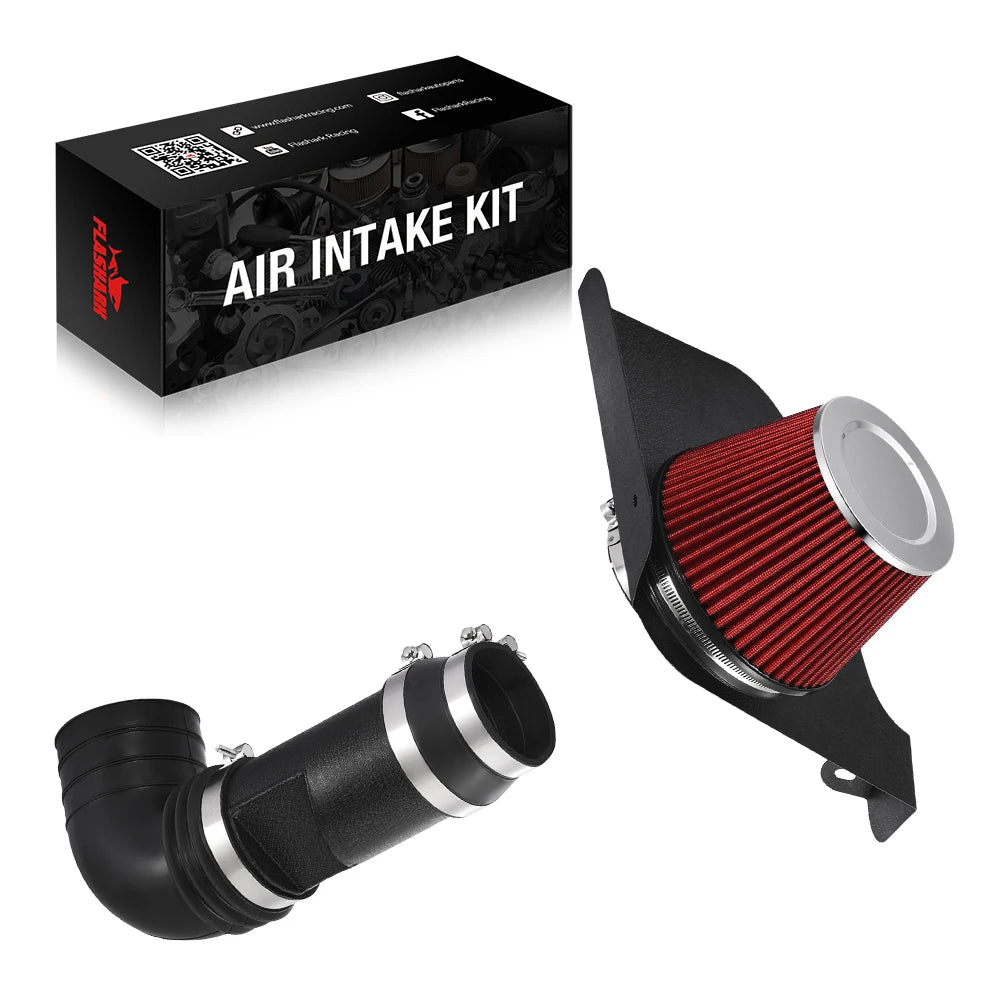
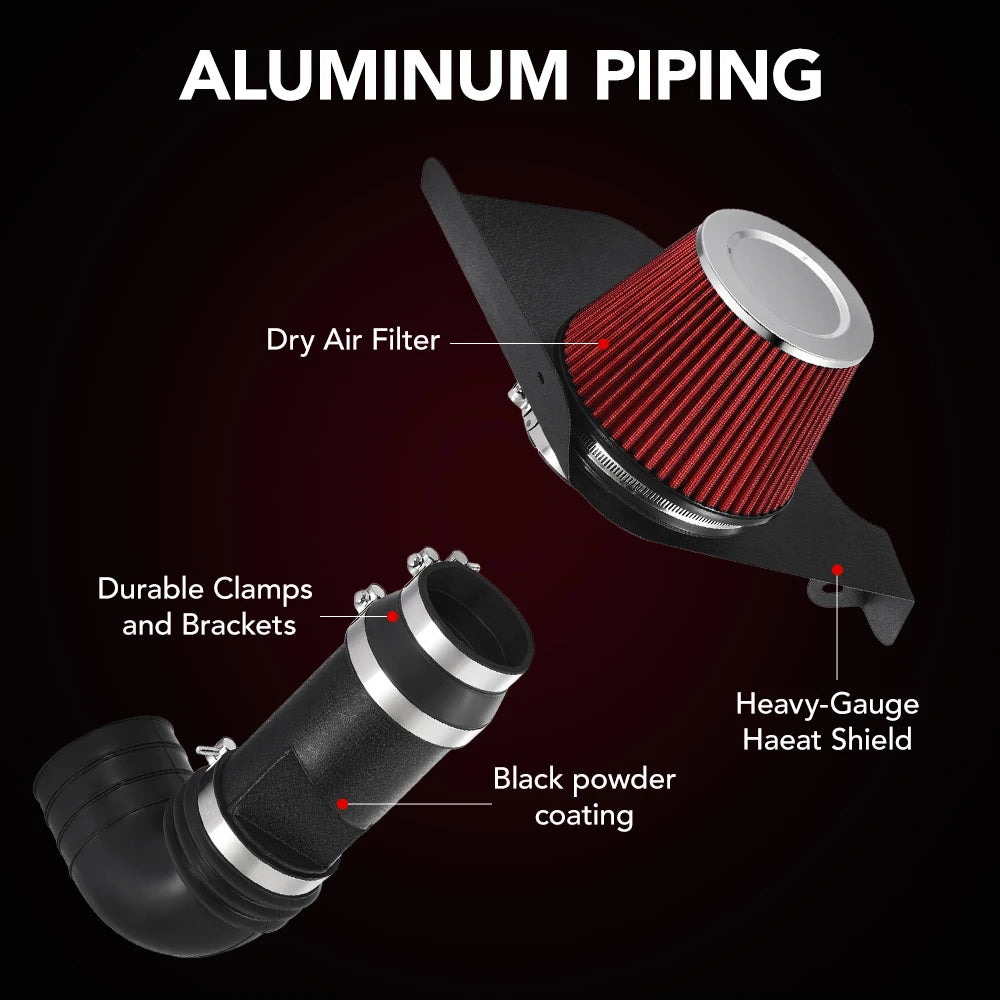
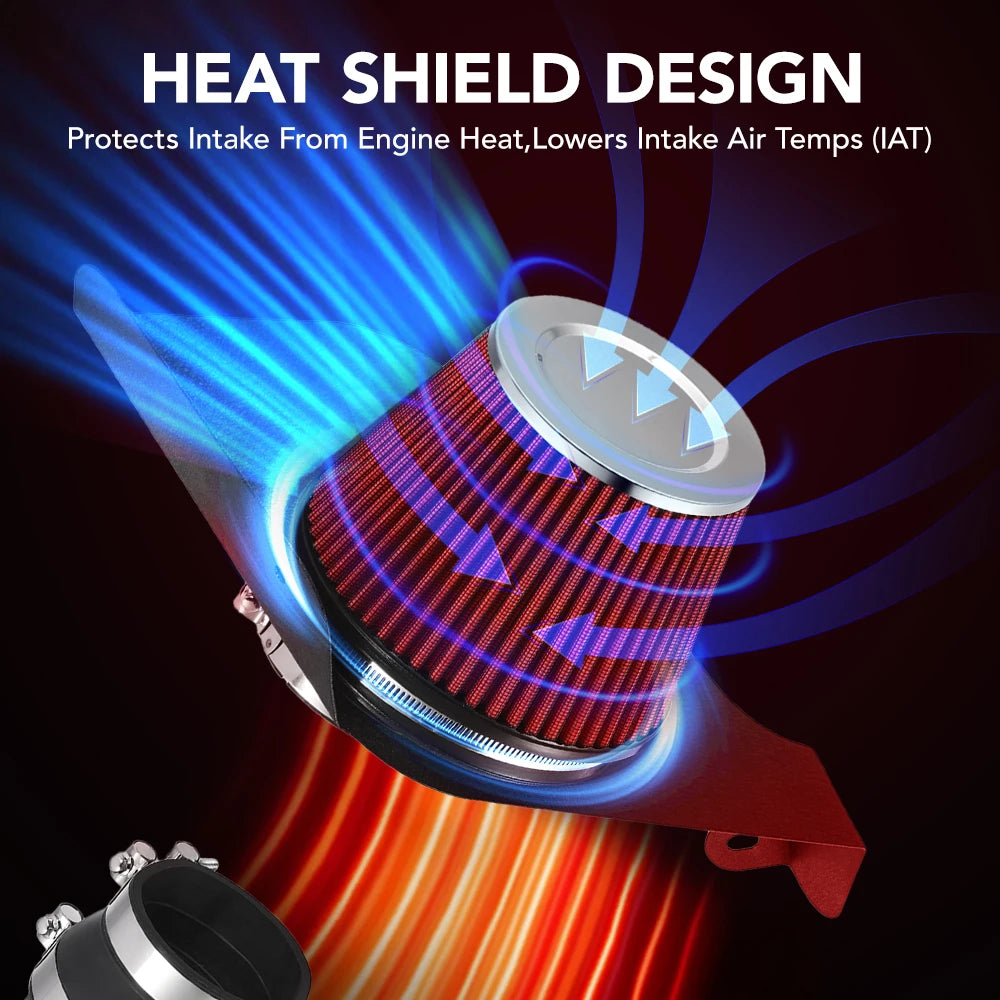
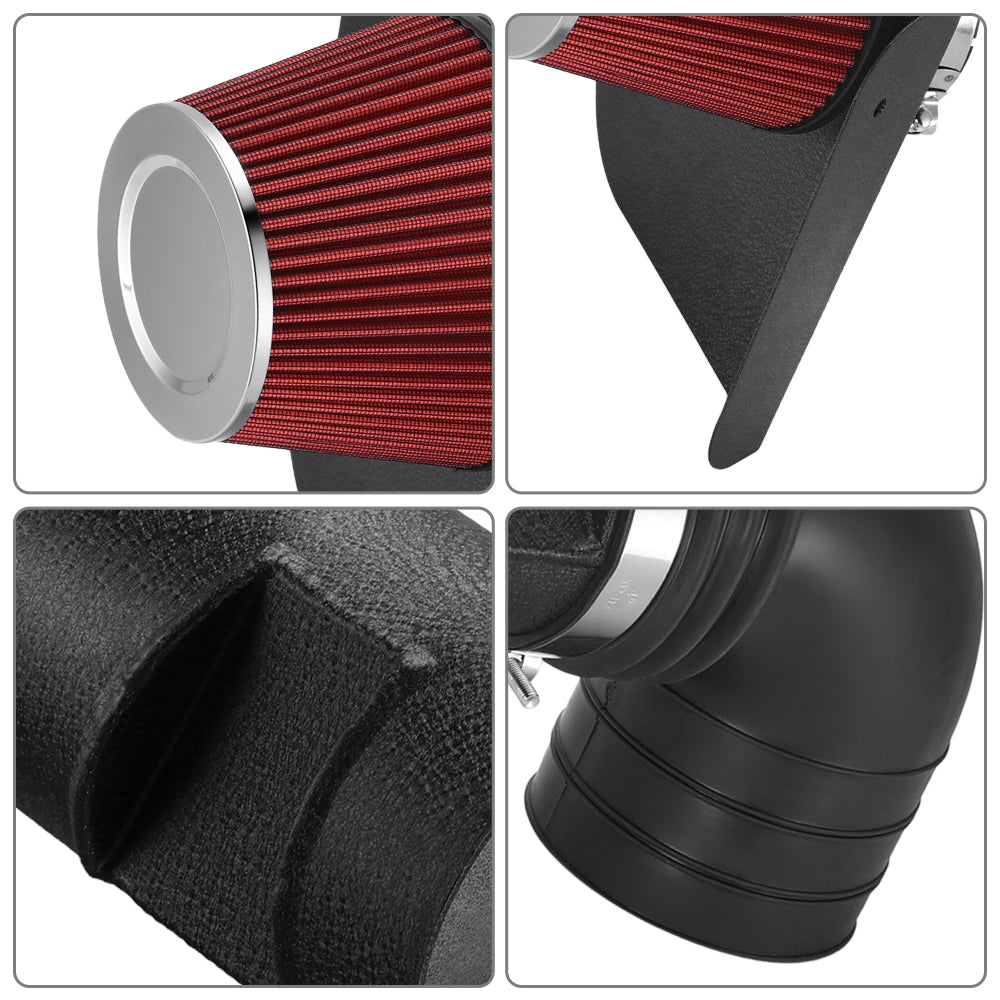
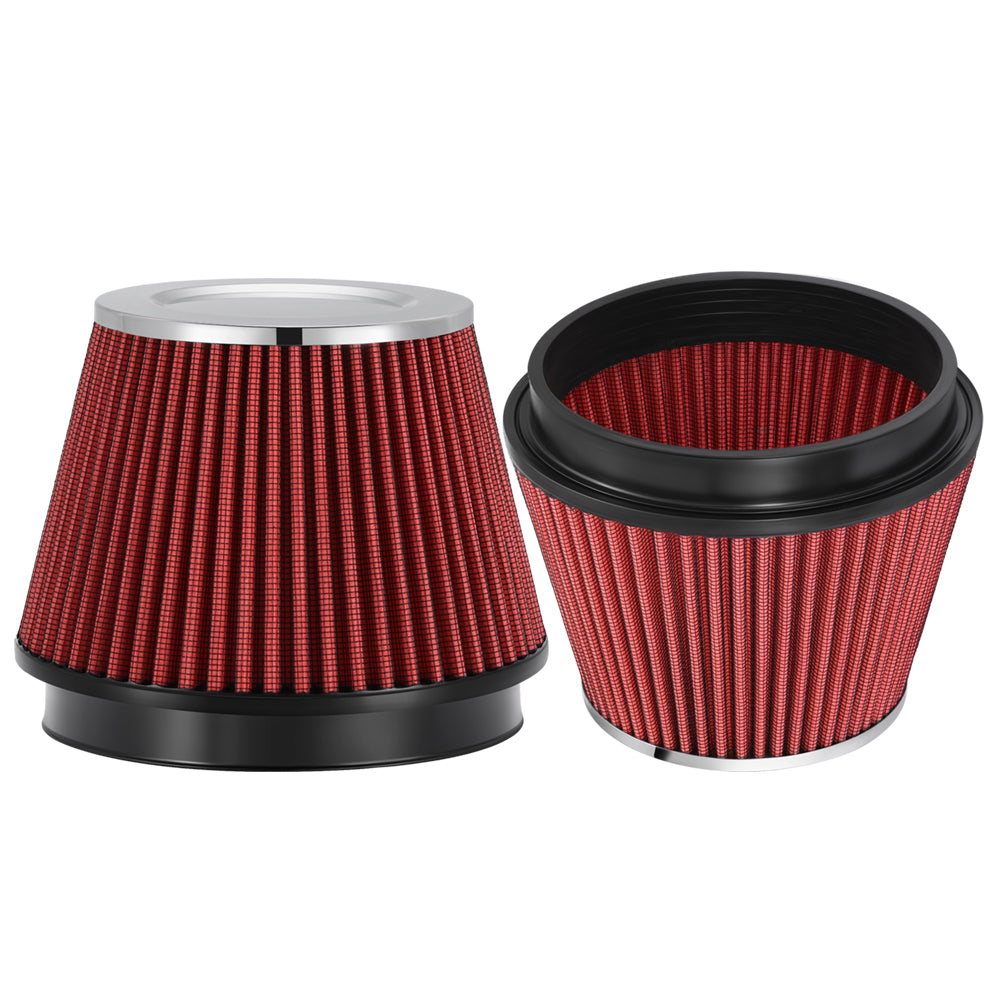
This Flashark kit replaces the factory airbox and intake tube with a 6061 aluminum mandrel-bent intake pipe and a reusable, open-element cotton cone filter. A formed steel heat shield sits between the filter and the exhaust manifold, and the kit reuses the factory MAF sensor housing and the original mounting points. On a stock LS6 or LS2 the engine note changes from luxury-car quiet to the deep, resonant induction growl these pushrod V8s are known for, and throttle response is the change owners notice first.
Installation is a bolt-on job that takes 45-75 minutes with basic hand tools, with no cutting, drilling, or permanent modification to the car.
Specifications
| Brand | Flashark |
|---|---|
| SKU | FLIS25077 |
| Compatible Vehicles | 2004-2007 Cadillac CTS-V (LS6 5.7L & LS2 6.0L V8) |
| Pipe Material | 6061 aluminum |
| Intake Pipe Diameter | 4 in (101 mm) — product-page specification |
| Kit Pipe Size | 3.5 in (89 mm) approximate — as stated in the kit contents |
| Pipe Wall Thickness | 1.5 mm |
| Filter Type | Dual-layer oiled cotton gauze, washable and reusable |
| Filter Color | Red |
| Heat Shield Material | Formed steel, black powder-coated |
| Coupler Material | 3-ply reinforced silicone |
| Clamp Type | Stainless steel worm-gear hose clamps |
| MAF Sensor | Retains the factory MAF sensor in its OEM housing and position |
| Installation Difficulty | No cutting, drilling, or permanent modification |
| Installation Time | 45-75 minutes |
| Weight | Approximately 5 lbs |
Key Features
- 6061 aluminum intake pipe: Mandrel-bent for a smooth internal path with no crush-bent restrictions, with a polished finish that suits a factory-plus engine bay.
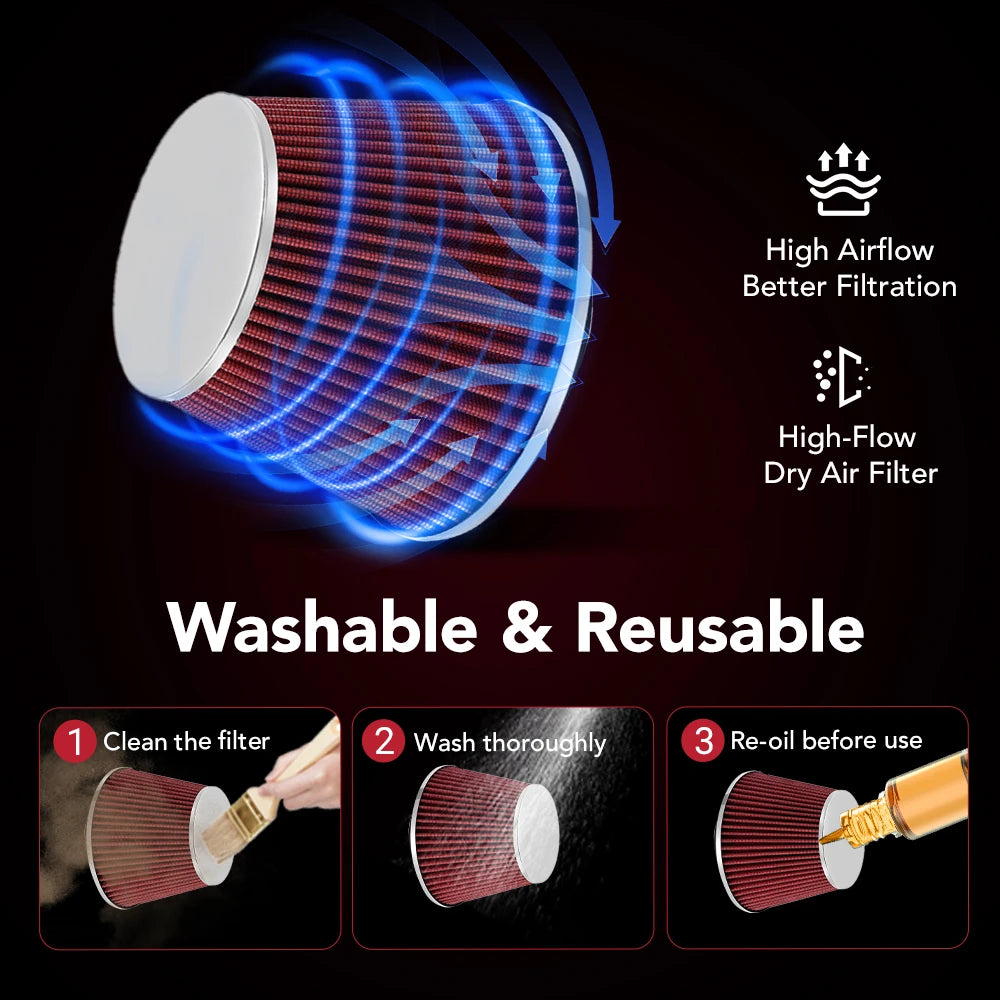
- High-flow reusable cotton cone filter: Dual-layer pleated cotton gauze captures contaminants while flowing well past the factory paper panel filter, and it is washable and reusable — service it every 15,000-20,000 miles.
- Direct bolt-on design: Uses the OEM MAF sensor housing and the factory mounting points, so no cutting, drilling, or permanent modification is required.
- Fits both LS6 and LS2: Built for the OEM MAF-style intake layout that the 2004-2005 LS6 and the 2006-2007 LS2 CTS-V share, so one kit covers both engines.
- Sharper throttle response: The larger-diameter, straight-path intake tube eliminates the factory airbox's multi-chamber baffling, the design feature that creates the airflow hesitation at tip-in.
- LS V8 induction sound: The open-element filter and rigid aluminum pipe deliver the deep, resonant intake growl these pushrod V8s are known for — quiet at a steady cruise, authoritative under throttle.
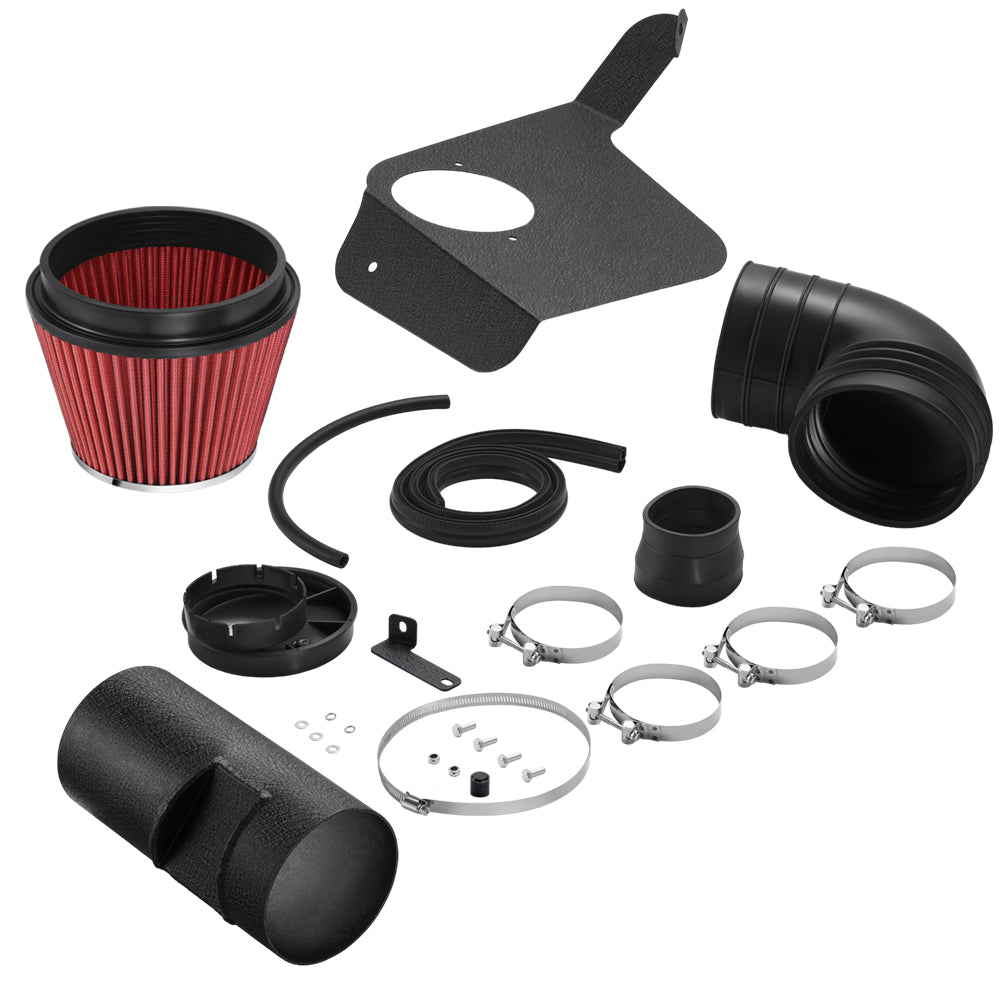
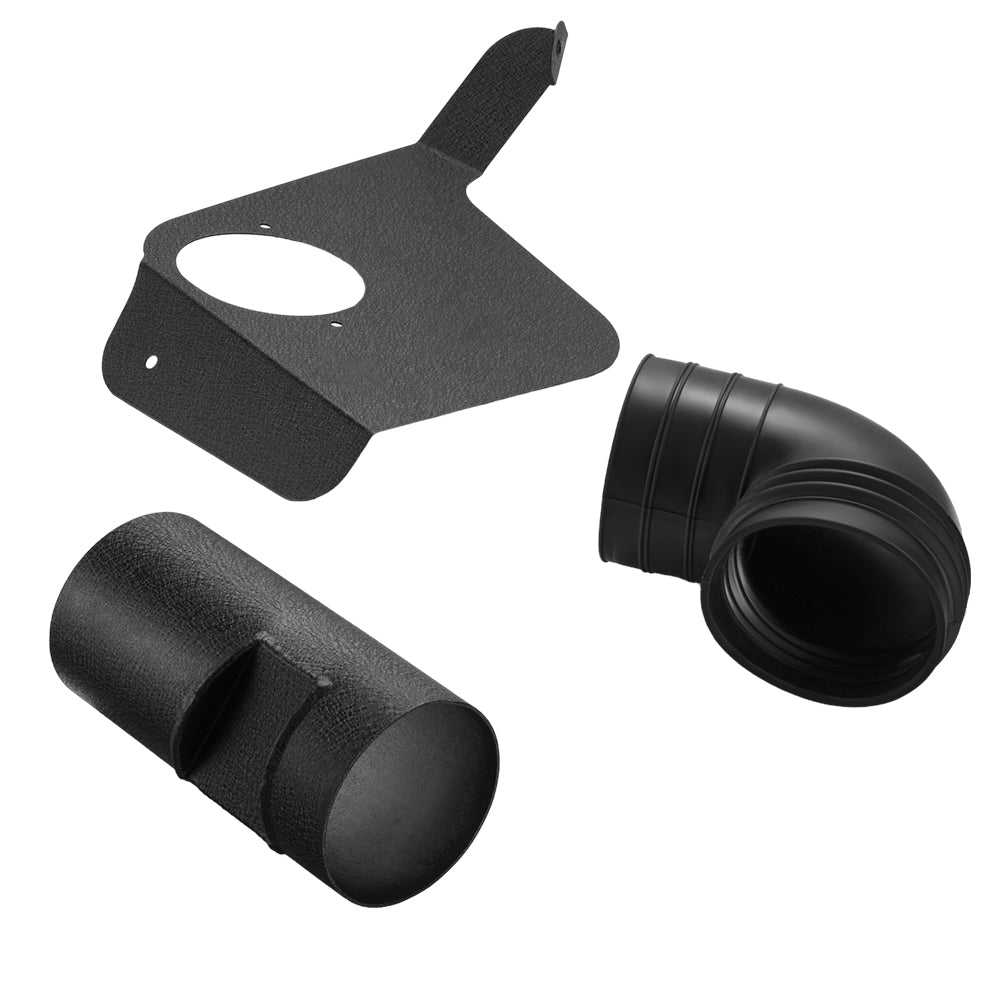
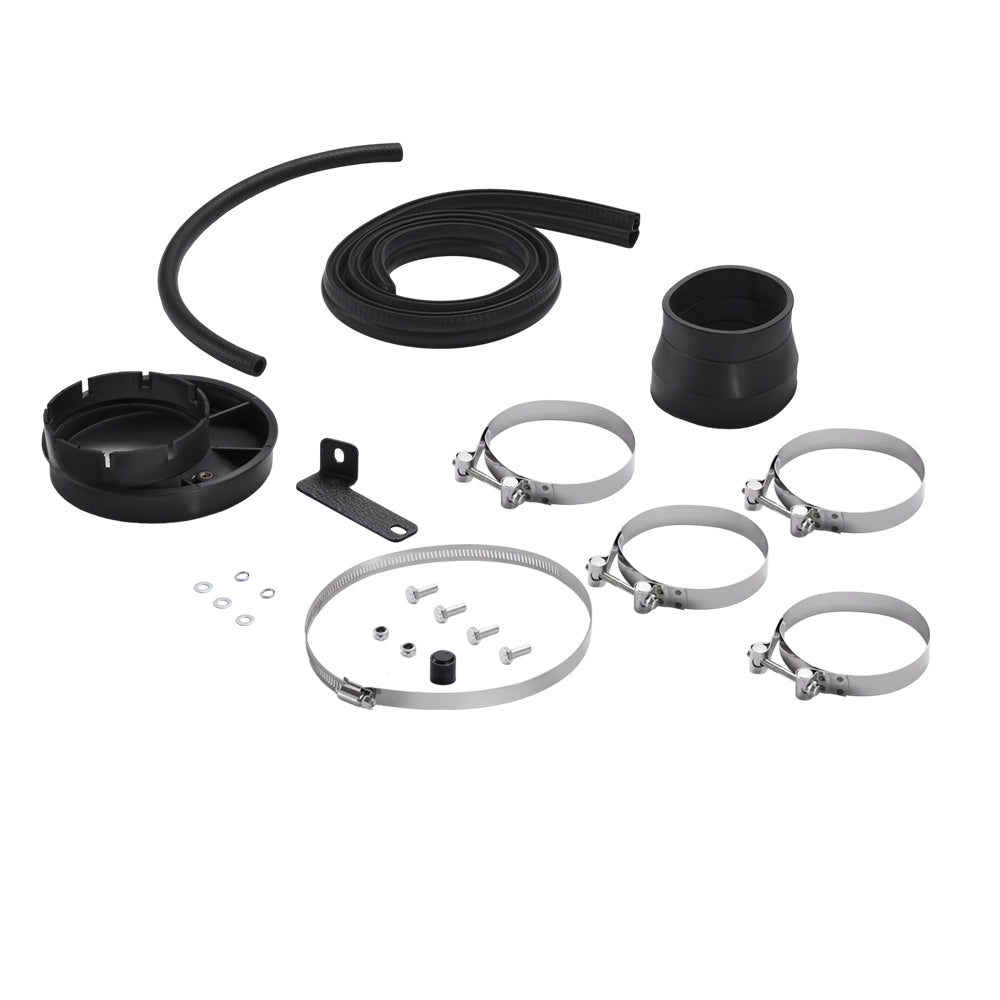
- Complete kit: Ships with the intake pipe, cone filter, heat shield, silicone couplers, stainless steel hose clamps, and the mounting hardware the install calls for.

Who This Kit Is For
This kit is for the 2004-2007 Cadillac CTS-V with the LS6 5.7L or LS2 6.0L V8. It replaces the factory airbox and intake tube with an open-element cotton cone filter, a mandrel-bent aluminum pipe, and a formed steel heat shield, and it installs with hand tools in roughly 45-75 minutes.
- ✓ For you if you own a first-generation CTS-V and want the V8 to finally sound like the Corvette engine it is.
- ✓ For you if you prefer a washable, reusable filter over disposable paper elements.
- ✓ For you if you want a first bolt-on upgrade you can install in your own garage without cutting or drilling.
- ✓ For you if you are building toward headers and a tune later and want the intake side addressed first.
- ✗ Not for you if you drive a standard CTS with the 2.8L, 3.2L, or 3.6L V6 — the engine bay layout, throttle body, and MAF housing are different.
- ✗ Not for you if you own a 2009-2015 CTS-V; that car uses the supercharged LSA 6.2L V8 and needs a different kit.
- ✗ Not for you if you are expecting a measurable fuel economy gain — buy it for response and sound, not for MPG.
- ✗ Not for you if you need a sealed, fender-fed intake that pulls ambient air from outside the engine bay.
Comparing other applications? Browse the full Flashark cold air intake kit collection.
Check Before Ordering
- Vehicle fitment: This kit is a direct fit for the 2004-2007 Cadillac CTS-V with the LS6 5.7L or LS2 6.0L V8. It is not built for the standard CTS (2.8L, 3.2L, or 3.6L V6), and it is not built for the 2009-2015 CTS-V that uses the supercharged LSA 6.2L V8. If your car is not in the fitment table above, message us with your VIN before ordering.
- Intake style: This kit replaces the factory airbox and intake tube with an open-element cotton cone filter, a mandrel-bent aluminum pipe, and a formed steel heat shield that sits between the filter and the exhaust manifold. The filter draws air from inside the engine bay rather than from the fender or from behind the bumper.
- Filter and maintenance: The kit ships with a reusable dual-layer oiled cotton gauze cone filter. Clean and re-oil it every 15,000-20,000 miles under normal street driving, or every 10,000 miles in dusty conditions. There is no dry-filter variant for this SKU.
- Sensors and throttle body: The kit keeps the factory MAF sensor in its original housing and position and reuses the OEM mounting points. It is designed around the factory throttle body and MAF bore, so if you run an oversized throttle body, confirm the coupler size with our support team first.
- Emissions status: This kit does not carry a CARB Executive Order number, so it is not legal for sale or use in California and other CARB-adopting states. See the Compliance Notice at the bottom of this page.
- Install space and conditions: The filter sits in the engine bay, so there is no low-mounted element to worry about in standing water. Installation takes 45-75 minutes with basic hand tools (10mm socket and ratchet, flathead and Phillips screwdrivers) and needs no cutting or drilling. The CTS-V engine bay is tighter than a standard CTS, so allow the full 45-75 minutes.
What's in the Box
- ✓ 1 × Polished 6061 aluminum mandrel-bent intake pipe (3.5 in / 89 mm diameter, approximate)
- ✓ 1 × Red dual-layer oiled cotton gauze cone air filter (washable and reusable)
- ✓ 1 × Formed steel heat shield (black powder-coated)
- ✓ 2 × 3-ply reinforced silicone couplers (black)
- ✓ 4 × Stainless steel worm-gear hose clamps
- ✓ Mounting hardware (bolts, washers, nuts, brackets)
- ✓ Printed installation instructions
Shipping & Returns
Free U.S. Shipping: Orders are typically processed within 1–2 business days and delivered within 7–9 business days. Additional charges may apply to remote areas.
30-Day Returns: Unopened and unused items in their original packaging may be returned within 30 days of receipt. Return shipping is covered for verified quality issues.
Worry-Free Delivery: Optional protection against eligible loss, theft, delay, or transit damage is available at checkout.


