






 Product Specifications
2009-2015 Cadillac CTS-V 6.2L LSA Cold Air Intake w/ Heat Shield
The factory airbox on the 2009-2015 Cadillac CTS-V was designed to keep the 6.2L LSA supercharged V8 quiet — and for a 556-horsepower super-sedan, that's exactly the problem. The stock routing forces air through a narrow-diameter plastic snorkel, a thick paper panel filter, and a maze of resonator chambers, all engineered to silence the Eaton supercharger whine that makes the LSA legendary. What you lose beyond the sound is airflow velocity at high RPM, where the supercharger is already working against heat and volumetric efficiency limits.
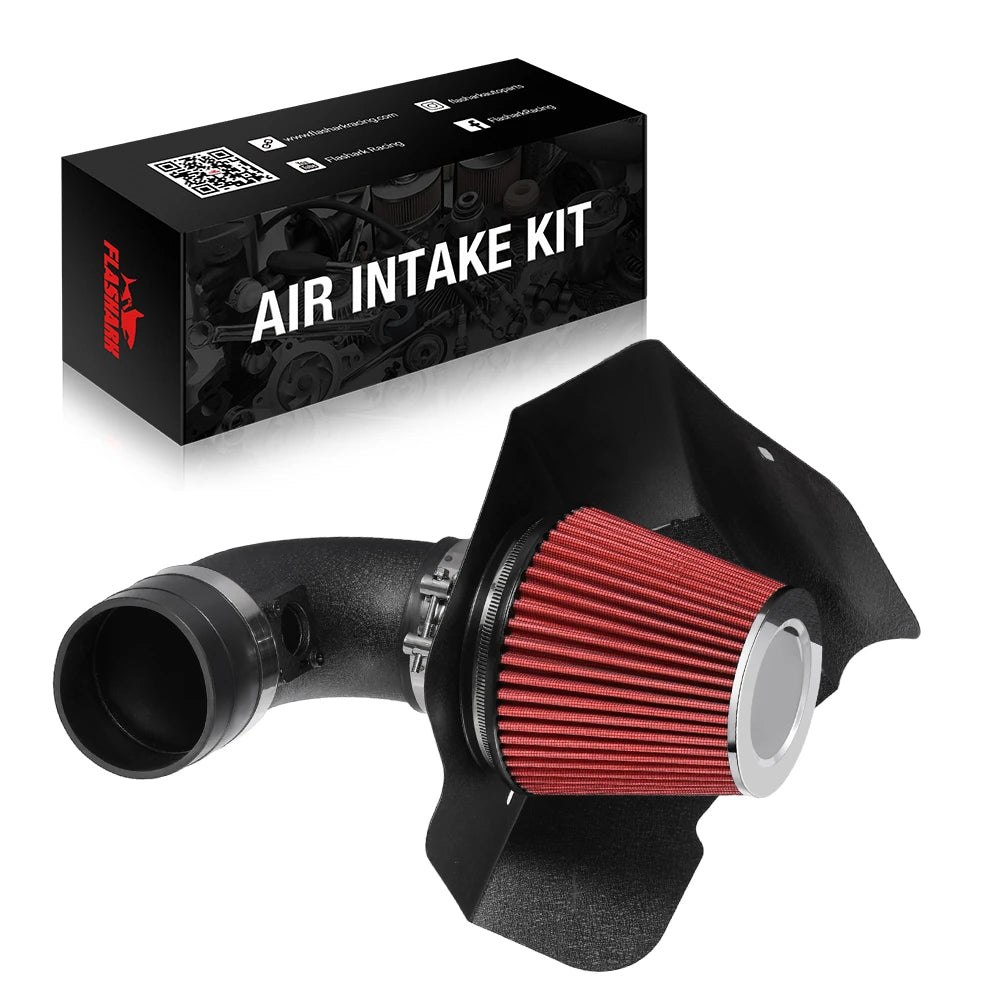
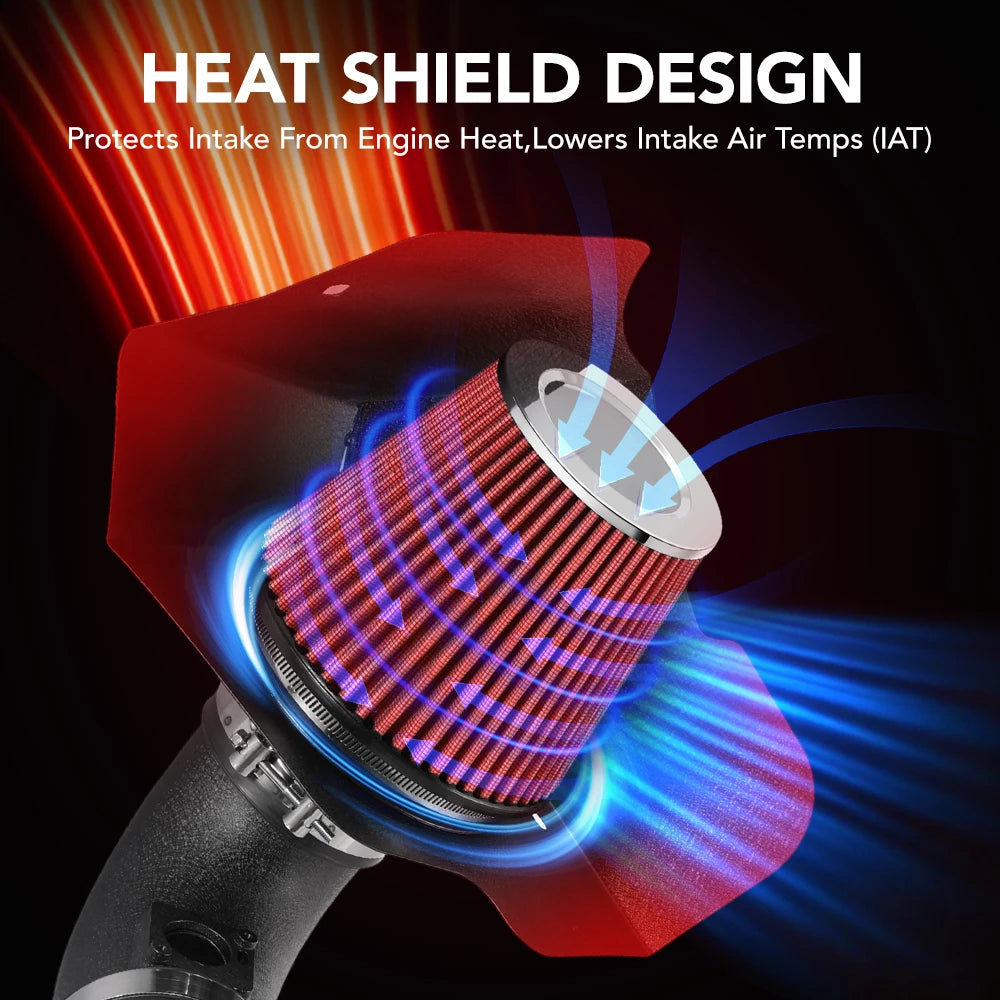
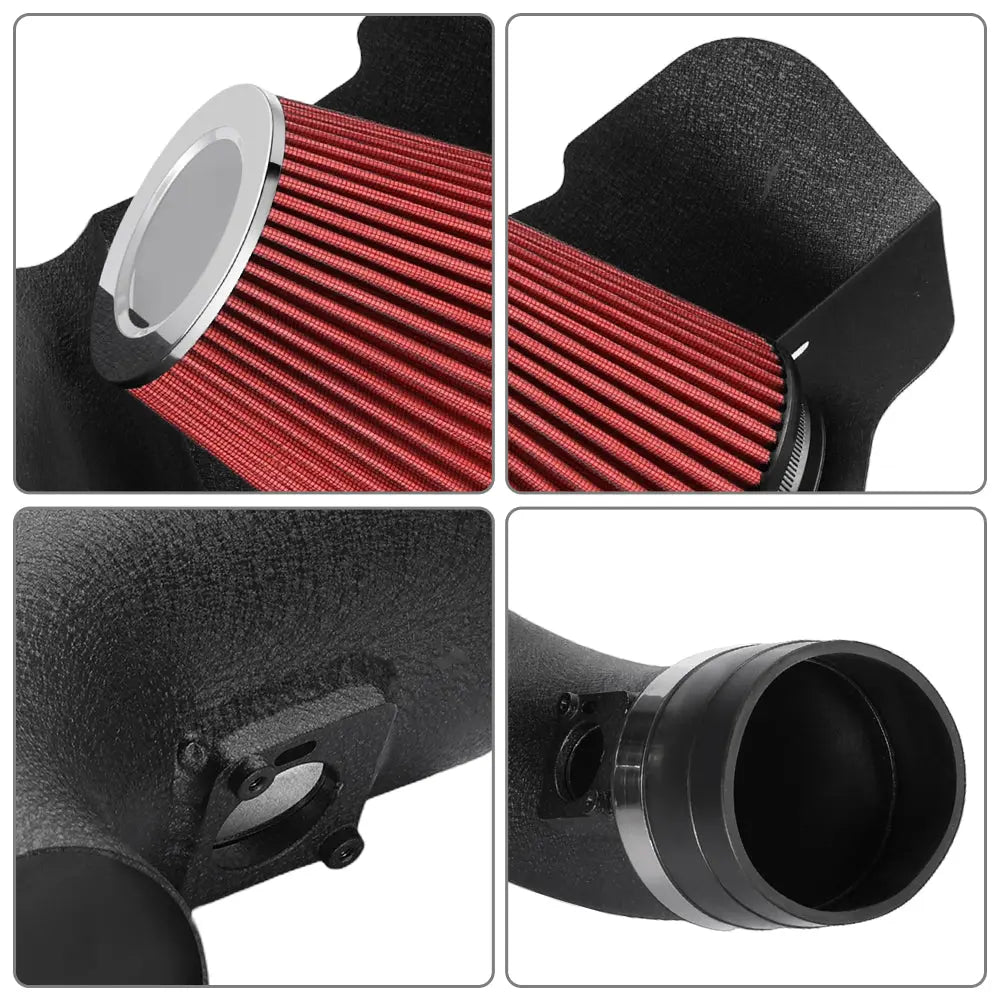
This cold air intake kit replaces the entire factory system with a large-diameter mandrel-bent aluminum intake tube with a polished finish and a high-flow reusable oiled cotton cone filter. The included heat shield positions the filter away from the hottest areas of the engine bay — directly behind the driver-side headlight — and helps draw cooler air from the factory fresh-air duct behind the grille. The kit reuses your factory MAF sensor and connects to the stock throttle body without cutting, drilling, or permanent modification.
On a stock-tune LSA, the most significant improvements are not the peak numbers — it's the supercharger whine (finally audible through the intake), sharper part-throttle response, and better airflow consistency on hot days when the factory heat-soaked airbox becomes a bottleneck. If your CTS-V already runs a smaller supercharger pulley, an aftermarket heat exchanger, long-tube headers, or a custom tune, this intake removes the final intake-side restriction and supports the airflow your setup demands. Installation takes 60–90 minutes with basic hand tools, and the system returns to stock in under an hour if needed.
Specifications
| Brand | Flashark |
| SKU | FLIS25001 |
| Material (Intake Tube) | Aluminum piping, mandrel-bent |
| Tubing Finish | Polished aluminum (can be powder-coated by a local shop if a different finish is preferred) |
| Tube Outer Diameter | 4.0 inches (102 mm) |
| Filter Type | Oiled cotton gauze, high-flow, washable, reusable |
| Filter Color | Red |
| Heat Shield Material | Aluminum |
| Heat Shield Position | Driver-side, behind the driver-side headlight, drawing air from the factory grille duct |
| Coupler Material | Reinforced silicone (black) |
| Clamp Type | Stainless steel worm-drive |
| MAF Sensor | Reuses the factory MAF sensor; sensor position and bore preserved on the new flange |
| Throttle Body Connection | Stock throttle body, no spacer or adapter required |
| Intake Routing | Sealed cold air intake with driver-side heat shield and grille-duct cold air feed |
| Fits | 2009-2015 Cadillac CTS-V 6.2L LSA Supercharged V8 (Sedan / Coupe / Wagon) |
| Installation Time | 60–90 minutes (first-time install) |
| Tools Required | 8 mm and 10 mm sockets, flathead screwdriver, pliers, optional trim removal tool |
| CARB EO | None — see Compliance Notice below |
Key Features
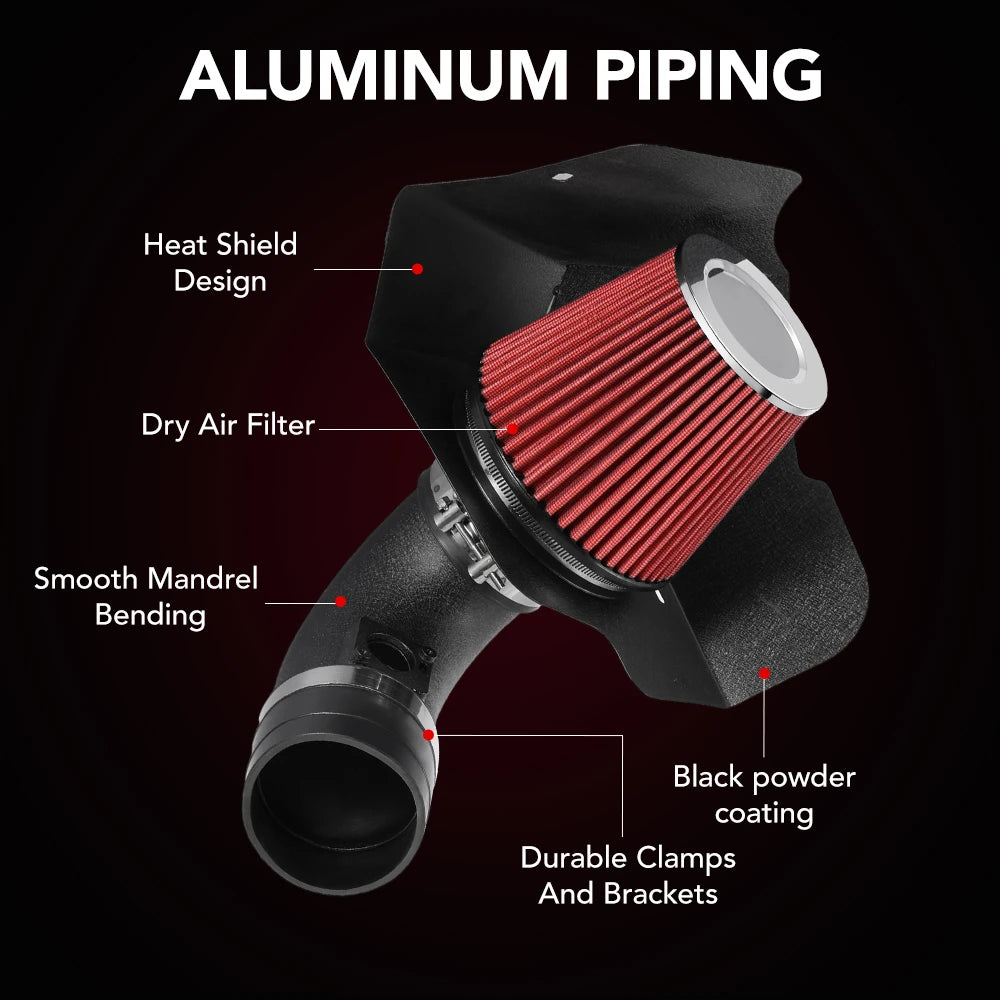
- Large-Diameter Polished Aluminum Intake Tube: Mandrel-bent from lightweight aluminum with a polished finish. Smooth internal walls eliminate the turbulence and flow restriction caused by the factory plastic intake tract's resonator chambers and narrow-diameter sections. The polished finish resists corrosion and maintains a clean, OEM-plus appearance under the hood.
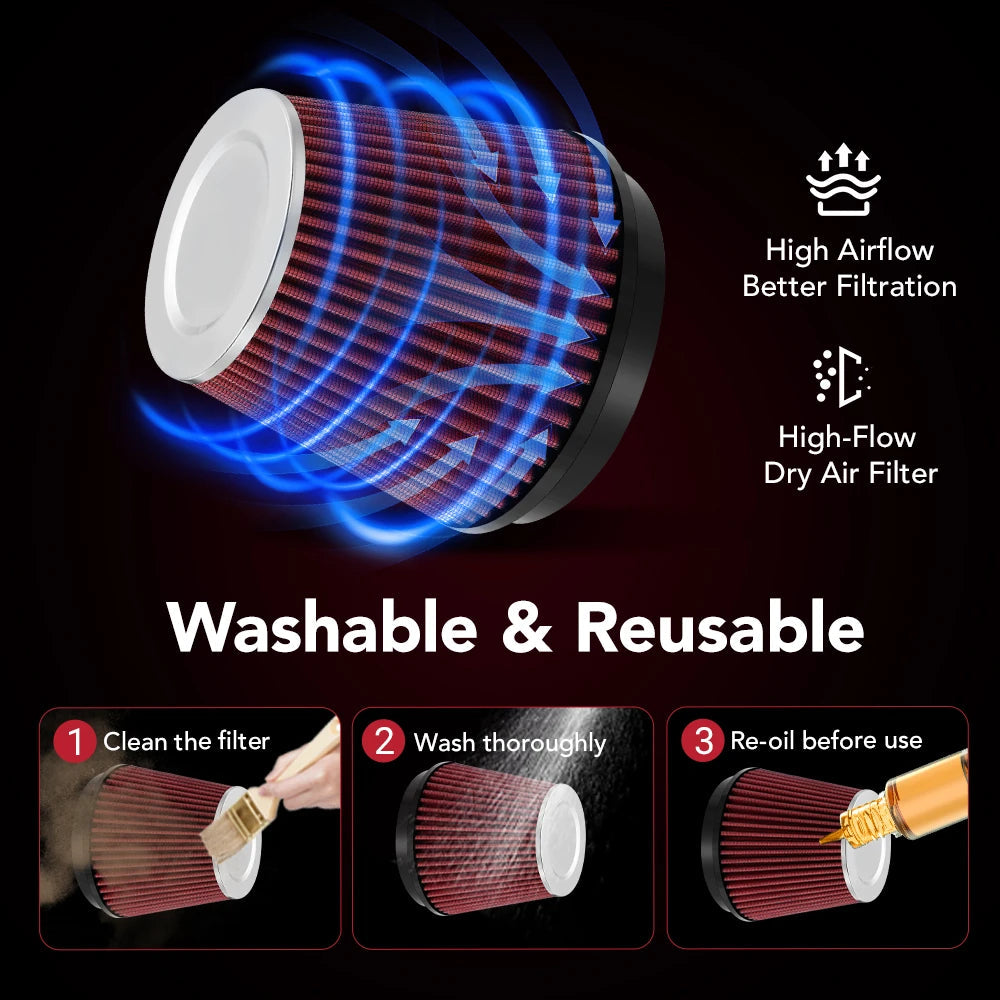
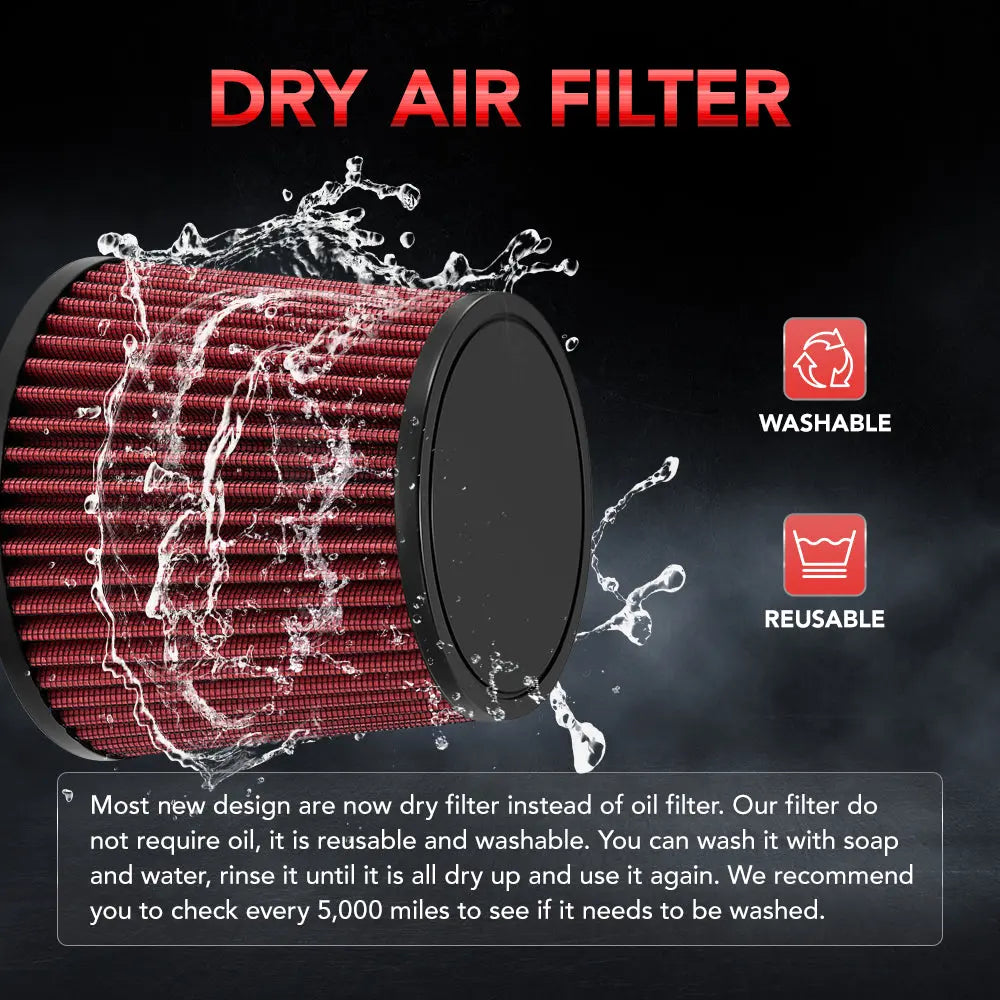
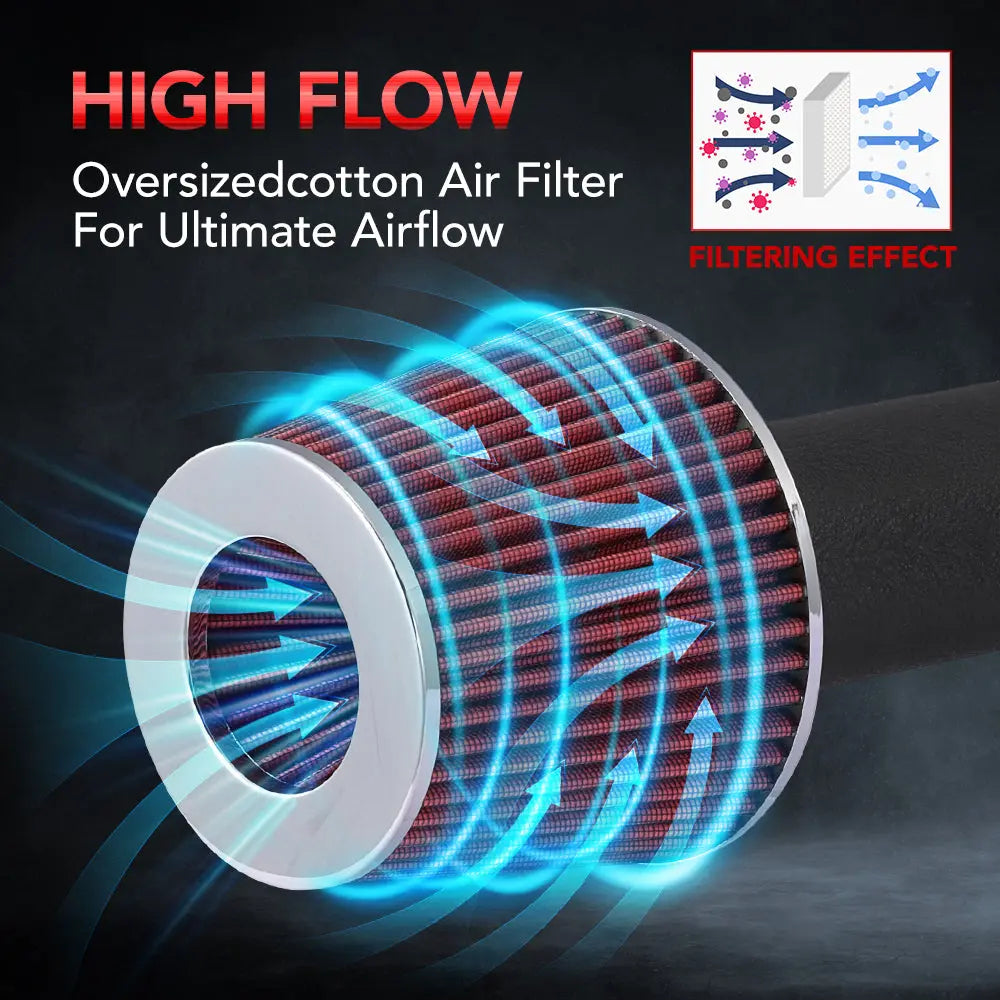
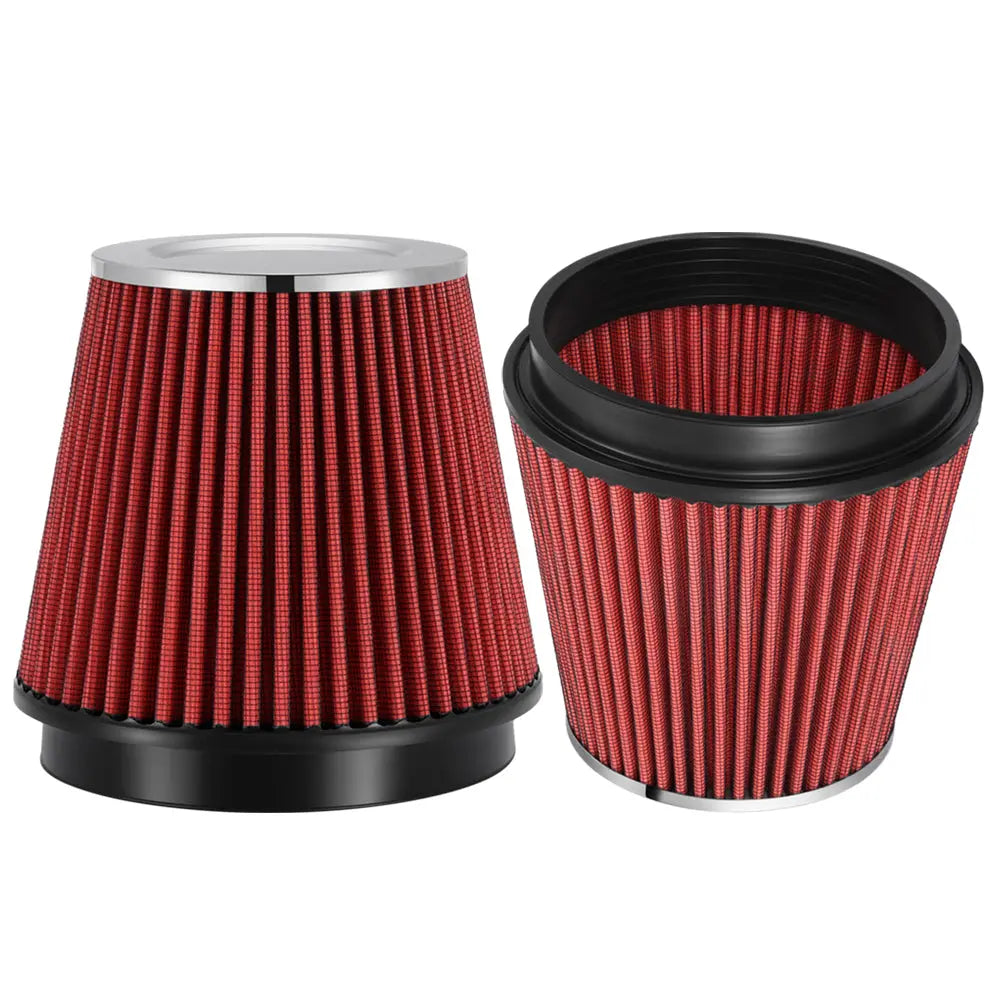
- High-Flow Reusable Oiled Cotton Cone Filter: Large surface area conical filter, washable and reusable. Cotton gauze media delivers strong airflow while capturing fine particulates. Service with a dedicated filter cleaning kit and a thin coat of filter oil; over-oiling the filter is the most common cause of post-install MAF issues.
- Insulated Aluminum Heat Shield: Positions the filter behind the driver-side headlight and draws cooler air from the factory grille duct. The shield helps isolate the filter from the radiant heat of the radiator and exhaust manifold at idle and low speeds; at highway speeds, ram air through the grille provides a meaningful drop in intake temperature. The shield reduces heat soak at idle — it cannot eliminate it on a 6.2L supercharged V8.
- Unlocks the LSA Supercharger Sound: The single biggest reason CTS-V owners buy this intake. The factory airbox silences the Eaton supercharger whine almost entirely. With this intake, the blower becomes clearly audible — a distinctive mechanical whine that rises with RPM under load. It's loud enough to enjoy with the windows down and quiet enough to be civil at cruise.
- Direct Fit — No Permanent Modifications: Mounts using existing factory bolt holes. The MAF flange maintains the factory sensor position and diameter to preserve accurate airflow readings. Returns to stock in under an hour if needed; no cutting, drilling, or permanent changes.
Who this kit is for
This Flashark Cold Air Intake is built for the 2009-2015 Cadillac CTS-V Sedan, Coupe, and Wagon with the 6.2L LSA supercharged V8 — the second-generation V2 chassis with the Eaton blower, not the standard CTS, not the first-gen CTS-V (LS6/LS2), and not the third-gen CTS-V (LT4).
- ✓ For you if… you want to finally hear the supercharger your LSA has had all along · you tow, haul, or drive hard in hot weather and want more consistent airflow than the heat-soaked factory airbox delivers · you already run a smaller pulley, headers, a heat exchanger, or a tune and need the final intake-side restriction removed · you prefer a washable oiled cotton filter over disposable paper · you've checked the Compliance Notice below for your state.
- ✗ Not for you if… you need an OEM-replacement factory airbox, hose, or MAF sensor (those transfer over — see What's in the Box) · you expect a guaranteed fuel economy improvement on a 556-hp supercharged V8 · you're in California or a CARB-adopting state and this SKU carries no EO (see Compliance Notice) · you regularly ford deep standing water without a high-mount relocation (see FAQ Q14 on hydrolock risk).
Browse all Cadillac cold air intake kits for additional models and configurations.
Check before ordering
- Vehicle — exact-fit only: Confirm you have a 2009-2015 Cadillac CTS-V (Sedan 2009-2015, Coupe 2011-2015, or Wagon 2011-2014) with the 6.2L LSA supercharged V8. The standard CTS (3.0L / 3.6L V6), the first-gen CTS-V (LS6 / LS2), and the third-gen CTS-V (LT4) are not covered. If yours isn't on the list, message us with your VIN before ordering.
- Intake type: This is a sealed cold air intake with a driver-side heat shield drawing air from the factory grille duct — not a short ram. If you want the simplest possible install and an open-element intake sound, the short ram style is a different design; see our CAI vs Short Ram intake guide.
- Filter care: The included oiled cotton gauze filter requires periodic cleaning and re-oiling with a dedicated filter service kit. Over-oiling is the most common cause of post-install MAF issues — apply oil sparingly and blot any excess before reinstalling.
- Sensors and throttle body: The kit reuses your factory MAF sensor (transferred to the new flange — note the airflow arrow direction) and connects to the stock throttle body with no spacer or adapter. No CEL on a correctly installed stock-tune car.
- Legality: This kit does not carry a CARB Executive Order number. Not legal for sale or use in California and other CARB-adopting states. See the Compliance Notice below for the full list of states and use responsibilities.
- Install and environment: Bolt-on, 60–90 minutes with basic hand tools. The filter pulls from behind the driver-side headlight; avoid deep water crossings — water ingestion can cause hydrolock on any 6.2L supercharged V8.
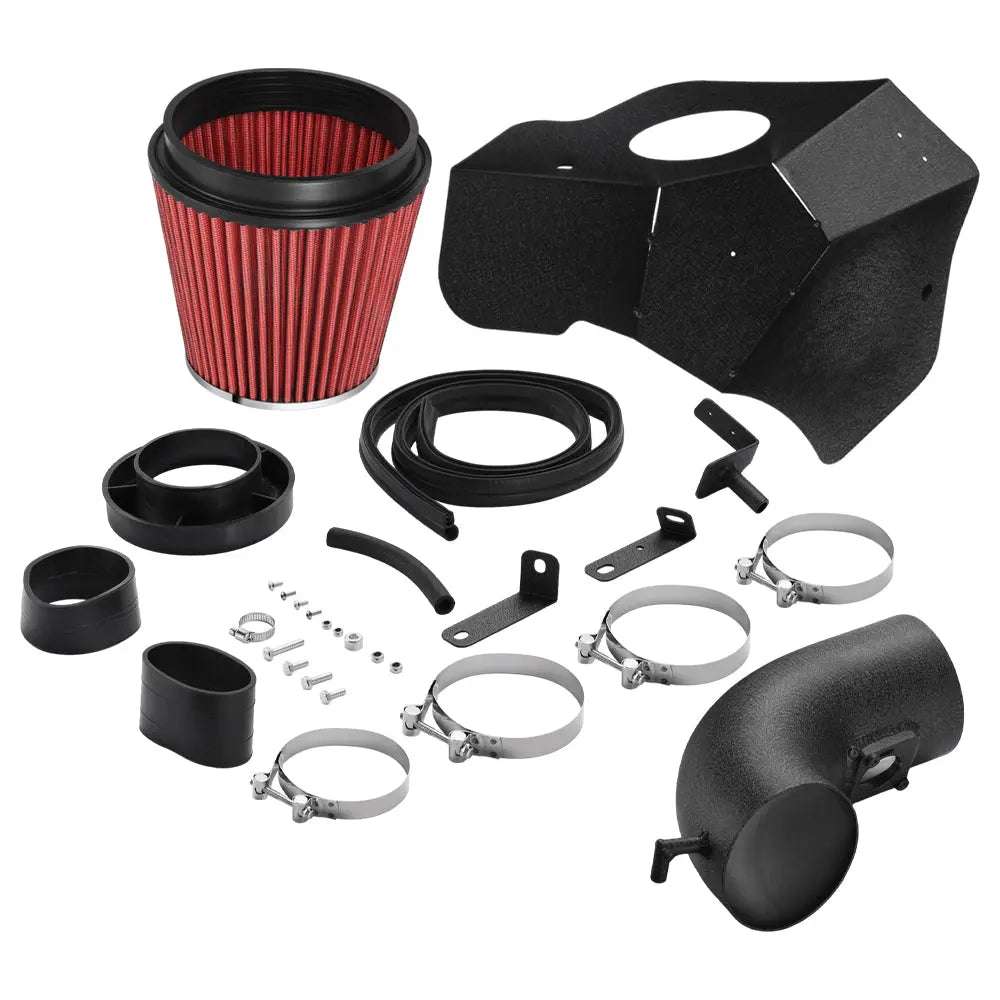
What's in the box
- ✓ Aluminum intake tube × 1 (mandrel-bent, polished finish, 4.0" OD)
- ✓ High-flow red oiled cotton gauze cone filter × 1 (washable, reusable)
- ✓ Insulated aluminum heat shield assembly × 1 (driver-side mount)
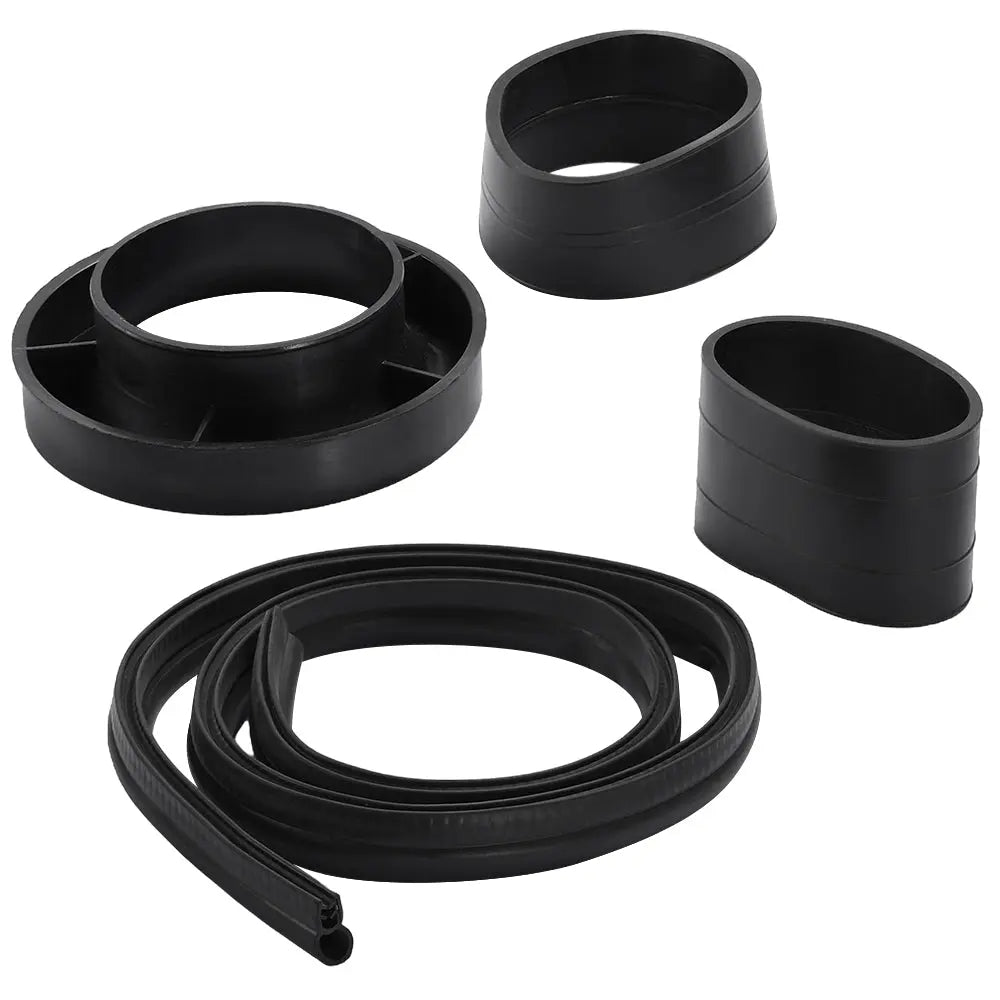
- ✓ Reinforced silicone couplers (black) × 2
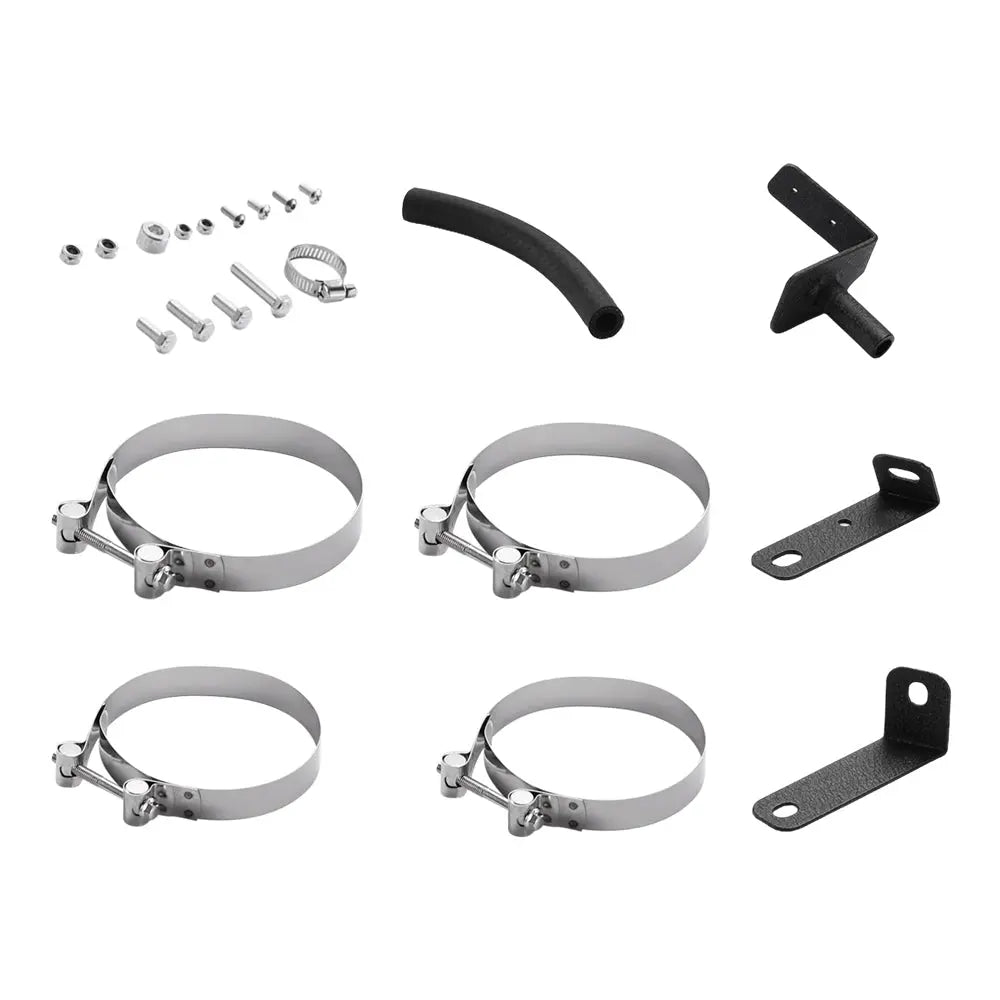
- ✓ Stainless steel worm-drive clamps × 4
- ✓ MAF sensor mounting flange × 1 (factory MAF sensor transfers over — not included)
- ✓ Breather hose adapter and line × 1
- ✓ Vehicle-specific mounting bracket with hardware × 1
Keep a dedicated replacement oiled cotton cone filter for the 2009-2015 Cadillac CTS-V 6.2L LSA on hand so you're never waiting on a service interval.
Shipping & Returns
Free U.S. Shipping: Orders are typically processed within 1–2 business days and delivered within 7–9 business days. Additional charges may apply to remote areas.
30-Day Returns: Unopened and unused items in their original packaging may be returned within 30 days of receipt. Return shipping is covered for verified quality issues.
Worry-Free Delivery: Optional protection against eligible loss, theft, delay, or transit damage is available at checkout.


