
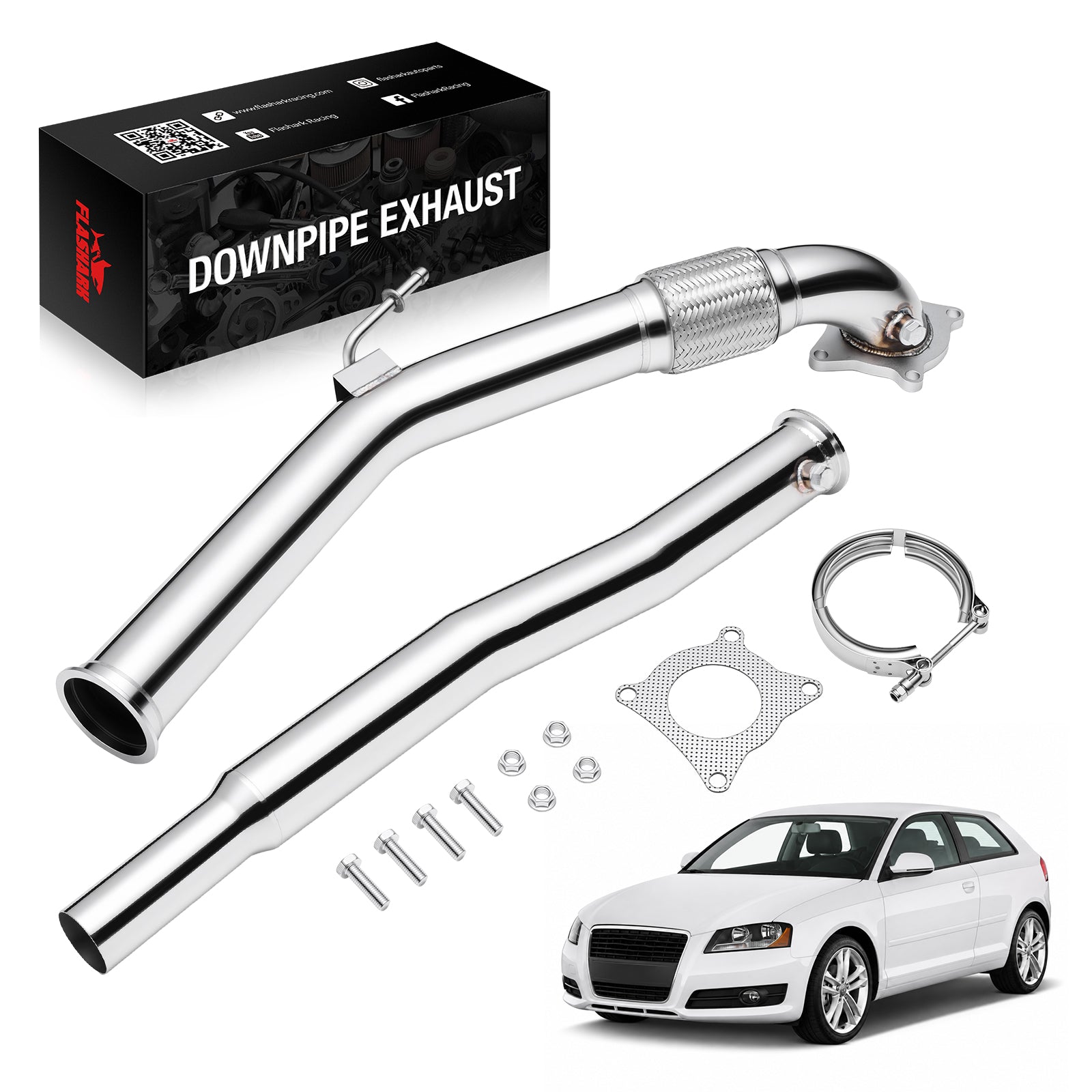
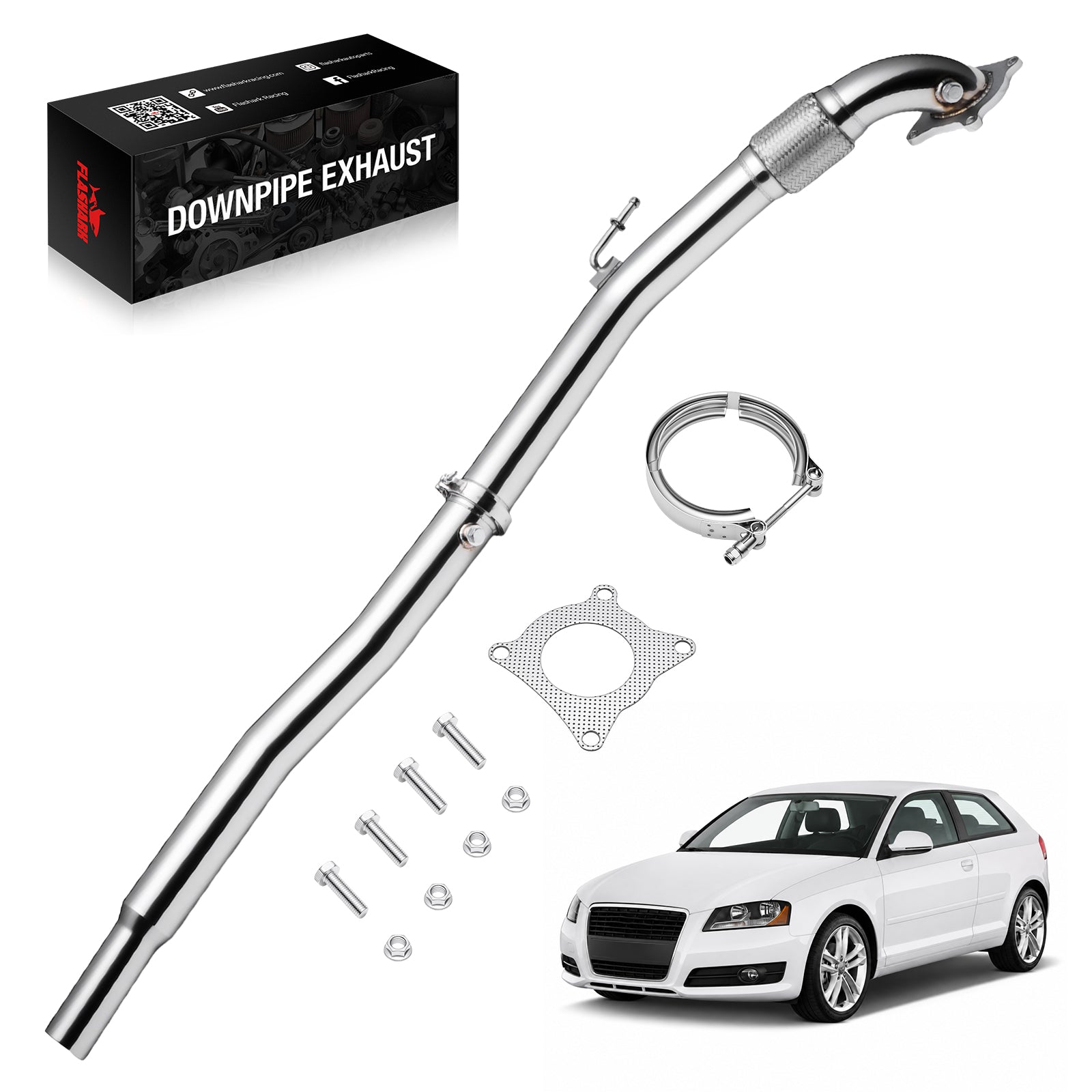

FLASHARK Catless Downpipe Exhaust for 2006-2011 VW Golf
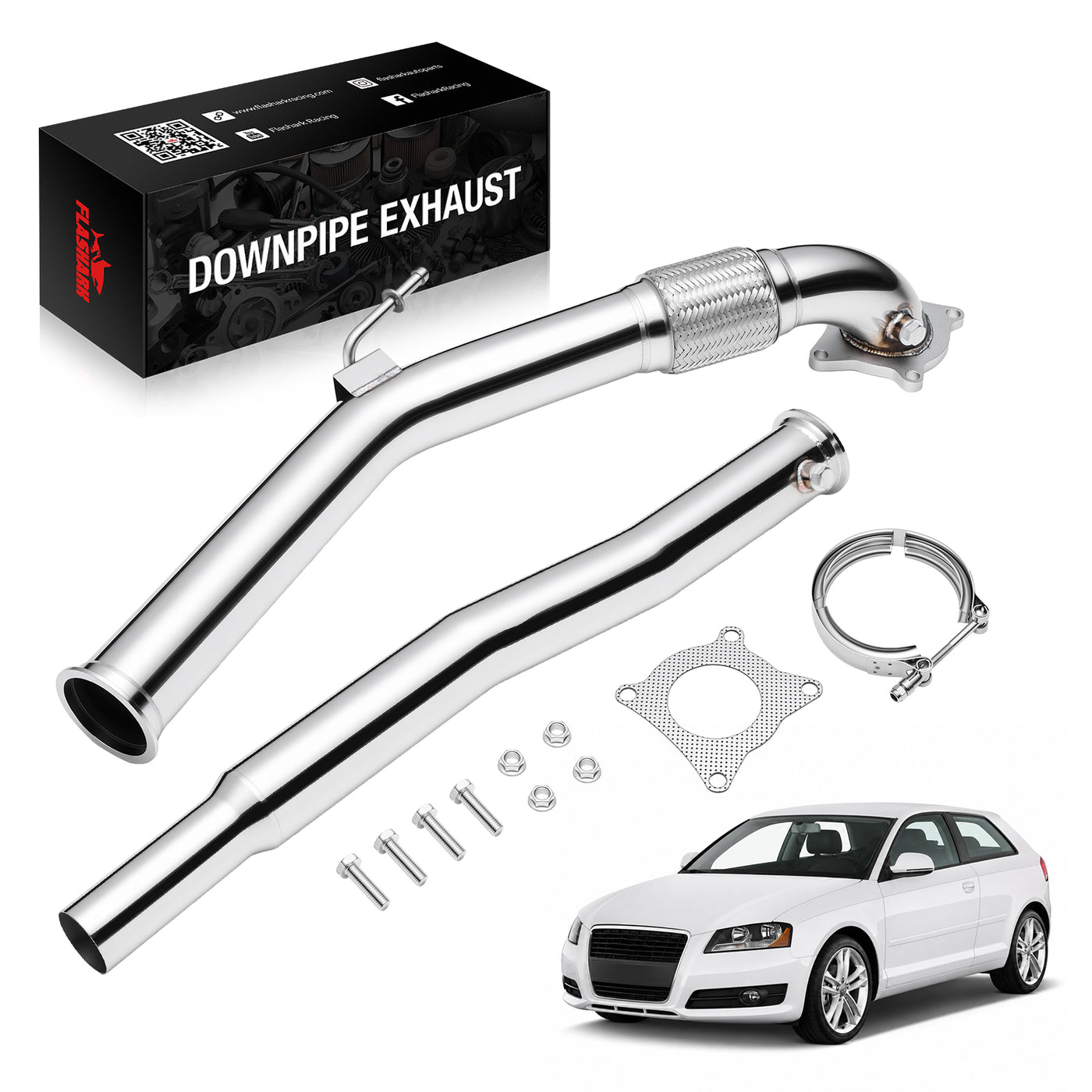
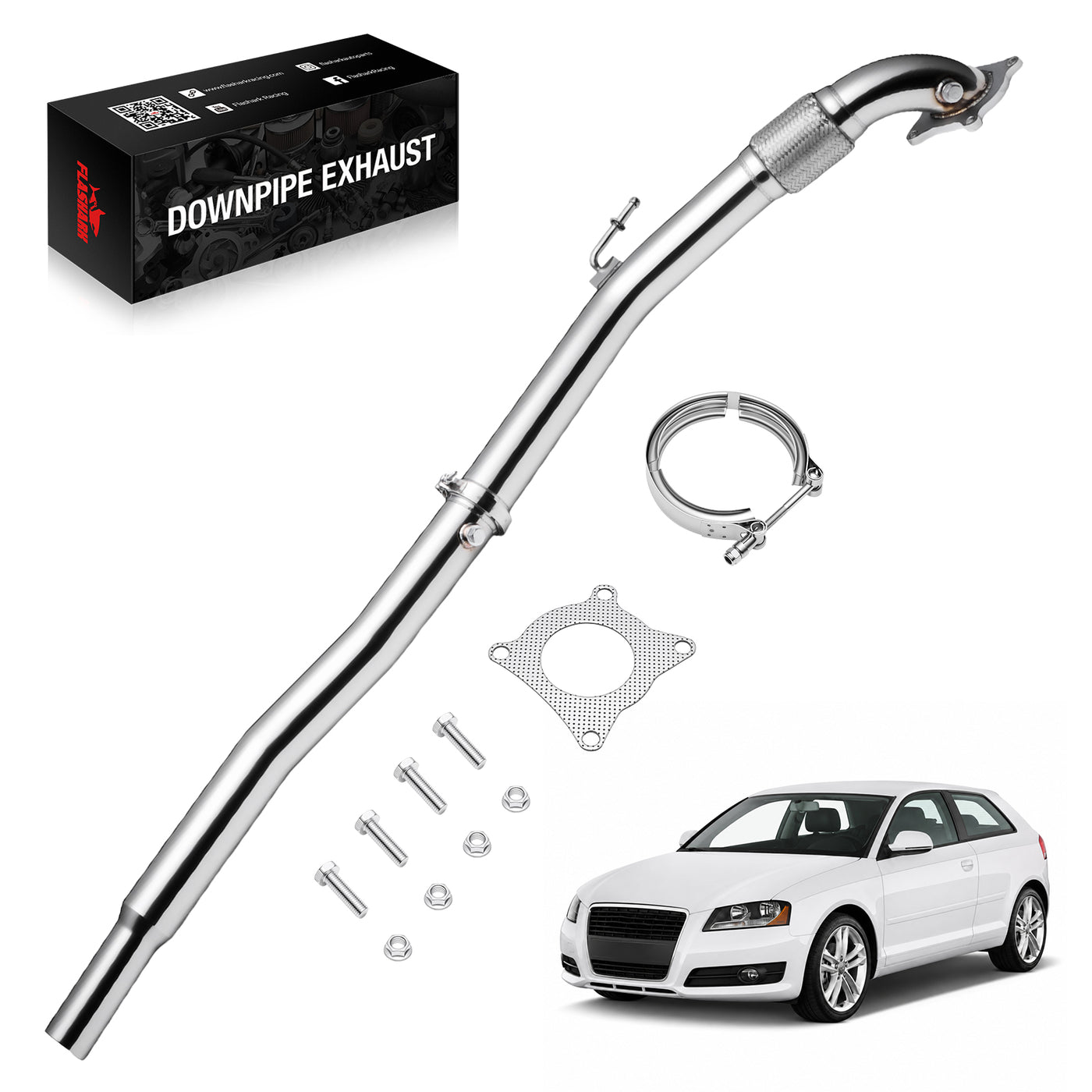
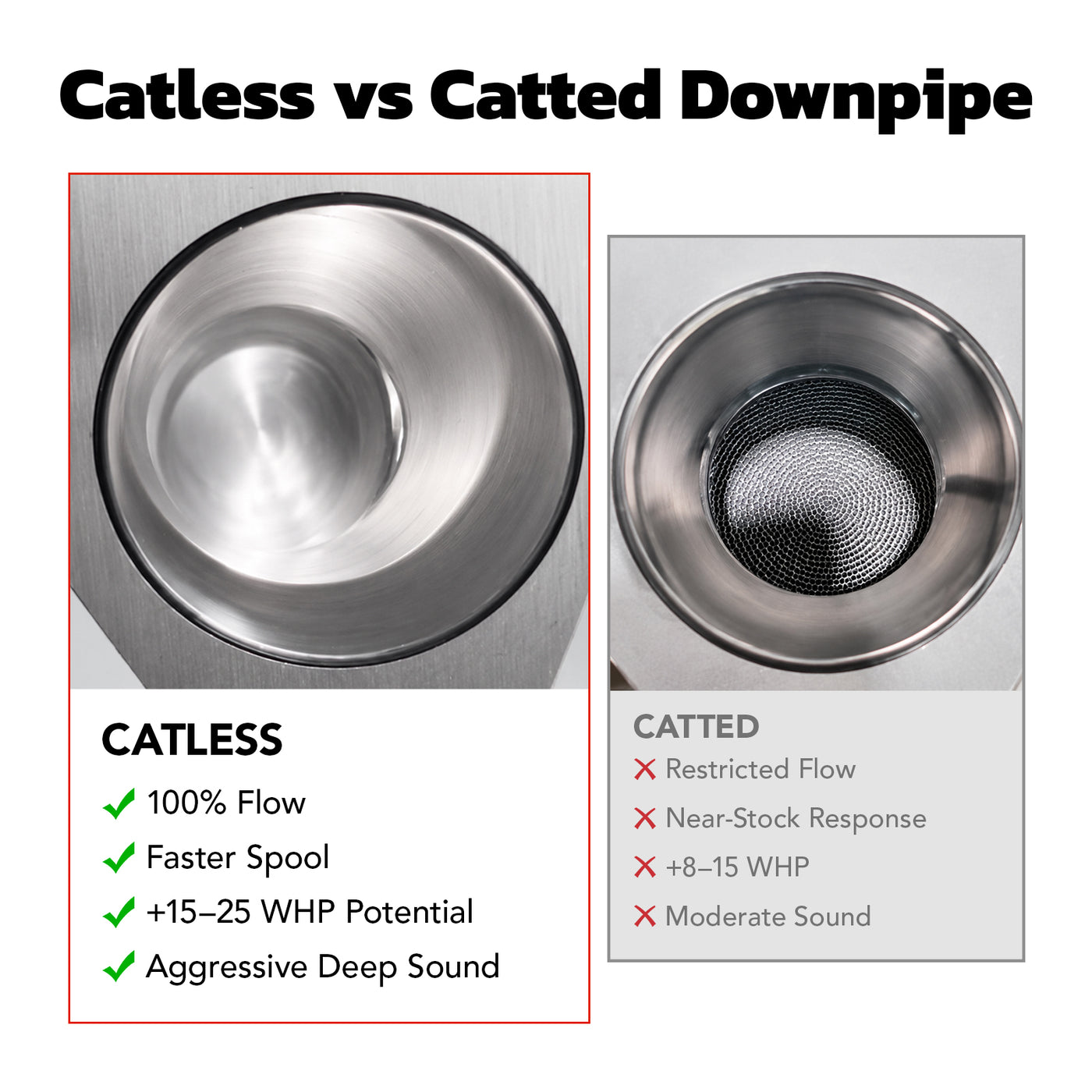
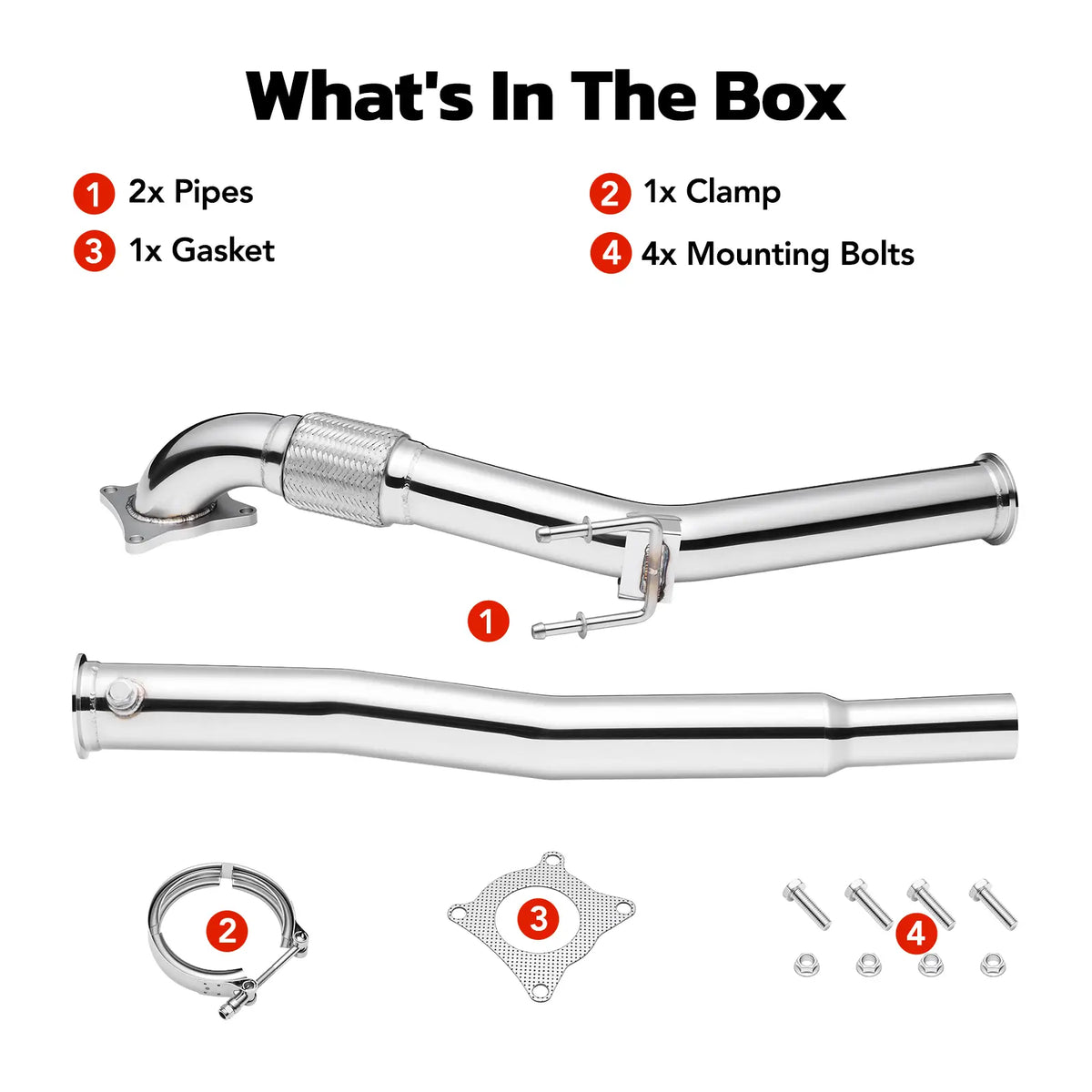
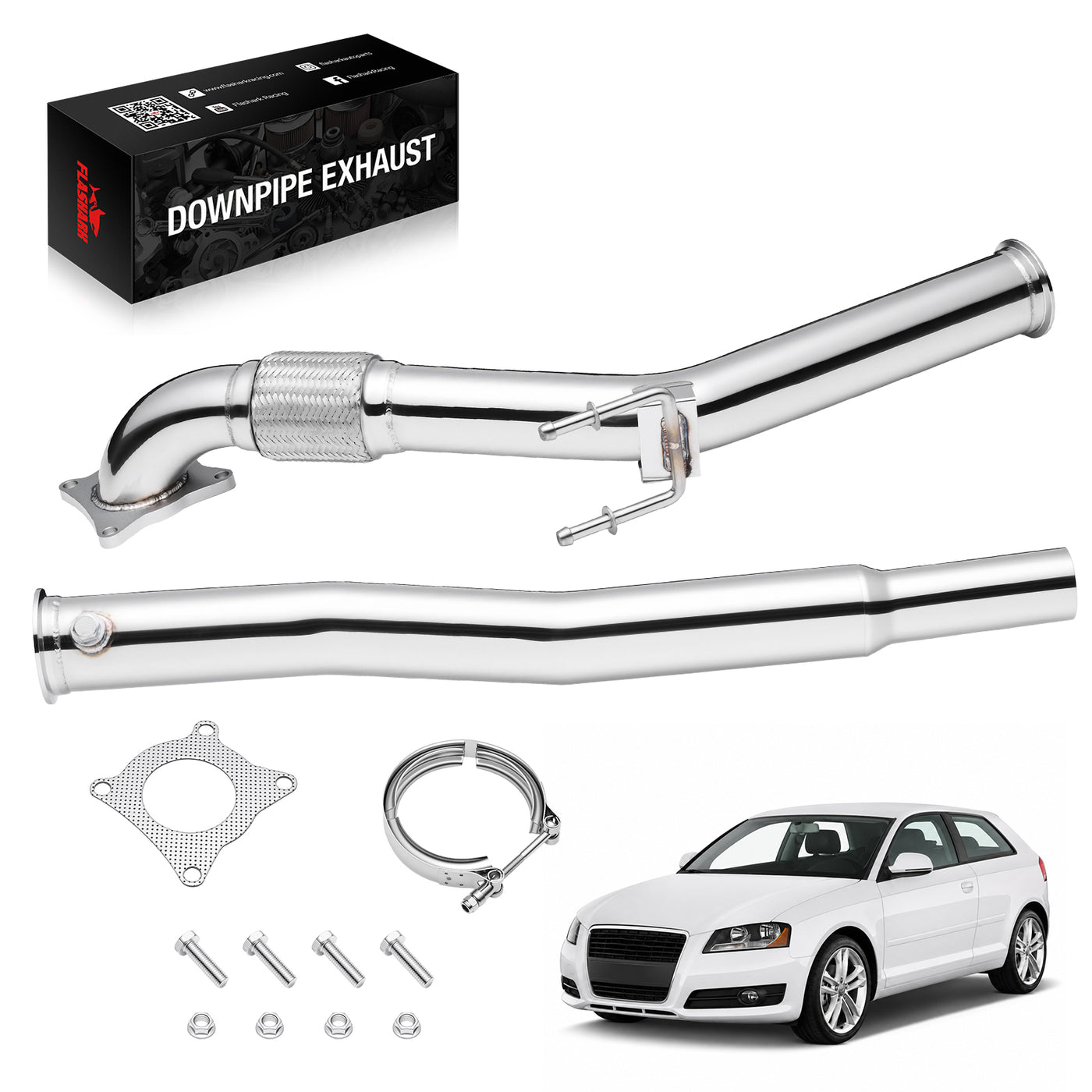
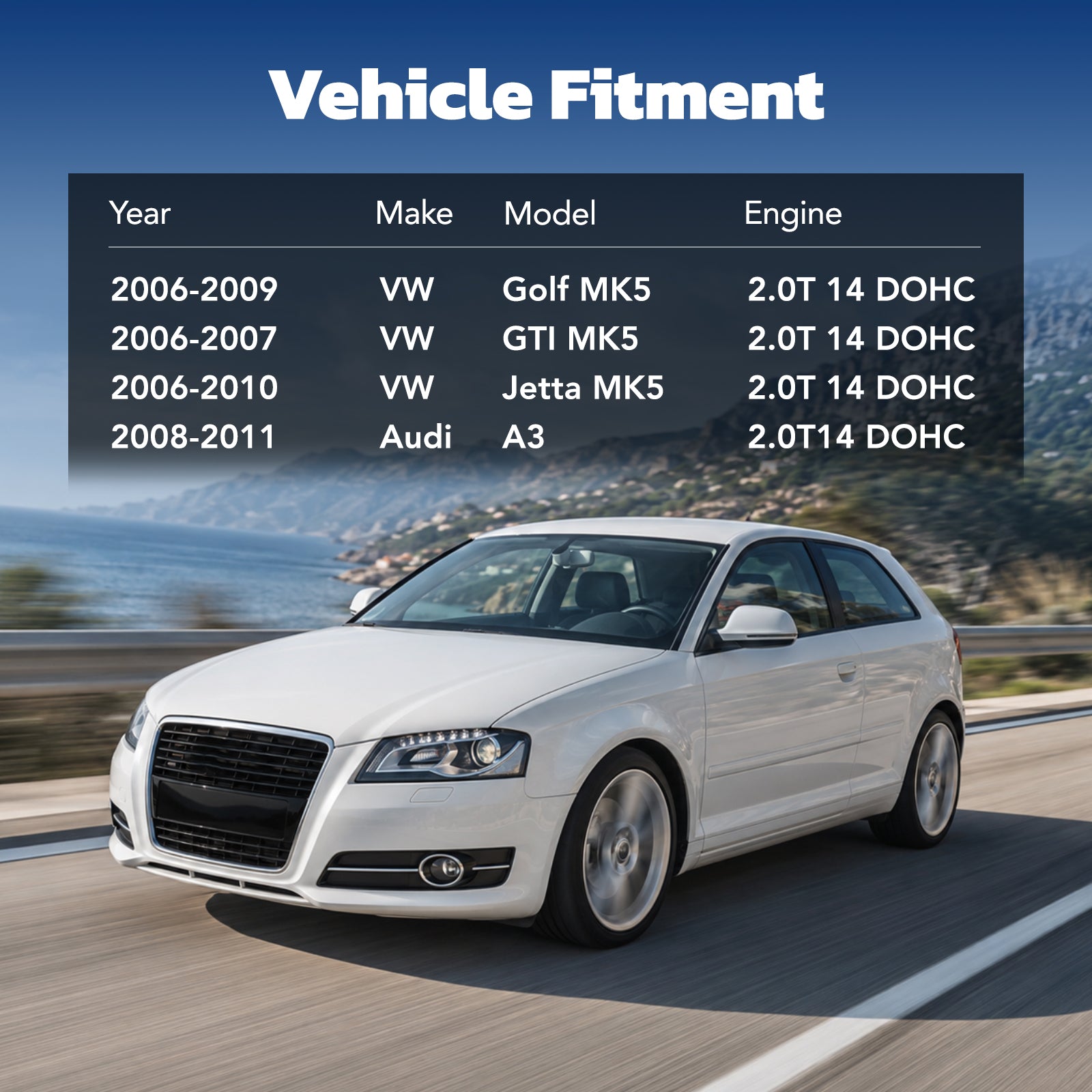
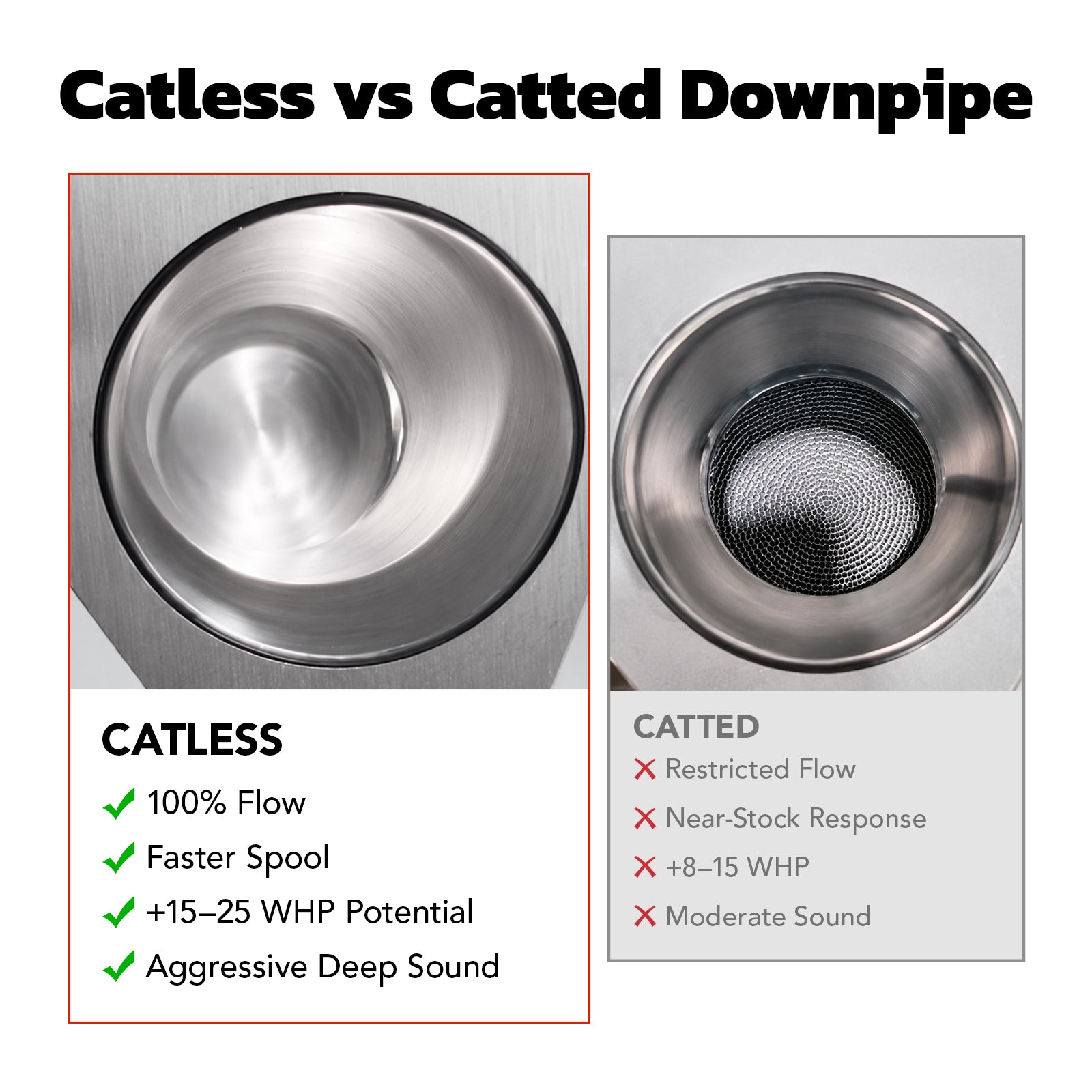
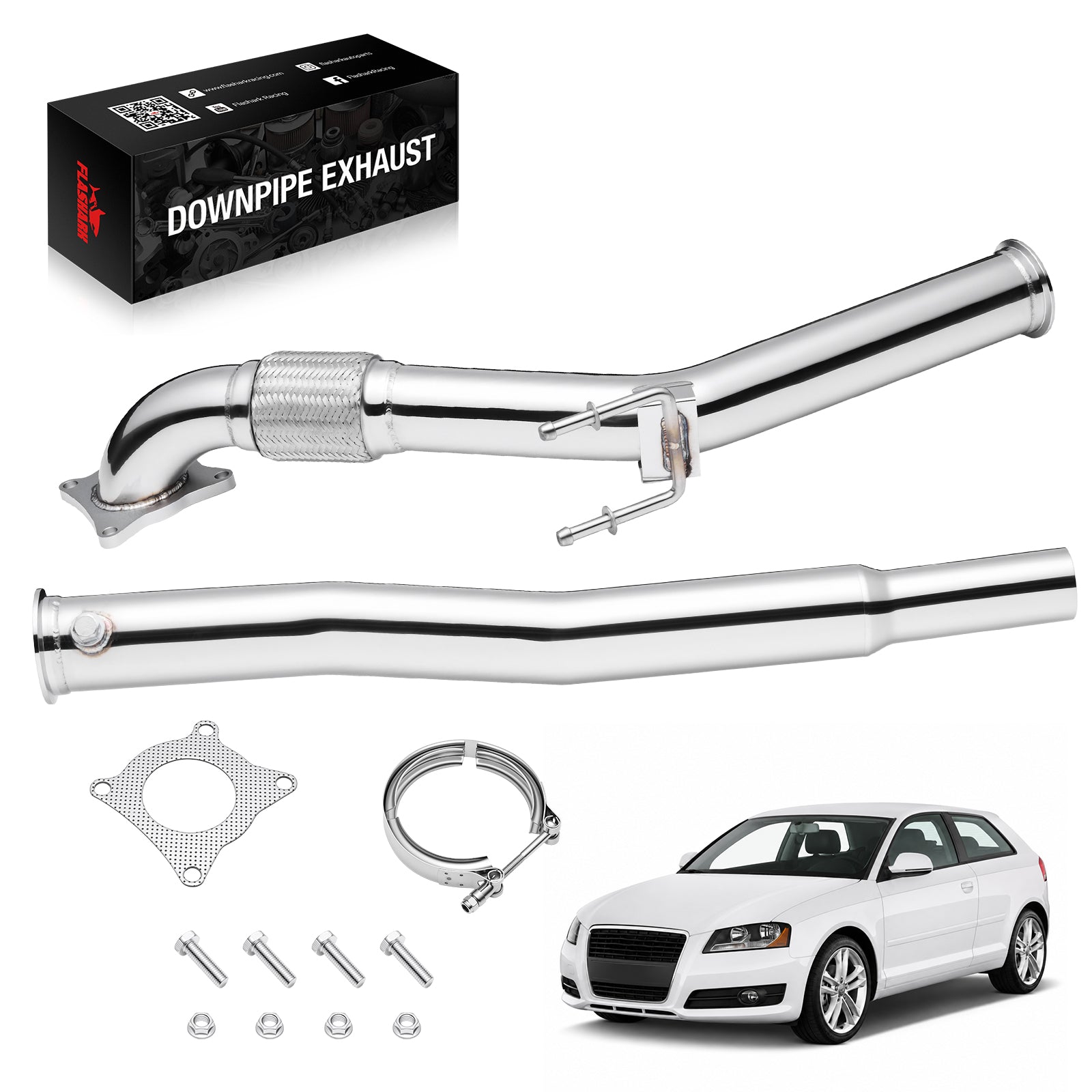
The FLASHARK Catless Downpipe Exhaust is designed for 2006-2011 VW Golf/GTI MK5, Jetta MK5, and Audi A3 2.0T. This 3-inch decat downpipe improves exhaust flow, boosting horsepower and torque for turbocharged engines. Made from durable T-304 stainless steel, it offers easy bolt-on installation and enhanced engine performance with a deeper exhaust sound.
Specifications:
Brand Name: FLASHARK
Certificate: ISO9001:2000
Application: Exhaust Down Pipe
Material: T-304 Stainless Steel
Surface: Mirror Polish
Model: DP17516-SL
Inlet/ Outlet Sizes: 3.25"/ 2.25
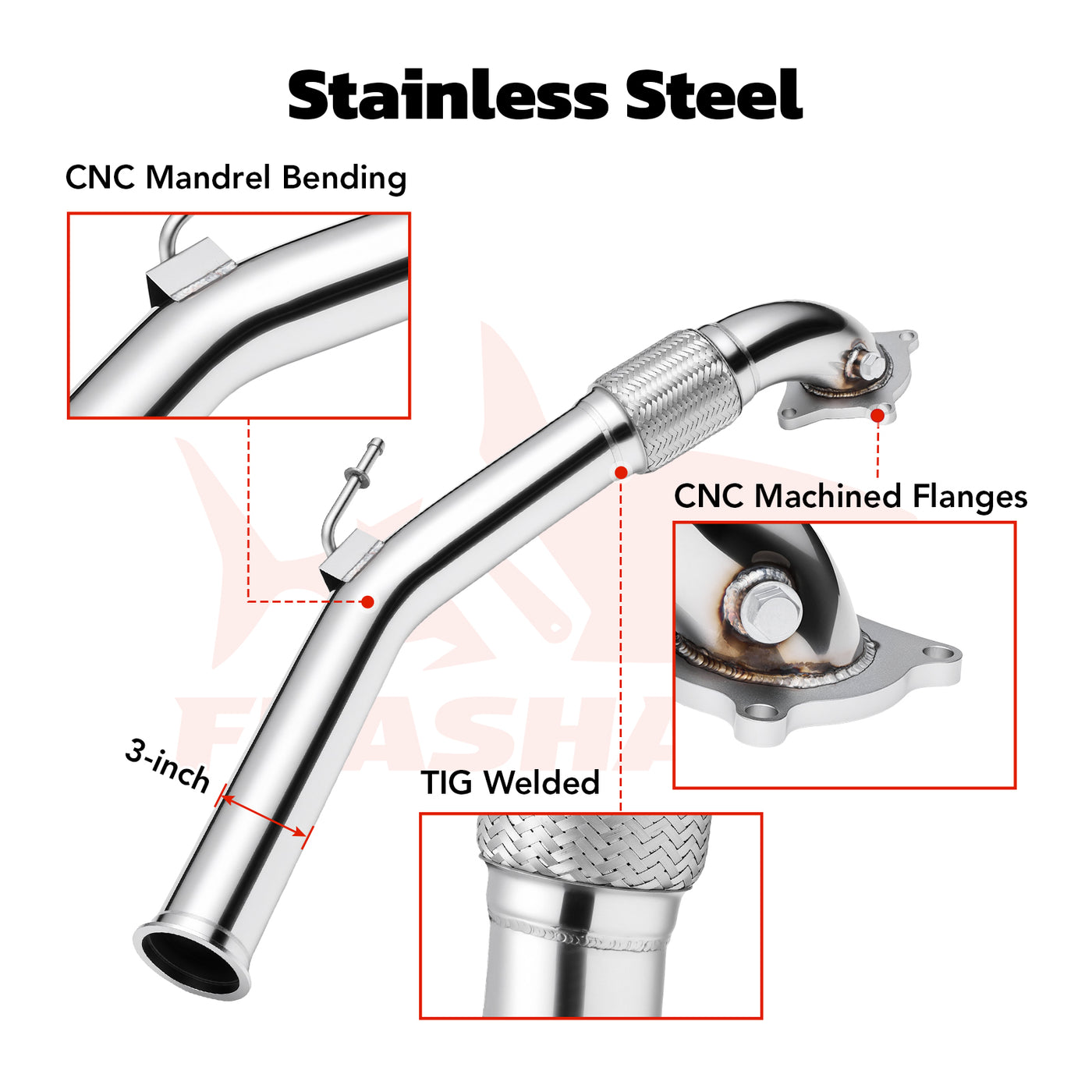
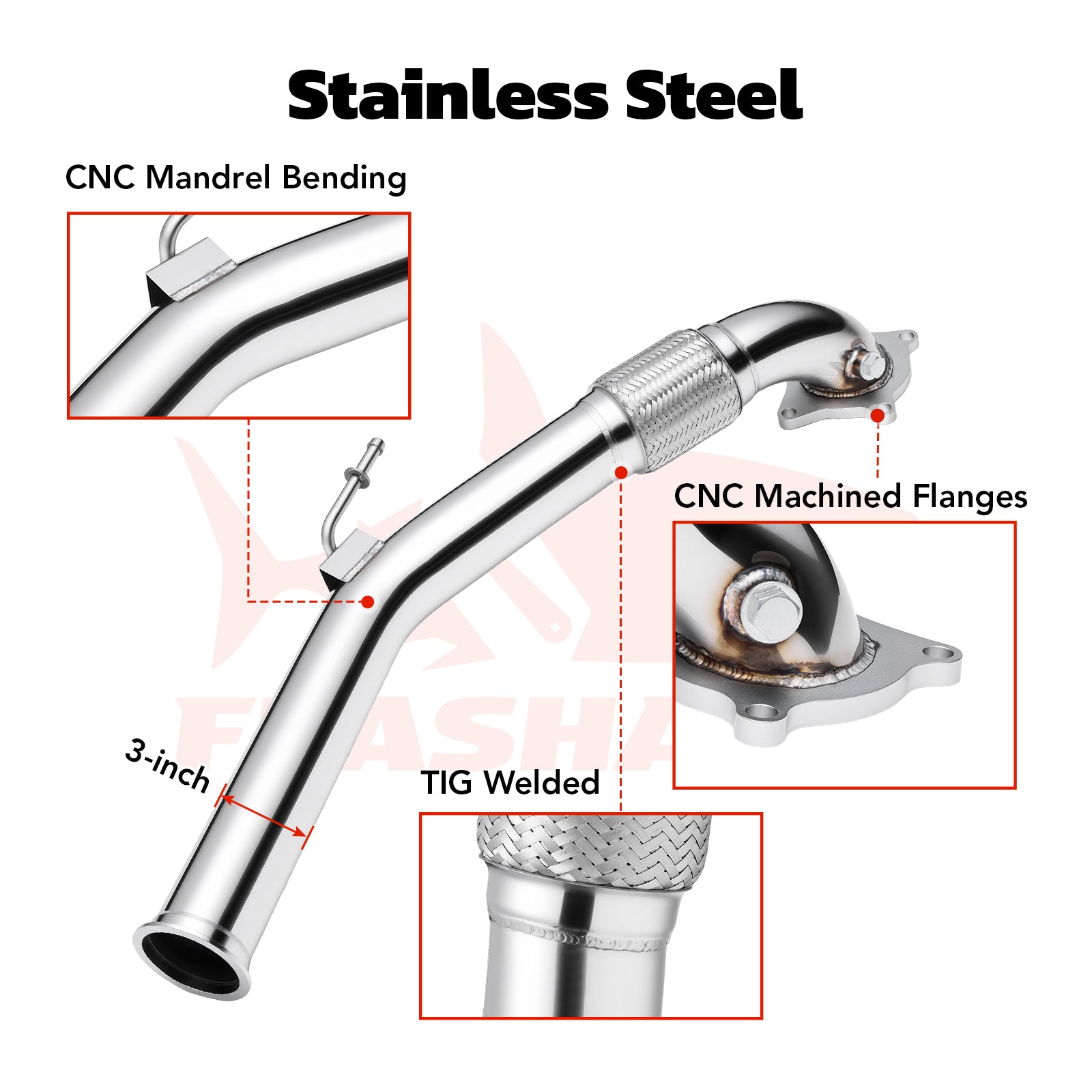
Piping Diameter (with welded flex pipe): 3.0"
Shipping Information:
Delivery Time: 3-5 business days.
Warranty:
Duration of Warranty: 1 Year
Return Policy: Items can be returned within 14 days of receipt

Features:
TIG Welded CNC Machine Flange
O2 Sensor Bungs Insertion
Enlarged Flex Pipe for enhanced performance.
Enhanced Welding Quality for increased durability.
Upgraded Turbo Flange for improved efficiency.
Thicker T-304 Piping for added strength and longevity.
Direct Bolt-On Installation, Requires NO Modification
NOTE: The clamps are for 76mm-wide tubes and are retractable.
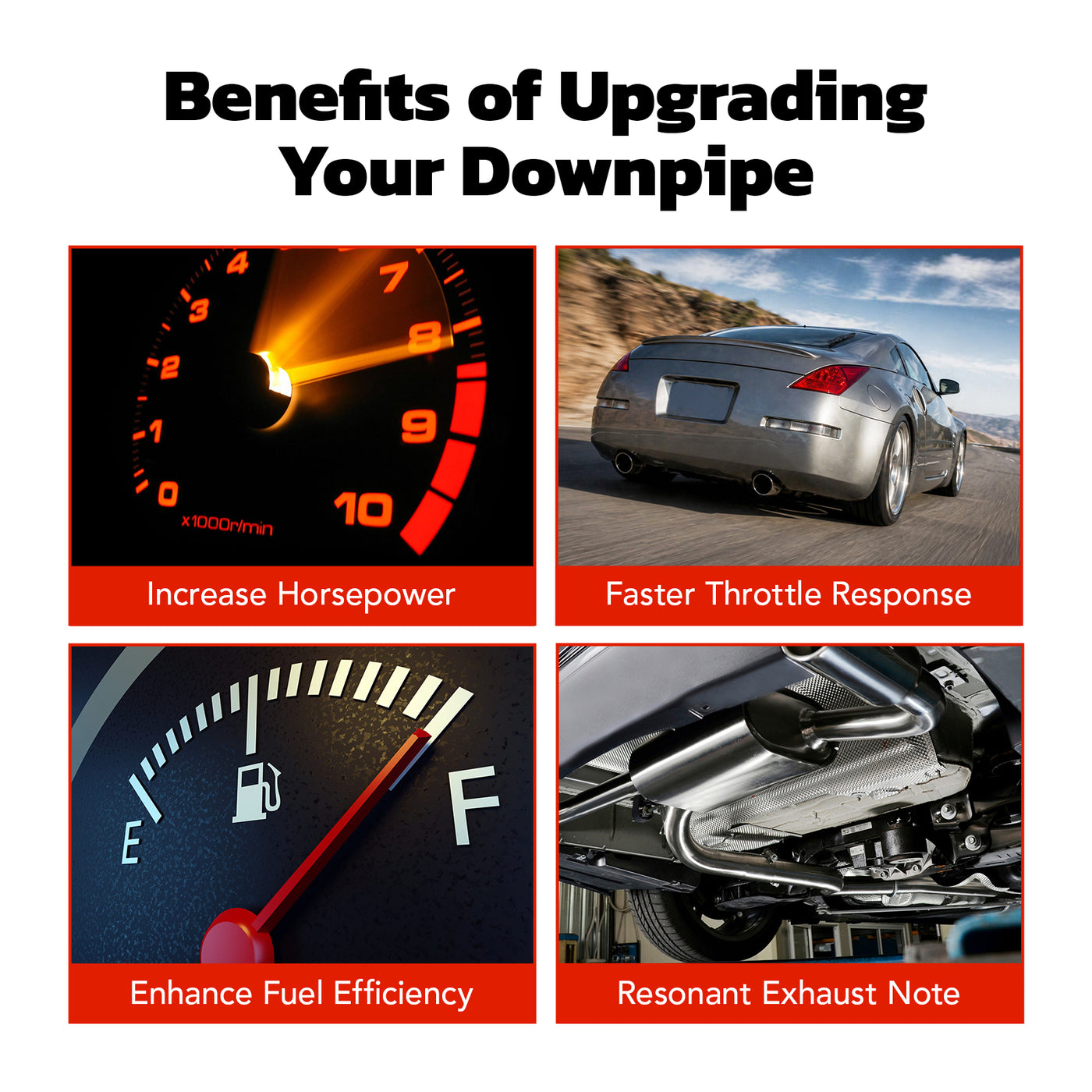
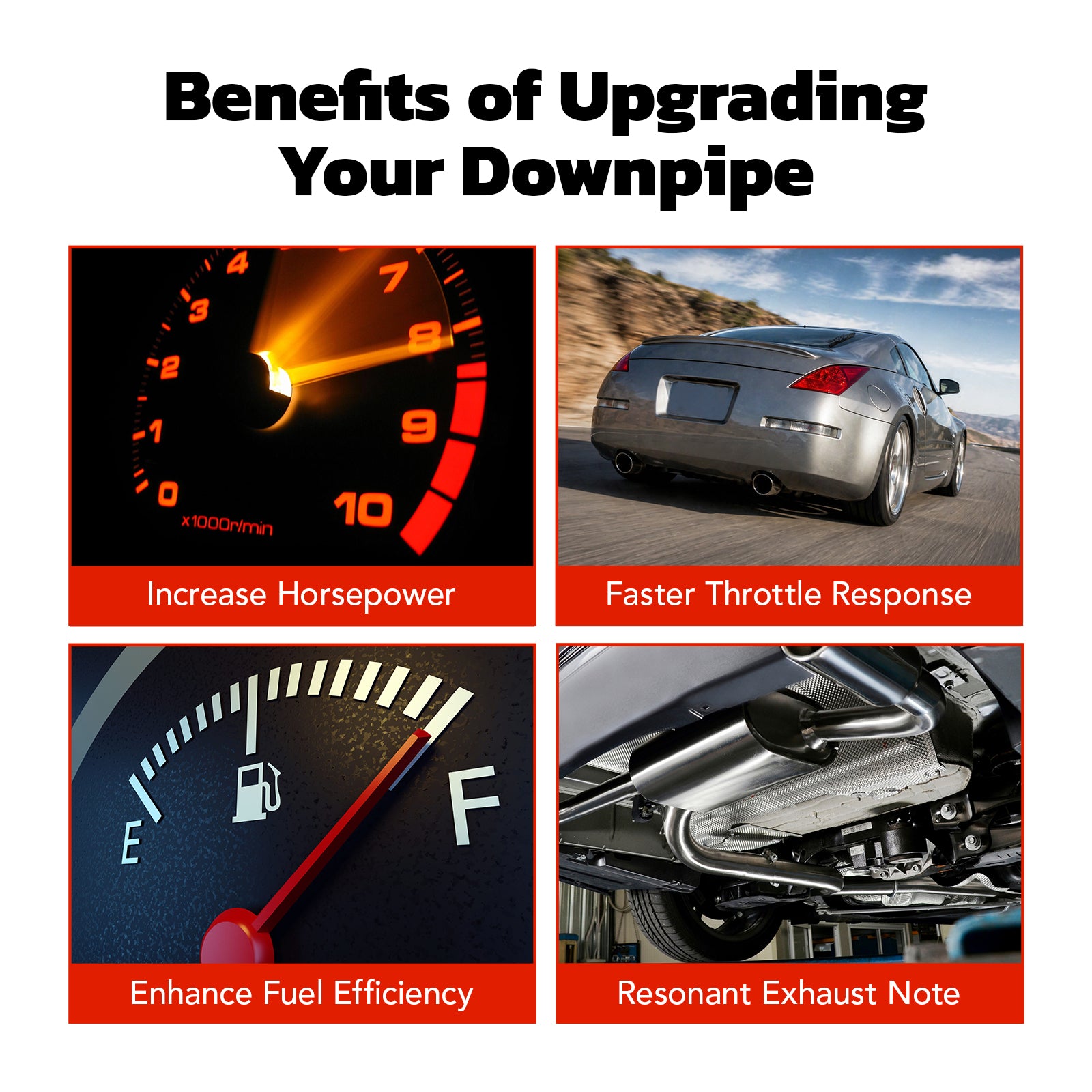
FLASHARK Downpipe is specifically designed to replace the restrictive stock downpipe in your 2006-2011 Golf/GTI MK5, Jetta MK5, and Audi A3 2.0T models, located right after the catalytic converter. Upgraded downpipes provide great increases in horsepower and torque on turbocharged vehicles by allowing exhaust gases to flow more easily as they leave the turbo. The high-quality exhaust manifold can improve the exhaust air flow rate and ensure you have a better driving experience.
Fitment:
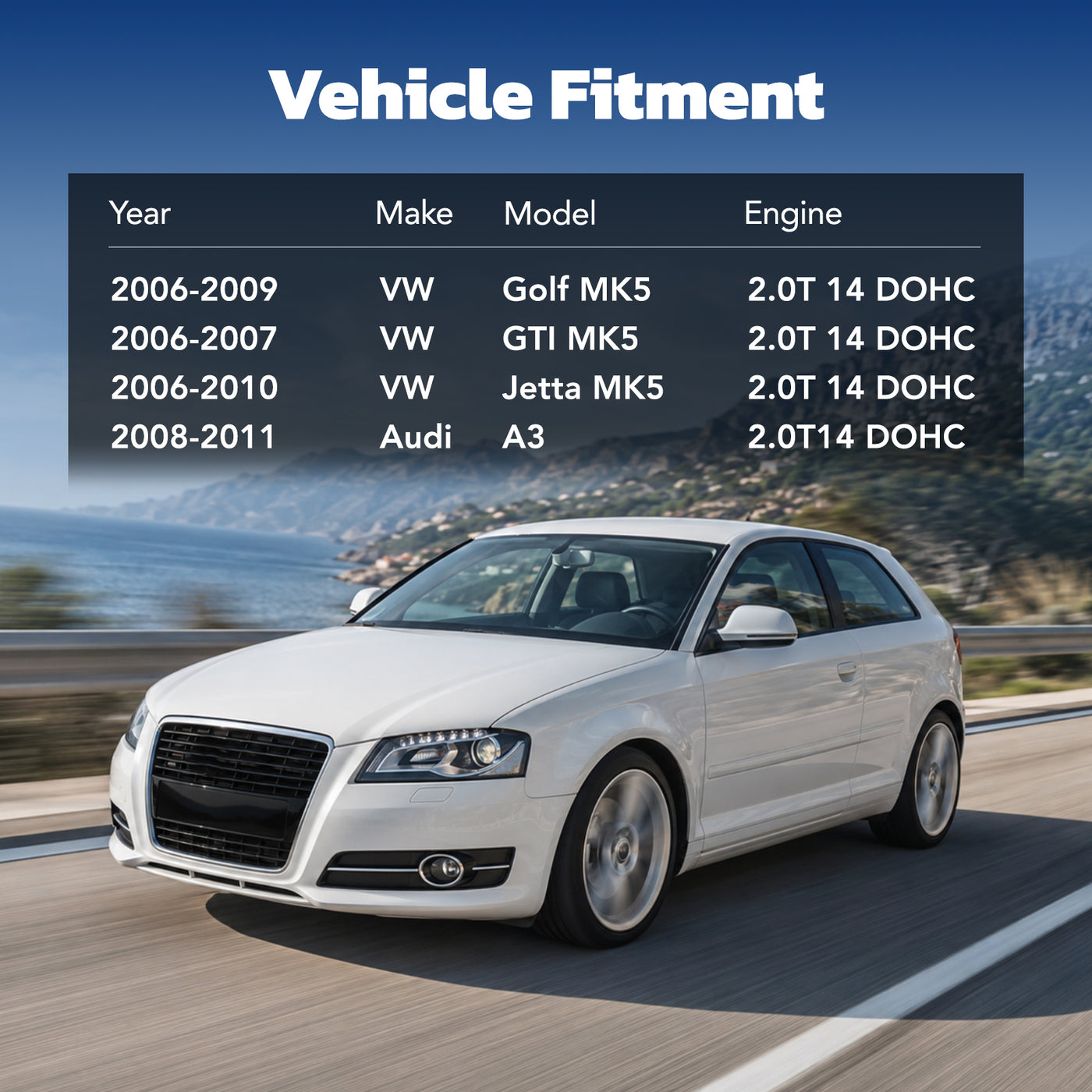
- 2006 VW Golf MK5 2.0L/2.0T 14 DOHC
2007 VW Golf MK5 2.0L/2.0T 14 DOHC
2008 VW Golf MK5 2.0L/2.0T 14 DOHC
2009 VW Golf MK5 2.0L/2.0T 14 DOHC - 2006 VW GTI MK5 2.0L/2.0T 14 DOHC
2007 VW GTI MK5 2.0L/2.0T 14 DOHC
(Except 2008 Volkswagen GTI, 2009 Volkswagen GTI) - 2006 VW Jetta MK5 2.0L/2.0T 14 DOHC
2007 VW Jetta MK5 2.0L/2.0T 14 DOHC
2008 VW Jetta MK5 2.0L/2.0T 14 DOHC
2010 VW Jetta MK5 2.0L/2.0T 14 DOHC
(Except 2009 Jetta) - 2008 Audi A3 2.0V/2.0T14 DOHC
2009 Audi A3 2.0V/2.0T14 DOHC
2010 Audi A3 2.0V/2.0T14 DOHC
2011 Audi A3 2.0V/2.0T14 DOHC
(Except2006 Audi A3,2007 Audi A3Ambiente Hatchback )
NOT FOR TSI / CBT Models
- Note: Also fits VW Golf GTI & Jetta. See full compatibility here.
Which Audi models does this downpipe fit?
A1: It fits the 2000-2002 Audi S4 with the 2.7L biturbo V6 (B5 platform) and the corresponding A6 and Allroad with the same engine code. If you're running K04 turbos (factory RS6 turbos or upgraded hybrids), this is the flange pattern you need. The 3" to 2.5" reducer steps down to match your exhaust system. Double-check your turbo part numbers — some early B5 S4s came with K03s, which use a different flange.
What's the power potential with catless downpipes on the 2.7L biturbo?
A2: The 2.7L responds well to exhaust mods because each turbo only has to spool one bank — you're not fighting for exhaust pulse timing across cylinders. With catless downpipes and a tune, you're looking at 30-50whp over stock, depending on whether you're running stock K04s or upgraded hybrids. The biturbo setup actually spools faster with less backpressure since each turbo isn't starving for flow from the other bank.
Will I need a tune after installing catless downpipes?
A3: Not strictly — the ECU will compensate to some degree. But here's the thing: without a tune, you'll throw a CEL immediately (P0420/P0430 for sure), and the car will run slightly rich because the O2 sensors detect no cat activity. A proper tune with a vag-com or ecutek removes that CEL, optimizes the air-fuel ratio, and actually lets you feel the power gains. A downpipe without a tune is half an upgrade.
What causes the check engine light after installing catless downpipes?
A4: The downstream O2 sensors (post-cat sensors) detect that your catalytic converters are gone. They expect to see a certain conversion efficiency from the cats — without them, the sensor readings look wrong to the ECU. You get P0420 (bank 1) or P0430 (bank 2), sometimes both. Some people run O2 spacers or defoulers to fool the sensors, but the proper fix is a tune that disables post-cat monitoring. Just know that doing so makes the car non-compliant with emissions testing in most states.
What's the sound difference with catless downpipes on the B5 S4?
A5: The biturbo V6 sounds absolutely mean with catless downpipes. The turbo flutter is more audible, the spool-up is louder, and under deceleration you get some serious pops and crackles. It's not quiet. The resonated midpipe option tames the drone a bit if you're doing long highway stints — the non-resonated version is pure aggression. Choose based on how much your neighbors can tolerate.
Are these downpipes legal for street use in California?
A6: Absolutely not. California Vehicle Code Section 27156 prohibits any device that removes or renders inoperative any emission control system — catalytic converters included. Installing catless downpipes on any vehicle registered in California is illegal for street use. You're fine for track days, off-road events, or private property use. But if you get pulled over or need a smog check, you're failing. Period.
What's the difference between resonated and non-resonated downpipes?
A7: Resonated downpipes have a small chamber inside that reduces drone at highway speeds — it acts like a muffler for the exhaust gases themselves. Non-resonated is straight pipe all the way, maximum flow, maximum sound. For a daily-driven B5 S4, resonated is the smarter choice. For a dedicated track car or weekend toy that you want to hear, non-resonated delivers the goods.
How does the catless downpipe affect turbo spool on the biturbo V6?
A8: Less backpressure means faster spool. The factory downpipes are choked — they're designed for emissions compliance, not performance. Removing the cats lets the turbo breathe easier, so you hit boost sooner. On a car with 18-20psi of boost like the B5 S4, dropping 2-3psi of backpressure makes a noticeable difference in throttle response, especially in the midrange where the biturbos are transitioning.
Do I need different gaskets or hardware for installation?
A9: The Flashark downpipe comes with new exhaust gaskets and hardware, but you should also grab a new turbo outlet gasket if yours looks at all worn. The V-band clamps are reusable if they're not corroded, but new ones are cheap insurance. If you're reusing the factory midpipe, make sure the seal between the downpipe and midpipe is tight — leaks here will set your AFRs haywire and trigger a CEL.
Can I run these downpipes with an aftermarket exhaust system?
A10: Yes — the 3" to 2.5" reducer on the downpipe outlet means it pairs with most cat-back exhausts designed for the B5 S4 platform. APR, Supersprint, and Milltek all make systems that mate directly. If you're running a custom setup, just confirm the diameter and flange type before you buy. The last thing you want is to get everything bolted up and find out your midpipe is 2.25" instead of 2.5".
What's the performance difference between K03 and K04 turbos with these downpipes?
A11: K04 turbos flow significantly more air than K03s — the compressor wheels and turbine blades are physically larger. With K04s and catless downpipes, you're not bottlenecking the exhaust side, so the turbo can actually do its job. K03s still benefit, but you're more likely to hit compressor surge if you're pushing them hard with the added flow capacity. Know your turbo limits before you chase numbers.
How do I maintain catless downpipes on a high-mileage B5 S4?
A12: Stainless steel resists corrosion, but the interior of a downpipe exposed to exhaust gases will carbon up over time. On a high-mileage car, you might notice some discoloration inside — that's normal. If you're tracking the car hard, check the welds periodically for cracks from heat cycling. The V-band clamps can loosen from expansion and contraction, so re-torque them after the first few heat cycles. Keep an eye on your O2 sensor health too — raw exhaust gases shorten sensor life.


