Q1: Will these headers fit my 1995-1999 Mitsubishi Eclipse GS non-turbo?
A1: Yes, if your Eclipse has the 2.0L 420A DOHC naturally aspirated engine. These headers are specifically for the non-turbo 2G Eclipse RS and GS models—engine code 420A. If you have the GS-T or GSX with the 4G63T turbo engine, these absolutely will not fit. The turbo cars have a completely different exhaust layout. The 420A is actually a Chrysler-designed engine (same family as the Neon), not a Mitsubishi engine, so the exhaust port configuration shares nothing with the 4G63.
Q2: What's the difference between the 420A and 4G63 Eclipse headers?
A2: They're completely different engines with nothing shared in the exhaust department. The 420A is a Chrysler-designed 2.0L NA inline-four used in the Eclipse RS and GS. The 4G63 is a Mitsubishi-designed turbo 2.0L used in the GS-T and GSX. Different block, different head, different exhaust port spacing, different flange pattern. The headers are not interchangeable. If you're not sure which engine you have, check the emissions sticker under the hood or look at the VIN—8th digit is the engine code.
Q3: My stock Eclipse exhaust manifold is cracked. Will these 420A headers fix that?
A3: Yes. Cracked exhaust manifolds are practically a feature of the 420A Eclipse—ask anyone on DSMTuners. The factory cast iron manifold is notorious for developing cracks, especially near the collector. These stainless steel headers are a direct bolt-on replacement that eliminates the cracking problem. Stainless flexes more under heat cycling than cast iron, so it handles thermal stress without cracking. Plus you'll pick up some horsepower and your engine will sound less like a tractor.
Q4: Do these Mitsubishi Eclipse headers require any modifications to install?
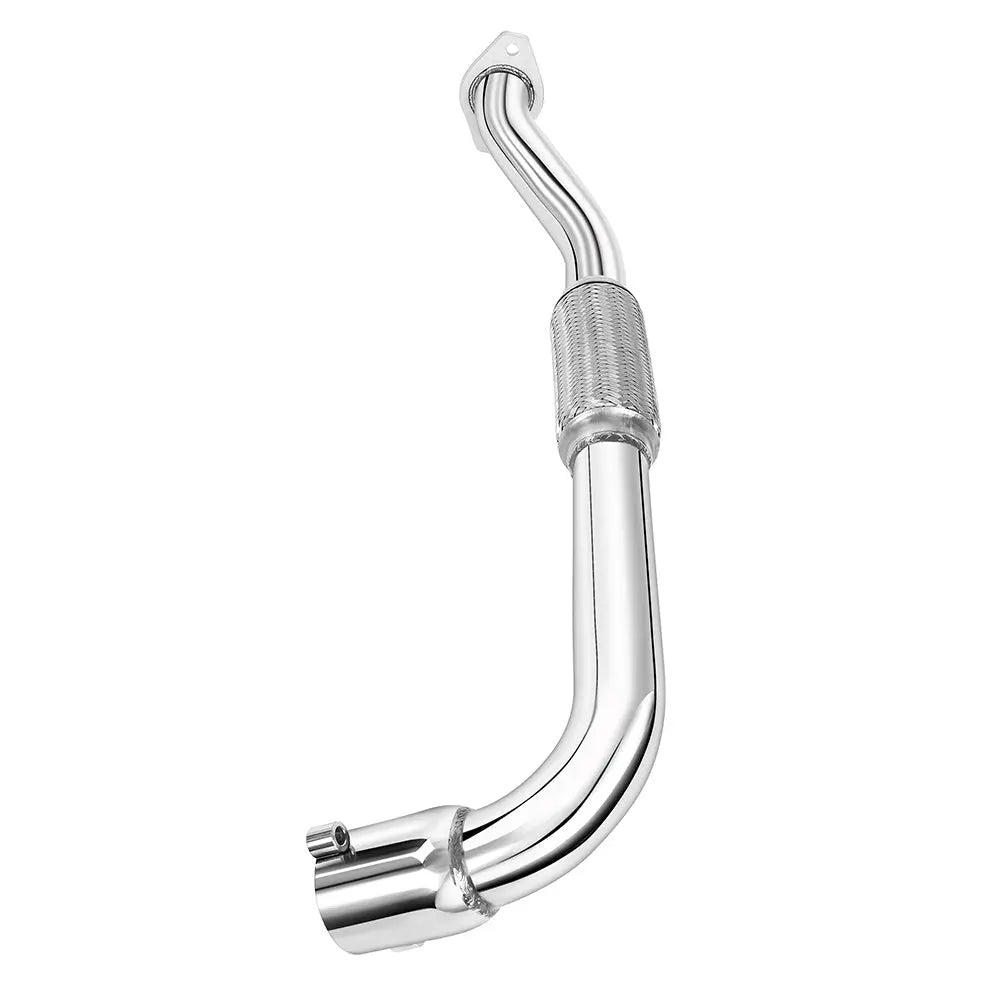
A4: No modifications needed for the header itself. It's a direct bolt-on to the 420A cylinder head and connects to the stock exhaust using the factory mounting points. The tricky part of the install isn't the header—it's getting the old manifold off. The stock manifold bolts tend to seize in the aluminum head after 25+ years of heat cycling, and snapping a bolt means drilling it out. Soak everything in penetrating oil the night before and work the bolts back and forth gently rather than cranking them hard right away.
Q5: Will these 420A headers trigger a check engine light on my Eclipse?
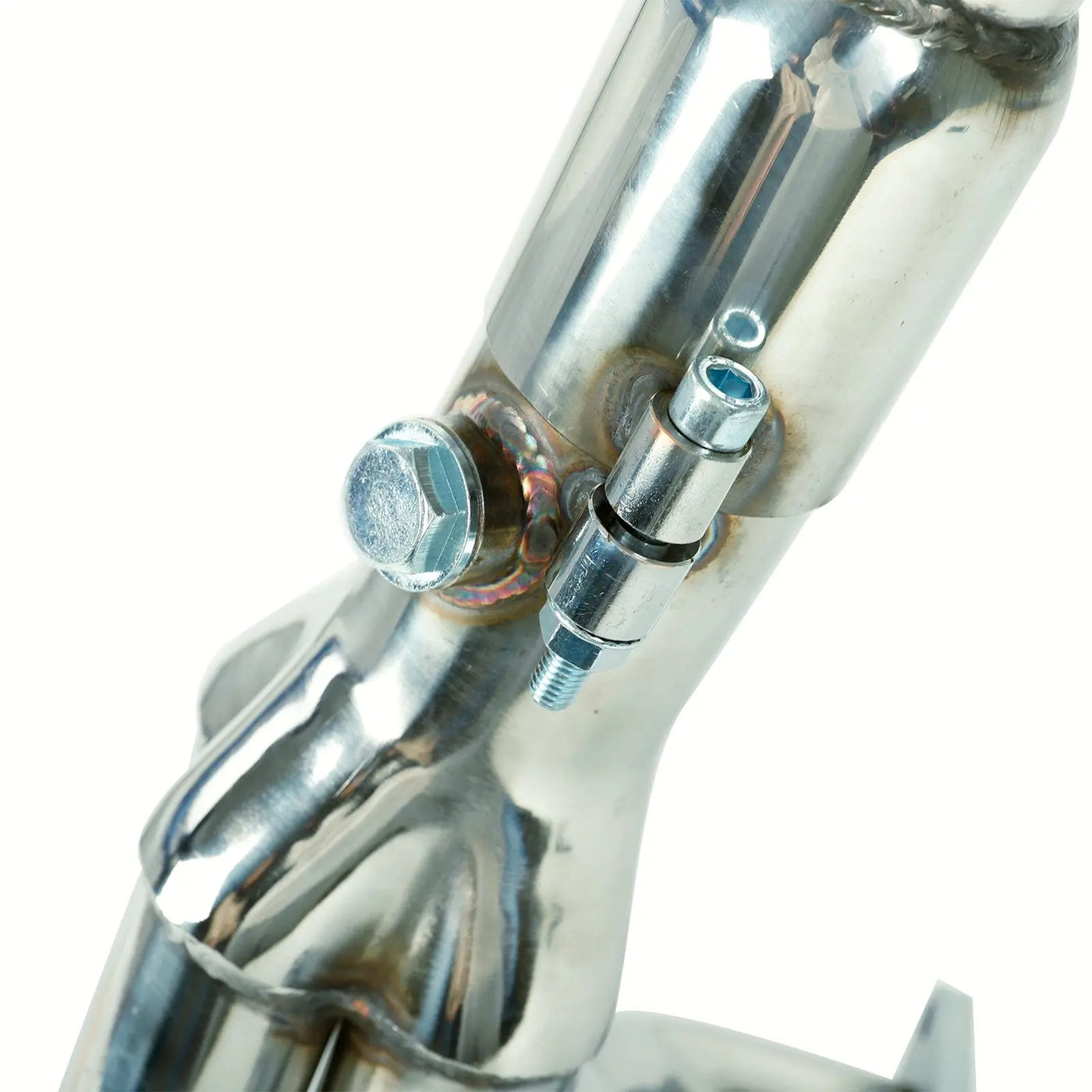
A5: If your 420A Eclipse has a single upstream O2 sensor (which most 1995-1996 models do), you should be fine—no CEL. The header has an O2 sensor bung in the correct location. On 1997-1999 models that have a secondary downstream O2 sensor, replacing the stock manifold with a header shouldn't trigger a CEL on its own, as long as you keep the catalytic converter in place. If you're also swapping in a high-flow cat or deleting the cat entirely, that's when the downstream sensor gets unhappy.
Q6: How much horsepower do these Eclipse 420A headers add?
A6: On an otherwise stock 420A, expect 8-12 hp at the wheels. The 420A makes about 140 hp from the factory, so it's not a huge percentage gain. But the real improvement is in throttle response and how the engine pulls past 3,000 RPM. The stock manifold chokes the top end. If you pair the headers with a cold air intake and a cat-back exhaust, the combined gains are more noticeable—probably 15-20 hp total across the setup.
Q7: Do I need a tune after installing these Mitsubishi Eclipse headers?
A7: On an OBD-I car (1995), the ECU is fairly forgiving and will adjust fuel trim on its own. On 1996-1999 OBD-II cars, the stock ECU should still compensate, but some owners notice the car running slightly lean at part throttle after a header install. A tune isn't strictly necessary, but if you're also running intake and exhaust mods, a custom tune will get you the most out of the setup. The 420A community generally agrees that bolt-ons alone don't require a tune, but a tuned ECU makes everything work better together.
Q8: Will these headers fit a Dodge Neon with the 420A engine?
A8: The 420A engine in the Neon shares the same cylinder head and exhaust port layout as the Eclipse 420A, so the header itself would bolt to the head. But the undercarriage routing is different—the Neon and Eclipse have different floor pans, exhaust hanger positions, and engine bay layouts. The downpipe and collector location may not line up with the Neon's exhaust system. Some guys have made it work with custom mid-pipe fabrication, but it's not a drop-in fit. You'd need a muffler shop to finish the connection.
Q9: Are these Eclipse headers street legal in California?
A9: No. These headers do not carry a CARB Executive Order number, which means they're not legal for street use in California or any state that follows CARB emissions standards. California Vehicle Code Section 27156 prohibits exhaust modifications that alter or defeat emissions controls. These are sold for off-road and competition use only. In practice, a 25-year-old Eclipse probably isn't getting sent to a referee anytime soon, but the legal classification is what it is.
Q10: What's the difference between these headers and the stock exhaust manifold on a 420A?
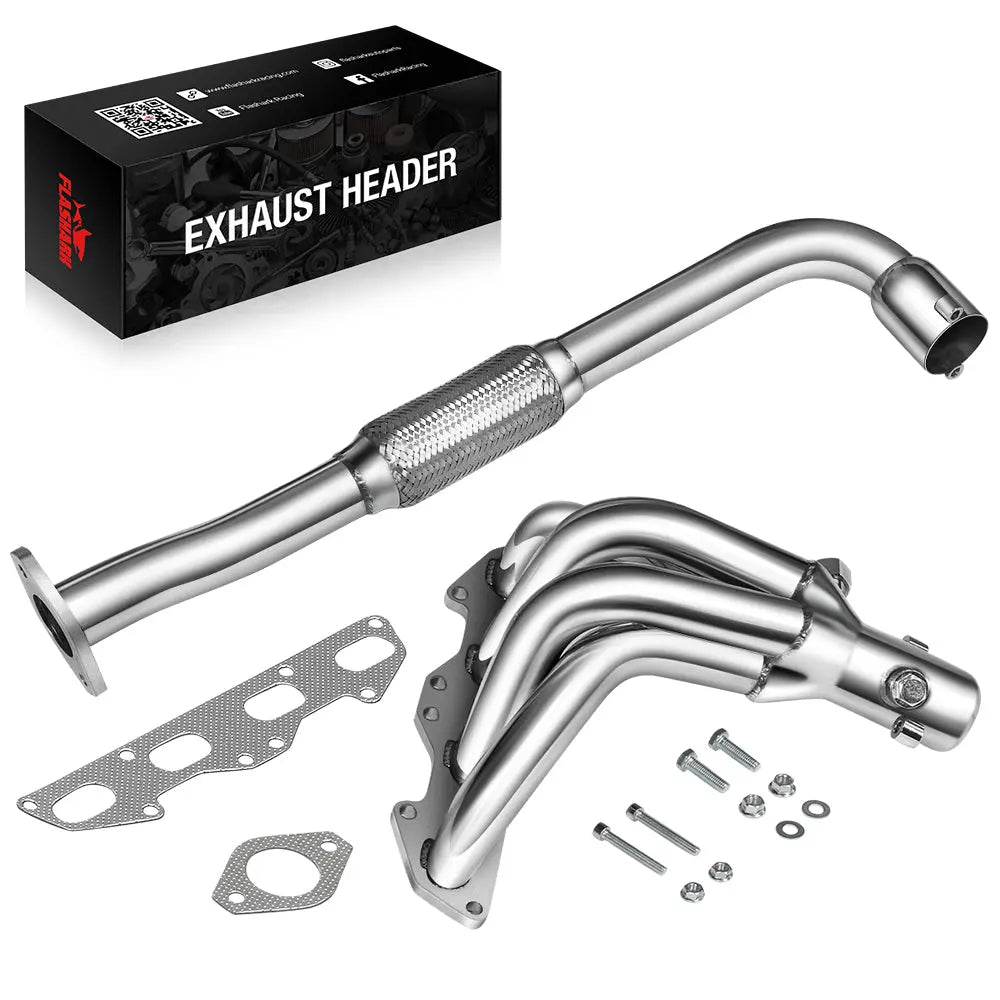
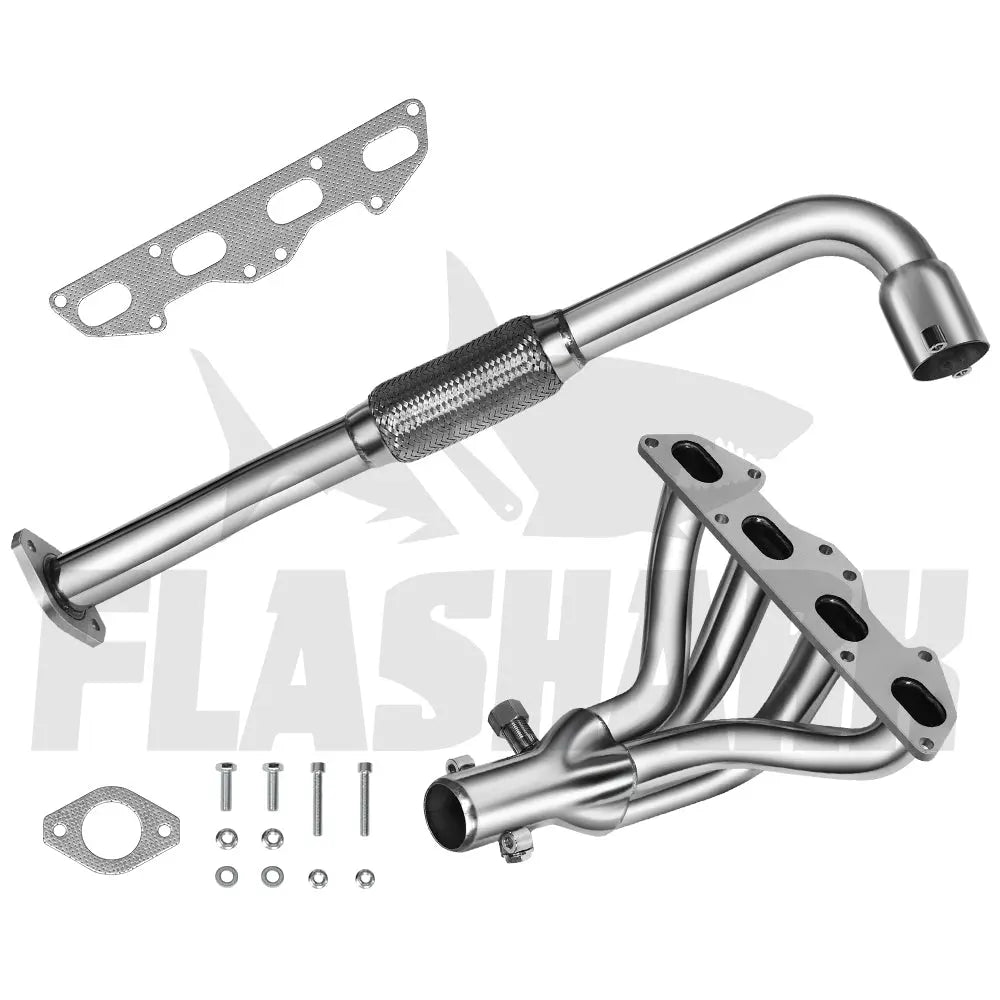
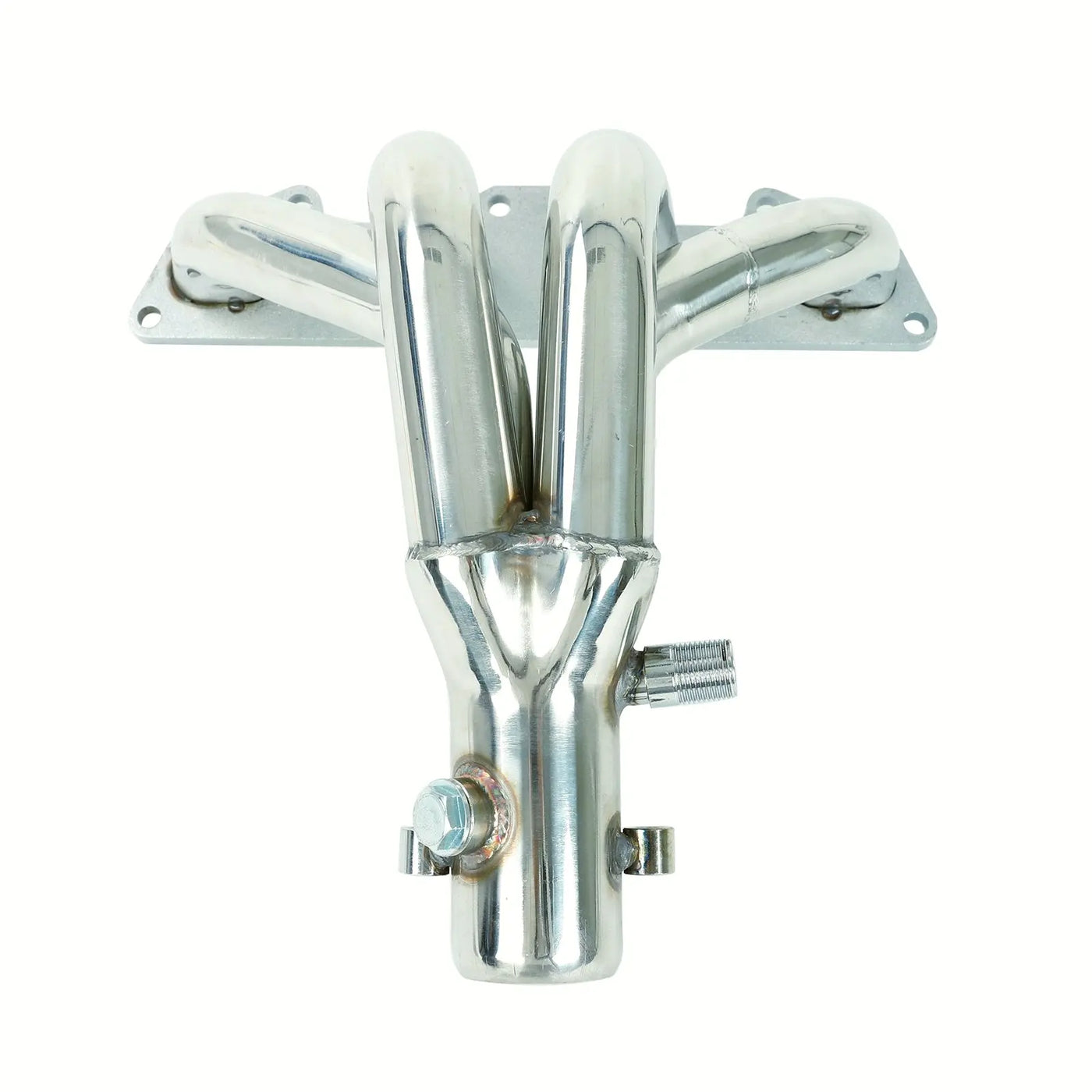
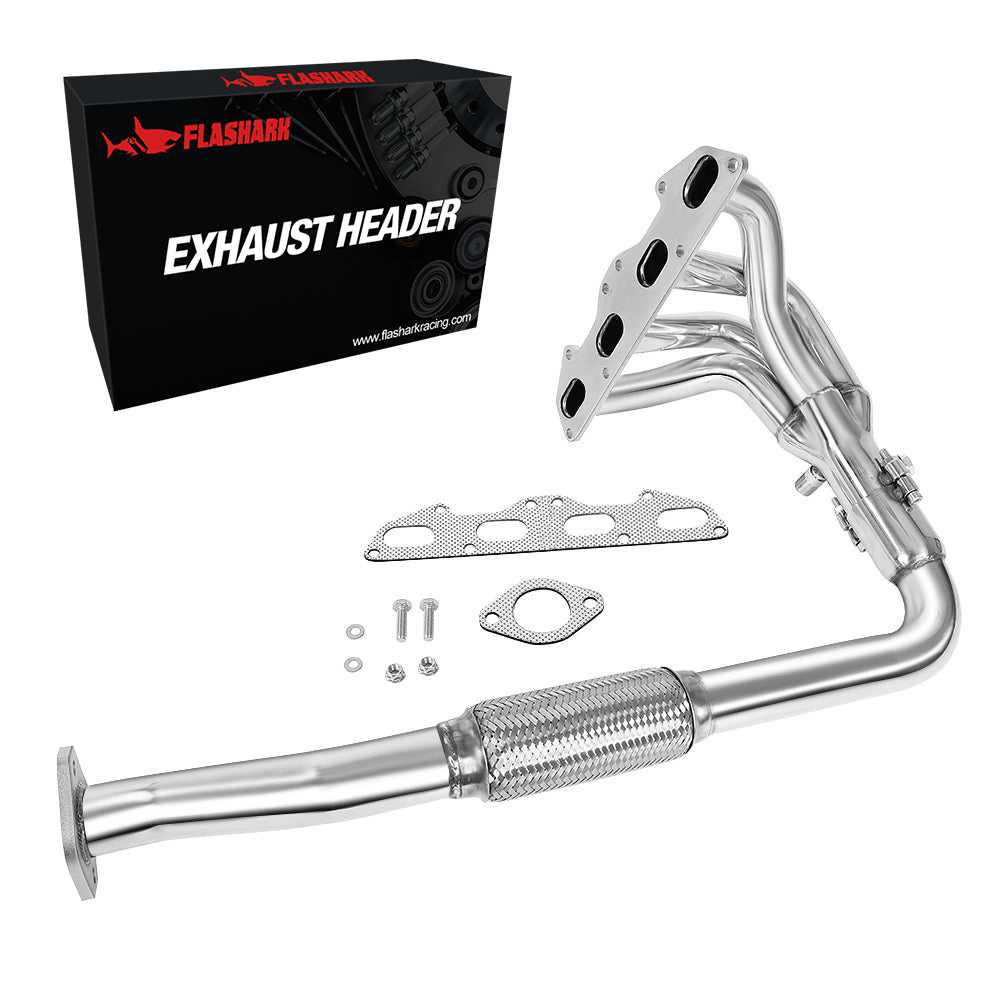
A10: The stock manifold is a heavy cast iron log design where all four cylinders dump into one shared chamber. It creates back pressure and cracks. These headers give each cylinder its own tube, so exhaust gases exit without fighting each other. Less back pressure, more power, better sound. The header is also stainless steel and significantly lighter than the cast iron manifold. And unlike the stock manifold, it won't crack every 40,000 miles.
Q11: Do these 420A headers work on the Eagle Talon non-turbo?
A11: Yes. The 1995-1999 Eagle Talon ESI (non-turbo) uses the same 420A engine as the Eclipse RS/GS. It's the same car underneath—badge engineering at its finest. The headers bolt up the same way. The Talon TSi with the 4G63T is the turbo variant, and these headers won't fit that. Same rule as the Eclipse: 420A = yes, 4G63T = no.
Q12: Will these headers make my 420A Eclipse sound louder?
A12: Yes, but not obnoxiously so. The 420A with a stock manifold and stock exhaust is whisper quiet. These headers open up the exhaust flow and give it a deeper, slightly raspy tone that's noticeable above 2,500 RPM. It's still a 2.0L four-cylinder, so you're not going to set off car alarms. With a cat-back exhaust, it gets louder and more aggressive. With the stock cat-back, it's a modest improvement that most people find enjoyable without being annoying on highway cruises.




 Product Specifications


