


1999–2000 BMW E46 323i and 328i Exhaust Headers
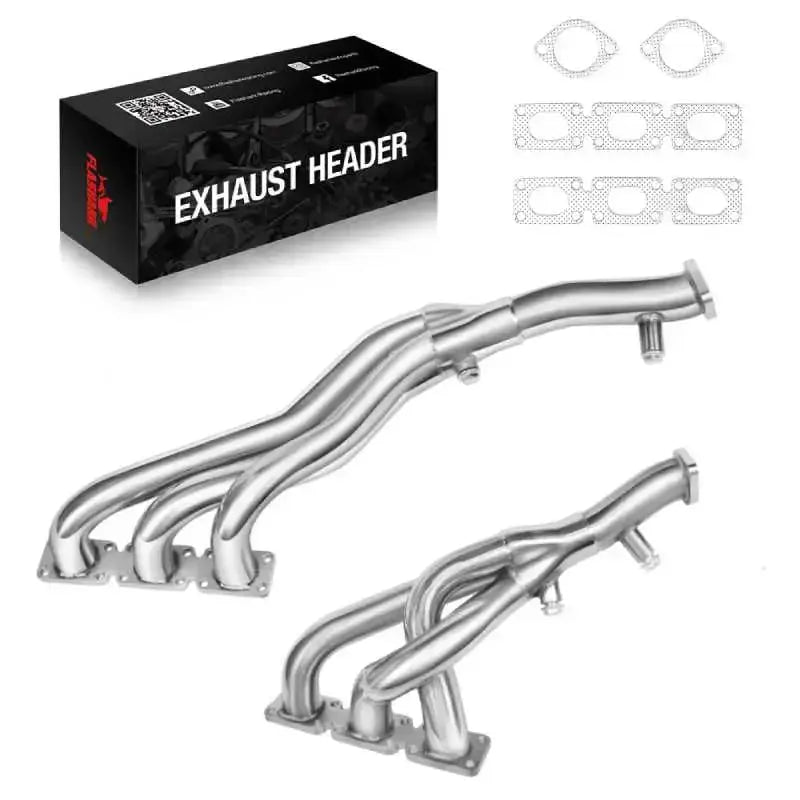
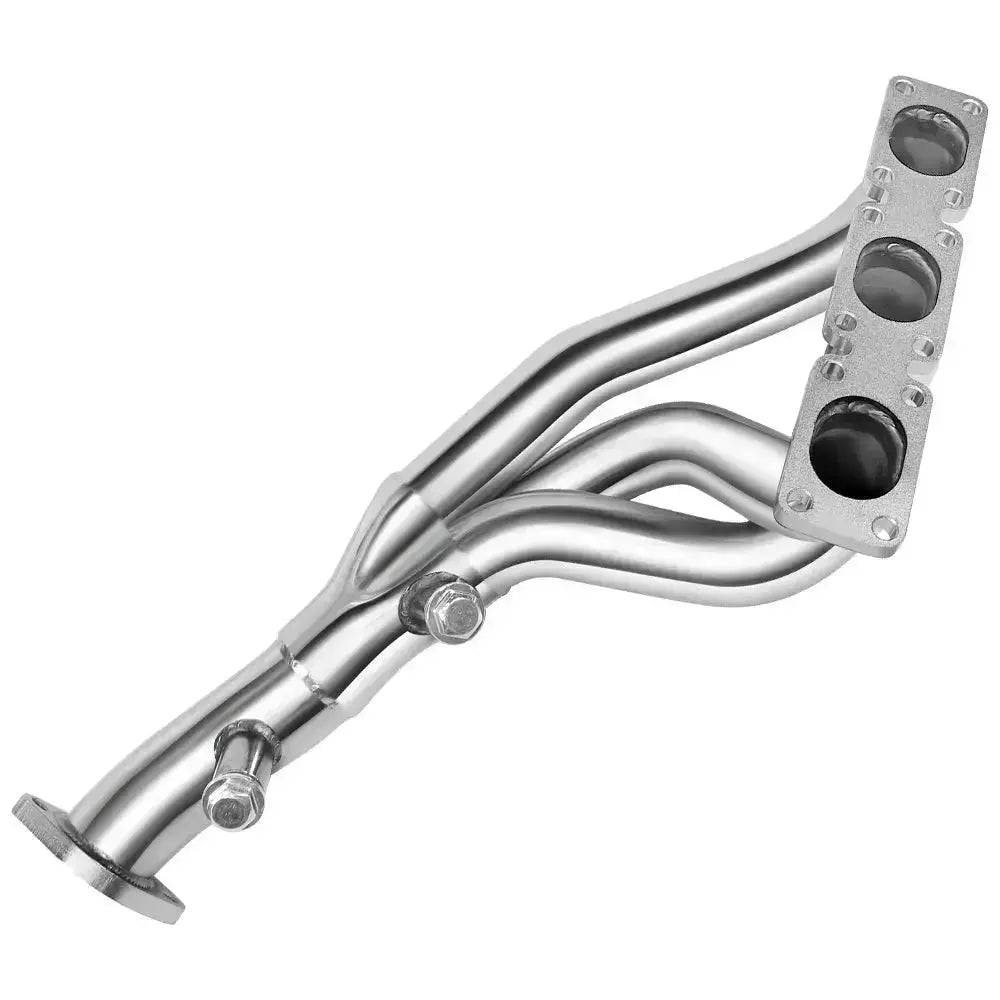
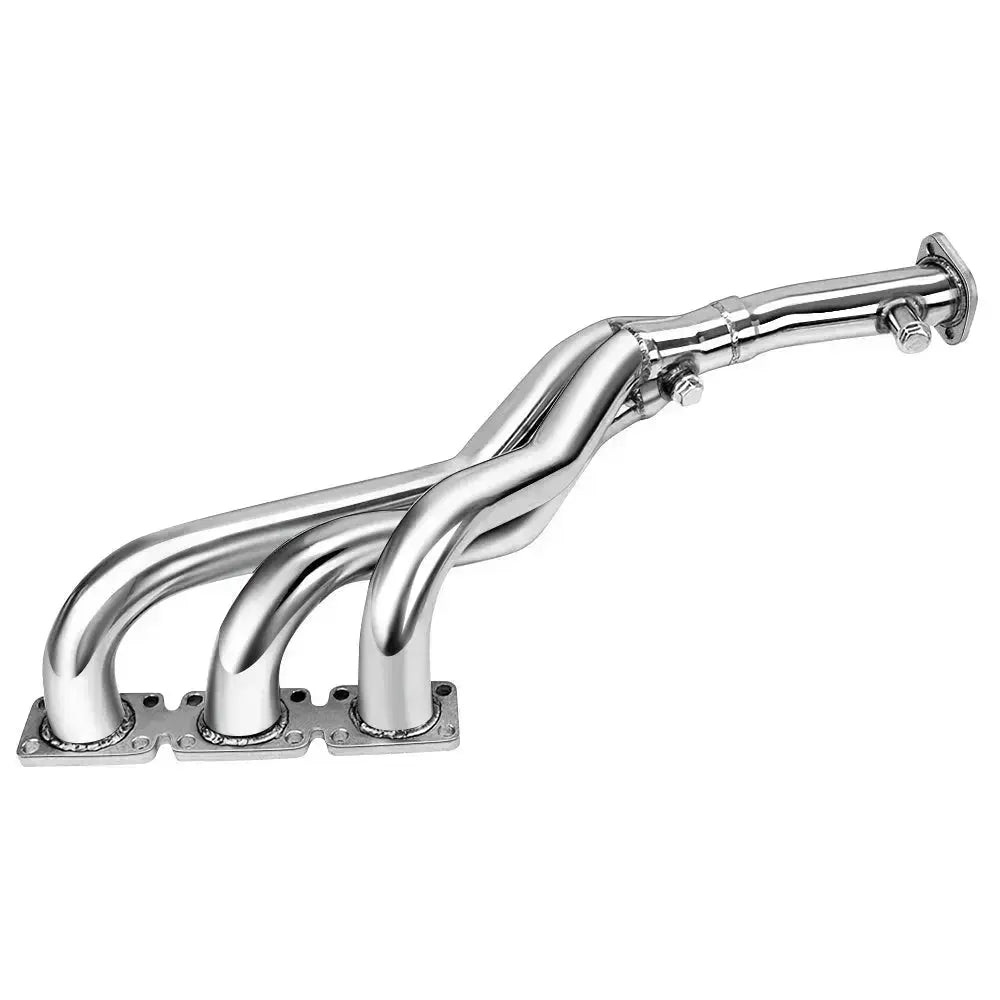
Replace the restrictive factory exhaust manifolds with a freer-flowing setup designed to sharpen the response and sound of an early non-M E46. These Flashark exhaust headers fit listed 1999–2000 BMW E46 323i and 328i applications with 2.5L or 2.8L inline-six engines.
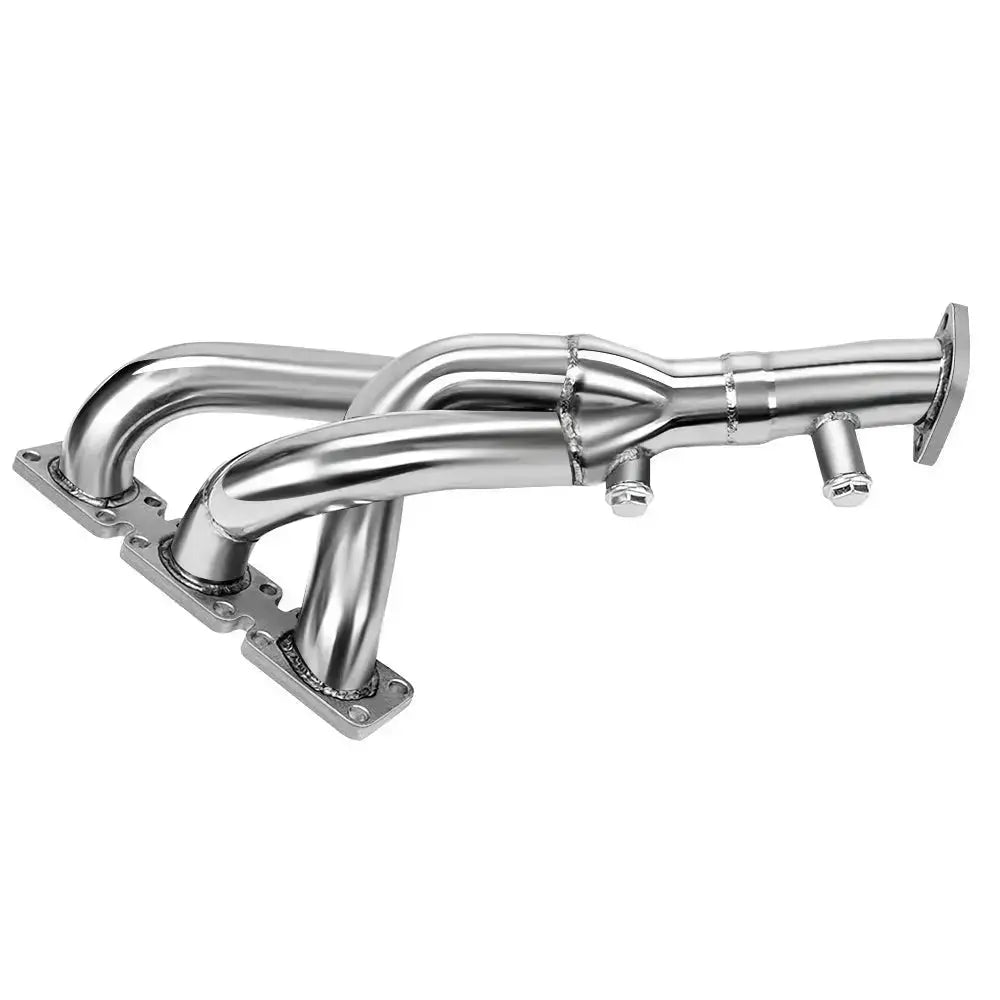
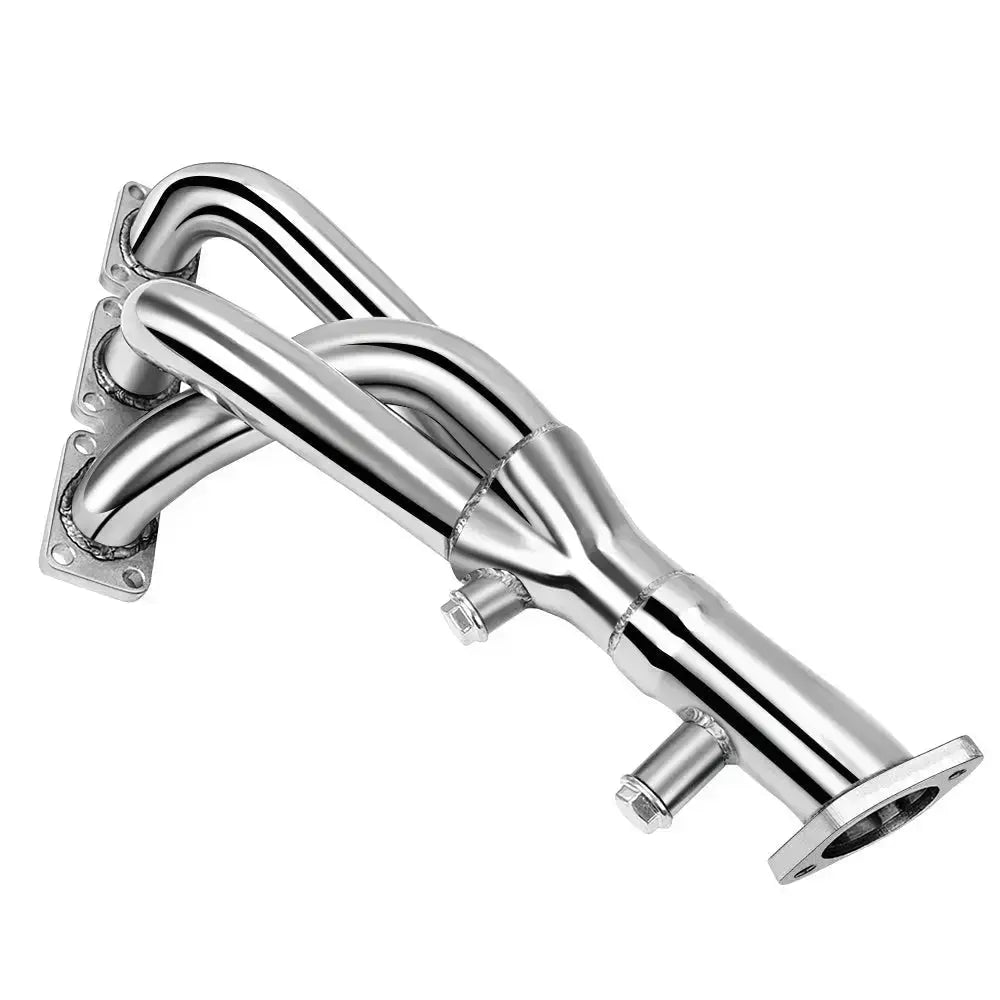
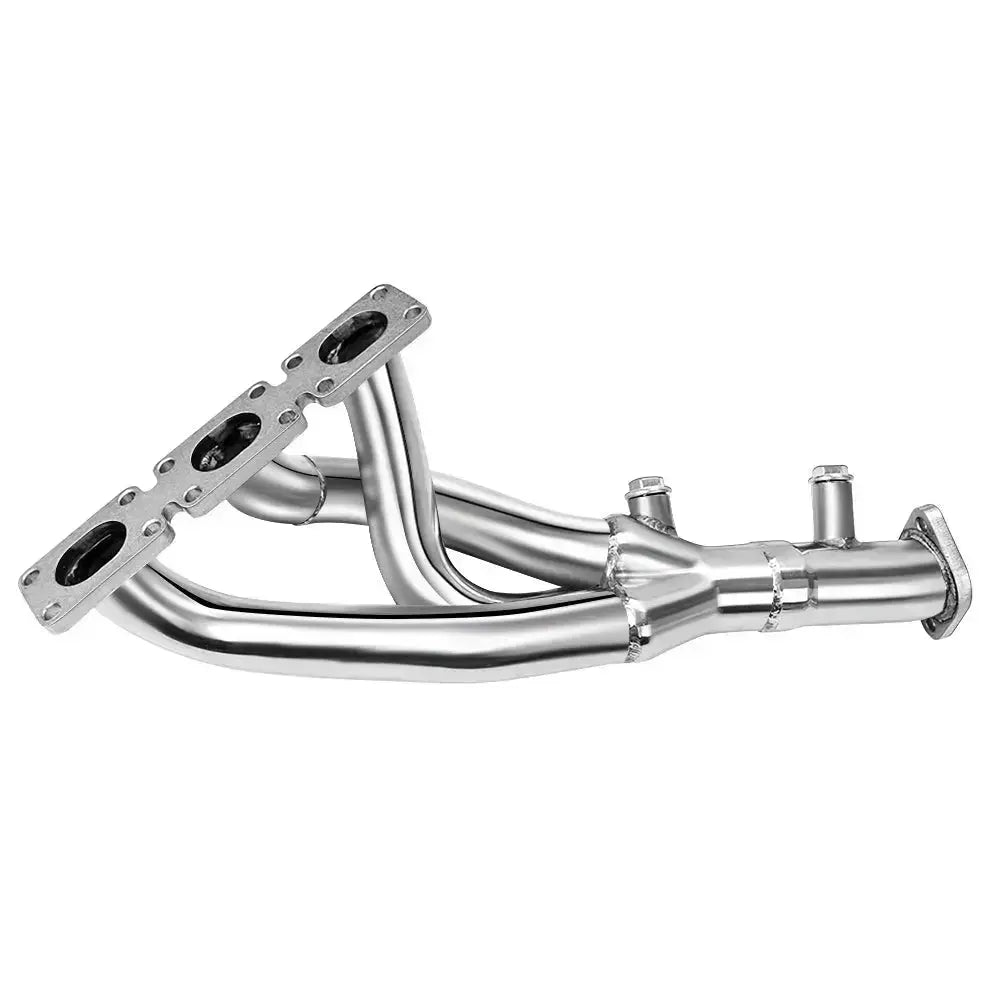
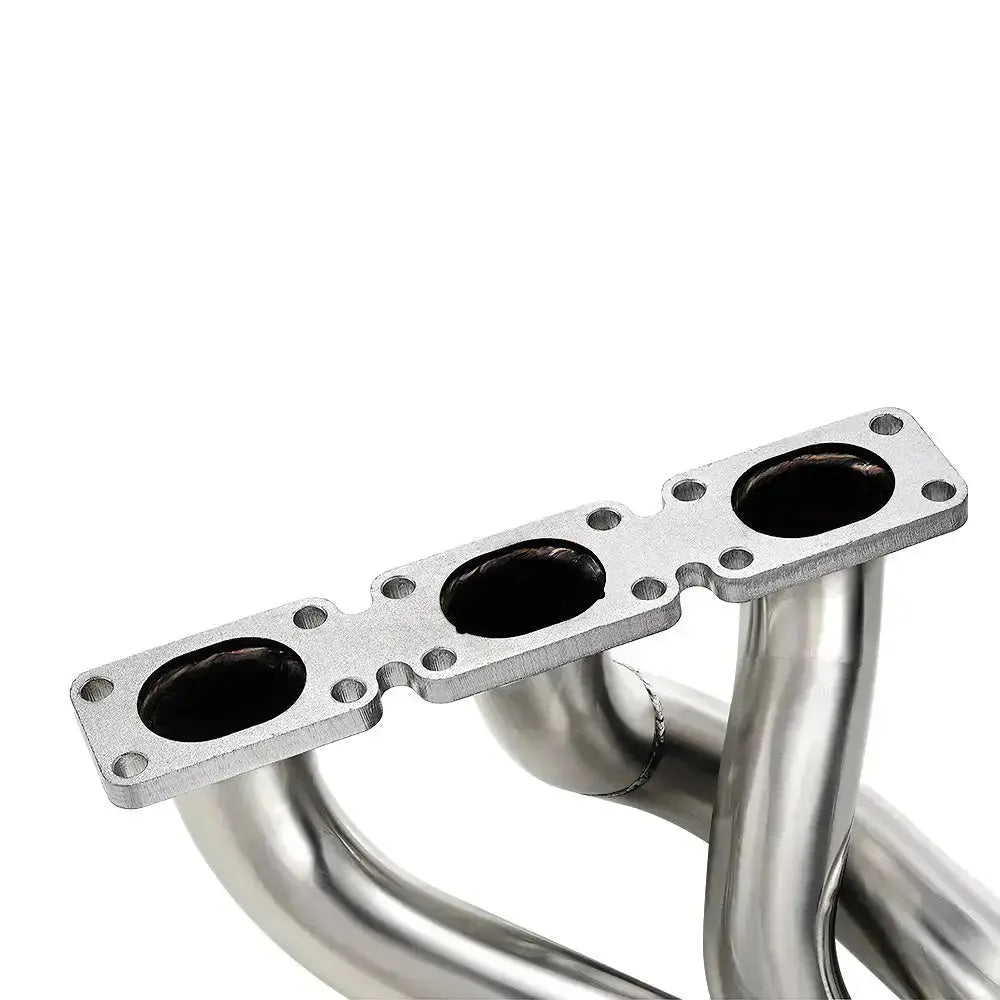
The lightweight 6-2-1 layout uses mandrel-bent T304 stainless steel tubing, TIG-welded joints and four O2 sensor ports. It is intended for drivers building a more responsive naturally aspirated exhaust system for performance, track or other permitted use.
Specifications
| Brand | FLASHARK |
|---|---|
| Selected product SKU | FLES08335 |
| Product type | Exhaust headers / replacement exhaust manifolds |
| Header layout | 6-2-1 |
| Material | T304 stainless steel |
| Surface finish | Mirror polished |
| Construction | Mandrel-bent tubing with TIG-welded joints |
| O2 sensor ports | Four |
| Catalytic converters | Not included |
| Estimated output support | Approximately 10–15 HP depending on engine condition, exhaust configuration, calibration and installation quality |
Key Features
- Freer exhaust path: Individual runners and a 6-2-1 layout help reduce restriction compared with the heavy factory manifold assembly.
- T304 stainless steel: The lightweight stainless construction is designed to resist corrosion and repeated exhaust heat cycles.
- Mandrel-bent tubing: Smooth bends help maintain a more consistent internal exhaust path.
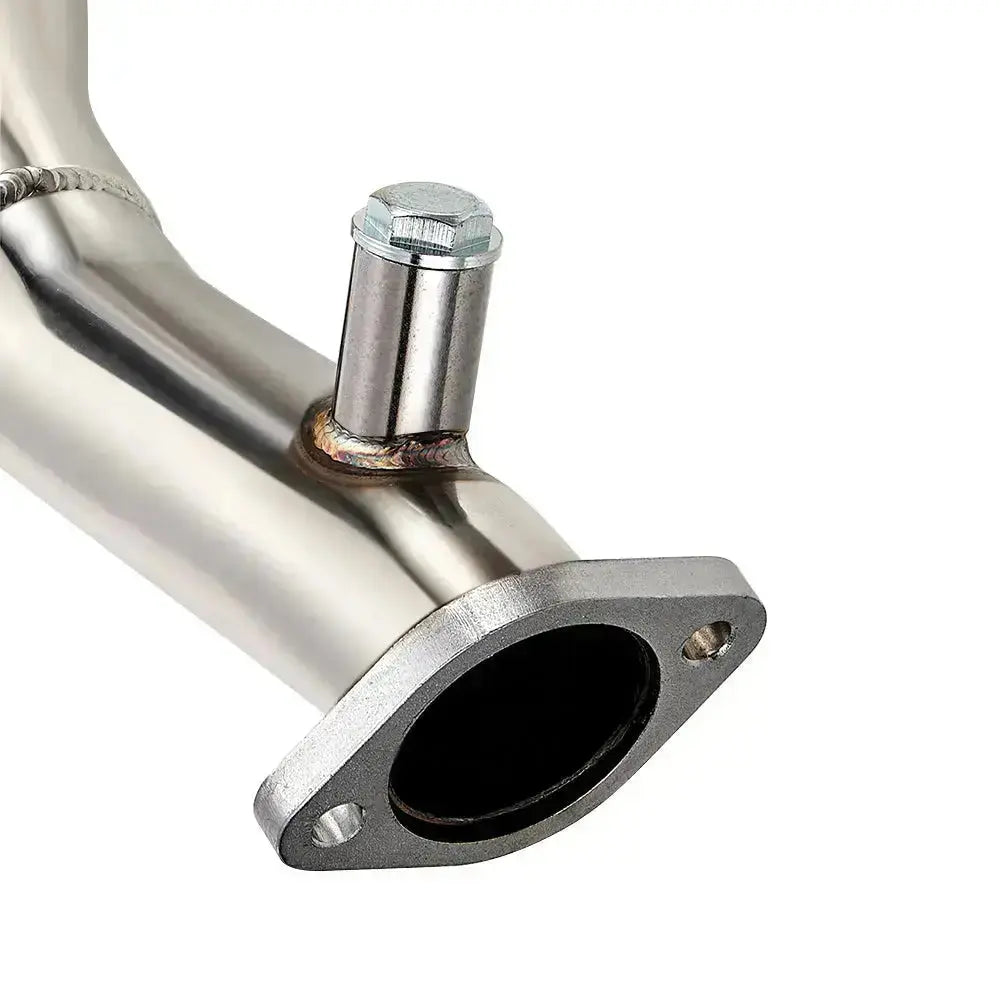
- TIG-welded joints: Back-purged welding helps protect the inner and outer sides of the welded areas.
- Four O2 sensor ports: Sensor locations are provided for the early E46 engine-management layout.
- More defined exhaust character: Expect a deeper and more mechanical inline-six tone, with the final volume and rasp depending on the rest of the exhaust system.

Built for Better Flow and Sound
The factory E46 exhaust manifolds combine heavy cast construction with integrated emissions components. This header set replaces that restrictive front section with longer stainless-steel runners that guide exhaust pulses toward the collectors.
On a naturally aspirated 323i or 328i, the change is aimed at sharper throttle response, smoother exhaust movement and better pull through the upper rpm range. The final result depends on engine health, ECU calibration, the downstream exhaust and the quality of the installation.
A stock rear exhaust can keep the volume more controlled. Muffler deletes, reduced resonation and other free-flowing downstream parts can make the car substantially louder and may introduce rasp or cabin drone.
Factory Manifold vs. Stainless Steel Headers
| Area | Factory Manifold | Flashark Headers |
|---|---|---|
| Construction | Heavy factory manifold assembly | T304 stainless-steel tubing |
| Exhaust path | Compact factory routing | Longer mandrel-bent runners with 6-2-1 collectors |
| Catalytic converters | Factory emissions configuration | Not included |
| Sound | Quieter factory character | Deeper, more pronounced inline-six tone |
| Engine management | Designed around the factory catalyst monitoring system | Catalyst-efficiency codes may require appropriate calibration or an emissions-system solution permitted for the vehicle’s use |
What Is Included
- Two exhaust header/manifold sections
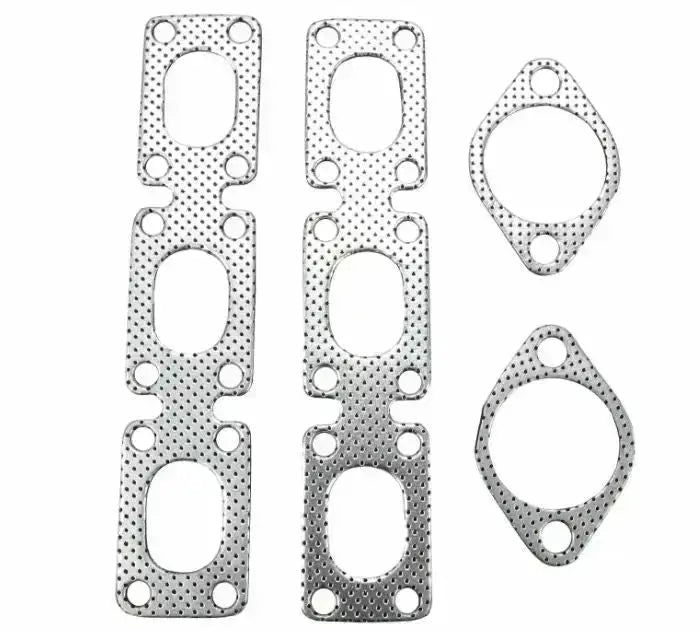
- Four gaskets
Inspect the selected SKU and all supplied components before removing the factory exhaust. Replacing worn manifold studs, nuts and downstream hardware at the same time can help reduce the risk of leaks or repeated labor.
Installation Notes
- Professional installation is recommended because access around the cylinder head, steering components and O2 sensor wiring is limited.
- Allow the engine and exhaust to cool fully before beginning work.
- Inspect the cylinder-head studs and threads before installing the new headers.
- Keep the O2 sensors and their wiring in the correct upstream and downstream positions.
- Check runner, flange, steering and body clearance before final tightening.
- Align the downstream exhaust without pulling the headers sideways under tension.
- Tighten fasteners evenly and check for exhaust leaks after the first complete heat cycle.
- Existing exhaust modifications can change flange position and may require professional exhaust work.
Technician’s note: Do not use the mounting hardware to force misaligned exhaust sections together. Side-loading the header flanges can contribute to leaks, damaged studs and cracked welds.
Who This Header Set Is For
- Owners of a listed 1999–2000 E46 323i or 328i building a freer-flowing naturally aspirated exhaust.
- Drivers who want a more pronounced inline-six exhaust tone.
- Track or performance builds where the catalyst-free configuration is permitted.
- Owners who accept the possibility of additional sound, rasp, exhaust odor and engine-management changes.
Who Should Choose a Different Exhaust Setup
- Drivers who require a street-legal or emissions-compliant replacement manifold.
- Owners who need catalytic converters included with the header assembly.
- Drivers who want factory-level sound, odor control and emissions monitoring.
- Owners of an E46 M3, later M54-powered E46, E39 540i or any model not listed in the fitment table.
- Vehicles with downstream exhaust modifications that cannot be matched to this header outlet layout.
Emissions & Street-Use Notice
This header set does not include catalytic converters. Removing or relocating factory emissions equipment can trigger a check-engine light, increase exhaust odor and make the vehicle unsuitable for public-road use.
Use is limited to applications and locations where this configuration is permitted. Check the regulations that apply to the vehicle before installation.
Shipping & Returns
Free U.S. Shipping: Orders are typically processed within 1–2 business days and delivered within 7–9 business days. Additional charges may apply to remote areas.
30-Day Returns: Unopened and unused items in their original packaging may be returned within 30 days of receipt. Return shipping is covered for verified quality issues.
Worry-Free Delivery: Optional protection against eligible loss, theft, delay, or transit damage is available at checkout.

Fitment & Compatibility
⚠️ CRITICAL FITMENT RULE (MUST READ BEFORE PURCHASE)
✅ Verified Fitment
| Brand | Model | Year Range | Full Compatible Specs |
|---|---|---|---|
| BMW | 323i | 1999-2000 | E46 Chassis; 2.5L Inline-6 (I6) Engine; Sedan/Wagon |
| BMW | 328i | 1999-2000 | E46 Chassis; 2.8L Inline-6 (I6) Engine; Sedan/Coupe |
- Designed for the listed early E46 323i and 328i applications.
- Not for the E46 M3 or its S54 engine.
- Not for later E46 325i or 330i models with the M54 engine.
- Not listed for E39 540i V8 applications.
- Existing mid-pipe, catalytic-converter or catback modifications can affect flange alignment and installation.
- Check engine code, steering configuration and downstream exhaust layout before ordering.
BMW E46 323i and 328i Exhaust Header FAQs
Q1: Will these headers fit my BMW E46?
A1: They are listed for 1999–2000 BMW E46 323i and 328i applications shown in the fitment table. Match the year, engine, body style and downstream exhaust layout before ordering.
Q2: Do these headers fit an E46 M3?
A2: No. The E46 M3 uses the S54 engine and requires a different header design.
Q3: Do they fit a later E46 325i or 330i?
A3: No. Later 325i and 330i models use the M54 engine and a different downstream exhaust arrangement. Use an M54-specific header set for those vehicles.
Q4: Are catalytic converters included?
A4: No. This is a catalyst-free header set.
Q5: Can these headers cause a check-engine light?
A5: Yes. Removing the factory catalytic converters can trigger catalyst-efficiency or O2-sensor-related fault codes. The exact response depends on the vehicle’s engine management and calibration.
Q6: Is an ECU tune required?
A6: Engine calibration may be needed to address catalyst-monitoring codes and to match the complete exhaust configuration. Calibration must be appropriate for the vehicle and its permitted use.
Q7: How much power can the headers add?
A7: An estimated 10–15 HP may be supported depending on engine condition, the complete exhaust system, ECU calibration and installation quality. Individual results will vary.
Q8: How will the exhaust sound change?
A8: Expect a deeper, more pronounced inline-six tone. Rasp, drone and overall volume depend heavily on the resonators, mid-pipe, muffler and any other exhaust modifications.
Q9: Will a catalyst-free setup create more exhaust odor?
A9: It can. Without the factory catalytic converters, exhaust odor may be more noticeable around the vehicle and during low-speed driving or idling.
Q10: Will these headers connect to the stock rear exhaust?
A10: Connection depends on the vehicle’s original exhaust layout and any previous modifications. Check flange position and pipe alignment before installation; professional exhaust work may be needed when the downstream system has been changed.
Q11: How many O2 sensor ports are provided?
A11: The header set includes four O2 sensor ports. Keep each sensor and wiring connector in its correct upstream or downstream position during installation.
Q12: What is included with the headers?
A12: The package includes two exhaust header/manifold sections and four gaskets.
Q13: Can I install these headers at home?
A13: Experienced DIY owners may complete the job with suitable tools and safe vehicle support, but limited access, aged manifold studs, O2 sensor routing and downstream alignment can make the installation difficult. Professional installation is recommended.
Q14: What helps prevent an exhaust leak after installation?
A14: Start with clean sealing surfaces, inspect the studs and threads, tighten the flanges evenly and avoid forcing misaligned pipes together. Recheck the connections after the first complete heat cycle.
Q15: Who should not buy this header set?
A15: It is not a suitable choice for drivers who require catalytic converters, emissions-compliant public-road use, factory sound levels or fitment for a model outside the listed 323i and 328i applications.