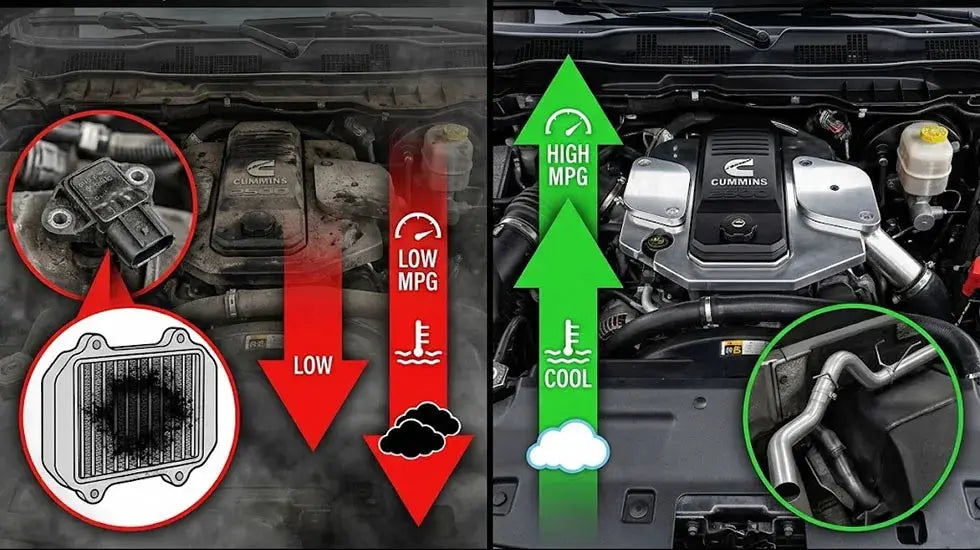
Let’s cut right to the chase: the 6.7 Cummins is arguably one of the most reliable diesel platforms ever built, but it has an Achilles' heel. If you own a 2013-2018 Ram 2500 or 3500, you already know the headache. The factory emissions equipment—specifically the Exhaust Gas Recirculation (EGR) and Diesel Particulate Filter (DPF)—chokes out the engine, spikes exhaust gas temperatures (EGTs), and kills your fuel economy with endless regeneration cycles.
If you’re tired of replacing clogged sensors and watching your MPG drop, deleting these systems is the most effective way to let the engine breathe the way Cummins originally intended.
The Bottom Line: What to Expect from a 6.7 Cummins Delete
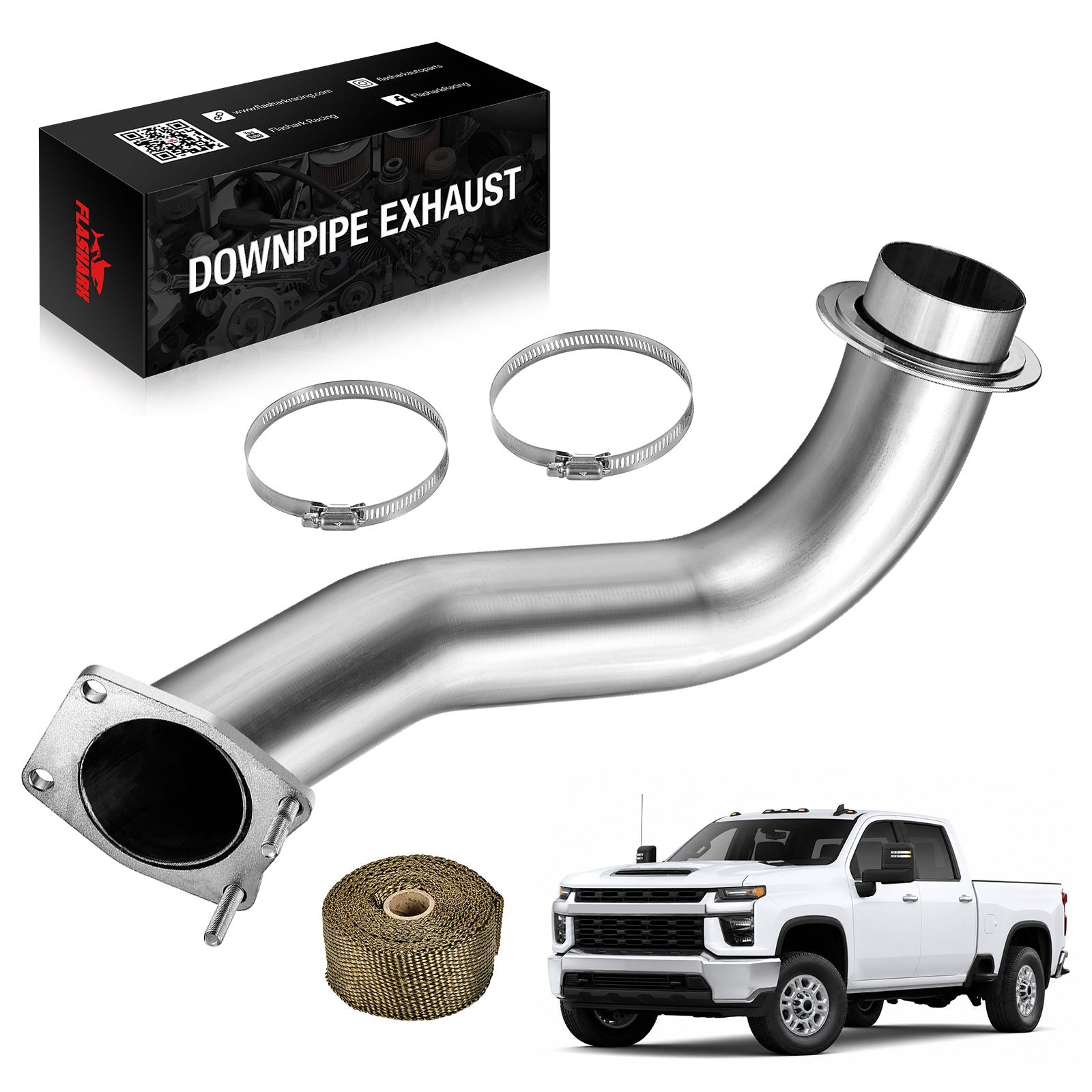
- Hardware Required: DPF/CAT delete pipe (usually 4" or 5") and an EGR cooler/valve block-off kit.
- Software Required (Crucial): An ECM Tuner (e.g., EZ Lynk, EFI Live) with custom delete tunes. You cannot run the hardware without the software.
- Performance Gains: Typically 50 to 150+ extra horsepower, depending on your tune map.
- Efficiency: Expect a 2 to 4 MPG increase and significantly lower EGTs.
- Application: Fits 4th Gen Ram Heavy Duty trucks (2013-2018). Strictly for off-road or sanctioned racing use.
- Solution: High-quality 6.7L Cummins Delete Kits combined these components into complete packages.
Why Your 6.7 Cummins is Choking: The EGR and DPF Problem
To understand why a DPF delete kit is necessary, you need to look at what the factory parts are doing to your intake and exhaust. The EGR system takes hot, soot-filled exhaust gases and forces them back into your clean intake manifold to lower combustion temperatures and reduce NOx emissions. Over time, this soot mixes with oil vapor from the crankcase (CCV), creating a thick, black sludge that coats your intake runner and grid heater.
Meanwhile, the DPF acts like a giant sponge in your exhaust system, trapping particulate matter (soot). When the filter gets full, the truck dumps raw fuel into the exhaust during the "regen" cycle to burn it off. This creates massive backpressure and extreme heat.
🔧 Shop Floor Experience:
I remember back in 2019, an '18 Ram 2500 came into the shop, and the owner was facing this exact issue with endless regen cycles and sluggish throttle response. When we tore it down, we found the MAP sensor completely encased in carbon and the EGR valve welded shut with soot. The intake grid heater looked like a solid brick of coal. This is exactly why simply replacing a faulty EGR isn't enough—you have to install a proper 6.7 Cummins EGR delete kit to stop the soot at the source.

What’s Actually in a 6.7 Cummins Delete Kit?
A full delete isn't just one part; it’s a combination of exhaust flow upgrades, engine block-offs, and computer recalibration.

1. The DPF & CAT Delete Pipe
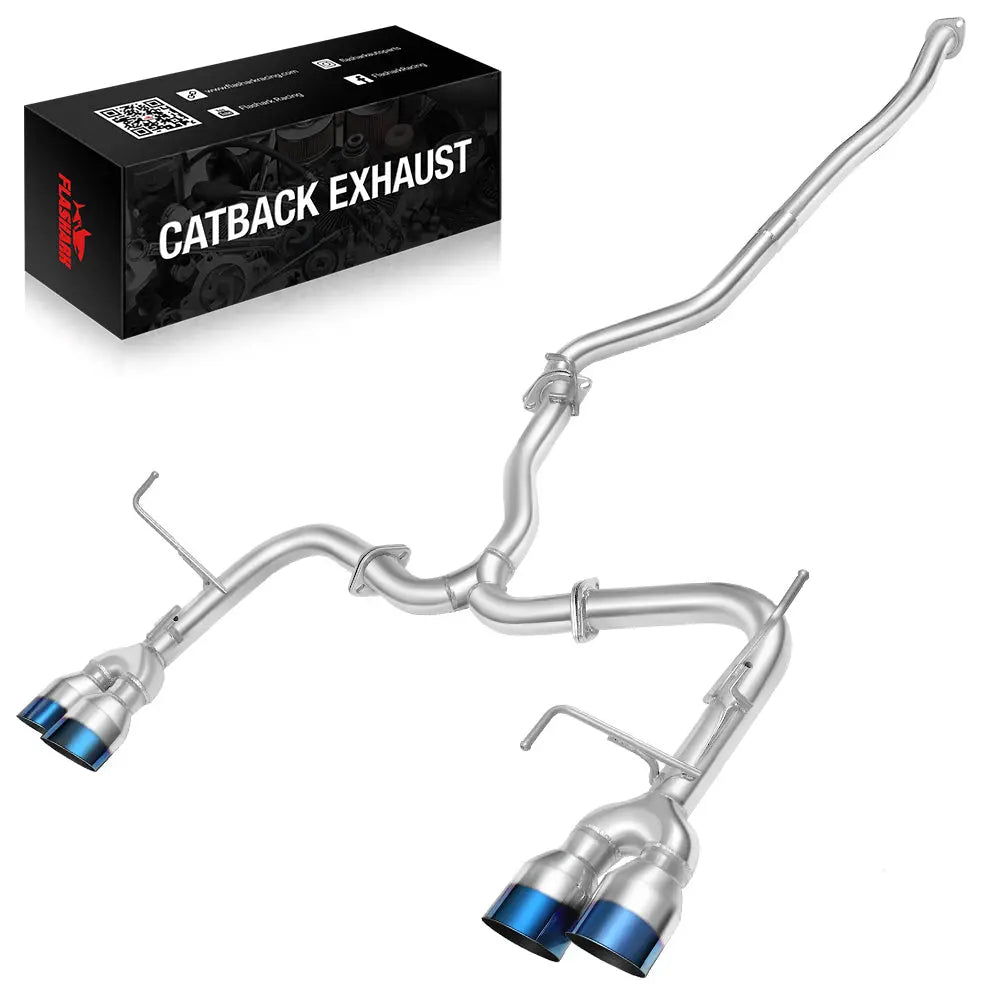
This is the plumbing. The core of any 6.7 Cummins DPF delete kit is the delete pipe itself. It replaces the heavy, restrictive factory filters with a straight-through 4-inch or 5-inch steel pipe. It bolts directly to the factory downpipe (or replaces it, depending on your kit) and connects to the tailpipe. This immediately eliminates exhaust backpressure, allowing the turbo to spool faster and run cooler.
2. The EGR Delete Kit
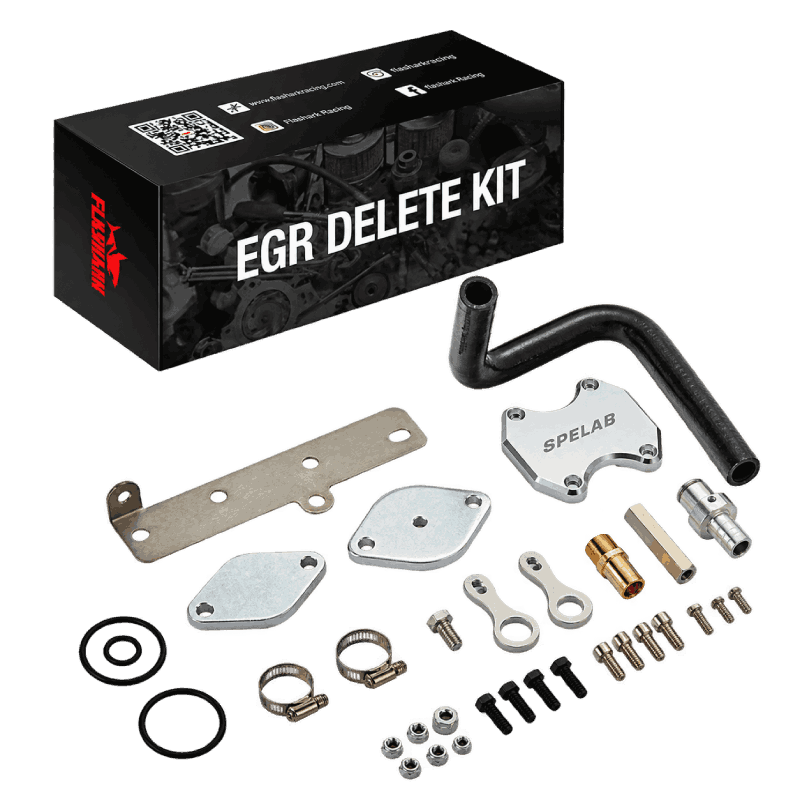
An EGR delete kit removes the factory EGR cooler, throttle valve, and crossover tube. You replace these with CNC-machined billet aluminum block-off plates and a new coolant hose layout. By completely removing the cooler, you eliminate the risk of an internal coolant leak destroying your engine, and you stop the soot injection entirely.
The Missing Link: Why You Absolutely Need an ECM Tuner
This is the most critical part of the entire process, and it’s where I see the most guys make expensive mistakes. When you remove the factory emissions hardware, you are unplugging dozens of sensors (EGT probes, pressure differentials, NOx sensors). Your engine's computer (ECM) will immediately panic.

⚠️ Critical Warning:
Many beginners see online tutorials and directly bolt on a DPF delete pipe and rip out the EGR without flashing the ECM first. The result? I had a guy do this exact thing last month. The truck immediately threw a Christmas tree of dash lights and went straight into Limp Mode, capping his speed at 40mph. I highly recommend you never tear down the hardware until you have successfully flashed your ECM with a delete-capable tuner.
You must use a device like EZ Lynk AutoAgent, EFI Live, or MM3 loaded with custom "delete" tune files. The tuner tells the truck's brain to ignore the missing sensors, disables the regen cycle, and optimizes injection timing for your newly unrestricted engine.
| Component Status | Factory Stock | Fully Deleted & Tuned |
|---|---|---|
| Exhaust Gas Temps (EGT) | High (often 1200°F+ during regen) | Low & Stable |
| Fuel Economy | Restricted by constant regens | +2 to +4 MPG Increase |
| Throttle Response | Sluggish, heavy lag | Crisp, instant turbo spool |
Beware of outdated information regarding older tuners. Brands like H&S Performance (Mini Maxx) have been out of business for years due to EPA crackdowns. If you see a cheap Mini Maxx online today, it is almost certainly a clone with outdated, clunky software. Stick to modern, cloud-based tuning platforms.
Frequently Asked Questions (FAQ)
Q1: Does deleting a 6.7 Cummins improve MPG?
A1: Yes. By removing the restrictive exhaust filters and stopping the fuel-heavy regeneration process, most owners see an increase of 2 to 4 miles per gallon, depending on their driving habits and the specific tune file they use.
Q2: Will a DPF and EGR delete void my factory warranty?
A2: Absolutely. Removing any factory emissions equipment and flashing the ECM will immediately void your powertrain warranty at any Stellantis/Ram dealership.
Q3: Can I just unplug the EGR instead of fully deleting it?
A3: While unplugging the EGR valve keeps it closed and stops soot from entering the intake, it does not remove the physical EGR cooler. The factory coolers are notorious for cracking internally and leaking coolant into the engine. A full 6.7 Cummins EGR delete kit is the only way to prevent this.
Q4: What happens if I install the pipe without a tuner?
A4: Your truck will go into Limp Mode. The ECM will detect that the exhaust sensors are missing, trigger a massive loss of power, restrict your speed, and throw multiple Diagnostic Trouble Codes (DTCs) on your dashboard.
Q5: How long does it take to install a 6.7 Cummins DPF delete kit?
A5: For a competent DIYer with basic hand tools in a driveway, expect to spend 4 to 6 hours. The exhaust pipe is relatively straightforward, but reaching the rear bolts on the EGR cooler against the firewall takes time and patience.
Q6: Do I need a full turbo-back exhaust or just a DPF delete pipe?
A6: You do not strictly need a full turbo-back system. A DPF/CAT delete pipe that bolts up to your factory downpipe and tailpipe is sufficient for removing the restrictions and will save you money.
Q7: Will my truck smoke heavily after deleting the DPF?
A7: It depends entirely on the tuning. Modern, high-quality tunes run very clean with only a slight puff of black smoke on heavy acceleration. "Rolling coal" is usually the result of cheap, over-fueled, garbage tunes.
Q8: Is it legal to delete my 6.7 Cummins?
A8: Under the US Clean Air Act, it is federally illegal to remove or bypass emissions control equipment on any vehicle registered for highway use. These kits and tunes are strictly sold for closed-course competition or off-road use only.
Q9: Can I pass state emissions testing after a delete?
A9: No. You will not pass an OBDII plug-in test or a visual inspection in states that enforce diesel emissions testing (like California, Colorado, or parts of Texas).
Q10: Should I clean the MAP sensor after doing an EGR delete?
A10: Highly recommended. Once the EGR is deleted, you should remove the MAP sensor and clean off all the old soot buildup with an electronic parts cleaner. This ensures the ECM gets accurate boost readings from your newly clean intake.
Q11: Does a delete change the sound of my truck?
A11: Yes. Removing the DPF and CAT acts as a muffler delete. You will hear a much more pronounced exhaust note, significantly louder turbo whistle, and the distinct sound of the exhaust brake engaging.