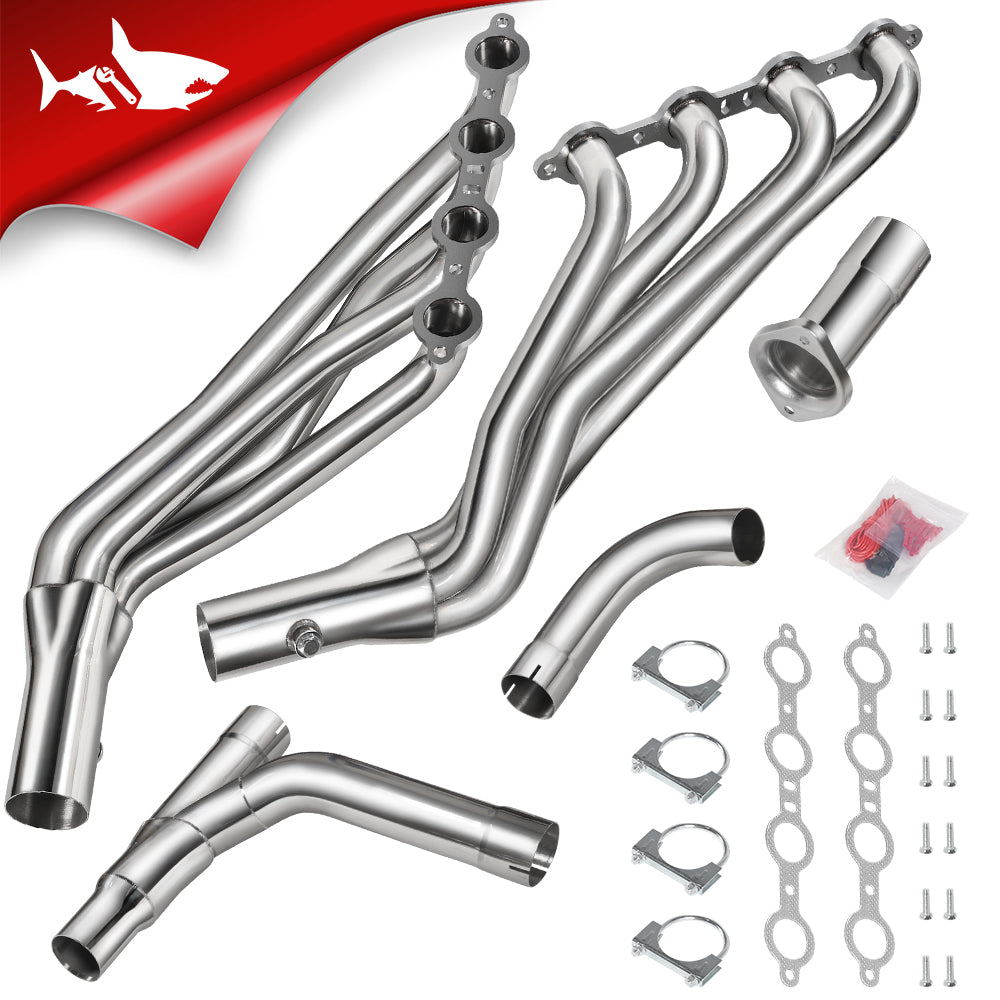
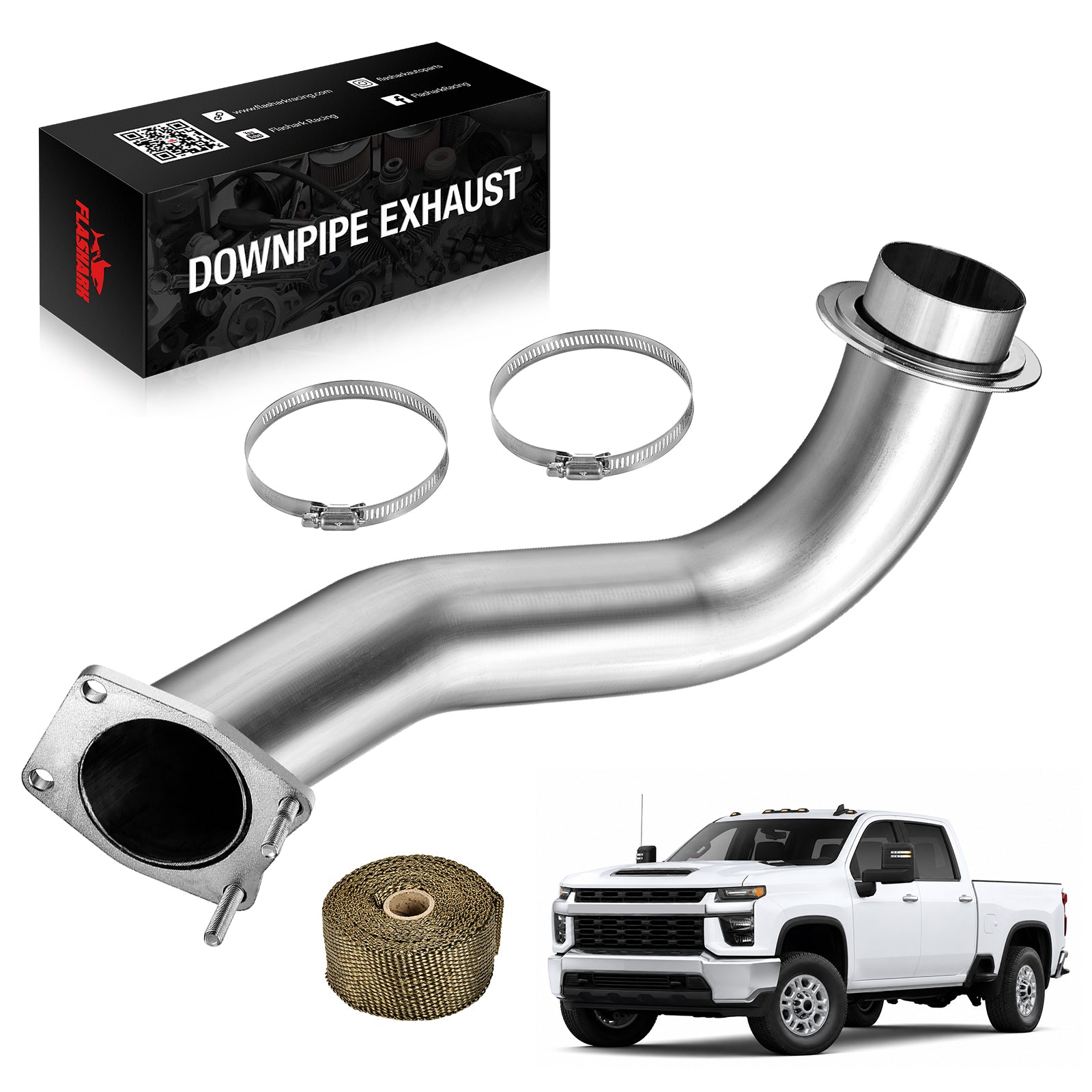
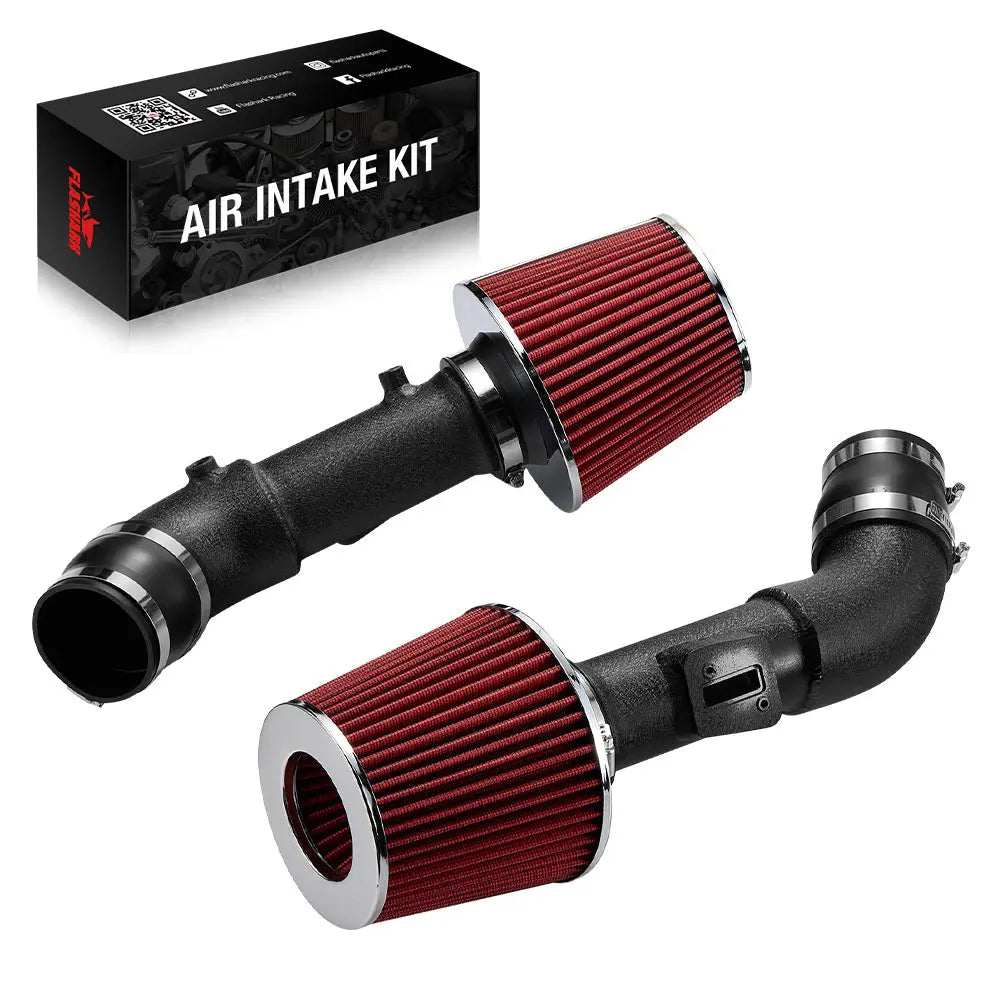
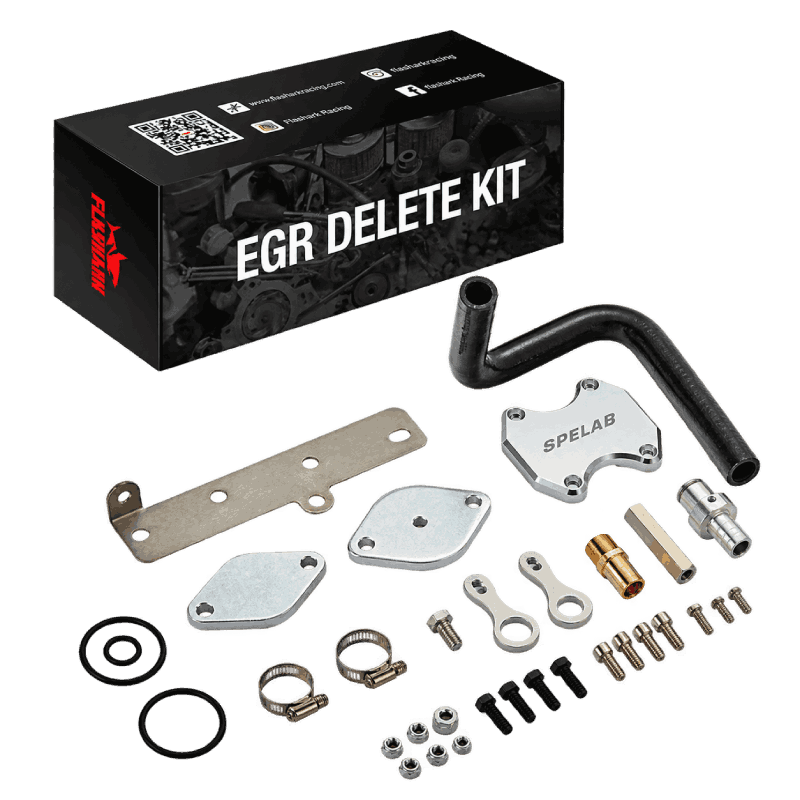
An EGR delete kit is hardware intended to block or remove part of an exhaust gas recirculation system. EGR helps control nitrogen oxide emissions. Before considering a change, identify the vehicle's actual fault and check emissions law, fitment, and electronic controls. A delete does not guarantee more power, better mileage, or longer engine life.
- EGR and DPF perform different emissions functions.
- A fault code calls for diagnosis, not an automatic parts purchase.
- Engine family or vehicle make alone does not establish fitment.
- Removing or disabling emissions controls on an EPA-certified vehicle can violate U.S. federal law.

Why Do People Go for Modifications?
Owners usually investigate EGR changes after a fault, deposit concern, or performance complaint. Those symptoms have several possible causes. Confirm the problem with diagnostic trouble codes and the manufacturer's service procedure before choosing a repair or modification.
Enhanced Performance: What Can Actually Change?
EGR operates under selected conditions; it is not a simple permanent intake restriction. Removing it cannot support a universal horsepower claim. A measured result would need the same vehicle, conditions, and calibration before and after.
Saving Fuel and Your Wallet
Fuel consumption depends on duty cycle, engine condition, and calibration. An EGR delete kit has no reliable universal MPG benefit; compare verified repair costs and the legal consequences first.

Reliability and Carbon Buildup
Deposits in some EGR-equipped intake systems can prompt maintenance. Disabling EGR does not repair a leaking cooler, stuck valve, sensor problem, or every source of deposits. The appropriate response depends on diagnosis.
EGR Delete: What the Term Means
Exhaust gas recirculation routes a controlled portion of exhaust into the intake to help reduce nitrogen oxides. A delete kit changes or disables this system. The U.S. EPA tampering policy identifies EGR blocking and emissions-control deletion as compliance concerns.
Where to Get Your EGR Delete Kits? Start With the Right Checks
Flashark organizes EGR-related products by engine and vehicle category. These navigation categories do not prove that a particular part fits a particular year or emissions configuration, or that its use is legal. Use this checklist before reviewing any listing.
| Question | Check before any decision |
|---|---|
| Vehicle | Year, engine code, emissions configuration, and intended use |
| Fault | DTCs, freeze-frame data, valve/cooler condition, and OEM service procedure |
| Hardware | Exact part number, included components, and manufacturer fitment evidence |
| Electronics | Sensors, OBD monitors, and ECU calibration for the specific vehicle |
| Compliance | Federal, state, and local emissions requirements; inspection and warranty implications |
EGR Delete Kits by Engine
Powerstroke, Duramax, Cummins, and EcoDiesel are broad engine families. Confirm engine generation, model year, emissions equipment, and the exact part number.
Powerstroke EGR Delete Kits
The 6.0L, 6.4L, and 6.7L Powerstroke systems differ. Review the exact vehicle and part listing in the Powerstroke category; do not assume shared fitment or included hardware.
Duramax EGR Delete Kits
Duramax variants differ by generation and emissions configuration. The Duramax category is a starting point for checking the exact application.
Cummins EGR Delete Kits
Check the exact Cummins engine and model year. The presence and design of factory EGR equipment vary; a 5.9L or 6.7L label alone is not enough. Review the Cummins category only after identifying the vehicle.

EcoDiesel EGR Delete Kits
EcoDiesel applications require year, engine, and emissions-system confirmation. A coolant leak or deposit complaint should be diagnosed through the manufacturer procedure before any parts decision.
EGR Delete Kits by Make
Make-level categories for Ford, Chevy, and Dodge are useful for browsing, but make alone does not determine fitment.
Ford EGR Delete Kits
Identify the exact Ford model, engine, and year. The original guide's broad Mustang and F-150 claims should not be used as fitment evidence.
Chevy EGR Delete Kits
Confirm the engine and emissions configuration. No specific horsepower, fuel-economy, or temperature outcome follows from a make-level category.

Dodge EGR Delete Kits
Confirm whether the vehicle actually has the EGR system addressed by the exact part. Do not infer that all Dodge cars or Ram trucks use the same kit.
Related Products: DPF and CAT Delete Pipes
A diesel particulate filter captures particulate matter; a catalytic converter treats exhaust pollutants. These parts are distinct from EGR. Removing or bypassing them raises separate legal and technical issues and is not a routine companion step.
The EGR Delete Procedure: Diagnose Before Altering
Record codes and freeze-frame data, inspect the system identified by OEM service information, and confirm the applicable emissions rules. This article does not provide a universal delete procedure because hardware, sensors, and legal requirements differ by vehicle. A qualified technician can help diagnose and repair the original system.
Bottom Line
An EGR delete kit is not a guaranteed performance or maintenance fix. Protect the vehicle's emissions compliance, establish the fault, and verify exact fitment and documentation before making a parts decision.
Frequently Asked Questions
Q1. What does an EGR delete kit do?
A1. An EGR delete kit is hardware intended to block or remove part of the exhaust gas recirculation system. EGR is an emissions control; disabling it on an EPA-certified vehicle can violate U.S. federal law.
Q2. What does EGR do in a diesel engine?
A2. EGR routes a controlled amount of exhaust gas back into the intake under selected operating conditions to help reduce nitrogen oxide emissions. Its control strategy depends on the engine and calibration.
Q3. Does an EGR delete increase horsepower?
A3. A horsepower gain is not guaranteed. Results depend on the vehicle, operating condition, hardware, and calibration; this article does not claim a measured gain.
Q4. Does an EGR delete improve fuel economy?
A4. Fuel-economy improvement is not guaranteed. Driving conditions, engine condition, and calibration can outweigh any hardware change.
Q5. Can an EGR delete cause a check engine light?
A5. Yes. An ECU may detect unexpected EGR flow or related sensor behavior and set a fault code. The result depends on the specific vehicle and calibration.
Q6. Is an EGR delete legal for road use in the United States?
A6. Removing or disabling emissions controls on an EPA-certified vehicle can violate the federal Clean Air Act. State and local requirements may also apply; verify the vehicle and intended use before considering any change.
Q7. Is an EGR delete the same as a DPF delete?
A7. No. EGR controls exhaust gas recirculation, while a DPF captures diesel particulate matter. Both are emissions systems, and disabling either raises separate technical and legal concerns.
Q8. Does an EGR delete prevent carbon buildup?
A8. It may change the amount of recirculated exhaust entering the intake, but it does not guarantee a clean intake or solve every cause of deposits. Diagnose the actual fault first.
Q9. Will an EGR delete fit every Powerstroke, Duramax, Cummins, or EcoDiesel?
A9. No. Engine family alone is insufficient to establish fitment. Check model year, engine code, emissions configuration, part number, and manufacturer documentation.
Q10. What should I check when an EGR fault appears?
A10. Record the diagnostic trouble codes and freeze-frame data, inspect the valve and cooler for the specific engine, and follow the OEM diagnostic procedure. Repairing a failed component may be the appropriate path.
Q11. Do I need a tune after an EGR delete?
A11. There is no universal answer, and changing an ECU to suppress emissions faults can itself raise legal concerns. Consult the OEM service information and applicable law instead of relying on a generic tuning claim.
Q12. Is an EGR delete kit easy to install?
A12. Difficulty varies by vehicle and system layout. This article does not establish an installation time, required parts, or a guaranteed outcome for any specific vehicle.