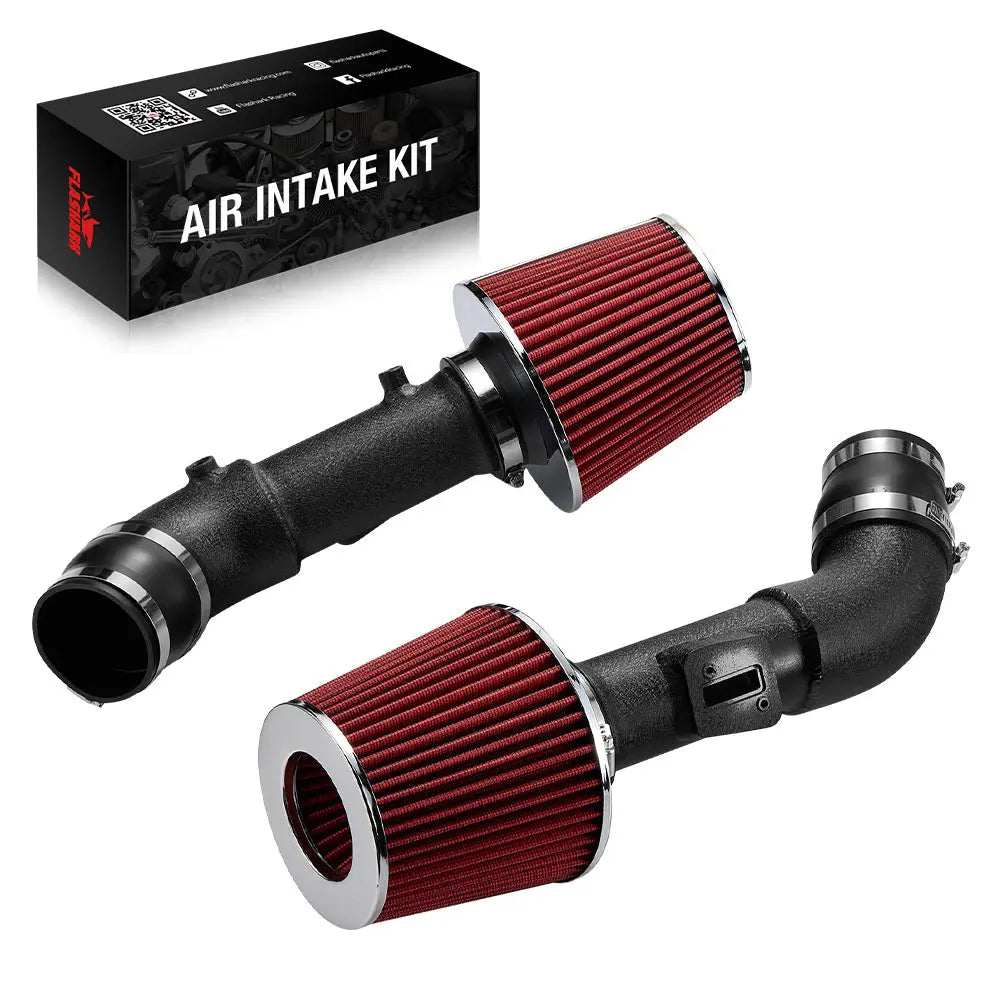
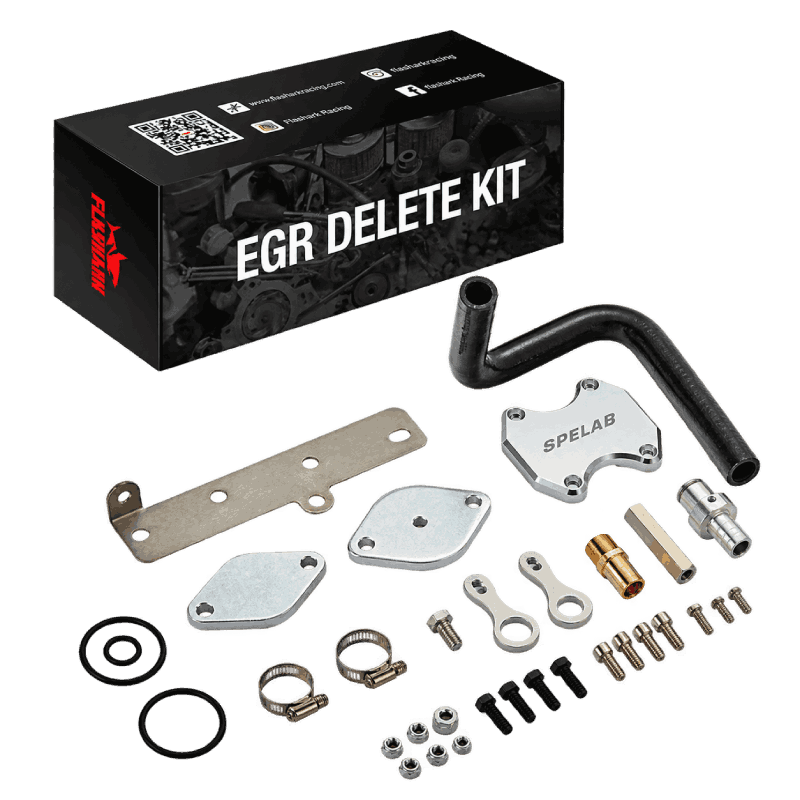
The best LBZ Duramax EGR delete kit is the one that matches your truck's engine code, model year, factory EGR layout, intended use, and required parts. For a 2006–2007.4 LBZ Silverado or Sierra, compare the ordinary valve and cooler kit with the upgraded version that adds an intake tube. An EGR delete changes an emissions control system; it is not a routine road-use upgrade. Check applicable law and the vehicle's emissions requirements before considering either kit.
- Confirm the 6.6L LBZ engine code and the exact Silverado or Sierra model, especially a 2007 Classic versus a later 2007.5 truck.
- Compare the selected variant's photos and packing list; an intake tube is included only with the listed upgraded version.
- Confirm sensor, coolant, gasket, and programming questions before purchase.
- For a road vehicle, preserve its certified emissions controls and consider diagnosis or repair of the factory EGR system.
Overview: What Does an LBZ EGR Delete Kit Change?

The factory exhaust gas recirculation (EGR) system routes a controlled amount of exhaust back to the intake. A mechanical delete kit is intended to remove or block the applicable EGR valve and cooler connections. The upgraded Flashark LBZ product lists a separate high-flow intake tube and coolant tube. The intake tube carries intake air; the coolant tube addresses the coolant path. An intake tube does not, by itself, circulate coolant or establish a measured temperature reduction.
Deleting an electronically monitored EGR system may affect diagnostics and the factory calibration. A kit's hardware list does not establish that a truck will run without a check-engine light or need no programming. It also does not establish gains in horsepower, fuel economy, engine life, or resale value.
Why Choose an Upgraded Kit for a Chevy Silverado Classic?
The practical reason to choose the upgraded configuration is its listed intake tube, if that part is needed for the specific build. Compare the Flashark upgraded LBZ kit with the ordinary LBZ kit using the currently selected variant and its product photos. The two listings and their variants may have different contents; do not treat every LBZ kit as a complete, interchangeable package.
| Decision point | Ordinary configuration | Upgraded configuration | What to verify |
|---|---|---|---|
| Intake connection | Check the selected variant's listed parts | High-flow intake tube listed for the upgraded Black variant | Photos, selected SKU, and existing intake modifications |
| Coolant path | Coolant components vary by listing | Coolant tube and clamps listed | Factory routing, hoses, seals, and needed coolant |
| Electronics | No verified universal outcome | No tuner listed as included | Sensors, codes, calibration, and intended use |
| Road use | Emissions controls affected | Emissions controls affected | Applicable federal and local requirements |
Fitment Guide for 2006–2007.4 Chevy and GMC Models

The current upgraded product listing names selected 2006–2007.4 Chevrolet Silverado 2500 HD applications, 2007.4 Silverado 2500 HD Classic, selected Silverado 3500 applications, and a 2006 GMC Sierra 3500, all with the 6.6L LBZ. Its stated fitment is narrower than “every 2006–2007 Chevy or GMC truck.” Confirm the engine code, exact model, emissions configuration, and factory EGR/coolant layout against the selected product variant. A 2007.5 or newer LMM application should not be assumed to fit an LBZ kit.
Benefits and Limits: What Can You Actually Expect?
Fuel Economy, Power, and Engine Life
A worn or malfunctioning EGR component can cause drivability symptoms, but the cause should be diagnosed before replacing parts. The blog's former “up to 20%” fuel-economy claim and broad power and engine-life promises are not supported by vehicle-specific test data. Results depend on the truck's condition, calibration, duty cycle, and other changes. For a road truck, repairing the factory system preserves its emissions configuration.
Engine Temperature and Cooling
Coolant routing and intake airflow are different functions. The upgraded intake tube does not prove a 5°C reduction in coolant temperature. If a truck runs hot, check the cooling system, airflow, fault codes, and EGR cooler condition with a qualified technician. Do not use a kit as a substitute for diagnosing overheating.
Repair Costs and Maintenance
Removing a component may change which parts need future service, but installation can introduce its own labor, coolant, sealing, diagnostic, and compliance costs. Compare the cost and consequences of repairing the original EGR system with any proposed modification before ordering.
Pros and Cons of This Update

Potential reasons to compare the kits
- The upgraded listing includes an intake tube for builds that require that configuration.
- Separate ordinary and upgraded listings allow a parts-list comparison.
- Vehicle-specific fitment information helps narrow the selection.
Important drawbacks and unknowns
- An EGR delete alters emissions controls and may violate requirements for a road vehicle.
- Check-engine lights, diagnostic codes, and calibration needs are not resolved by a mechanical parts list.
- Fitment and package contents depend on the selected variant and truck configuration.
- Improved mileage, emissions, cooling, power, and resale value are not verified outcomes.
How to Choose the Right LBZ Kit or Repair Path
- Identify the engine code and model year from vehicle records and the truck itself.
- Check the exact model against the current product listing and selected variant.
- Compare the photos and packing list with the parts required for the vehicle; ask about unlisted seals, fasteners, sensors, and coolant.
- Have a qualified technician assess existing EGR faults, cooling issues, and electronic diagnostics.
- For road use, prioritize a compliant repair of the factory emissions system.
Frequently Asked Questions
Q1. What is the best EGR delete kit for an LBZ Duramax?
A1. The best match depends on the confirmed LBZ engine code, exact truck, selected variant, required parts, and intended use; compare the ordinary and upgraded parts lists before choosing.
Q2. Does an LBZ kit fit every 2006 or 2007 Silverado?
A2. No. Verify the model, engine code, emissions configuration, and factory EGR layout against the selected kit; a later 2007.5 truck may use a different engine and hardware.
Q3. What does the upgraded kit add?
A3. The current upgraded Black product listing includes a high-flow intake tube in addition to listed EGR block-off and coolant-path hardware; confirm the selected variant's package contents.
Q4. Does the intake tube circulate engine coolant?
A4. No. The intake tube handles intake airflow, while a separate coolant tube addresses the coolant path.
Q5. Will an EGR delete lower LBZ coolant temperature by 5°C?
A5. A fixed 5°C reduction is not established by the available vehicle-specific test evidence. Diagnose overheating and cooling faults independently.
Q6. Will an EGR delete improve fuel economy by 20%?
A6. No such gain can be promised from the available evidence; fuel economy depends on the truck's condition, calibration, load, and driving.
Q7. Will the kit prevent a check-engine light?
A7. A mechanical kit does not establish a no-code result. An electronically monitored EGR system may report faults, so confirm diagnostics and calibration requirements for the vehicle.
Q8. Is a tuner included with the upgraded LBZ kit?
A8. The current upgraded product packing list does not list a tuner or programming module. Confirm the exact selected variant before purchase.
Q9. Is an EGR delete legal on a street-driven truck?
A9. In the United States, EPA states that tampering with a motor vehicle emissions control device is prohibited. Check applicable federal and local rules for the vehicle and its use.
Q10. Should I delete the EGR to fix overheating or poor performance?
A10. Start with a diagnosis of fault codes, the cooling system, and the factory EGR components. A compliant repair is the appropriate first path for a road vehicle.
Power Up Your LBZ Duramax with the Right Decision
For a Silverado Classic or Sierra with an LBZ, match the vehicle and parts first, then resolve diagnostic and legal questions before buying. Compare the upgraded configuration with the ordinary configuration only if a modification is appropriate for the vehicle's intended use.

Steven Chen
Automotive Performance Specialist | Engine & Exhaust Systems
Steven focuses on practical engine performance, exhaust fitment, and real-world upgrade paths for classic and modern enthusiast vehicles. He reviews small-block Ford, LS, truck, and street/strip applications with one goal in mind: helping builders choose parts that actually work together. His philosophy: "Good power starts with the right combination, not the biggest part."