The exact horsepower gain from exhaust headers depends heavily on your engine size, header design, and whether you tune the ECU. While results vary, here is what you can generally expect in real-world scenarios:
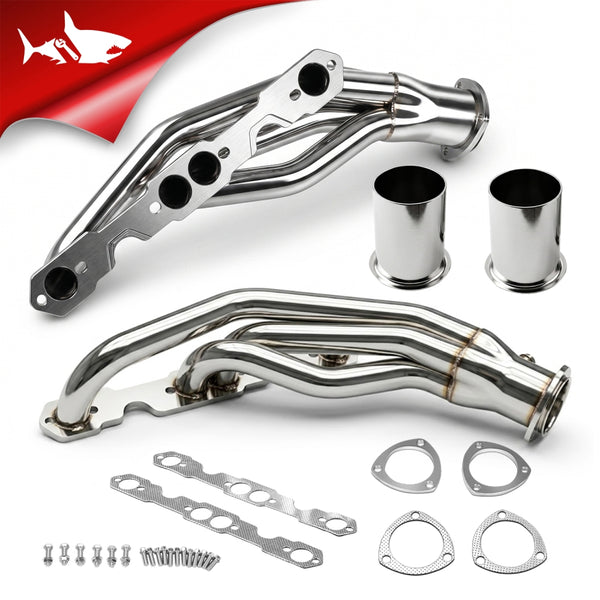
- Shorty Headers (Daily Drivers & Mild Builds): Typically yield 5 to 10 horsepower. They are ideal for boosting low-to-mid range torque and are often easier, emissions-friendly direct bolt-ons.
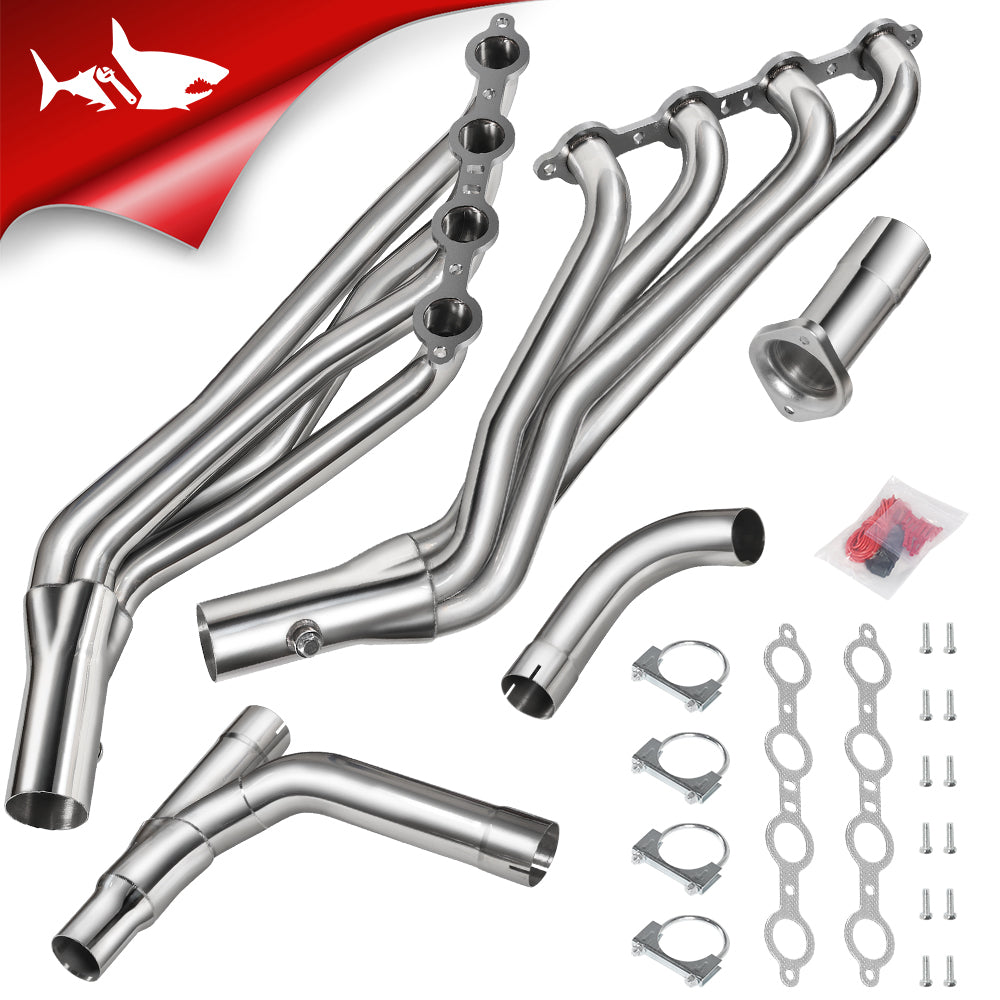
- Long-Tube Headers (V8 Performance Builds): Can unlock 15 to 30+ horsepower. They maximize the exhaust scavenging effect at higher RPMs but almost always require a custom mid-pipe and an ECU tune to see these numbers.
- 4-Cylinder Engines: Generally see a solid 5 to 12 horsepower bump. While peak numbers are lower than a massive V8, the power-to-weight improvement makes the vehicle feel significantly faster and more responsive.
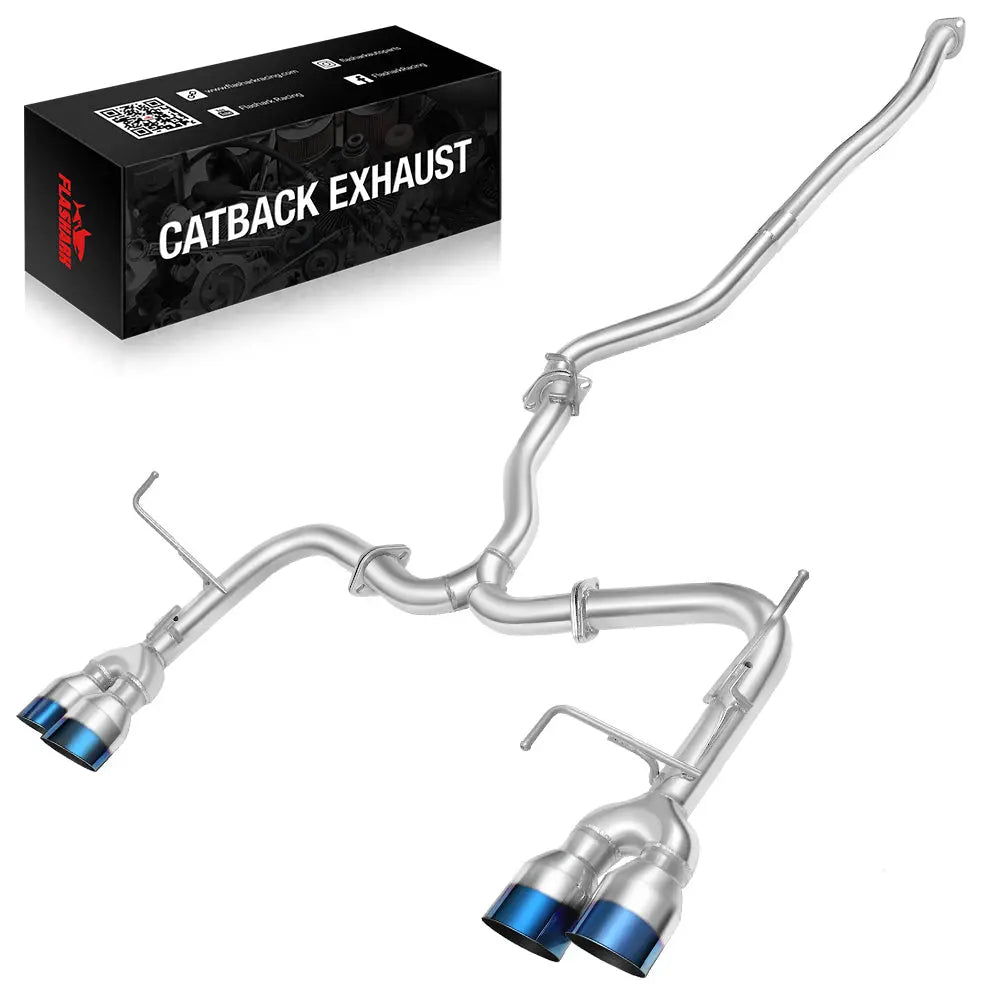
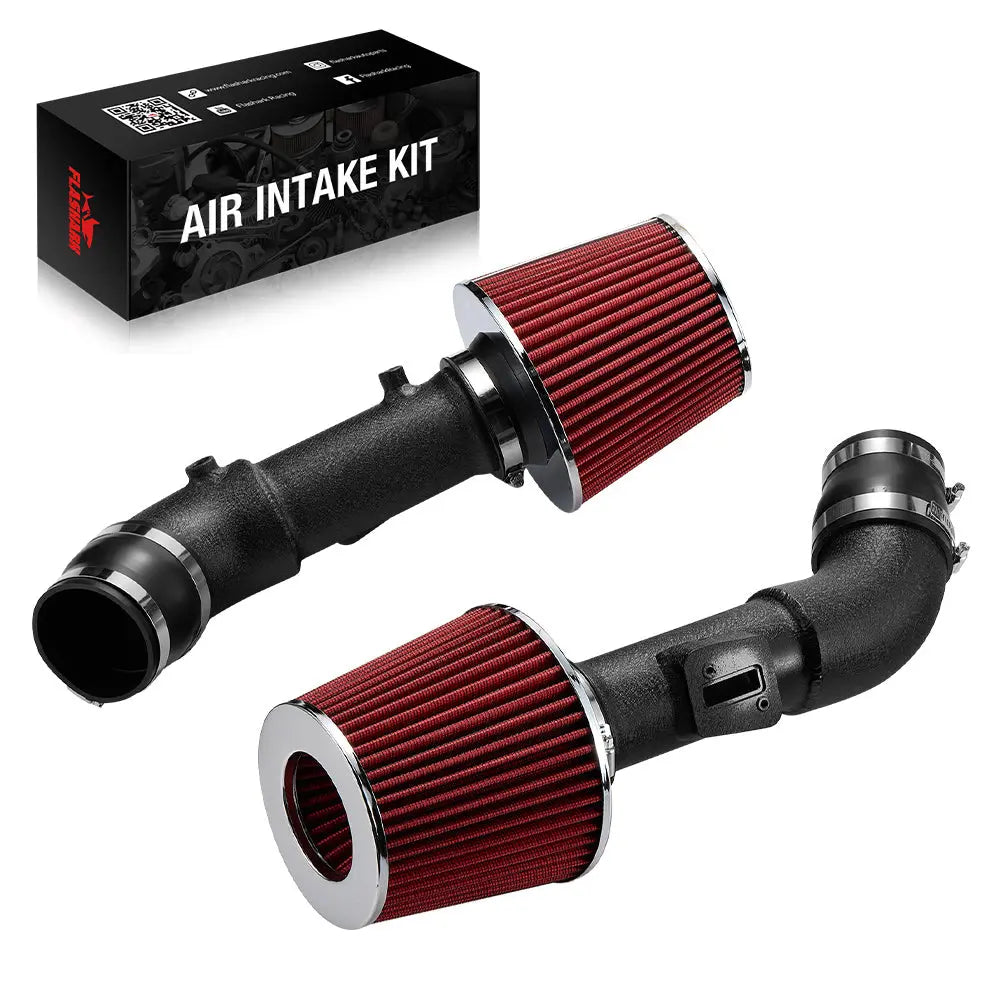
- The "Full Bolt-On" Scenario: When headers are paired with supporting mods like a cold air intake, high-flow exhaust system, and aggressive tuning, total system gains can easily exceed 40+ horsepower.
Understanding Exhaust Headers and Their Function
Exhaust headers are aftermarket replacements for your restrictive factory exhaust manifolds. While stock manifolds are cast-iron logs built to prioritize cost, space, and noise reduction, headers are mandrel-bent tubes built purely for performance.

They optimize the exhaust flow coming out of the engine. Each cylinder gets its own dedicated primary pipe, helping exhaust gases escape smoothly rather than crashing into each other. This lowers backpressure, reduces engine pumping losses, and radically improves combustion efficiency. The result? Better engine breathing, sharper throttle response, and more horsepower—especially in the mid-to-high RPM range.
How Much Horsepower Does Exhaust Headers Add?
Most drivers want dyno-proven numbers, not just theory. So, how much horsepower does exhaust headers add?

Based on popular dyno-tested platforms (Chevy LS, Ford Coyote, Hemi V8):
- Shorty headers: Can add 5 to 10 horsepower at the wheels.
- Long-tube headers: Can boost output by 15 to 30+ horsepower.
- With supporting mods (cold air intake, aggressive tune, full high-flow exhaust), total system gains can easily exceed 40 horsepower.
*These figures are consistent with historical dyno validations from authoritative sources like CarCraft and MotorTrend, as well as our own shop testing.
Does It Differ by Engine Size? (4-Cylinder vs. V8)
Absolutely. A common question we see is: how much horsepower do headers add to a 4 cylinder? Because a 4-cylinder engine pushes less exhaust volume than a 5.7L V8, the raw numbers are lower. On a naturally aspirated 4-cylinder, a quality racing header will typically add 5 to 12 horsepower. While the peak number is smaller, the power-to-weight ratio improvement makes the car feel significantly faster.
Why Do Exhaust Headers Increase Horsepower?
The main reason headers work is simple: they eliminate restrictions. But the real magic lies in the Scavenging Effect.
Headers solve factory backpressure by using equal-length primary tubes that merge smoothly into a collector. As one high-velocity exhaust pulse rushes past the collector, it creates a negative pressure (vacuum) wave behind it. This vacuum literally sucks the exhaust gases out of the next firing cylinder. For instance, RAM 1500 headers are specifically tuned to optimize this scavenging effect.

Factors That Affect Header Performance
| Feature | Shorty Headers | Long-Tube Headers |
|---|---|---|
| Power Gain | 5 - 10 HP | 15 - 30+ HP |
| Best For | Low-end torque, daily driving | Mid-to-high RPM power, track use |
| Installation | Relatively easy (Direct bolt-on) | Complex (Requires mid-pipe changes) |
Primary Tube Length, Diameter & Collector Design
Longer tubes promote higher-end power, while shorter tubes favor low-end grunt. Tube diameter also matters—larger diameters help with peak flow but can hurt low-speed torque if oversized. Additionally, a well-designed collector (such as a Tri-Y or merge collector) improves exhaust velocity and strongly supports the scavenging effect.
Material and Coatings (The SAE Study)
Headers are commonly made from stainless steel (like 304 or 409) or mild steel. However, ceramic coatings offer a distinct advantage. According to SAE research on thermal exhaust performance (SAE Technical Paper 2006-01-0665), ceramic-coated headers improve flow efficiency by keeping the heat trapped inside the pipes. Hotter exhaust gas travels faster, which increases velocity and performance while significantly reducing under-hood temperatures.
Additional Benefits of Exhaust Headers
While raw horsepower gets all the attention, bolting on a set of headers offers multiple secondary performance advantages that transform how your car drives:
- ✔ Improved Throttle Response: Because the engine doesn't have to fight factory backpressure, it revs faster and breathes more freely.
- ✔ Enhanced Sound: With thinner tubing and optimized flow, expect a deeper, throatier, and much more aggressive exhaust tone.
- ✔ Better Fuel Efficiency: In some cases, improved combustion and reduced pumping losses can lead to less wasted fuel, assuming you keep a light foot on the gas pedal.
- ✔ Reduced Engine Heat Soak: Especially when using stainless steel or ceramic-coated headers, heat is pushed out the tailpipe rather than baking your engine bay.
Are Headers Worth It for Your Build?
If you’re aiming for real-world horsepower gains and a killer exhaust note, headers are a proven solution. However, keep these trade-offs in mind:
- Installation Complexity: Squeezing long-tube headers into a tight engine bay often requires lifting the engine or moving steering shafts.
- Emissions Compliance: Long-tubes often delete or relocate catalytic converters, making them for off-road use only in strict states.
- Tuning Requirements: To get the full 30+ HP from long tubes, a proper ECU tune is highly recommended to adjust air/fuel ratios and prevent running lean.
Conclusion: A Proven Path to More Power
So, do exhaust headers increase horsepower? Yes — by eliminating factory restrictions and improving exhaust scavenging, they are one of the most effective bolt-on mods you can do.
And how much horsepower does exhaust headers add? Expect 10 to 30 horsepower at the wheels, with the potential for much more when paired with an intake, exhaust, and tune.
Frequently Asked Questions (FAQs)
Q1: Do shorty headers add horsepower?
A1: Yes, shorty headers typically add between 5 to 10 horsepower. While the peak horsepower gains are smaller than long-tube headers, shorties are excellent for improving low-end to mid-range torque and are much easier to install.
Q2: How much horsepower do headers add to a 4 cylinder?
A2: On a typical naturally aspirated 4-cylinder engine, aftermarket exhaust headers usually add around 5 to 12 horsepower. Because 4-cylinder engines displace less air than V8s, the overall numbers are lower, but the performance increase is still very noticeable.
Q3: Do headers make your car louder?
A3: Absolutely. Exhaust headers feature thinner walls than thick cast-iron factory manifolds and optimize exhaust flow. This results in a deeper, more aggressive, and significantly louder exhaust tone under acceleration.
Q4: Do I need a tune after installing headers?
A4: For shorty headers, a tune is not always required, though it helps. For long-tube headers, an ECU tune is highly recommended. Long tubes drastically change the engine's airflow and often relocate the O2 sensors, which can trigger a Check Engine Light (CEL) and cause the engine to run lean without a tune.
Q5: Do exhaust headers increase torque as well as horsepower?
A5: Yes. By improving volumetric efficiency, headers increase both torque and horsepower. Shorty headers tend to boost low-end torque, making them great for trucks and daily drivers, while long-tube headers excel at high-RPM horsepower and torque.
Q6: What's the difference between shorty and long-tube headers?
A6: Shorty headers are compact, replace just the factory manifold, usually mate to the stock catalytic converters, and boost low-end power. Long-tube headers feature long primary pipes that merge further under the car, maximizing the scavenging effect for massive top-end horsepower, but usually require a custom mid-pipe.
Q7: Are ceramic-coated headers worth the extra cost?
A7: Yes. Ceramic coating keeps the heat trapped inside the exhaust pipes. This maintains high exhaust gas velocity (hotter air moves faster), which improves scavenging and horsepower. It also significantly lowers under-hood temperatures, protecting surrounding engine components.
Q8: Can I install headers on a stock exhaust system?
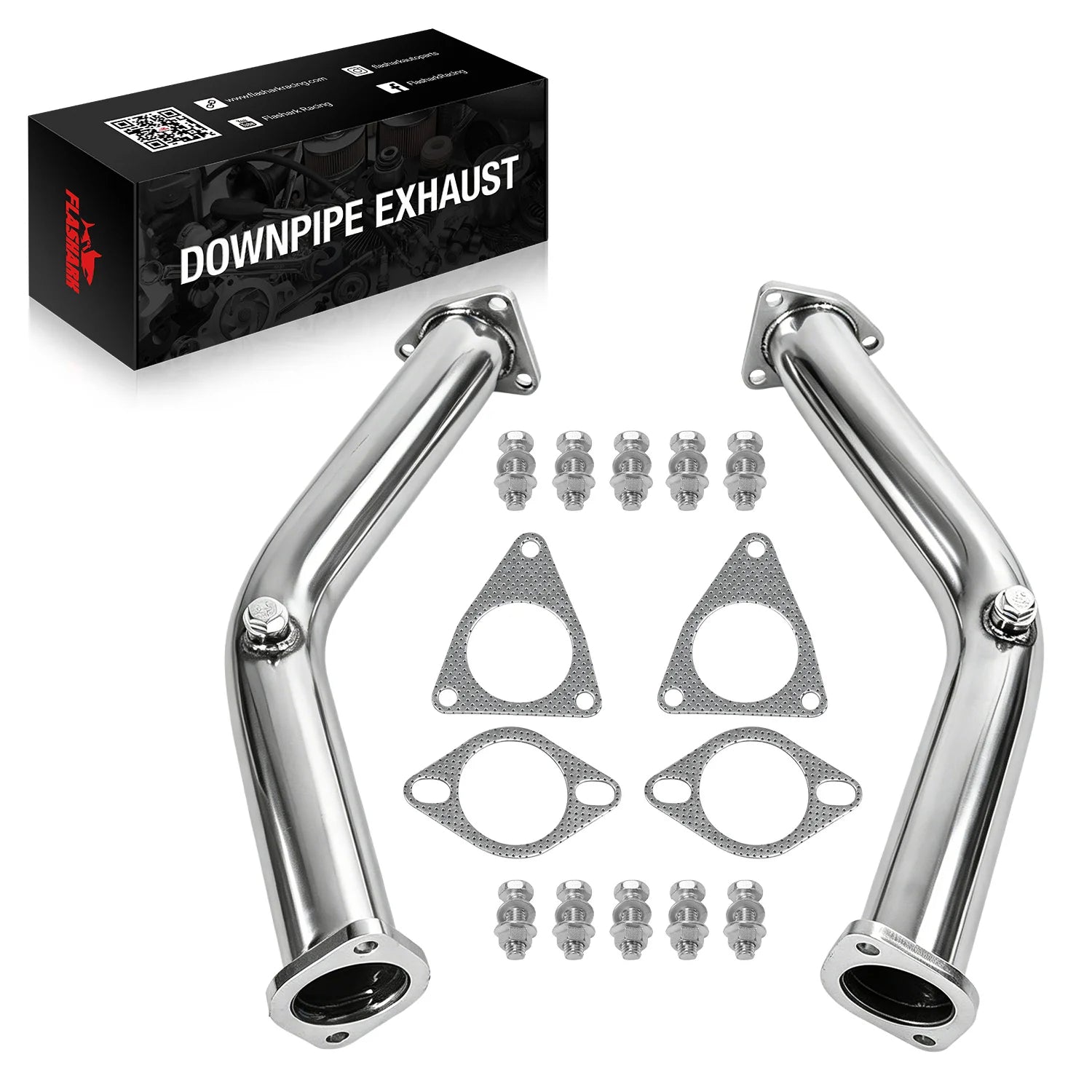
A8: Shorty headers can usually bolt directly onto a stock exhaust system. However, long-tube headers are longer than factory manifolds and require matching mid-pipes (often called X-pipes or H-pipes) to connect to the rest of the exhaust.
Q9: Will installing headers void my car's warranty?
A9: Under the Magnuson-Moss Warranty Act in the US, a dealer cannot void your entire vehicle warranty just because you installed aftermarket parts. However, if the dealer proves the headers caused a specific failure, they can deny a warranty claim for that specific part.
Q10: Do headers improve fuel economy?
A10: In some cases, yes. By reducing backpressure, the engine doesn't have to work as hard to push exhaust gases out. This increased efficiency can lead to a slight improvement in MPG, assuming you maintain your normal driving habits.
Q11: How long does it take to install exhaust headers?
A11: Shorty headers can typically be installed in 2 to 4 hours. Long-tube headers are much more labor-intensive and can take anywhere from 6 to 12+ hours depending on the vehicle, as you may need to disconnect steering shafts, lift the engine, or reroute wiring.