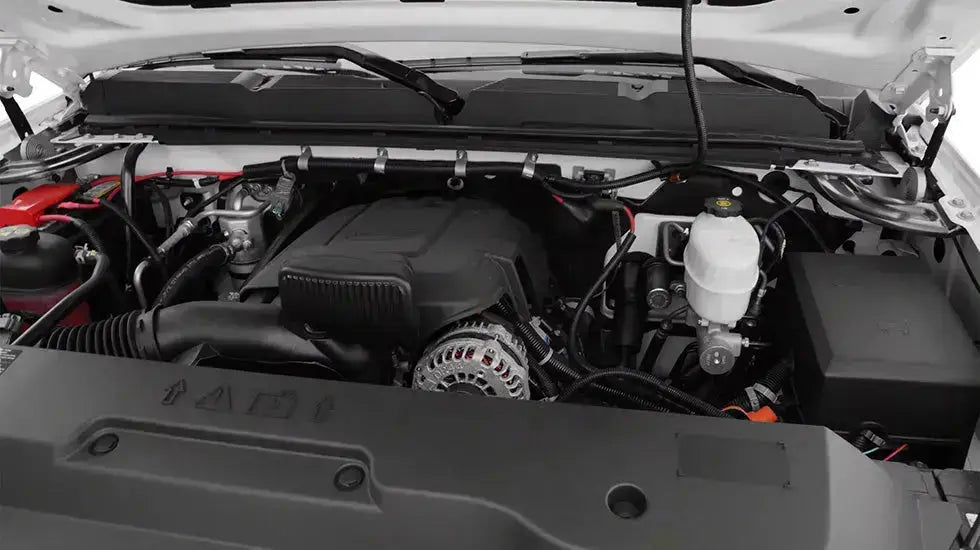
If you've ever dismissed the 4.8L Vortec as just the "baby LS," you are missing the point. No, it does not have the easy low-end torque of a 5.3 or 6.0. No, it is not the engine I would pick first for a heavy towing truck. But for a budget LS swap, turbo build, drift car, lightweight street car, or cheap Silverado project? The little 4.8 deserves respect.
GM introduced the 4.8L Vortec in 1999 as the LR4, part of the Gen III LS-based small-block family. Later versions included the Gen IV LY2 and L20. The basic formula stayed simple: iron block, aluminum heads, short stroke, strong bottom end, and a ridiculous tolerance for abuse when the tune and fuel system are right.
That is why builders keep dragging these engines out of junkyards. A cheap 4.8 LS engine may not sound exciting on paper, but it can rev hard, handle boost well, and share a huge amount of aftermarket support with the rest of the LS family.

Quick Answer: What Makes the 4.8 Vortec Worth Building?
- Displacement: 4.8L / 293 cubic inches.
- Factory horsepower: usually around 255–302 hp, depending on engine code, year, vehicle, and calibration.
- Factory torque: usually around 285–305 lb-ft.
- Main engine codes: LR4, LY2, and L20.
- Best strength: short-stroke durability, high-RPM behavior, and strong boost tolerance.
- Biggest weakness: less low-end torque than a 5.3 or 6.0, especially in heavy trucks.
- Best upgrade path: baseline maintenance, long-tube headers, tune, cam, fuel system, then boost if the engine is healthy.
Is the 4.8L Vortec a Good Engine?
Yes, the 4.8L Vortec is a good engine, but only if you understand what it is built for. It is not a torque monster. It is not the best choice for pulling a heavy trailer through the mountains. What it does extremely well is survive RPM, boost, and cheap abuse better than people expect.
The 4.8 has a shorter stroke than the 5.3, which means lower piston speed at the same RPM. That is one reason boosted 4.8 builds have become so common. The engine likes to rev, and the iron-block versions can take cylinder pressure when the tune, ring gap, fueling, and cooling are handled correctly.
For a street truck that needs towing torque, the 5.3 is usually easier to live with. For a lightweight swap car, budget turbo build, or high-RPM project, the 4.8 is one of the best cheap LS-based engines you can buy.

4.8 Vortec HP, Torque & Specs by Engine Code
This is where a lot of 4.8 Vortec confusion starts. People say “4.8 LS engine” like every version is identical, but LR4, LY2, and L20 engines do not all use the same electronics, calibration, or features. If you are buying parts, planning a swap, or checking horsepower, start with the engine code.
| Engine Code | Years | Generation | Horsepower | Torque | Vehicle Examples | Notes |
|---|---|---|---|---|---|---|
| LR4 | 1999–2006 | Gen III | Approx. 255–285 hp | Approx. 285–295 lb-ft | Silverado, Sierra, Tahoe, Yukon, Express, Savana | Most common early 4.8 Vortec; 24x reluctor; popular for budget swaps. |
| LY2 | 2007–2009 | Gen IV | Approx. 295 hp | Approx. 305 lb-ft | Silverado, Sierra, Express, Savana | 58x reluctor; stronger Gen IV rods; drive-by-wire setup. |
| L20 | 2010–2013 | Gen IV | Approx. 285–302 hp | Approx. 295–305 lb-ft | Express, Savana, Silverado, Sierra | Flex-fuel capable in many applications; some late information sources list VVT-related features, so verify by VIN/RPO before ordering parts. |
Mechanic's Note: Do Not Buy Parts by “4.8” Alone
Before ordering a cam, harness, ECU, headers, intake, or swap parts, verify the RPO code, reluctor wheel, throttle style, cam sensor location, and vehicle platform. A 1999 LR4 and a 2012 L20 are both 4.8L Vortec engines, but they are not the same swap package.
4.8 Vortec Core Specs
| Engine Type | V8, LS-based small-block truck engine |
| Displacement | 4.8L / 293 cubic inches |
| Bore x Stroke | 3.78 in. x 3.27 in. |
| Block Material | Cast iron |
| Head Material | Aluminum |
| Common Head Castings | 706 and 862 cathedral-port heads are common on early engines |
| Factory Horsepower | Approx. 255–302 hp depending on RPO and calibration |
| Factory Torque | Approx. 285–305 lb-ft depending on RPO and calibration |
| Firing Order | 1-8-7-2-6-5-4-3 |
Is the 4.8 Vortec the Same as a 4.8 LS?
Yes, in normal enthusiast language, the 4.8 Vortec is a 4.8 LS engine. More accurately, it is an LS-based Gen III or Gen IV small-block truck engine. GM used “Vortec” branding on trucks and SUVs, while the aftermarket usually calls the architecture “LS.”
That means the 4.8 shares a lot with other LS-family engines: deep-skirt block architecture, six-bolt main caps, cathedral-port heads, coil-near-plug ignition, and a huge parts ecosystem. But here is the catch: LS-based does not mean every LS part fits every 4.8 without checking details.
- Gen III LR4: usually 24x reluctor, rear cam sensor, and common P01/P59 PCM setups.
- Gen IV LY2/L20: usually 58x reluctor, front cam sensor, drive-by-wire throttle, and E38 ECM architecture.
- Swap warning: harness, ECU, pedal, TAC module, crank sensor, cam sensor, and throttle body compatibility all matter.
So, yes—the 4.8 Vortec is a real LS-based engine. Just do not order parts like it is automatically an LS1. That is how you end up with the wrong harness, wrong reluctor setup, or headers that fight the chassis.
Where the 4.8 Vortec Came From
The 4.8 Vortec was introduced as part of GM's Gen III LS small-block program. It replaced older small-displacement truck V8s by offering better efficiency, modern ignition, stronger block architecture, and better long-term durability.
The LR4 is the early Gen III version most people know. The LY2 and L20 are later Gen IV versions with updated electronics and stronger internal parts. The 4.8 was discontinued after the 2013 model year as GM moved toward newer direct-injected EcoTec3 platforms.

Gen III 4.8 Vortec: LR4, 1999–2006
- Initial release of the 4.8L Vortec platform.
- 24x crank reluctor wheel.
- Rear-mounted cam sensor.
- Cast-iron block with aluminum cathedral-port heads.
- No AFM/DOD.
- Used in Silverado, Sierra, Tahoe, Yukon, Express, Savana, and other GM truck/van applications.
Gen IV 4.8 Vortec: LY2 and L20, 2007–2013
- Updated 58x crank reluctor system.
- Front-mounted cam sensor.
- Drive-by-wire throttle architecture.
- Stronger Gen IV connecting rods and full-floating pins in many applications.
- L20 commonly associated with flex-fuel capability.
- No AFM/DOD lifter system like many 5.3 Gen IV truck engines.
Builder's Note: Gen III vs Gen IV Choice
For a cheap classic swap, I still like the Gen III LR4 because wiring and drive-by-cable setups are easier. For boost, the Gen IV LY2/L20 engines get attractive because of the stronger rods and updated electronics. The right answer depends on the chassis, budget, ECU plan, and power goal.
Engine Architecture and Core Features
The 4.8 Vortec uses a cast-iron block paired with aluminum cathedral-port cylinder heads. It has six-bolt main caps, coil-near-plug ignition, and the same basic LS bellhousing pattern that makes LS swaps so easy.
The biggest mechanical difference between a 4.8 and 5.3 is the crankshaft stroke. Both share the same 3.78-inch bore, but the 4.8 uses a shorter 3.27-inch stroke. That shorter stroke is why the 4.8 likes RPM and why turbo builders love abusing it.

Mechanic's Note: The Magic of the Short Stroke
The 4.8 uses a 3.27-inch stroke, compared with the 5.3's 3.62-inch stroke. At high RPM, the piston does not travel as far per revolution, which helps reduce piston speed and stress. That does not make the engine indestructible, but it is a big reason the 4.8 has such a good reputation in turbo and high-RPM builds.
4.8 vs 5.3 Vortec: Which One Should You Build?
Most builders eventually ask the same thing: should you save money with the 4.8, or spend more for the extra torque of a 5.3?
| Feature | 4.8 Vortec | 5.3 Vortec |
|---|---|---|
| Displacement | 4.8L / 293 ci | 5.3L / approx. 323 ci |
| Bore x Stroke | 3.78 in. x 3.27 in. | 3.78 in. x 3.62 in. |
| Low-End Torque | Weaker, needs RPM | Stronger, better for trucks |
| High-RPM Behavior | Excellent | Good, but longer stroke |
| Boost Builds | Very strong budget choice | Also strong, more torque |
| Towing | Light to moderate towing | Better choice for towing |
| Junkyard Cost | Usually cheaper | Usually more expensive |
Here is the garage-floor answer: if you are building a heavy daily truck or towing setup, buy the 5.3. If you are building a budget turbo car, drift build, lightweight swap, or high-RPM toy, the 4.8 makes a ton of sense. Want the bigger engine breakdown? Read our full guide to mastering the 5.3 Vortec and its performance upgrades.
What Vehicles Came With the 4.8 Vortec?
The 4.8 Vortec was used heavily in GM's working fleet. That is why replacement engines are still easy to find and usually cheaper than comparable 5.3 cores.
- Chevrolet Silverado 1500
- GMC Sierra 1500
- Chevrolet Tahoe and GMC Yukon early base models
- Chevrolet Express vans
- GMC Savana vans
In a Silverado or Sierra, the 4.8 is best understood as the base V8. It is reliable and smooth, but you need RPM to move weight. In a lighter swap chassis, the same engine feels completely different.
Reliability and Common 4.8 Vortec Problems
The 4.8's strongest reliability advantage is what it usually does not have: AFM/DOD. That means it avoids the collapsed AFM lifter failures that made many later 5.3 owners hate life. But that does not mean the 4.8 is problem-free. It is still an aging GM truck engine, and high-mileage problems are common.
- Oil pressure sensor failure: The sensor at the back of the intake can fail or clog, causing scary but sometimes false low-pressure readings.
- Intake manifold gasket leaks: Hardened gaskets can cause lean codes, rough cold starts, and vacuum leaks.
- Broken exhaust manifold bolts: Heat cycling often snaps rear manifold bolts in the cylinder head.
- Water pump gasket leaks: Common slow coolant leak on higher-mileage engines.
- Piston slap: Cold-start knocking that often fades as the engine warms up. Annoying, but not always fatal.
- 706 head cracking risk: Some Castech-made 706 heads can crack and leak coolant internally.
Builder's Warning: The Castech 706 Cylinder Head Issue
If you are buying a 2001–2006 LR4 4.8L, pull the valve covers and check the casting marks. Some 706 heads made by Castech are known for cracking around the oil drain areas, which can send coolant into the oil. It is often misdiagnosed as a head gasket failure. Do this check before spending money on cam, springs, or boost parts.
Maintenance Guide for a High-Mileage 4.8 Vortec
| Component | Recommended Interval | Why It Matters |
|---|---|---|
| Engine oil and filter | 5,000–7,000 miles with quality oil | Protects lifters, bearings, timing parts, and oil pump pickup health. |
| Spark plugs and wires | 80,000–100,000 miles for stock setups | Weak ignition shows up fast under load or boost. |
| Coolant flush | About 5 years / 100,000 miles | Helps prevent cooling system corrosion and gasket leaks. |
| Throttle body and MAF cleaning | 30,000–40,000 miles | Improves idle quality and fuel trim stability. |
The Junkyard Checklist: Pulling a 4.8L
Before you hand over cash at the salvage yard, slow down. A cheap 4.8 is only cheap if it does not need everything rebuilt.
- Turn the engine by hand: Bring a 24mm socket and breaker bar. If the crank does not rotate smoothly, walk away.
- Verify the reluctor and throttle: Gen III is usually 24x; Gen IV is usually 58x. Do not mix harness and ECU parts blindly.
- Check the heads: Look for 706 castings and inspect for Castech markings.
- Inspect the oil: Milky oil, glitter, or coolant contamination means trouble.
- Look at the oil pan: Truck pans hang low in swap chassis. Budget for an F-body-style or aftermarket low-profile pan.
- Grab accessories: Brackets, sensors, coils, harness, ECU, pedal, and MAF can save you money later.
How I Would Upgrade a 4.8 Vortec
Busting the Myth: The 4.8 EGR Delete
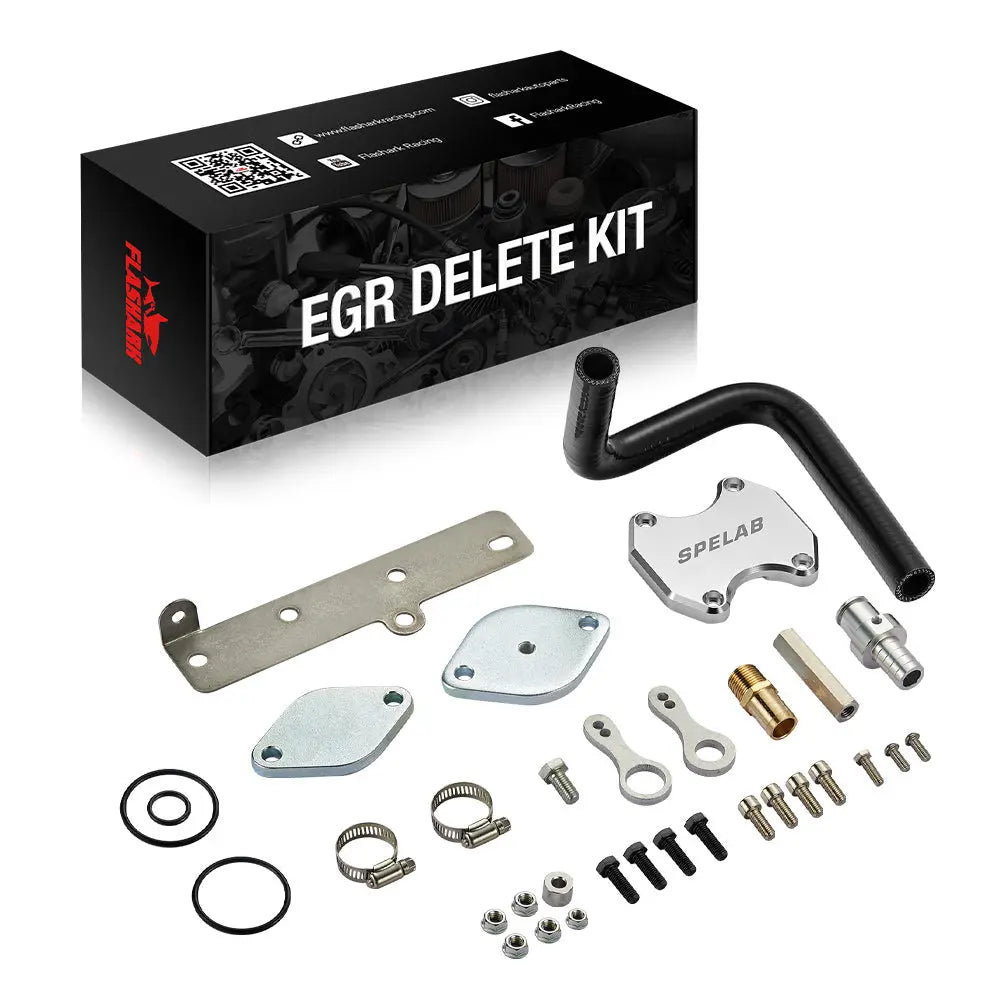
A lot of guides recommend an “EGR delete” for the 4.8L, but that advice is often copied without checking the engine. Most 4.8L engines do not have an external EGR valve. GM used external EGR on some early Gen III LR4 applications, but many later engines do not have it at all.
If you have an early EGR-equipped engine, removing the hardware can clean up the engine bay, but it requires ECU tuning to avoid check-engine-light problems. If your engine never had EGR, there is nothing to delete.
Breathing Upgrades: Intake, Headers and Exhaust
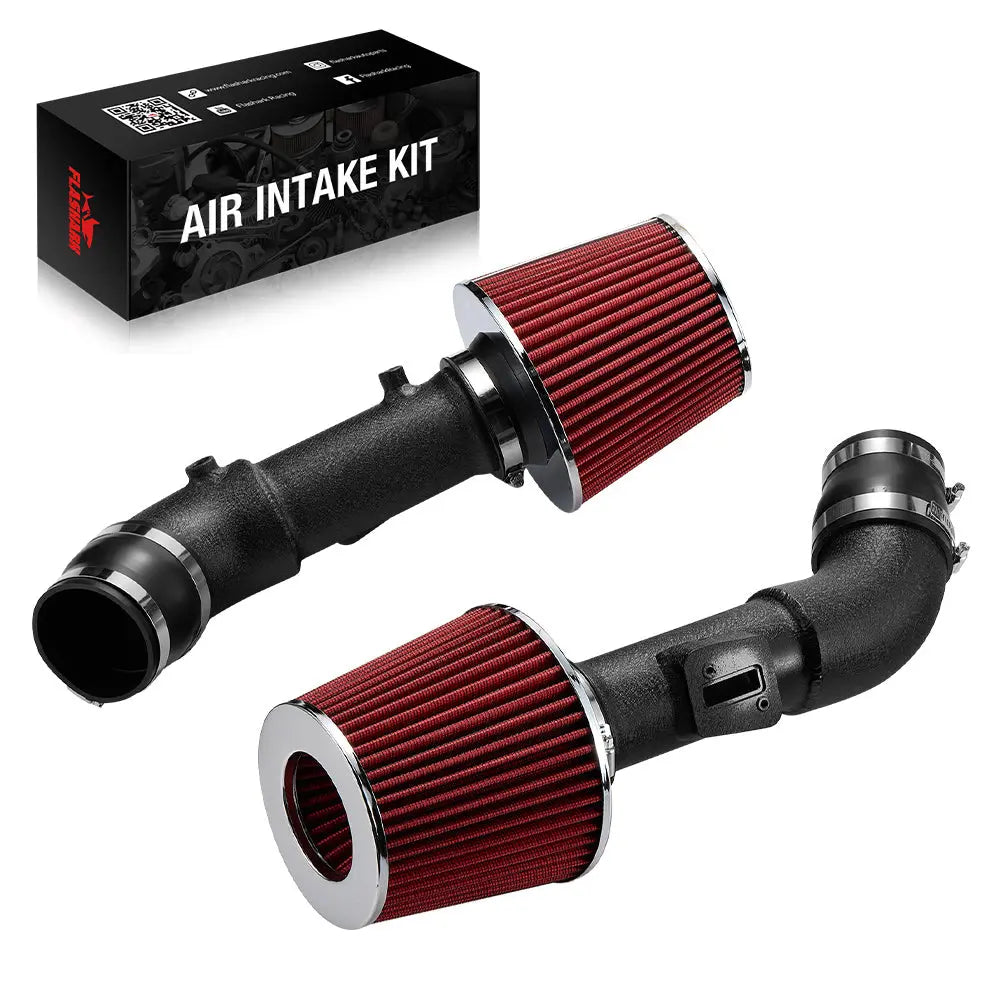
The 4.8 is small, so airflow matters. It likes RPM. It likes exhaust scavenging. A good intake, long-tube headers, and a proper tune can make the truck feel much sharper without opening the short block.
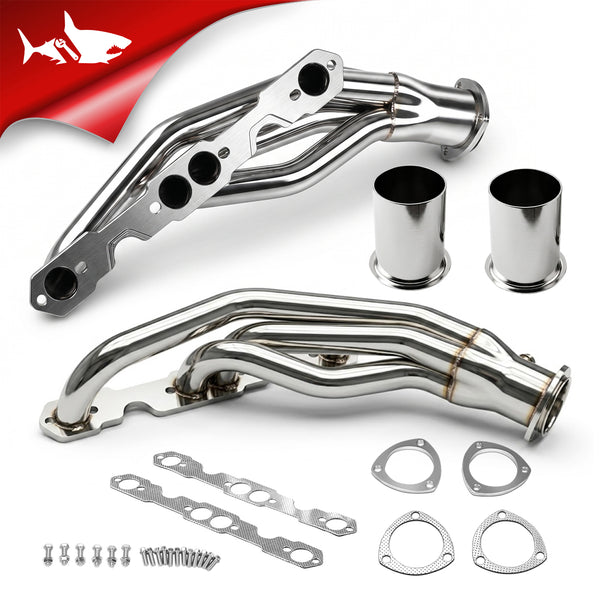
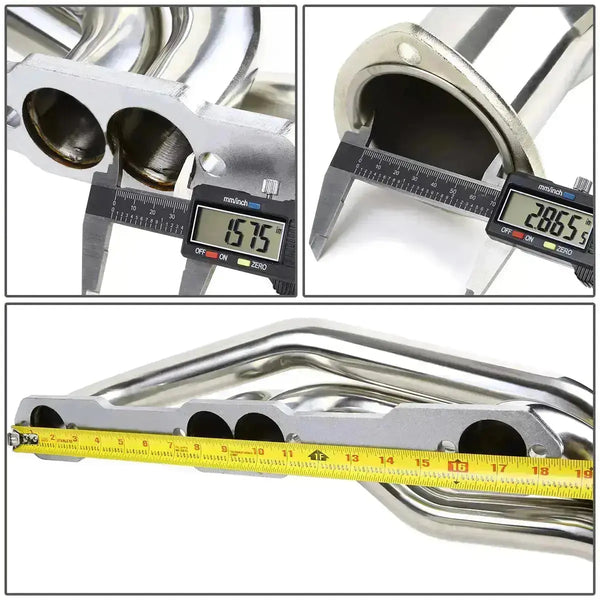
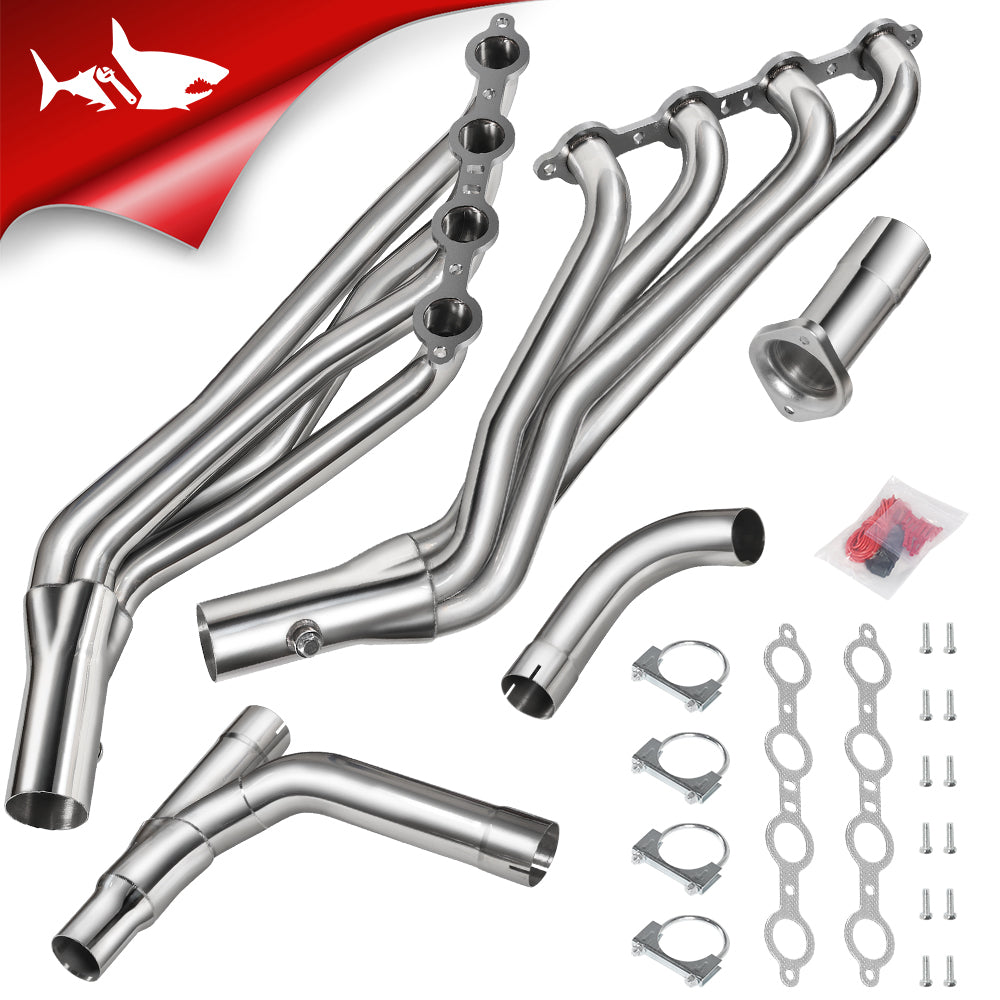
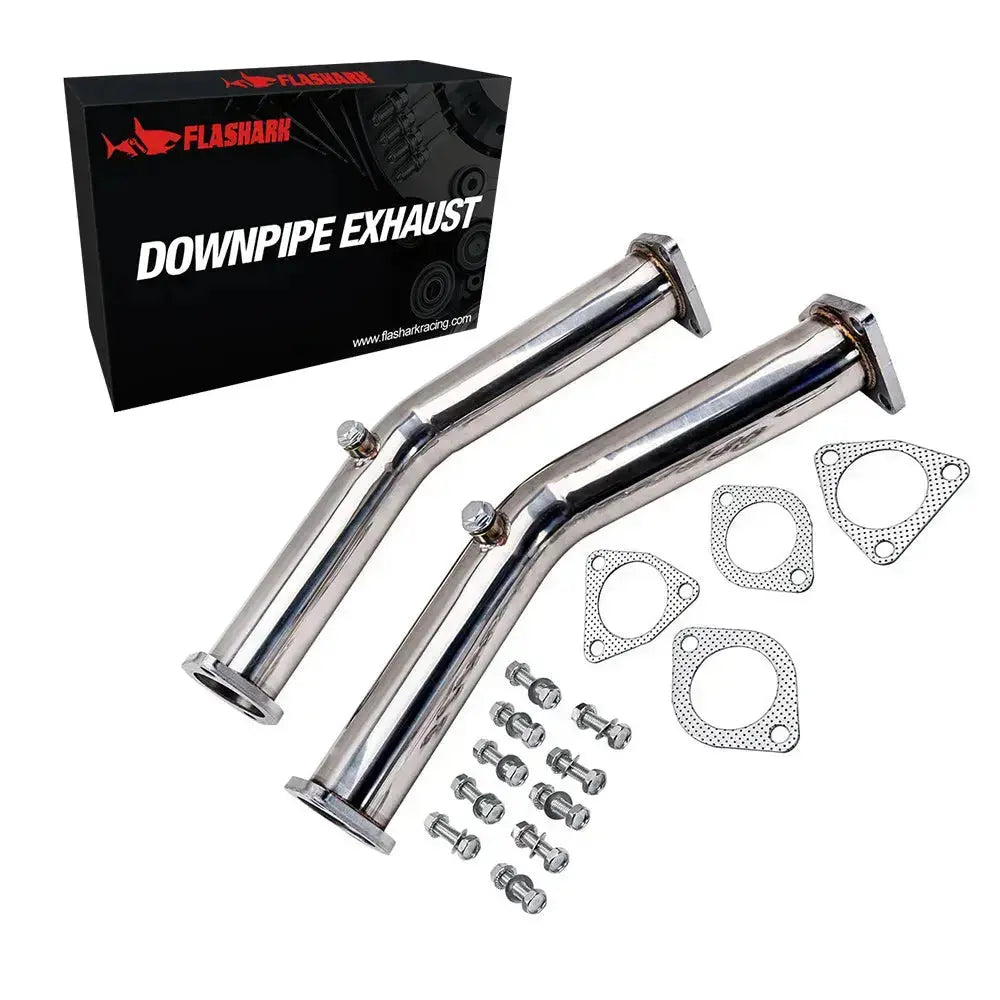
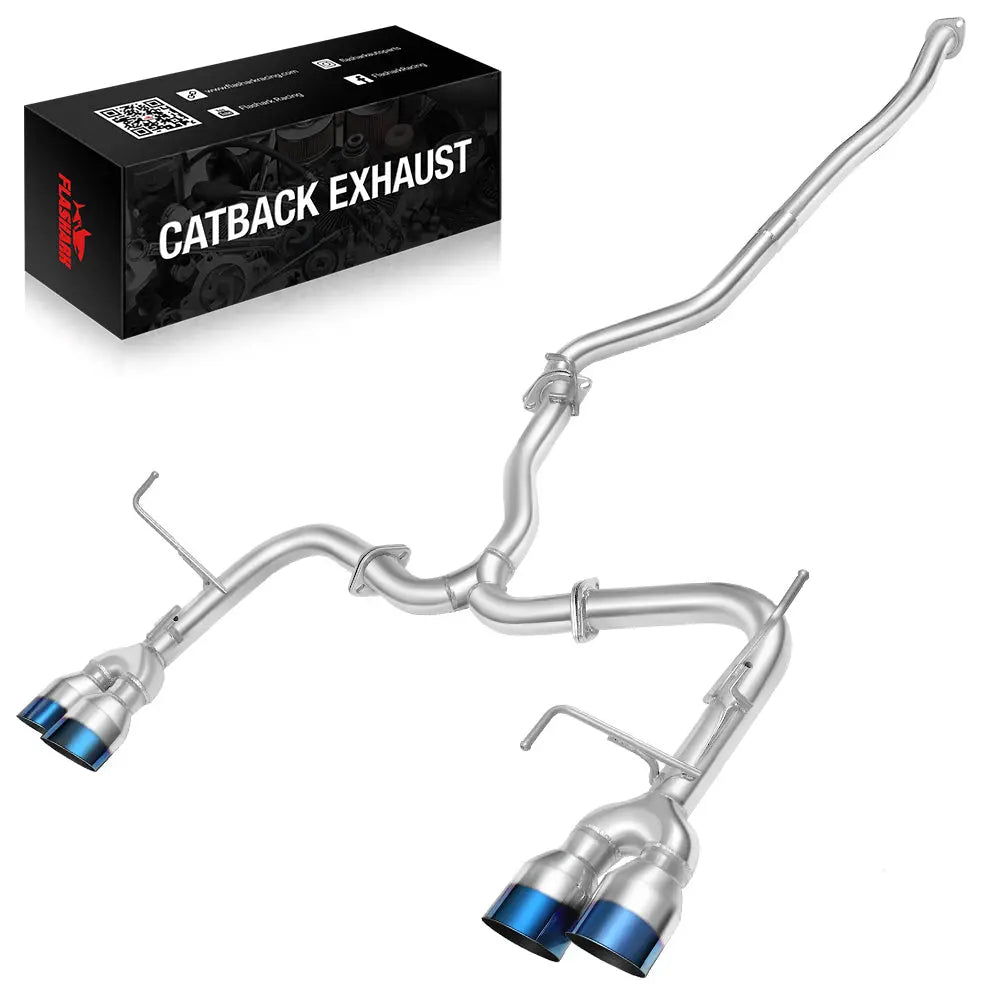
If you are working with a GMT800 truck, the long tube headers and Y-pipe for 1999–2006 Chevy/GMC Silverado, Sierra and Avalanche 4.8L/5.3L/6.0L are a common first upgrade. For later trucks, the 2007–2014 Silverado/Sierra/Suburban/Yukon 4.8L header fitment is the direction to check. Fitment matters, especially around 2WD/4WD, Y-pipe routing, O2 sensor locations, and emissions equipment.
For Silverado owners comparing real header fitment, this guide on the best headers for your 4.8L Silverado. If you want a broader power estimate, this article on how much horsepower headers add to an LS engine is also useful for understanding realistic bolt-on gains.

Headers and Exhaust: Where the 4.8 Starts to Wake Up
Ditch the heavy, restrictive factory manifolds. A quality set of long-tube headers helps the 4.8 breathe at higher RPM, improves exhaust scavenging, and gives the truck the sharper LS V8 tone people actually want.
Camshaft Upgrades: Do Not Over-Cam a 4.8
The 4.8 is smaller than a 5.3 or 6.0, so it does not tolerate giant cams as well in a heavy truck. A cam that sounds nasty on Instagram can feel dead below 3,000 rpm if the truck is heavy, geared tall, and still running a stock converter.
| Cam Style | Typical Use | Street Manners | Best Match |
|---|---|---|---|
| Mild truck cam | Daily driver, street truck | Clean idle, good torque | Headers, tune, stock or mild converter |
| Stage 2-style truck cam | Street/strip, weekend truck | Noticeable chop, stronger midrange/top-end | Headers, springs, pushrods, tune, converter recommended |
| Turbo cam | Boosted 4.8 build | Depends heavily on specs | Fuel system, turbo kit, ring gap, tune, drivetrain upgrades |
Pro Tip: Spark Plugs for Boosted 4.8 Builds
If you plan to run boost, do not leave random old platinum plugs in the engine. High cylinder pressure can blow out weak spark. Many boosted LS builders move to a colder copper plug and tighten the gap, often around .022"–.026" depending on boost, ignition health, fuel, and tuner preference.
Do not copy someone else's plug gap blindly. Your turbo size, boost pressure, coils, fuel type, compression, and tune all matter.
ECU Tuning and Engine Management
None of the bolt-ons matter if the computer is not calibrated. HP Tuners and EFI Live are common for factory ECU tuning. For swap cars and boosted builds, standalone systems like Holley Terminator X can simplify wiring and tuning, especially when the factory harness is a mess.
How Much Horsepower Can a Stock 4.8 Handle?
A healthy stock-bottom-end 4.8 can often handle serious power, but this is where internet numbers get dangerous. You will hear 600 hp, 700 hp, even 1,000+ hp stories. Some are real. Some are dyno abuse tests. Some are not street-reliable recommendations.
For a safer real-world target, a properly prepared turbo 4.8 with good fuel, conservative timing, opened ring gap, healthy oil pressure, and a smart tune can live around the 500–700 hp range in many builds. Beyond that, risk rises fast. Pistons, ringlands, rods, head sealing, fuel delivery, transmission strength, and heat management all start fighting you.
Important Boundary: Dyno Hero Numbers Are Not Daily-Driver Advice
The famous stock-bottom-end 4.8 dyno abuse stories prove the platform is strong, but they do not mean every junkyard 4.8 should be street-driven at 1,000 hp. If you want reliability, treat ring gap, fuel pressure, injector size, intercooling, crankcase ventilation, converter, transmission, and tuning as part of the engine build—not optional extras.
Best Upgrade Path for a 4.8 Vortec Build
- Baseline the engine: compression test, oil pressure check, plug reading, coolant check, and vacuum leak inspection.
- Fix known problems: intake gaskets, exhaust leaks, broken manifold bolts, water pump seepage, oil pressure sensor, and questionable 706 heads.
- Add airflow: long-tube headers, Y-pipe, exhaust, intake, and a real tune.
- Choose the right cam: do not over-cam a heavy truck. Match cam, converter, gears, and use case.
- Upgrade fuel: injectors, pump, regulator, and lines become critical with E85 or boost.
- Plan the drivetrain: a tired 4L60E will not enjoy boosted torque. A 4L80E, T56, or stronger setup may be needed.
- Add boost only after prep: ring gap, intercooling, spark, fuel, and tune must be handled first.
4.8 Vortec Engine FAQ
Q: What is the main difference between the 4.8 and 5.3 Vortec engines?
A: The 4.8L uses the same 3.78-inch bore as the 5.3 but has a shorter 3.27-inch stroke. The 5.3 makes more low-end torque, while the 4.8 likes RPM and is popular for budget turbo builds.
Q: Is the 4.8 a real LS engine?
A: Yes. The 4.8 Vortec is an LS-based Gen III or Gen IV small-block truck engine. It shares the same basic LS architecture, but parts compatibility depends on engine code, reluctor wheel, throttle style, and electronics.
Q: How much horsepower does a 4.8 Vortec have?
A: Most factory 4.8 Vortec engines make roughly 255–302 horsepower, depending on the engine code, year, vehicle, and calibration.
Q: How much torque does a 4.8 Vortec make?
A: Most 4.8 Vortec engines make around 285–305 lb-ft of torque from the factory. The 5.3 makes more low-end torque, which is why it feels better in heavier towing trucks.
Q: How much horsepower does a 1999 4.8 Vortec have?
A: A 1999 4.8 Vortec is typically an LR4 Gen III engine and is generally rated around the mid-250 hp range, depending on the exact application and calibration.
Q: How much horsepower does a 2003 4.8 Vortec have?
A: A 2003 4.8 Vortec is commonly an LR4 and usually falls around the upper-200 hp range, depending on the truck or van calibration.
Q: How much horsepower does a 2007 4.8 Vortec have?
A: A 2007 4.8 Vortec is commonly a Gen IV LY2 and is generally rated around 295 horsepower with roughly 305 lb-ft of torque, depending on application.
Q: What is the horsepower of a 2011 Silverado 4.8?
A: A 2011 Silverado 4.8 is commonly associated with the Gen IV L20 family and is generally rated around the high-200 to low-300 hp range depending on calibration and application.
Q: Is the 4.8 LR4 a good engine?
A: Yes. The LR4 is simple, durable, cheap, and one of the most common early 4.8 Vortec engines. It is especially popular for budget LS swaps because it avoids AFM and uses simpler Gen III electronics.
Q: What is the difference between LR4, LY2, and L20?
A: LR4 is the early Gen III 4.8, usually with a 24x reluctor. LY2 is a Gen IV 4.8 with updated 58x electronics. L20 is a later Gen IV 4.8 often associated with flex-fuel capability and newer calibration features.
Q: Can the 4.8 handle boost?
A: Yes. The 4.8 is known for handling boost well because of its iron block and short stroke. A healthy engine with proper ring gap, fuel system, intercooling, and a safe tune can make serious power.
Q: How much horsepower can the stock 4.8 handle?
A: A prepared stock-bottom-end 4.8 can often survive around 500–700 horsepower in boosted builds, but reliability depends heavily on tune quality, fuel delivery, ring gap, heat control, and engine condition.
Q: Which years of the 4.8 are the most reliable?
A: All 4.8 years are generally strong, but Gen III LR4 engines are popular for simple swaps, while Gen IV LY2/L20 engines are attractive for boost because of stronger rods and updated electronics.
Q: Are 4.8 and 5.3 parts interchangeable?
A: Many top-end and external parts interchange, including heads, intakes, headers, accessories, and sensors in many cases. The major internal difference is the crankshaft and rotating assembly because the 4.8 uses a shorter stroke.
Q: What is the best cam upgrade for a 4.8?
A: For a daily truck, use a mild truck cam that preserves low-end torque. For a lightweight car or turbo setup, a more aggressive cam can work, but it must be matched with springs, pushrods, converter, gears, and tuning.
Q: Does the 4.8 support E85?
A: Some L20 Gen IV 4.8 engines support factory flex-fuel. Older engines can run E85 with the right injectors, pump, fuel system compatibility, and professional tuning.
Q: What is the redline of the 4.8?
A: Factory redline is commonly around 5,600–6,000 rpm. With upgraded valve springs, pushrods, and proper tuning, many performance 4.8 builds safely rev higher.
Q: Can the 4.8 be swapped into older vehicles easily?
A: Yes. The 4.8 is one of the cheapest LS-based swap engines. Aftermarket mounts, oil pans, harnesses, headers, and standalone ECU options make it a popular choice for C10s, S10s, Foxbodys, 240SXs, and other lightweight chassis.
Q: Which ECU is used with the 4.8?
A: Gen III LR4 engines commonly use P01 or P59 PCMs. Gen IV LY2/L20 engines commonly use the E38 ECM. Always match the ECU to the reluctor wheel, harness, throttle, and sensor setup.
Q: Do I need bigger injectors for performance upgrades?
A: For basic headers and intake upgrades, stock injectors may be fine. For cam, E85, nitrous, or boost, larger injectors and a stronger fuel pump are usually required.
Q: Does the 4.8 suffer from AFM issues?
A: No, the 4.8 Vortec is not known for the AFM lifter-collapse problems that affect many 5.3 Gen IV engines. That is one reason builders like it.
Q: What transmission pairs best with the 4.8?
A: The factory 4L60E works for stock and mild builds, but it becomes a weak link as power rises. Boosted or aggressive builds often move to a stronger 4L80E, T56, AR5, or other upgraded drivetrain setup.
Q: Is the 4.8 good for towing?
A: It is acceptable for light-to-moderate towing, but it is not the best choice for heavy towing. The 5.3 or 6.0 makes more low-end torque and feels better in a loaded truck.
Q: Why do so many people turbocharge the 4.8?
A: The 4.8 is cheap, strong, short-stroke, and easy to replace. That combination makes it a favorite for budget turbo LS builds where high-RPM power matters more than low-end towing torque.
Q: Is the 4.8 worth building compared to a 5.3?
A: Yes, if the goal is a budget boost build, swap car, or high-RPM project. For heavy trucks and towing, the 5.3 is usually the better choice because it makes more torque.
Q: What vehicles came with the 4.8 from the factory?
A: The 4.8 was used in GM half-ton trucks and vans from 1999 to 2013, including the Chevrolet Silverado 1500, GMC Sierra 1500, Chevrolet Express, GMC Savana, and some early base Tahoe/Yukon applications.
Final Take: Is the 4.8 Vortec Still Worth Building?
Yes, the 4.8 Vortec is still worth building—just not for every job. If you want a tow rig, buy the 5.3 or 6.0. If you want a cheap LS-based engine that can take RPM, boost, and abuse, the 4.8 is one of the best budget engines in the GM world.
The trick is being honest about the combination. Headers and a tune wake it up. A mild cam can make it fun. Boost can turn it into a monster. But none of that matters if the engine has cracked heads, weak fuel pressure, a tired transmission, or a lazy tune.
Build the 4.8 like a system—not a pile of random parts—and it will reward you.

Steven Chen
Automotive Performance Specialist | Engine & Exhaust Systems
Steven focuses on practical engine performance, exhaust fitment, and real-world upgrade paths for classic and modern enthusiast vehicles. He reviews small-block Ford, LS, truck, and street/strip applications with one goal in mind: helping builders choose parts that actually work together. His philosophy: "Good power starts with the right combination, not the biggest part."
References & Technical Notes
- GM Gen III and Gen IV small-block V8 RPO references for LR4, LY2, and L20 4.8L engines.
- Common 4.8L Vortec factory specification references for displacement, bore, stroke, horsepower, torque, and vehicle applications.
- Flashark fitment data for 1999–2006 and 2007–2014 Chevy/GMC truck exhaust header applications.
- Real-world LS swap and boosted 4.8 build practices, including reluctor wheel verification, fuel system sizing, ring gap preparation, and drivetrain planning.