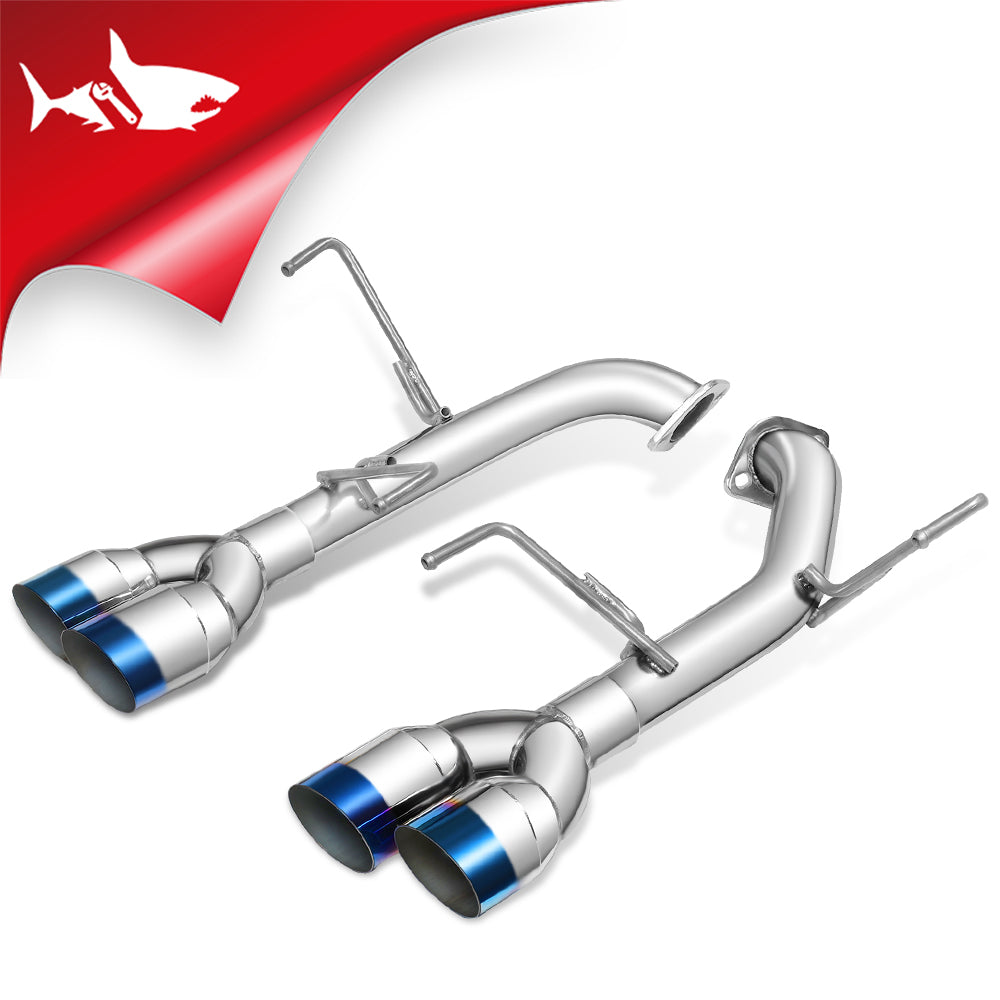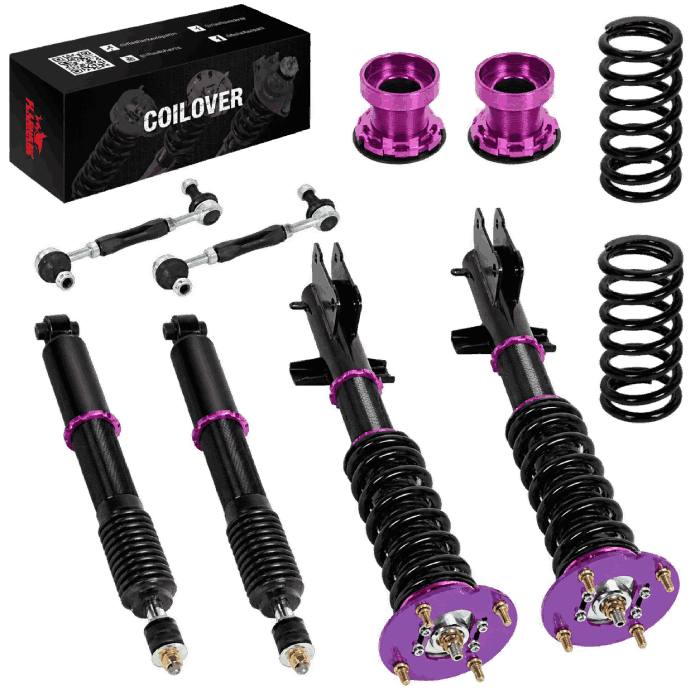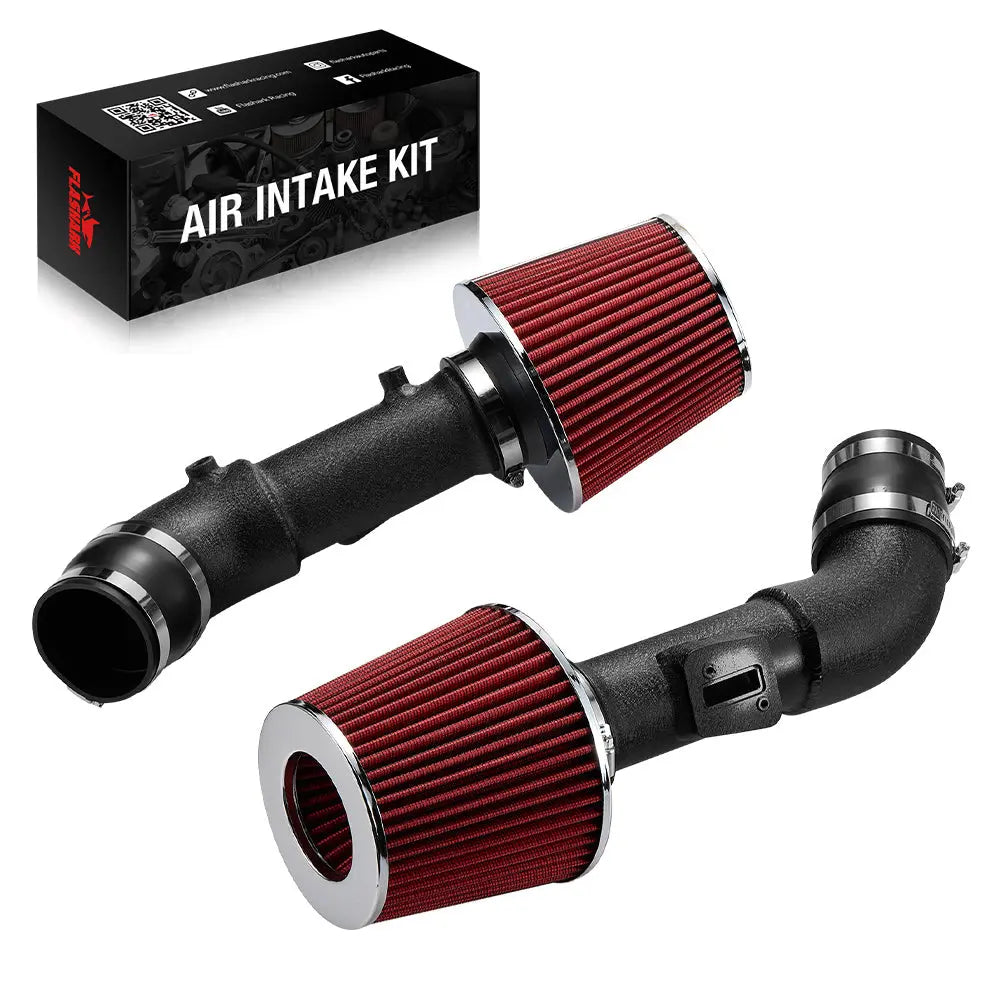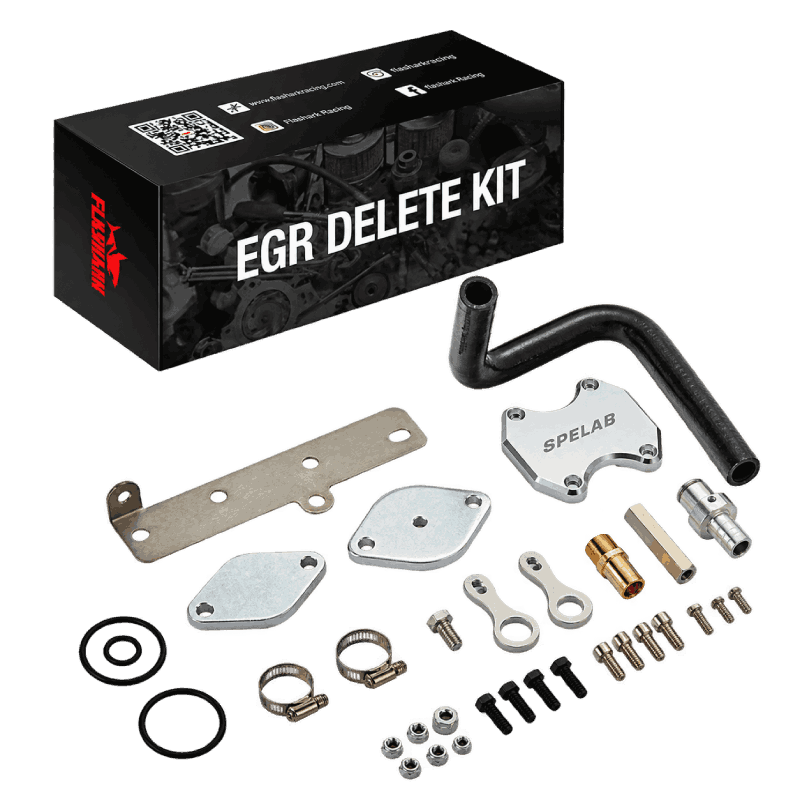
When owners ask about the cost to delete a 6.7 Powerstroke, they are usually trying to price more than one part. The total can involve emissions-related hardware, calibration considerations, labor, diagnosis, replacement components, and the condition of the truck when work begins. It can also vary with the Ford Super Duty configuration, exhaust layout, local road-use rules, and the owner’s actual goal.
This guide explains the cost categories and decision points around a 6.7L Power Stroke emissions-system modification. It is written for owners comparing repair, maintenance, and modification paths—not as an installation guide for disabling emissions equipment.
Quick answer
- There is no reliable single price for a 6.7 Powerstroke delete because vehicle configuration, hardware condition, labor, and calibration needs vary.
- The lowest parts quote is rarely the complete cost. Diagnosis, damaged fasteners, sensor condition, exhaust connections, and restoration work can change the final bill.
- For U.S. road vehicles, removing or disabling certified emissions controls can create legal, inspection, warranty, and resale consequences. Review local emissions and road-use requirements before modifying emissions-related equipment.
- If drivability, warning lights, regeneration concerns, or exhaust faults are the reason for researching a delete, start by identifying the actual failed component and the vehicle’s configuration.
What does “delete” mean on a 6.7 Powerstroke?
In owner terminology, a “6.7 Powerstroke delete” commonly refers to changing or removing emissions-related systems such as the exhaust gas recirculation system (EGR), diesel particulate filter (DPF), diesel exhaust fluid system (DEF), or related exhaust components. These systems have different functions and should not be treated as interchangeable.
- EGR: routes a controlled amount of exhaust gas back into the intake path under certain operating conditions.
- DPF: captures particulate matter in the exhaust and relies on regeneration strategies to manage soot loading.
- DEF/SCR: is part of the aftertreatment system used to reduce certain exhaust emissions.
- CCV: manages crankcase vapors and pressure; a CCV reroute is not the same type of modification as changing DPF, DEF, or EGR equipment.
Keeping those names separate matters. A truck can have an exhaust concern, a sensor issue, a regeneration problem, an intake-side deposit concern, or a calibration-related fault without all systems sharing the same cause.
6.7 Powerstroke delete cost: the categories that shape the bill
A realistic cost discussion starts with the work required, not a single advertised kit price. The table below helps separate the areas that can affect the total.
| Cost area | Why it varies | What to check first |
|---|---|---|
| Vehicle diagnosis | A warning light, poor performance, or frequent regeneration can have more than one cause. | Identify the affected system, fault history, wiring condition, leaks, and maintenance status. |
| Hardware and connections | Exhaust routing, clamps, flanges, sensors, and corrosion can change the scope of work. | Match the selected configuration to the truck’s year, engine, drivetrain, emissions equipment, and exhaust connection. |
| Labor and access | Rust, seized fasteners, previous repairs, and underbody clearance can affect labor. | Inspect the complete exhaust path and mounting points before approving work. |
| Electronic systems | Sensor location, wiring condition, installed hardware, emissions equipment, and calibration all interact. | Treat the intake, exhaust, emissions, and calibration combination as one system. |
| Legal and ownership costs | Road-use rules, inspections, warranty coverage, insurance, resale, and restoration needs may affect the decision. | Consider the intended use of the truck and the rules that apply where it is registered and operated. |
Why a fixed price can be misleading
Two trucks with the same engine name can still arrive with different histories. One may need only routine diagnosis and a compliant repair. Another may have corroded exhaust hardware, damaged sensor connectors, prior modifications, leaks, or multiple stored faults. Those conditions affect both the work required and the risk of treating a symptom as the root cause.
Here is the part that matters: a cost estimate should identify what it includes. Ask whether the quote covers diagnosis, hardware, seals and clamps, sensor handling, labor, calibration-related work, and any work needed to return the truck to a road-ready condition. A number without that context is not a useful comparison.
Performance, fuel economy, and reliability claims need context
Changes to exhaust restriction can affect engine operating conditions, but the final result depends on the complete combination: engine condition, intake path, exhaust layout, fueling, calibration, load, driving pattern, and maintenance. A change in one section of the system does not establish a fixed horsepower, torque, fuel-economy, or durability result for every 6.7L Power Stroke.
For the same reason, sound is not proof of performance. Exhaust tone can change with pipe routing, mufflers, resonators, leaks, and the rest of the exhaust path. A louder system is not automatically a better-matched system.
Important: A warning light or reduced performance should not automatically be treated as proof that an emissions-system modification is the right answer. Check for leaks, wiring damage, sensor concerns, maintenance issues, and the specific fault path first.
How to approach EGR, DPF, and CCV questions without mixing systems
An EGR concern, a DPF concern, and a CCV reroute question should be evaluated separately. The systems are related to engine operation, but they do not perform the same job and they do not share the same service path.
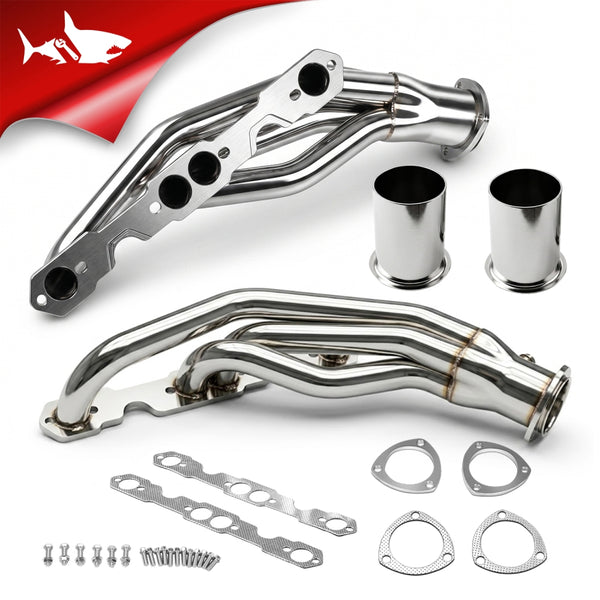
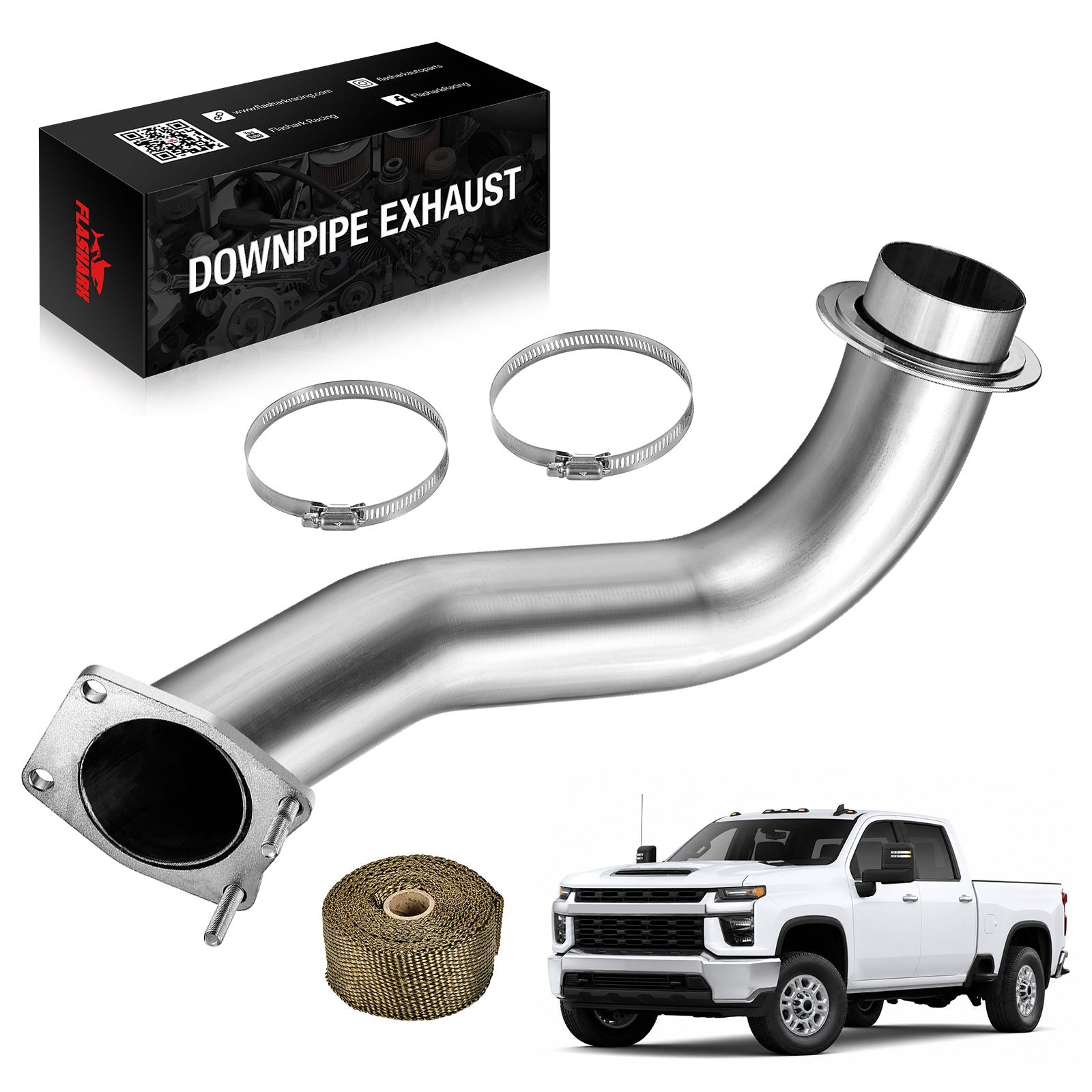
For owners researching component functions, the existing Flashark collections for Powerstroke EGR-related parts, DPF and exhaust-related parts, and CCV reroute components can help identify the categories involved. Match any selected configuration to the specific vehicle before ordering.
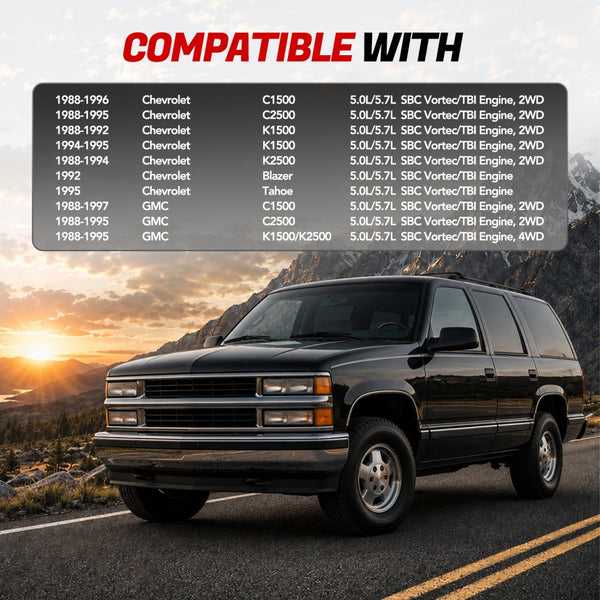
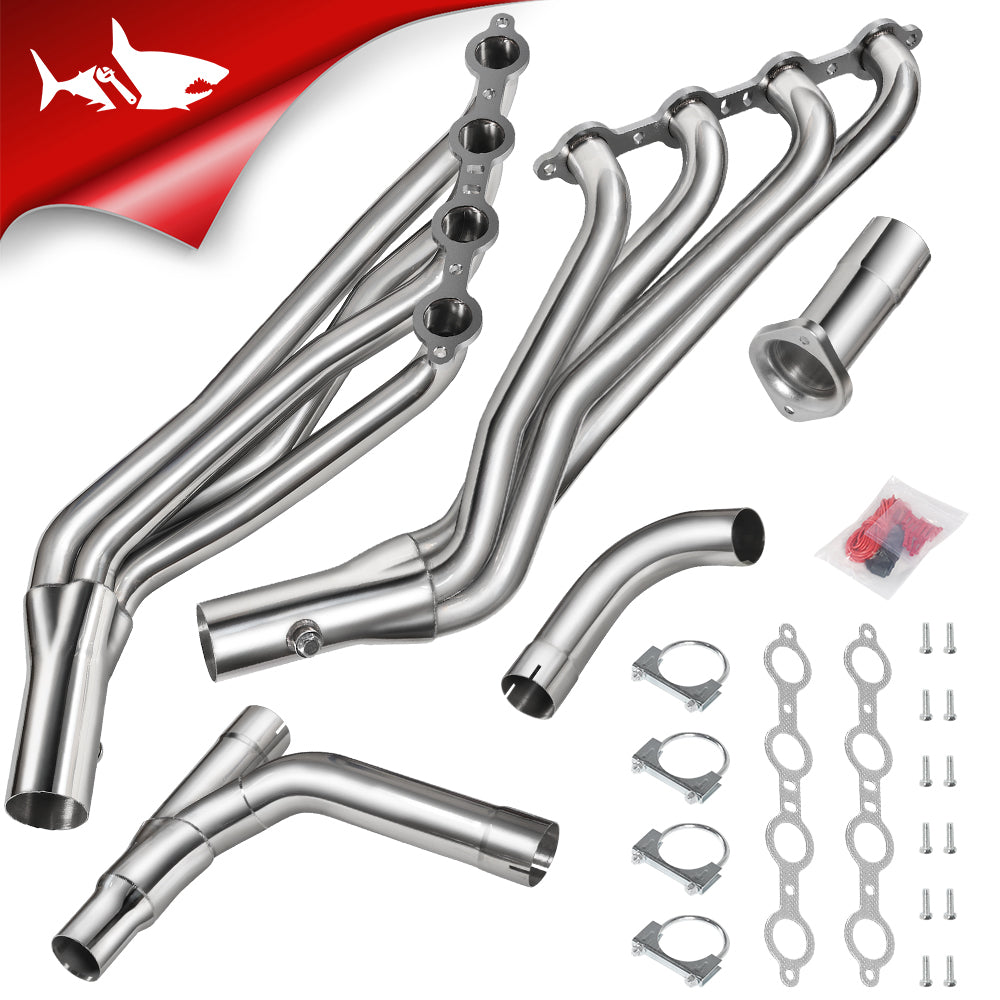
Two similar-looking parts are not automatically interchangeable. Connection location, sensor provisions, wheelbase, drivetrain, exhaust routing, and the rest of the installed system can all matter.
Legal, inspection, warranty, and resale considerations
For road vehicles in the United States, federal law prohibits tampering with certified emissions controls and the sale or installation of parts intended to defeat those controls. State and local requirements can add inspection or registration consequences. The U.S. Environmental Protection Agency provides an overview of these rules in its tampering and defeat-device enforcement alert.
Mechanical installation is not the same as road legality. Before making a decision, consider registration requirements, warranty implications, insurance questions, resale plans, and the possibility that returning the vehicle to its original emissions configuration could add cost later.
Questions to ask before spending money
- What is the truck’s exact year, engine, drivetrain, and current exhaust/emissions configuration?
- What symptom is being addressed: a stored fault, poor performance, regeneration behavior, an exhaust leak, or a failed component?
- Has the truck been inspected for wiring damage, sensor condition, leaks, soot traces, and prior modifications?
- Does the quote separate diagnosis, parts, labor, and any follow-up work?
- What road-use, inspection, warranty, and ownership requirements apply where the truck will be operated?
- If a part is being selected, does its connection layout match the truck and the downstream exhaust?
When repair or diagnosis is the better first move
If the truck has a warning light, reduced-power condition, unusual regeneration behavior, exhaust odor, soot around a connection, or a drivability change, diagnosis is usually the better first expense. Repairing a leak, damaged connector, sensor issue, or maintenance-related condition can be more appropriate than making a broad system change based on symptoms alone.
Take a minute before tightening a clamp or approving a major job. A system installed under tension can shift as it heats and cools, and an exhaust leak can create symptoms that look like a larger hardware problem.
Conclusion
The cost to delete a 6.7 Powerstroke cannot be reduced to one reliable number. The meaningful total depends on the truck’s configuration, the actual fault or goal, required hardware and labor, electronic-system considerations, and the legal and ownership consequences of the decision.
Start with accurate vehicle identification and diagnosis. Then compare the complete cost of the available paths—not just the first parts price you see.
Frequently Asked Questions
Q1. How much does it cost to delete a 6.7 Powerstroke?
A1. There is no dependable single figure. The total can change with the truck’s configuration, diagnosis, hardware condition, labor, electronic-system considerations, and the rules that apply to the vehicle’s intended use.
Q2. Does a parts price represent the complete cost?
A2. Not necessarily. A complete estimate may also involve diagnosis, labor, damaged fasteners, clamps or seals, sensor handling, and work required after the initial installation.
Q3. Is a DPF issue always the reason for poor performance?
A3. No. Poor performance can also relate to exhaust leaks, sensor concerns, wiring condition, maintenance issues, intake-side faults, or other engine-system problems. Diagnosis should identify the actual cause.
Q4. Are EGR, DPF, DEF, and CCV modifications the same thing?
A4. No. EGR, DPF, DEF/SCR, and CCV systems perform different functions. Their hardware, operating conditions, and decision factors should be considered separately.
Q5. Will an emissions-related modification improve fuel economy?
A5. Fuel-economy results are not fixed. They can vary with vehicle condition, load, driving pattern, calibration, the complete intake and exhaust combination, and maintenance condition.
Q6. Will a change to the exhaust create a warning light?
A6. Warning-light behavior can be affected by installed hardware, sensor location, wiring condition, exhaust leaks, emissions equipment, and calibration. There is no universal result for every truck.
Q7. Does a louder exhaust mean the truck gained power?
A7. No. Exhaust sound can change because of pipe routing, mufflers, resonators, leaks, and the rest of the exhaust path. Sound alone does not measure engine output.
Q8. What fitment details should I check before ordering a related part?
A8. Confirm the vehicle year, engine, drivetrain, emissions equipment, exhaust connection, and selected configuration. Similar-looking parts can have different connection layouts or sensor provisions.
Q9. Can a modified emissions system affect resale or warranty decisions?
A9. It can. Warranty coverage, inspection requirements, registration, resale expectations, and the cost of restoring the vehicle can all affect the ownership decision.
Q10. What is the safest first step when a 6.7 Powerstroke has a warning light or drivability problem?
A10. Start with diagnosis. Check the specific fault path, wiring, sensors, leaks, maintenance condition, and existing configuration before choosing a repair or modification path.

Steven Chen
Automotive Performance Specialist | Engine & Exhaust Systems
Steven focuses on practical engine performance, exhaust fitment, and real-world upgrade paths for classic and modern enthusiast vehicles. He reviews small-block Ford, LS, truck, and street/strip applications with one goal in mind: helping builders choose parts that actually work together. His philosophy: "Good power starts with the right combination, not the biggest part."