
Installing automotive headers on your 350 engine can significantly boost performance, especially when looking for increased horsepower and torque. But how much power can you really gain by ditching those restrictive cast-iron factory manifolds? This article explores how headers impact a Small Block Chevy (SBC) 350's performance, the factors that affect power gains, and how you can maximize your engine's potential.
🔧 Mechanic’s Note: I've wrenched on Small Block Chevys for over 15 years. Throwing headers on a 350 isn't just about unbolting rusty iron logs—it's about waking up the low-end torque and letting the engine actually breathe. Below is what I’ve seen on the dyno and experienced firsthand in the garage.
Bottom Line Up Front: The Quick Answer
If you don't have time to read the full breakdown, here is exactly what you can expect when adding headers to a Chevy 350 V8, depending on your setup:
- Stock SBC 350 (No internal mods): Expect a modest 10–15 WHP (Wheel Horsepower) gain. You'll feel it most in low-end throttle response.
- Mildly Modified 350 (Intake, Exhaust, Tune): Gains typically jump to 15–25 WHP.
- Heavily Modified 350 (Cam, Vortec/High-Flow Heads): This is where headers shine. Expect 30–40+ WHP. A big cam engine needs long tubes to scavenge properly.
- Shorty vs. Long Tube: Shorties give you ~10 HP and easy clearance; Long Tubes give you 15-30+ HP but require more under-hood space and a custom mid-pipe.
Quick Overview: Expected Gains
| Engine Setup | Header Type | Estimated HP Gain (Crank/WHP)* |
|---|---|---|
| Stock 350 V8 (e.g., L05 or TBI) | Shorty | ~10 WHP |
| Stock 350 V8 (e.g., L98) | Long Tube | 15–20 WHP |
| Modified 350 V8 (Vortec heads, cam, intake, tune) | Long Tube | 30–40+ WHP |
*Note: Real-world tuning enthusiasts measure in Wheel Horsepower (WHP), which accounts for drivetrain power loss, rather than factory Crank HP.
⚡ Tip: Pair headers with a high-flow intake and proper carburetor jetting or ECU tuning for maximum results.
Why Headers Matter on a Chevrolet 350 V8
The Chevy 350 small block is legendary for its reliability and tuning potential. However, stock cast-iron exhaust manifolds are basically making your engine breathe through a straw. They restrict exhaust flow, trap heat, and cause cylinders to fight against each other. Headers address this by:
-
Reducing Backpressure: Exhaust gases exit faster, improving cylinder scavenging.
-
Optimizing Pulse Timing: Primary tube length and diameter affect exhaust pulse scavenging, effectively "pulling" the next cycle of exhaust out of the cylinder.
-
Enhancing Combustion Efficiency: Smoother exhaust flow improves intake efficiency, allowing your carburetor or TBI to pull in a denser air/fuel charge.

How Much Horsepower Can You Expect from Installing Headers on a 350 V8?
For many Chevrolet 350 V8 enthusiasts, the first question is always: how much horsepower will headers actually add?
On average, installing headers can increase horsepower by 10–25 WHP, depending on factors like header type, engine generation, and supporting modifications.
Here’s a breakdown:
-
Stock 350 V8:
shorty headers → ~10 HP gain
long tube headers → ~15–20 HP gain -
Modified 350 V8 (performance cam, high-flow heads, intake, tune):
Headers can push gains well beyond 25 HP, often reaching 30–40 HP when combined with supporting upgrades.
Dyno-Backed Performance Cases
| Vehicle | Engine Mods | Header Type | Measured HP Gain |
|---|---|---|---|
| 1989 Chevy C/K1500 | Stock 350 TBI, stock exhaust | Shorty | +9 WHP |
| 1992 Camaro | Stock 350 L98, high-flow cat | Long Tube | +17 WHP |
| 1975 Corvette | 350, Vortec heads, aftermarket cam | Long Tube | +35 WHP |
| 1988 Chevy Blazer | 350, high-flow intake, cam, tuned ECU | Long Tube | +38 WHP |
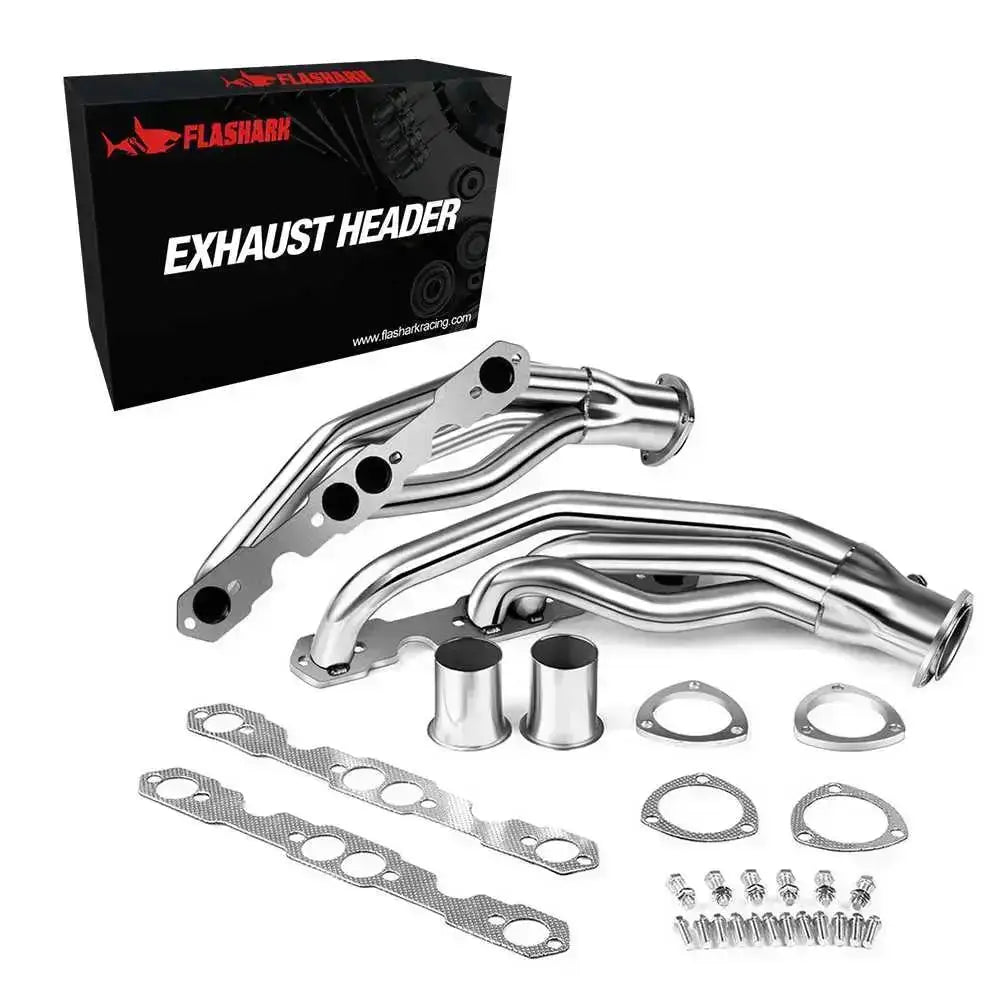
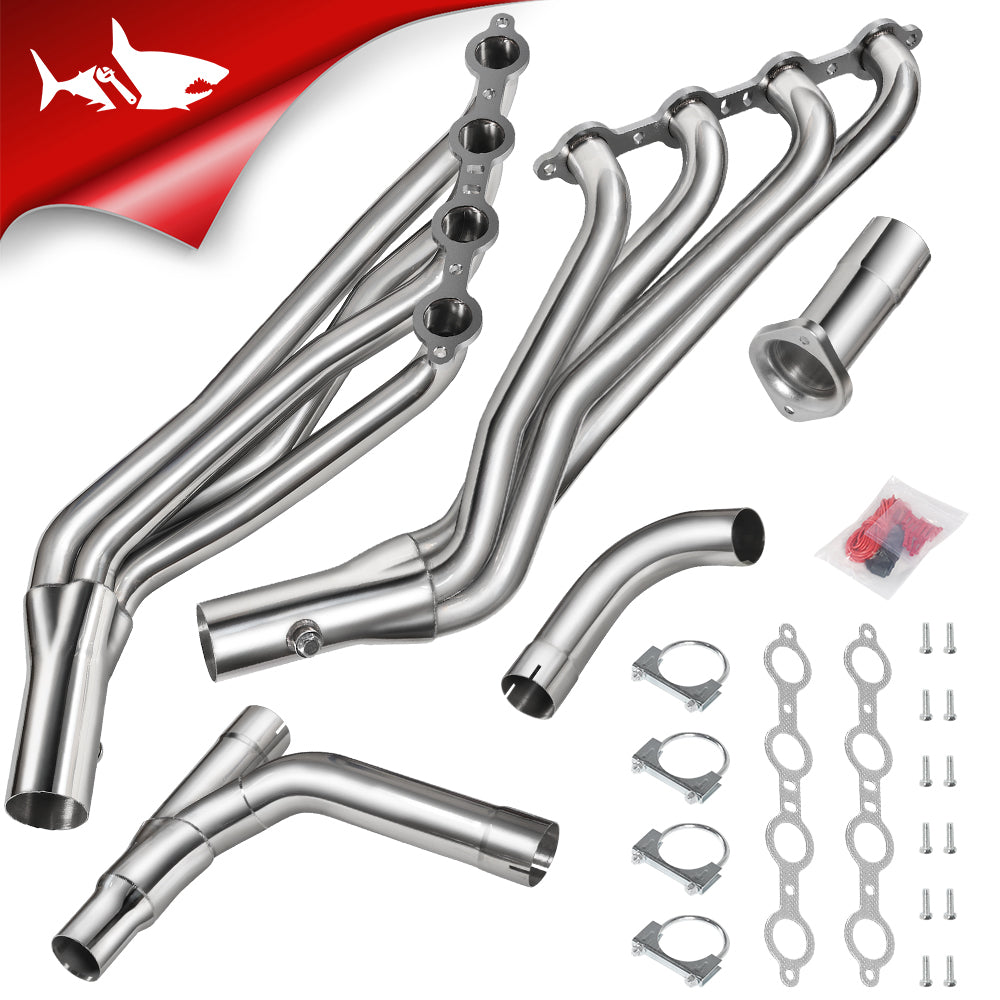
Long Tube Header for 1988-1997 Chevy/GMC 305/350 V8
"The ultimate choice for cammed 350s. You will need a custom mid-pipe, but the top-end screaming HP is 100% worth the weekend project." — Lead Tech
Made from T304 stainless steel for max durability and flow. Eliminates the dreaded factory restriction.
Price: $145
View Long Tube Specs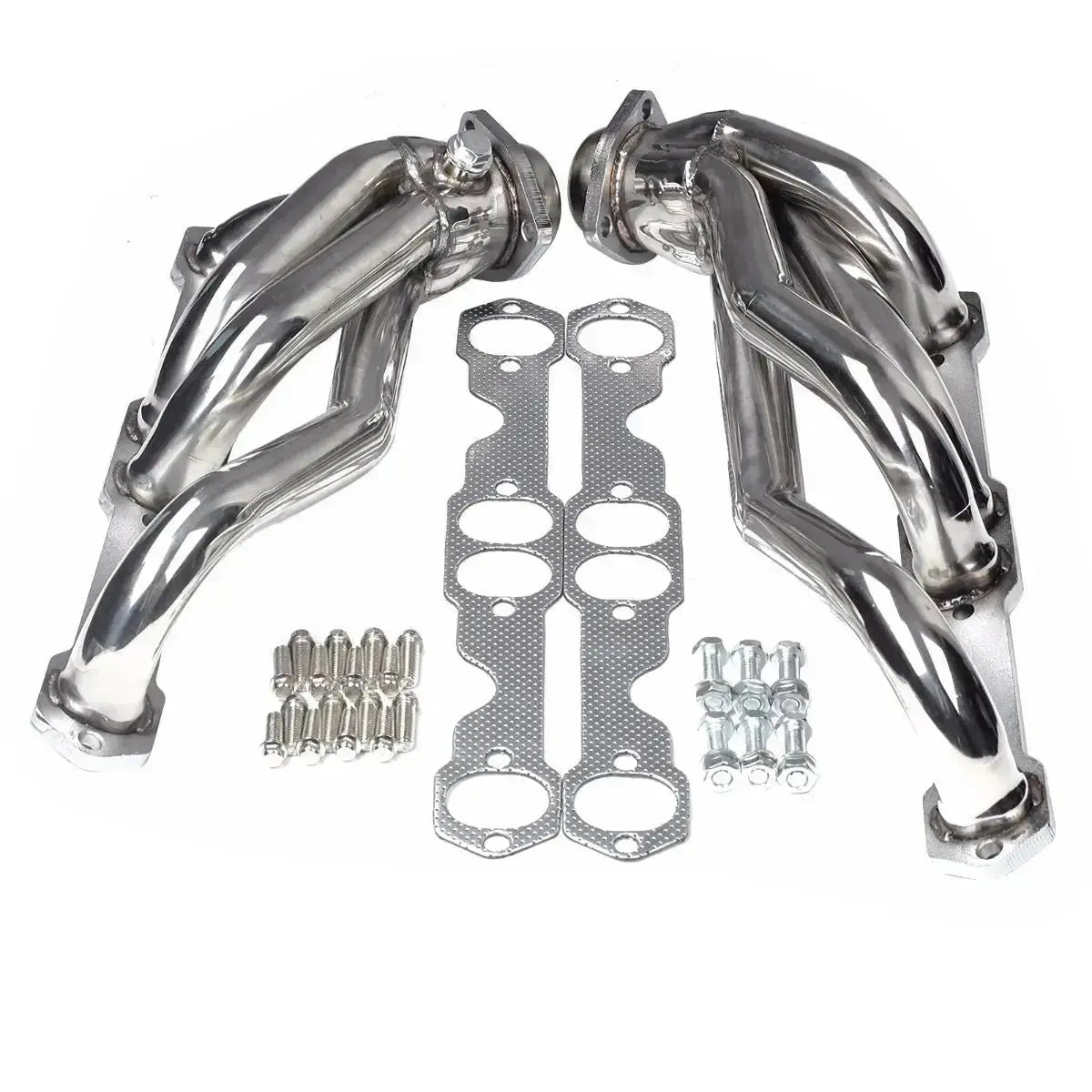
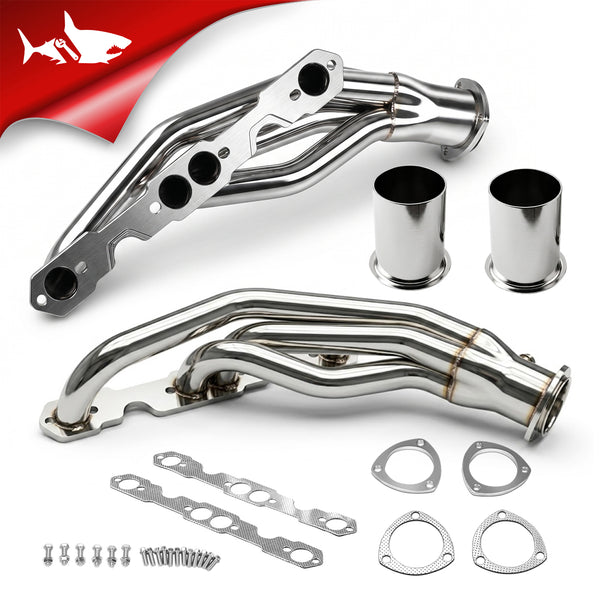
Shorty Headers for 1988-1997 Chevy/GMC 350 5.7L
"Best for street-driven C/K trucks looking for more low-end towing torque and an easy bolt-on installation without relocating the factory catalytic converters." — Lead Tech
T304 stainless steel, TIG welded, direct replacement upgrade.
Price: $149
View Shorty SpecsFactors That Influence Horsepower Gains from Headers on a Chevrolet 350 V8
The horsepower gains from installing headers on an SBC engine can vary widely depending on multiple factors.
Header Type: Long Tube vs. Shorty
Long tube headers generally provide the greatest gains because their extended primary tubes improve exhaust scavenging and allow gases to exit more efficiently, especially at mid-to-high RPMs. Shorty headers are easier to install and fit better in tight engine bays (like third-gen Camaros or 4WD trucks), but they usually produce smaller increases in power.
Tube Diameter and Primary Length
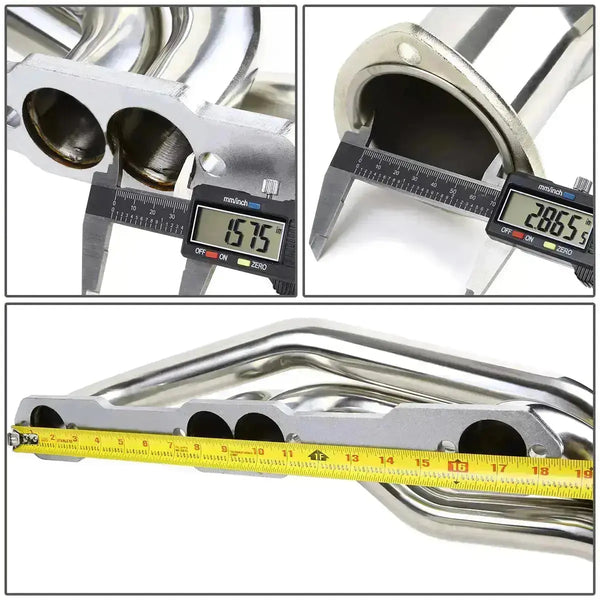
For a street-driven 350, 1-5/8" primary tubes are usually the sweet spot for maintaining low-end torque. If you are pushing 400+ HP or spinning above 6,000 RPM, stepping up to 1-3/4" primaries will prevent top-end choking.
Engine Configuration and Internal Modifications
A stock 350 V8 with factory heads and camshaft will generally gain around 10–15 horsepower from headers alone. However, engines with upgraded components, such as high-flow Vortec or aluminum cylinder heads, and aftermarket camshafts (like a thumper cam), allow headers to work more efficiently, often producing 20–30+ horsepower.
Exhaust System Design and Backpressure
Headers function best when paired with a well-matched exhaust system. Restrictive factory catalytic converters and mufflers can limit airflow and reduce the benefits of headers. By installing high-flow components, the 350 V8 can further reduce backpressure and unlock additional horsepower, often adding another 5–10 hp beyond the headers alone.
Intake System and Airflow
Even the best headers cannot reach their full potential if the engine’s intake system is limiting airflow. Upgrading to a high-flow intake manifold, larger carburetor, or cold-air intake ensures that the 350 V8 receives sufficient air to match the improved exhaust efficiency.
ECU Tuning and Fuel Delivery
Finally, tuning plays a critical role. Re-jetting your carburetor or flashing your TBI/EFI ECU is mandatory to prevent the engine from running lean after installing free-flowing headers. This allows the engine to operate at peak efficiency.
How Headers Improve Overall Performance Beyond Horsepower Gains
While horsepower is the main focus, performance headers on an SBC 350 deliver benefits that go well beyond peak dyno numbers.
1. Increased Low-End Torque: Headers improve exhaust scavenging, which helps the 350 V8 produce more torque off the line. This translates into stronger acceleration and better pulling power for C/K trucks.
2. Better Throttle Response: With reduced backpressure, the engine reacts more quickly to throttle input.
3. Engine Bay Aesthetics & Sound: Let's be honest, nothing sounds quite like a true dual exhaust SBC breathing through a set of stainless headers. It changes the exhaust note from a muffled rumble to a crisp, aggressive bark.
Choosing the Right Headers for Your 350 Engine
- Header Length: Long tube headers offer the best performance. However, they require more installation space. If you are worried about ground clearance or emissions compliance, shorty headers might be the better choice.
- Material: Mild steel is cheap but will rust. Stainless steel (like T304) headers are durable and resist corrosion, while ceramic-coated options provide additional heat resistance, keeping under-hood temps down.
- Exhaust System Compatibility: Ensure that the headers you choose are compatible with your existing exhaust system. A mismatch could lead to decreased performance or even engine damage.
Installation Considerations for Headers on a 350-Engine (Knuckle-Buster Warnings)
Installing headers on a 350 engine is a rite of passage, but it comes with challenges. Here are the real-world clearance issues you need to watch out for:
- Spark Plug Clearance: Long tube headers will often run dangerously close to your spark plug boots. Pro Tip: Buy a set of angled spark plug boots and heat-protective wire sleeves before you start the job, or you will melt your wires on the first test drive.
- Starter Heat Soak: The passenger-side header drops right next to the starter motor. The extreme heat can cause the starter to fail when hot (heat soak). Consider wrapping the header or installing a mini high-torque starter with a heat shield.
- 4WD and Steering Shaft Interference: If you are installing these on a 4x4 C/K truck or a tight F-body, double-check clearance around the front driveshaft and the steering column linkage.
Other Modifications to Maximize the Power Gain from Headers
- High-Flow Intake System: An Edelbrock Performer RPM intake or a cold-air setup ensures that the 350 V8 receives sufficient air to match the improved exhaust efficiency.
- Upgraded Camshaft: A performance camshaft optimizes the timing of intake and exhaust strokes. When combined with headers, it can contribute an additional 10–20 horsepower.
- Ignition and Fuel System Tuning: Proper tuning of the ignition timing and upgrading the fuel system ensures that the engine operates efficiently under increased airflow conditions.
Conclusion
Installing headers on your Chevy 350 V8 engine is one of the most cost-effective ways to increase horsepower and wake up the engine's sound. While stock motors see about 10-15 WHP, cammed and headed SBCs can easily see 30+ WHP gains. Prepare for the installation quirks, wrap your spark plug wires, and enjoy the new power and throttle response.
Frequently Asked Questions (FAQ)
Q1: What is the difference between shorty and long tube headers?
A1: Shorty headers fit tightly in the engine bay, are easier to install, and provide modest gains (~10 HP). Long tube headers improve exhaust scavenging, boost mid-to-high RPM power, and can add 15–40 HP depending on engine mods.
Q2: Will headers work on a stock 350 V8?
A2: Yes. Stock 350 engines typically gain 10–20 HP with headers. Long tube headers deliver higher gains, while shorty headers are easier to install with moderate improvements.
Q3: Do I need to upgrade my exhaust system when installing headers?
A3: Yes. Pairing headers with high-flow catalytic converters, mufflers, and exhaust piping maximizes airflow and horsepower gains.
Q4: How does header tube diameter affect performance?
A4: Larger tubes favor high-RPM power, while smaller tubes improve low-end torque. Correct sizing ensures balanced performance across the RPM range.
Q5: Will headers improve torque as well as horsepower?
A5: Yes. Headers enhance cylinder scavenging and exhaust flow, improving low-end torque and acceleration.
Q6: Do I need ECU tuning after installing headers?
A6: For best results, yes. Tuning adjusts air-fuel ratio and ignition timing to match improved airflow, unlocking maximum horsepower.
Q7: Are FLASHARK headers compatible with 1988–1997 Chevy 305/350 engines?
A7: Yes. FLASHARK long tube and shorty headers are specifically designed for 1988–1997 Chevy/GMC 305/350 V8 engines.
Q8: Can I install headers myself?
A8: Experienced DIYers can install headers with proper tools. Long tube headers may require more space and professional experience for best results.
Q9: Will headers affect my car’s sound?
A9: Yes. Headers reduce exhaust restriction and usually produce a louder, more aggressive exhaust note, especially when combined with a performance exhaust system.
Q10: Are headers durable?
A10: FLASHARK headers are made from T304 stainless steel and TIG welded, ensuring long-lasting durability and corrosion resistance.
Q11: Will headers impact fuel economy?
A11: Marginally. Headers improve engine efficiency, which can slightly improve fuel economy when paired with proper tuning, though gains are primarily in performance.
Q12: How much horsepower can I realistically expect on a modified 350 V8?
A12: With high-flow heads, aftermarket cam, intake, and tuning, long tube headers can provide 30–40 HP gains over stock manifolds.
Q13: Are ceramic-coated headers worth it?
A13: Ceramic coatings reduce under-hood heat and improve durability. They are recommended if you want extra heat protection and improved engine bay performance.
Q14: What tools are required for header installation?
A14: Common tools include socket wrenches, exhaust clamps, possibly a jack or lift, and in some cases, specialized headers tools for tight spaces.
Q15: Can I combine headers with other performance mods?
A15: Absolutely. Headers work best when combined with high-flow intake, upgraded camshaft, exhaust, and proper ECU/fuel tuning for maximum horsepower and torque.