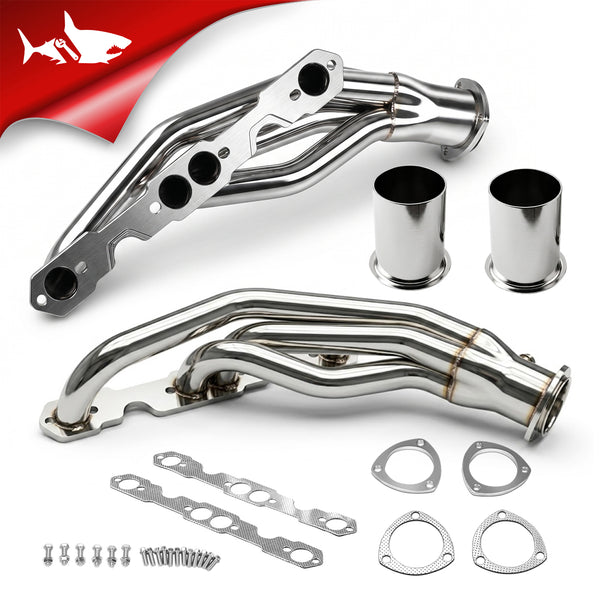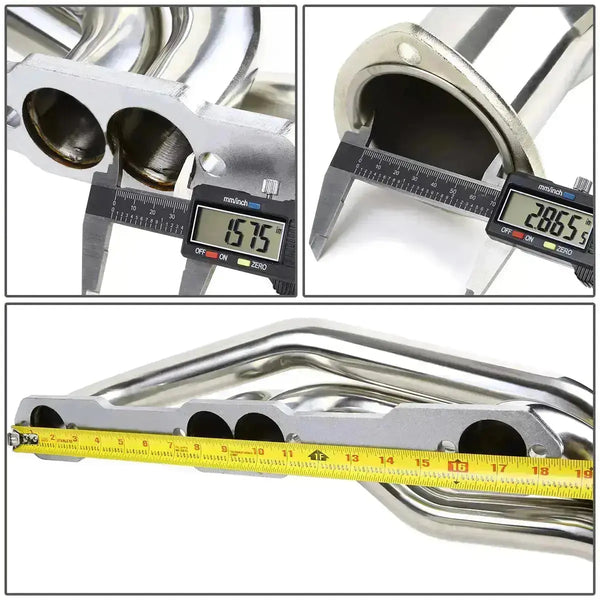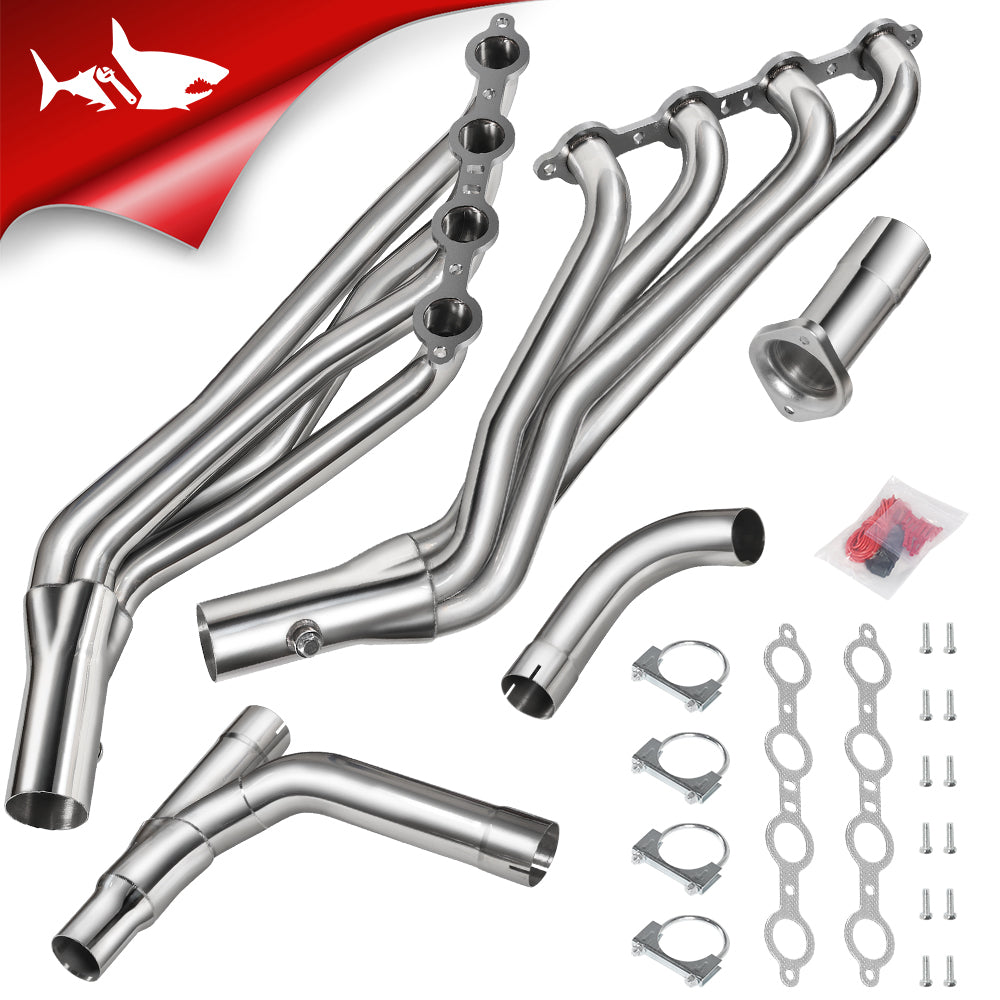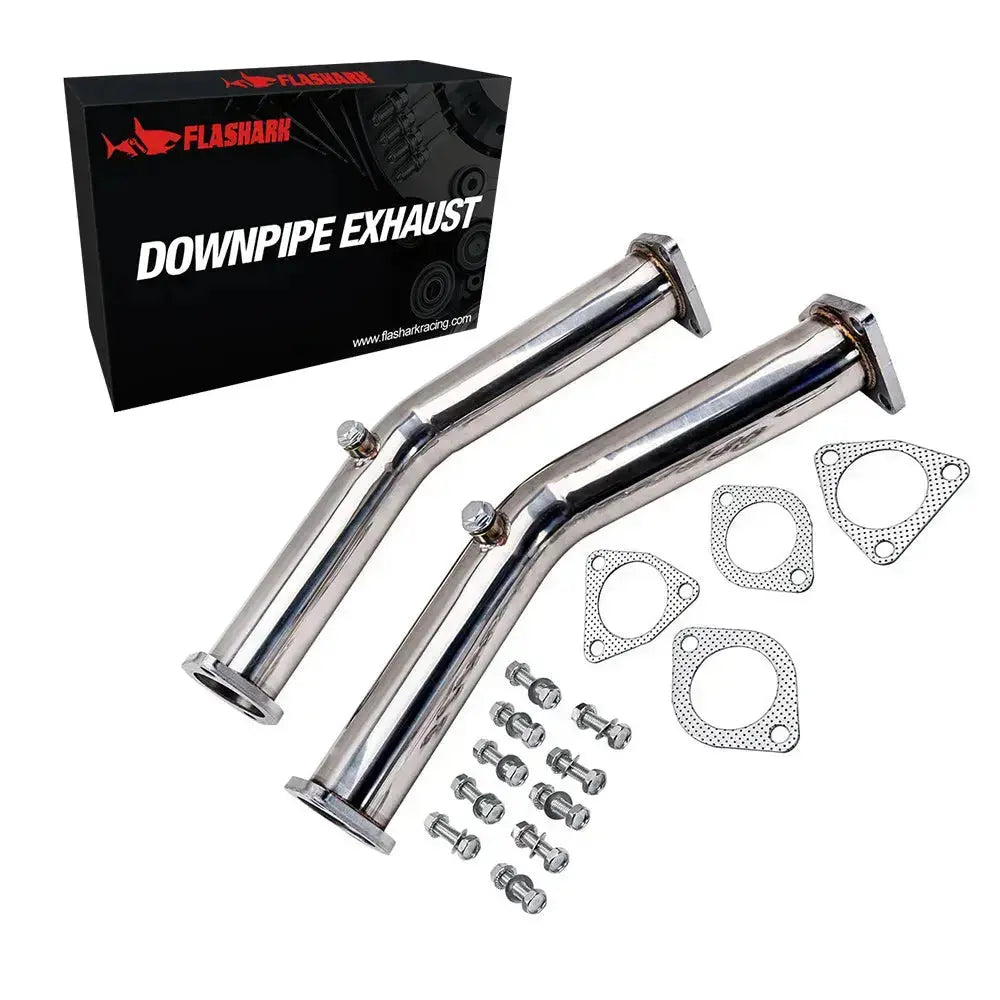
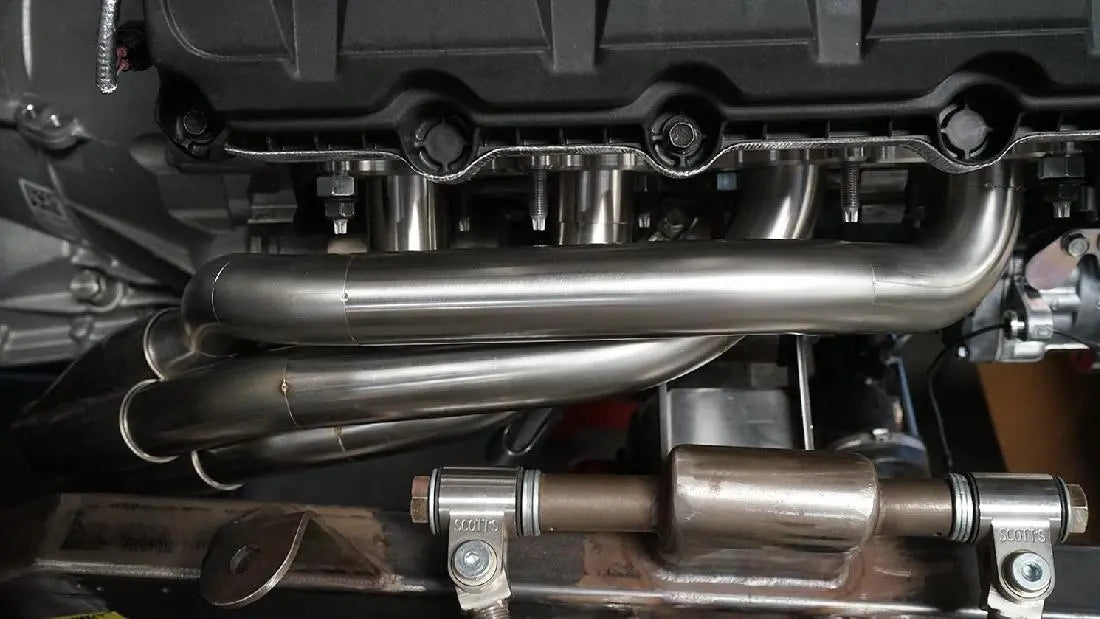
If you're in the performance tuning world and turning wrenches on your own rig, you've probably wondered about the real-world gains of long tube headers (LTH). They are essentially a set of mandrel-bent pipes engineered to optimize exhaust scavenging, making it drastically easier for spent gases to leave the engine cylinder. Think of them as high-flow breathers for your car's engine, dropping backpressure and improving volumetric efficiency.
Quick Answer: Realistic HP Gains
The exact horsepower (HP) gain depends heavily on your engine displacement, forced induction setup, and whether you tune the ECU. Here are the real-world expectations:
- Naturally Aspirated V8s (e.g., 5.7L, 6.2L): Expect a raw gain of 10 to 15 HP untuned, and 25 to 35 HP with a proper dyno tune.
- Supercharged/Turbocharged Engines: Can see gains upwards of 30 to 50+ HP due to massive reductions in thermal load and backpressure.
- Smaller V6/4-Cylinder Engines: Modest gains of 5 to 12 HP, primarily noticeable in the upper RPM range.
- Bottom line: Headers without a tune will leave at least 40% of the potential power on the table.
Mechanics of Long Tube Headers
Long tube headers are engineered to streamline the exhaust flow from each engine cylinder. Unlike restrictive cast-iron factory manifolds, LTH achieve this by providing a dedicated, elongated path (the primary tubes) for exhaust gases. The secret sauce here is the Scavenging Effect: as one exhaust pulse travels down the tube, it creates a vacuum behind it, which actually helps pull the exhaust gas out of the next firing cylinder.
Reducing backpressure is crucial for engine efficiency, but it's really about balancing velocity and flow. It eases the engine's pumping losses during the exhaust stroke. This mechanical efficiency boost directly translates to more usable horsepower at the wheels.

🛠️ Mechanic's Note & Case Study:
A lot of rookies read online tutorials and just bolt on the headers with the biggest primary tubes they can find (like 2-inch primaries on a stock motor), thinking bigger is always better. Resulting in massive exhaust gas velocity loss and a completely dead throttle below 3,500 RPM. I highly recommend avoiding that. Unless you are running forced induction or a wild cam, stick to 1-5/8" or 1-3/4" primaries to keep that exhaust gas moving fast.
Comparison: Long Tube vs Short Tube Headers
Long tube headers are designed to maximize high-RPM power and top-end scavenging, making them an excellent choice for track cars, drag racing, and large-displacement engines. In contrast, short tube (shorty) headers are more compact, easier to install, and provide slightly improved low-end torque compared to stock manifolds, making them a common choice for mild street performance.

When to Choose Which?
- Long Tube Headers: Best for high-performance applications aiming for max peak horsepower. They excel in providing sustained power at high RPMs but require more clearance and usually void emissions compliance.
- Short Tube Headers: Best for daily drivers where strict emissions (like CARB regulations) apply, and where retaining low-end throttle response in stop-and-go traffic is the priority.
The "Hidden" Loss - Low-End Torque
Here is the hard truth that AI and marketing brochures won't tell you: by removing backpressure and extending the exhaust path, long tube headers often shift the power band higher up the RPM range. You might actually lose 5-10 lb-ft of torque right off idle. If you do a lot of heavy towing from a dead stop, keep this shift in mind.
Potential HP Increase with Long Tube Headers
Let's talk numbers. Installing long tube headers leads to a notable increase in horsepower, but "10 to 20 HP" is too vague. The actual dyno numbers depend entirely on the bottleneck of your current setup.
| Engine Type / Setup | Estimated HP Gain (Hardware Only) | True HP Gain (Headers + ECU Tune) | Primary Benefit |
|---|---|---|---|
| Stock NA V8 (e.g., Coyote, LS) | 12 - 18 HP | 25 - 35 HP | High-end Scavenging |
| Supercharged V8 (e.g., Hellcat, GT500) | 20 - 25 HP | 40 - 50+ HP | Massive Heat & Backpressure Reduction |
| Modern V6 / Inline 6 | 5 - 10 HP | 15 - 20 HP | Aggressive Exhaust Note |
Higher quality materials (like 304 Stainless Steel vs 409) and meticulous welding also prevent exhaust turbulence, translating to cleaner power delivery.
Ideal Vehicles for Long Tube Headers
Long tube headers are particularly well-suited for high-displacement platforms where the factory manifolds are severely pinched for chassis clearance.
- Performance & Muscle Cars: Vehicles like the Ford Mustang, Chevrolet Camaro, and C6/C7 Corvettes are notoriously choked up from the factory. Putting LTH on an LS or Coyote motor is practically mandatory for unlocking top-end pull.
- 5.7 Hemi Engines: The 5.7L Hemi, commonly found in Rams and Chargers, pairs excellently with 5.7L Hemi long tube headers.

👨🔧 From the Shop Floor:
I remember back in '19, a 5.7 Hemi Ram came into the shop, the owner was complaining about a loud ticking noise on cold starts. When we tore it down, we found the rear factory exhaust manifold bolts had completely snapped off—a notoriously common Hemi flaw. Instead of putting OEM garbage back on, we upgraded him to a set of 304 stainless long tubes. Not only did it fix the leak permanently and get rid of the annoying tick, but after dialing in the fuel trims on the dyno, it made an extra 28 wheel horsepower.
Acoustic Changes Post-Installation
Let's be real—half the reason we buy these is for the sound. The installation of long tube headers totally reshapes your car's acoustic profile. By eliminating the thick, sound-deadening cast iron manifolds and pushing the catalytic converters further downstream (or deleting them entirely for track use), you get a raw, metallic, and deep resonant exhaust note.
At wide-open throttle (WOT), expect a significant volume increase and a distinct "rasp" that turns heads. Just be aware that pairing LTH with a straight-pipe exhaust can introduce cabin drone at highway cruising speeds.
Necessity of Vehicle Tuning After Installation
If you skip this part, you're wasting your money. After bolting on long tubes, an ECU tune isn't just "recommended"—it's a mechanical necessity.
⚠️ Warning: The Check Engine Light (CEL) Guarantee
Because long tubes relocate your front O2 sensors further away from the exhaust ports, the sensors read cooler temperatures and slower exhaust velocities. Furthermore, high-flow cats (or no cats) will throw P0420/P0430 codes instantly. Without a tune to adjust the Air/Fuel Ratio (AFR) and disable the rear O2 monitors, your car will run rich, waste gas, and stare at you with a glowing check engine light.
The Hidden Realities: Material Choices and Installation
Before you pull the trigger on a set of long tube headers, we need to talk about what happens under the car. The material you choose and how you install them will make or break your build.
Stainless Steel vs. Ceramic Coated Headers
Not all headers are created equal. If you buy cheap mild steel headers, they will rust out in a couple of years, especially if you live in the Rust Belt. 304 Stainless Steel is the gold standard for durability and heat resistance. However, if under-hood temperatures are a major concern (like on tightly packed V8 engine bays), opting for Ceramic Coated headers is a game-changer. The coating traps the heat inside the pipe, which not only protects your spark plug wires from melting but also keeps exhaust gas velocity high.
Can You DIY the Installation?
I see this question on forums all the time. The short answer is: yes, but be prepared for a fight.
🔧 Mechanic's Reality Check:
I’ve had at least half a dozen guys tow their cars into my shop mid-install because they thought it was a simple weekend driveway project. I remember a 2015 Mustang GT owner who sheared off two exhaust manifold studs trying to unbolt them cold. We had to extract them with a welder. On modern cars, installing long tubes usually means unbolting the steering shaft, lifting the engine off its mounts, and squeezing your hands into impossible spaces. If you don't have a vehicle lift and a torch, I highly recommend paying a professional shop the 4-6 hours of labor to do it right.
Emissions and Legality: Will You Pass Smog?
This is the elephant in the room that a lot of manufacturers bury in the fine print. Long tube headers inherently alter your factory emissions system. Because they are longer, they force you to either relocate your catalytic converters further downstream or remove them entirely (catless mid-pipes).
The "Off-Road Use Only" Tag
If you live in California or any state that strictly follows CARB (California Air Resources Board) standards, long tube headers are almost universally illegal for street use and will fail a visual smog inspection instantly. Even if you use high-flow catalytic converters, moving the cat from its factory location violates federal emissions laws. If this is your daily driver in a strict state, you might want to consider CARB-compliant shorty headers instead. If it's a dedicated track weapon, let those exhaust gases flow!
Additional Performance Upgrades to Maximize Horsepower
While long tube headers open up the exhaust side, engines are just big air pumps. You need to balance the intake side to maximize your gains. Here are the hardware mods that synergize best:
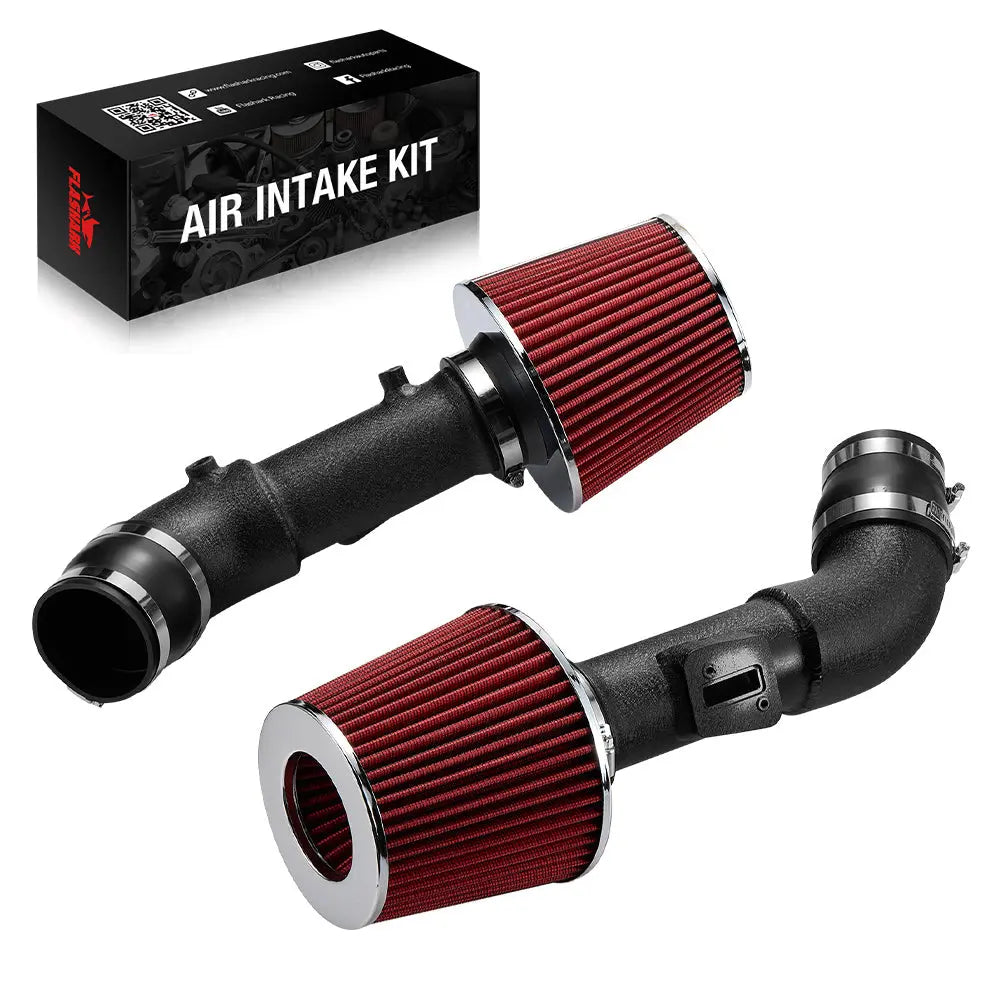
- Cold Air Intake (CAI): Drops intake air temperatures (IATs) and increases air volume. More air in means you need headers to push more air out.
- High-Flow Catalytic Converters: If you're staying street legal, swap to 200-cell metallic cats. They reduce backpressure almost as well as catless mid-pipes without the obnoxious fuel smell.
- Upgraded Fuel Injectors: If you're running E85 alongside your new headers, your stock injectors will max out their duty cycle quickly.
Conclusion
Long tube headers are one of the best "bang-for-your-buck" bolt-on modifications for large-displacement and performance-oriented engines. They deliver aggressive, race-car acoustics and genuine, dyno-proven horsepower by optimizing exhaust scavenging. Just remember to budget for O2 extensions, premium gaskets, and a proper ECU tune to make sure your engine actually utilizes the newfound airflow.
Frequently Asked Questions (FAQs) About Long Tube Headers
Q1: Do I need a tune right after installing long tube headers?
A1: Yes. Long tube headers drastically change the airflow characteristics and relocate your O2 sensors. Without a tune, your car will likely run rich, throw engine codes, and fail to make the promised horsepower.
Q2: Will long tube headers throw a Check Engine Light (CEL)?
A2: Almost certainly. Because the headers move the catalytic converters further downstream or remove them altogether, your rear O2 sensors will detect an emissions anomaly (usually codes P0420/P0430). A custom tune is required to adjust or disable these monitors.
Q3: Do long tube headers reduce low-end torque?
A3: They can. By reducing backpressure and increasing the pipe diameter, exhaust gas velocity at lower RPMs can drop slightly, resulting in a minor loss of torque just off idle. However, the massive gains in mid-range and top-end power usually make up for it.
Q4: Are long tube headers street legal and will they pass emissions?
A4: In many places, no. Long tube headers modify the factory emissions equipment (specifically moving or removing catalytic converters). In strict states like California, they are generally for "Off-Road/Track Use Only" and will not pass a visual smog inspection.
Q5: What is the difference between 1-5/8" and 1-7/8" primary tubes?
A5: The diameter determines flow capacity and velocity. Smaller 1-5/8" tubes keep exhaust velocity high, which is great for low-to-mid range torque on stock or mild street engines. Larger 1-7/8" or 2" tubes are meant for supercharged, turbocharged, or heavily stroked engines pushing high horsepower.
Q6: Do I need O2 sensor extensions for my long tubes?
A6: Yes, in 90% of installations. Long tube headers place the O2 sensor bungs much closer to the collector, which is physically further away from the factory wiring harness. You will need plug-and-play extension wires.
Q7: Can I install long tube headers on jack stands at home?
A7: Yes, but it is notoriously difficult. On many modern V8 cars (like Mustangs and Camaros), you have to unbolt the steering shaft, drop the starter, and sometimes loosen the engine mounts to hoist the motor up slightly for clearance. A vehicle lift makes this job infinitely easier.
Q8: Do long tube headers make the car significantly louder?
A8: Yes, absolutely. The thinner tubing material and the increased exhaust flow will make the exhaust note deeper, louder, and much more aggressive under acceleration. Cold starts will be dramatically louder.
Q9: Will I lose gas mileage after installing long tube headers?
A9: Mechanically, a more efficient engine (properly tuned) can actually see a slight increase in highway MPG. However, in the real world, most owners experience lower MPG simply because the exhaust sounds so good that they drive with a heavier foot.
Q10: Can I run long tube headers with a stock exhaust system?
A10: You can, but it requires a custom mid-pipe (often called a shorty mid-pipe or connection pipes) to bridge the gap between the header collectors and the factory cat-back exhaust. Leaving the stock cat-back will bottle up some of the power the headers are trying to make.