A strut assembly helps support a vehicle's suspension and control spring movement. When its damper or related parts wear, the car may bounce longer after bumps, feel less settled in turns, or show uneven tire wear. Those symptoms call for an inspection: tires, brakes, steering parts, springs, and mounts can produce similar clues.
- The spring supports vehicle weight; the damper controls how quickly the spring moves.
- A complete or loaded strut usually combines several parts, but included components vary by application and seller.
- Confirm the cause of a noise or handling change before buying replacement parts.
- Do not disassemble a compressed coil spring without the correct equipment and training.
The Essentials of Your Car's Suspension
The suspension system links the body to the wheels through springs, dampers, control arms, and other parts. The spring carries load and compresses over a bump. The damper resists repeated spring movement so the vehicle can settle. Tires provide the actual road contact; suspension condition can affect how consistently they maintain it on uneven pavement.
A strut is a structural suspension member that includes a damper. On many vehicles, a complete front strut assembly also has a coil spring, upper mount, and related hardware. The exact layout depends on the vehicle. A bare strut is different from a preassembled or loaded strut; check the listing rather than assuming every product contains the same parts.

Why Struts Matter
Struts help control body motion during braking, cornering, and travel over bumps. A worn damper can let the spring oscillate longer, making the ride feel floaty or unsettled. On rough surfaces, reduced motion control may affect steering response and tire contact. It does not mean that every bounce or longer stop is caused by a strut: tire condition, brake condition, road surface, speed, and other suspension faults also matter.
If the vehicle feels unstable, slow down and arrange a professional inspection. A technician can compare left and right sides and check tires, bushings, mounts, joints, springs, and dampers before recommending a repair.
The Components of a Strut
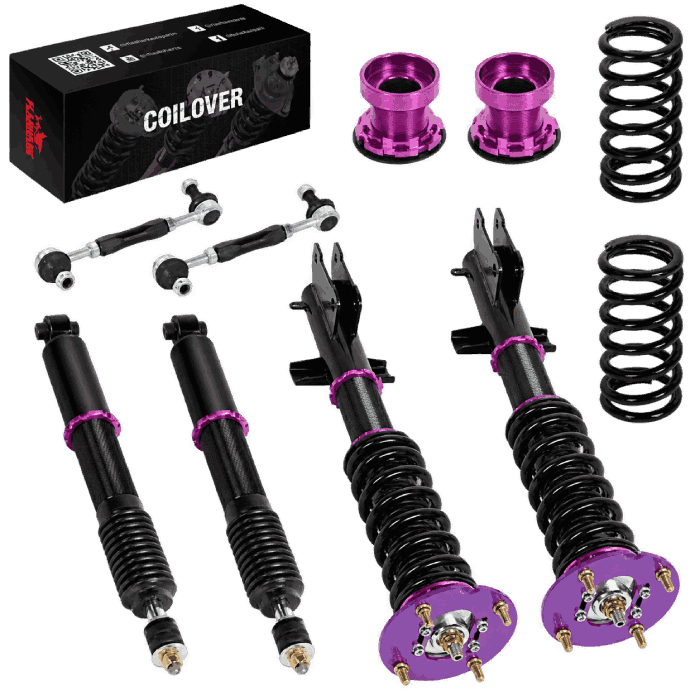
The damper is the part that controls movement; the coil spring supports weight. An upper mount helps attach the assembly to the body, and some front designs use a bearing at the steering pivot. Dust boots, bump stops, and spring seats may also be present. Contents differ across replacement assemblies, so review the product photos and parts list for the exact application.
A bare strut may require transferring a spring and other reusable parts. A loaded assembly may reduce that transfer work, but it does not remove the need for correct installation, fastener torque, and a post-repair alignment check when specified for the vehicle.

The Difference Between Good and Bad Struts
A properly functioning strut helps the vehicle settle after a bump. A worn or damaged assembly may be associated with repeated bouncing, a knock over bumps, fluid leakage, an uneven ride height, or irregular tire wear. None of these signs alone proves the strut has failed. A clunk, for example, may come from a mount, sway-bar link, ball joint, or another loose component.
| What you notice | Possible strut-related issue | Also check |
|---|---|---|
| Repeated bounce after a bump | Reduced damping | Tire pressure, springs, other dampers |
| Clunk on rough roads | Worn mount or loose attachment | Sway-bar links, joints, bushings |
| Cupped or uneven tire wear | Poor wheel-motion control | Alignment, tire balance, tire pressure |
| Pulling or vague steering | Damaged strut or mount | Tires, brakes, steering linkage, alignment |
How to Choose the Right Struts for Your Car
First confirm the vehicle's year, make, model, trim, drivetrain, and any suspension option against the exact listing. Then check whether the part is a bare strut or a loaded assembly, which side and axle it fits, what parts are included, and whether the manufacturer calls for related hardware or an alignment check. Review warranty terms for the specific product instead of treating warranty length as proof of performance.
If you are comparing a bare strut with a complete assembly, consider the condition of the spring and mount as well as the equipment and labor required. A complete assembly may be convenient when those parts also need replacement; a bare strut may be appropriate when the reusable components are confirmed serviceable. Browse the strut assembly collection only after confirming the diagnosis and exact fitment.
The Safety Angle: Struts and Vehicle Stability
Worn ride-control parts can affect how a vehicle responds to bumps, braking, and turns, particularly when road grip is limited. They can contribute to reduced control, but a claim of a fixed stopping-distance increase or rollover risk would require vehicle-specific testing. Have changes in handling assessed promptly, and inspect the entire suspension and tire system rather than replacing a strut based on one symptom.

Conclusion
Strut assemblies matter because they help support and control the suspension. If the ride becomes bouncy, noisy, or unpredictable, the useful next step is a complete inspection. Once the cause is known, choose a replacement whose configuration and fitment match the vehicle.
Frequently Asked Questions
Q1. What is a strut assembly?
A1. A strut assembly is a suspension unit built around a structural strut and damper. A complete or loaded version commonly adds a spring and mount, but contents vary by product and vehicle.
Q2. What is the difference between a strut and a complete strut assembly?
A2. A bare strut is generally the strut and damper without the full set of surrounding components. A complete assembly is preassembled with additional parts; verify the listing for the exact contents.
Q3. Do struts affect ride comfort?
A3. Yes. The damper controls repeated spring motion, so worn damping can make the vehicle feel bouncy or unsettled. Tires and other suspension parts can also affect comfort.
Q4. Can worn struts affect braking?
A4. Worn struts can affect vehicle motion and tire contact during braking, especially on uneven surfaces. Brakes, tires, speed, and road conditions also influence stopping performance.
Q5. Does a clunk over bumps mean the strut is bad?
A5. No. A clunk may come from a strut mount, sway-bar link, joint, bushing, or another loose part. Have the source identified before buying a strut.
Q6. Can a worn strut cause uneven tire wear?
A6. It can contribute to irregular wear, but alignment, tire pressure, balance, and other suspension faults are also common causes. Inspect the whole system.
Q7. What does a loaded strut assembly include?
A7. It commonly includes a strut, spring, and upper mount, with other components depending on the application. Check the exact product contents before ordering.
Q8. Should I replace a bare strut or a complete assembly?
A8. The choice depends on the condition of the spring and mount, the available equipment, labor, and the exact vehicle. A technician can assess which parts need replacement.
Q9. How do I confirm a replacement strut fits?
A9. Match the vehicle's year, make, model, trim, drivetrain, suspension option, axle, and side to the product listing and manufacturer instructions.
Q10. Is replacing a strut assembly a safe DIY job?
A10. Installation requires the correct support, tools, torque values, and vehicle procedure. Spring disassembly is hazardous; use a qualified technician if you lack the proper equipment or training.

Steven Chen
Automotive Performance Specialist | Engine & Exhaust Systems
Steven focuses on practical engine performance, exhaust fitment, and real-world upgrade paths for classic and modern enthusiast vehicles. He reviews small-block Ford, LS, truck, and street/strip applications with one goal in mind: helping builders choose parts that actually work together. His philosophy: "Good power starts with the right combination, not the biggest part."