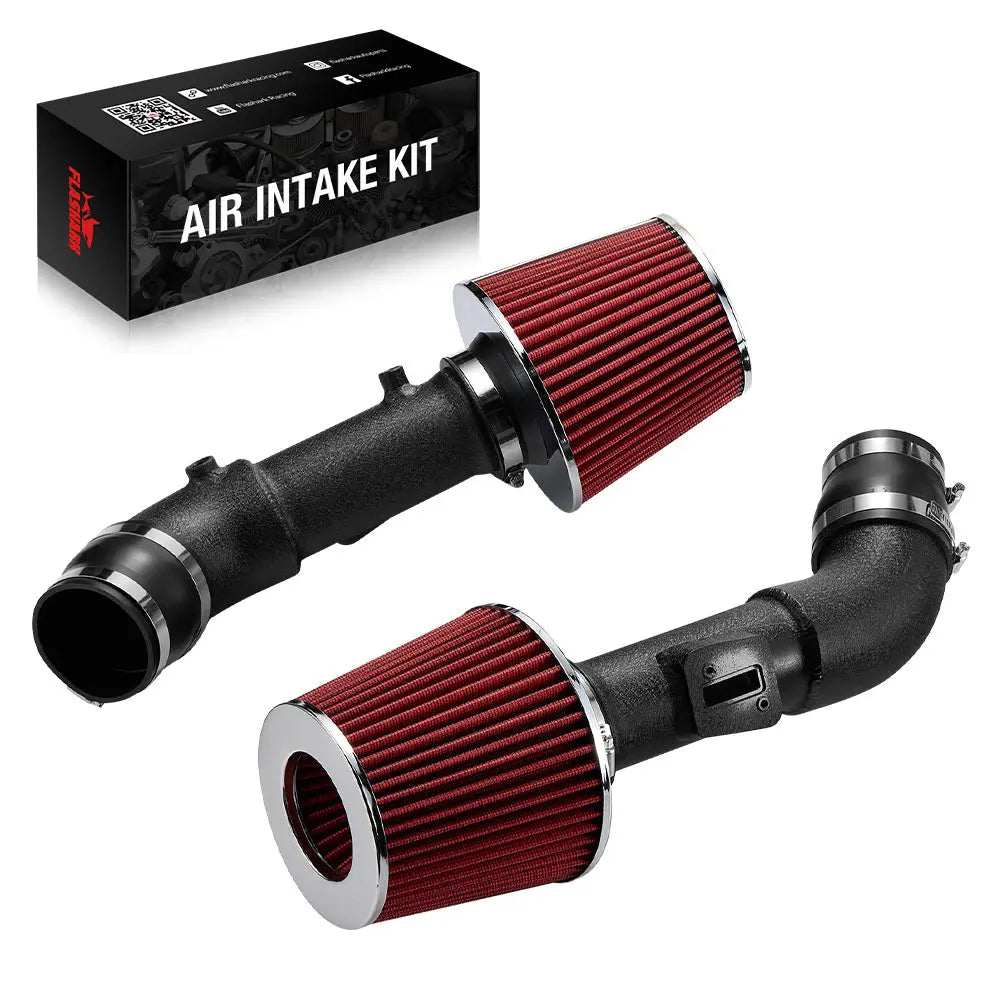
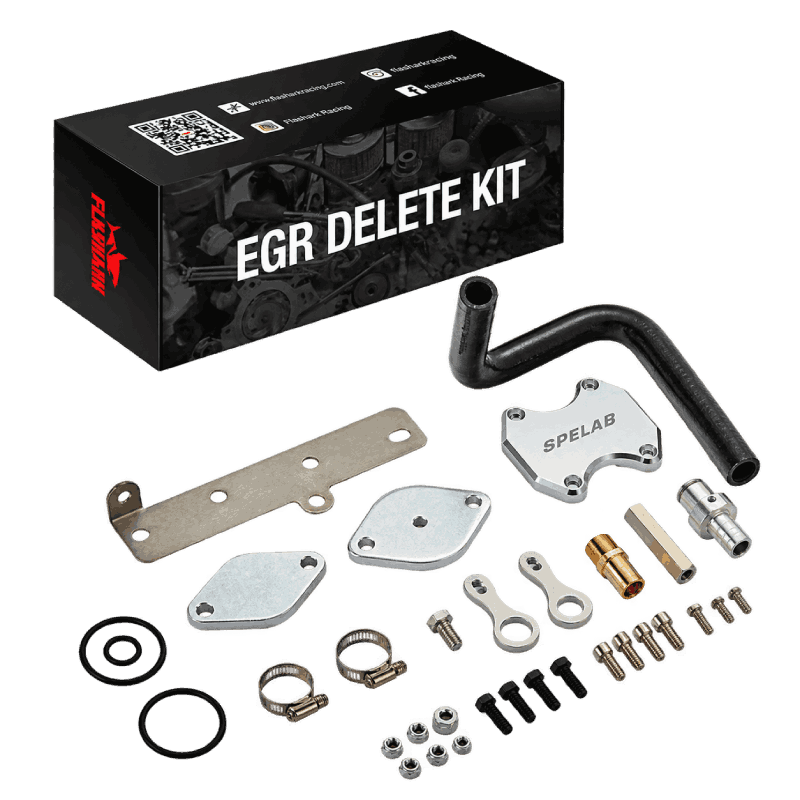
For a U.S. road vehicle, a DPF delete kit is generally the wrong answer to a filter warning or lost performance: removing or disabling required emissions controls can violate federal law. Diagnose the cause first, then compare compliant cleaning, repair, and replacement options for your vehicle.
- A DPF traps soot; regeneration burns soot, while accumulated ash may need professional cleaning.
- DPF, EGR, and DEF/SCR are different systems; a fault in one does not prove another needs replacement.
- No universal horsepower, fuel economy, or cost figure applies to a delete or a repair.
- Get fault codes and a written diagnosis before buying parts.
What does a diesel delete mean?
“Diesel delete” is a broad term for removing or disabling factory emissions equipment or related controls. A DPF delete concerns the particulate filter; EGR concerns exhaust gas recirculation; DEF is the fluid used by an SCR system. A vehicle may have some or all of these systems. The parts and diagnostic strategy vary by model and engine.
Warning: The U.S. EPA identifies delete pipes and software that defeat emissions controls as examples of tampering or aftermarket defeat devices. An “off-road” label does not by itself establish that a particular use is lawful. Check the rules for the exact vehicle and jurisdiction before considering any modification.
DPF Delete: What Problem Are You Trying to Solve?
A diesel particulate filter captures soot from exhaust. During regeneration, trapped soot is burned; noncombustible ash remains and may need professional cleaning. A DPF warning, frequent regeneration, or reduced power should prompt diagnosis of the whole system rather than an assumption that the filter alone has failed.
Potential causes include incomplete regeneration, sensor problems, excess soot production, or a damaged filter. A technician can review fault codes, operating history, and manufacturer procedures to decide whether cleaning, repair, or replacement is appropriate.

Is a Diesel Delete the Best Option for You?
For a road vehicle that must retain its emissions equipment, start with a compliant repair path. A delete can remove the symptom from one component without identifying an upstream engine or sensor fault, while creating emissions and legal risks. Do not assume a guaranteed improvement in power, fuel economy, or engine life.
| Option | When to discuss it | Check before spending |
|---|---|---|
| Diagnosis and system repair | Warnings or repeated regeneration | Fault codes, sensors, soot source, manufacturer procedure |
| Professional DPF cleaning | Serviceable filter with ash buildup | Filter condition, approved process, warranty |
| Compliant DPF replacement | Damaged or unserviceable filter | Exact vehicle fit, required sensors, total installed cost |
Do I Need a DPF Delete Pipe?
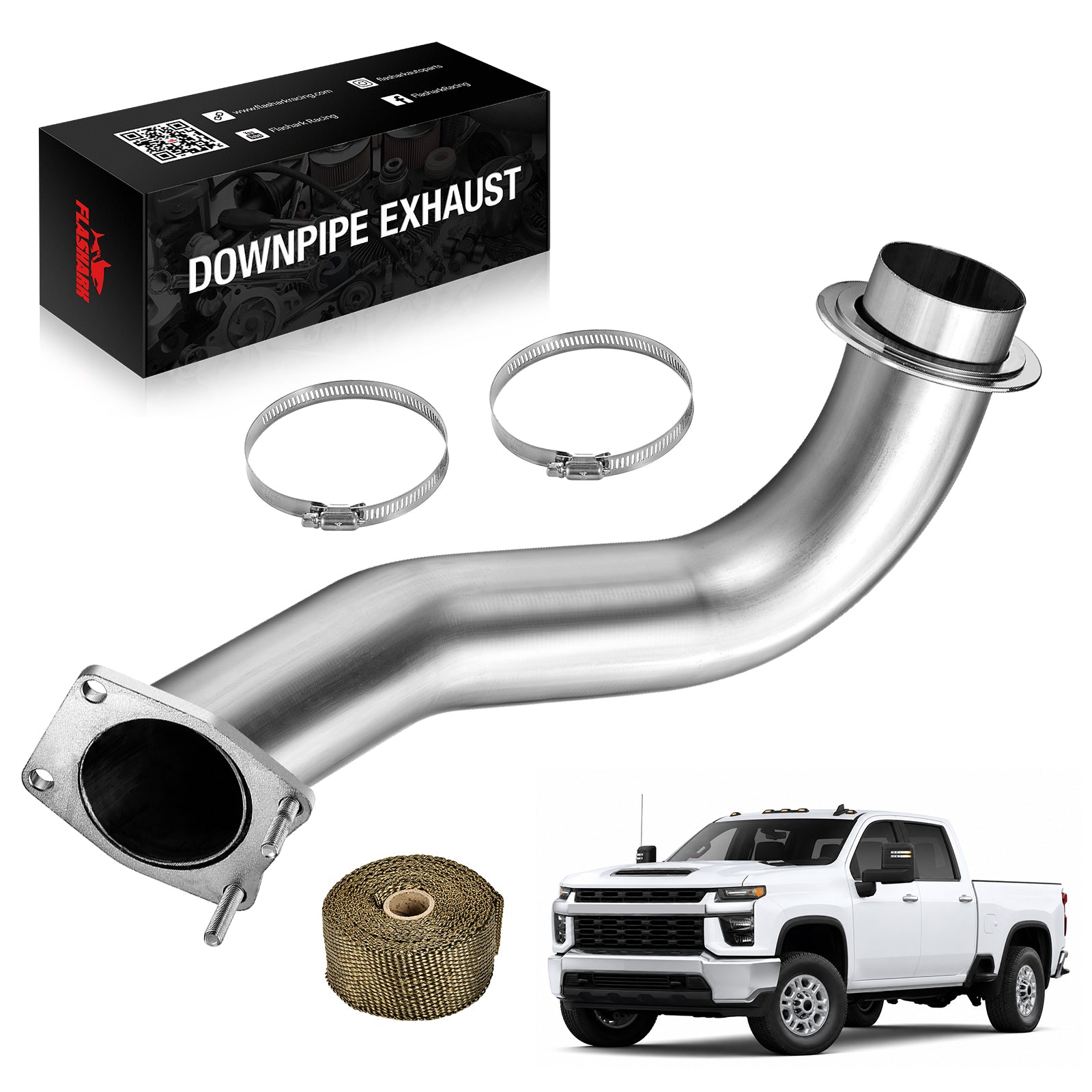
A delete pipe is not a diagnosis or a repair for a DPF warning. Ask the shop to identify the fault and explain the compliant remedy. Hardware fitment, sensors, and calibration vary by vehicle; a generic claim that parts can simply be removed or software changed is unreliable.
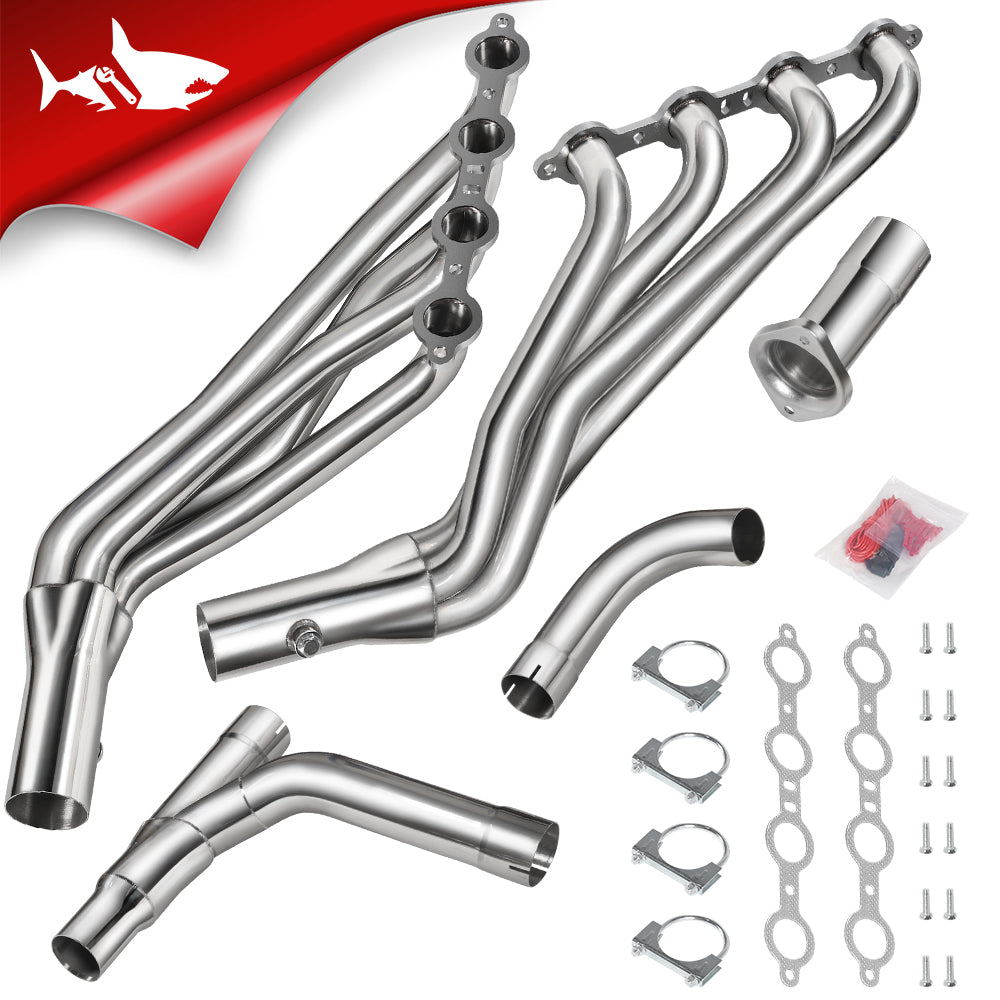
If you are researching what a delete pipe is, Flashark lists DPF and cat delete pipes. A listing is not proof of fitment or lawful use; check the specific product documentation and applicable rules before any purchase.

How Much Does DPF Delete Cost?
There is no reliable universal price for a delete, cleaning, or replacement. The useful comparison is a written estimate for diagnosis and compliant repair on your exact vehicle, including parts, labor, sensors, and warranty. A low upfront parts price may omit other required work and does not resolve legal or emissions concerns.
How Do I Choose a DPF Repair Shop?
Ask a qualified diesel repair shop for the fault codes, test results, the likely cause of repeated filter problems, and a written estimate. Confirm whether the proposed work keeps the certified emissions system functional. Reviews can help assess service quality, but they cannot establish that a modification is lawful.
Technician tip: If a replacement filter clogs again soon, ask the shop to investigate regeneration and engine-out soot rather than repeatedly replacing the same part.
Frequently Asked Questions
Q1. Should I buy a DPF delete kit for a road vehicle?
A1. For a U.S. road vehicle, removing or disabling its required emissions controls can violate the Clean Air Act. Diagnose the fault and consider compliant repair, cleaning, or replacement instead.
Q2. What does a DPF do?
A2. A diesel particulate filter traps soot in the exhaust. Regeneration burns accumulated soot; noncombustible ash may require professional cleaning.
Q3. What is the difference between DPF, EGR, and DEF?
A3. The DPF traps particulate matter, EGR recirculates some exhaust gas, and DEF is a fluid used by an SCR system to reduce nitrogen oxides. They are distinct parts of an emissions system.
Q4. Does a DPF delete automatically improve fuel economy?
A4. No. Fuel use depends on the vehicle, calibration, duty cycle, and condition. A fixed fuel economy gain is not supported by this article.
Q5. Will removing a DPF increase horsepower?
A5. A power change is not guaranteed. Any claim needs vehicle-specific testing, and emissions tampering can create legal and diagnostic problems.
Q6. Why does my DPF keep clogging?
A6. Repeated warnings can have several causes, including incomplete regeneration, sensor faults, or excess engine-out soot. A qualified technician should identify the cause before replacing parts.
Q7. Can a clogged DPF be cleaned?
A7. Some filters can be professionally cleaned, depending on their condition and the vehicle maker’s procedure. A damaged filter may require replacement.
Q8. How much does a DPF repair cost?
A8. Costs vary by vehicle, diagnosis, parts, labor, and whether cleaning or replacement is appropriate. Obtain a vehicle-specific written estimate rather than relying on a generic price range.
Q9. Do I need a DPF delete pipe to fix a warning light?
A9. No. A warning light calls for diagnosis of fault codes, sensors, regeneration history, and filter condition. A replacement pipe does not repair the underlying fault.
Q10. Can an off-road label make a delete legal?
A10. An off-road label alone does not establish legal use. U.S. rules can apply to certified motor vehicles and nonroad engines; verify the exact vehicle and jurisdiction with a qualified compliance professional.
Q11. What should I ask a repair shop?
A11. Ask for diagnostic findings, the cause of the fault, the proposed compliant repair, a written estimate, warranty terms, and whether the original emissions equipment remains functional.
Sources
- U.S. EPA: Vehicle and engine tampering policy
- U.S. EPA: Diesel particulate filter general information

Steven Chen
Automotive Performance Specialist | Engine & Exhaust Systems
Steven focuses on practical engine performance, exhaust fitment, and real-world upgrade paths for classic and modern enthusiast vehicles. He reviews small-block Ford, LS, truck, and street/strip applications with one goal in mind: helping builders choose parts that actually work together. His philosophy: "Good power starts with the right combination, not the biggest part."