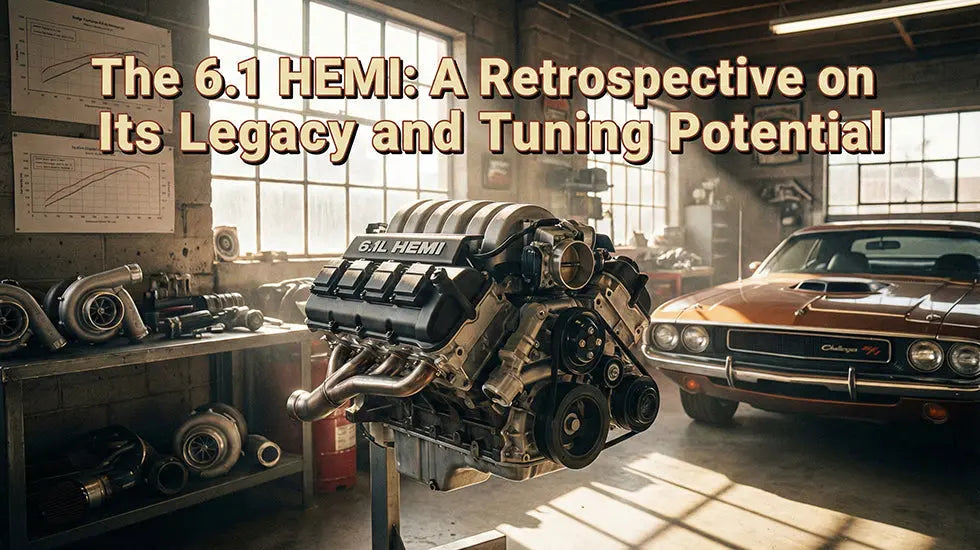
The 6.1 HEMI is one of those engines that still gets Mopar people talking. It was never the most common HEMI, and it was eventually overshadowed on paper by the 6.4L / 392. But in the real world, the 6.1L HEMI earned its reputation the hard way: strong factory power, sharp throttle response, a nasty SRT personality, and a simple naturally aspirated layout that still makes sense for performance builds today.
Built during the early modern SRT era, the 6.1 HEMI gave cars like the Charger SRT8, Challenger SRT8, Chrysler 300C SRT8, Jeep Grand Cherokee SRT8, and Dodge Magnum SRT8 a serious performance identity. It was more than just a bigger 5.7. It felt raw, direct, and mechanical in a way a lot of enthusiasts still appreciate.
Quick Answer
The 6.1 HEMI engine is a naturally aspirated 6.1-liter V8 from Chrysler’s Gen III HEMI family. Factory output is typically rated at 425 horsepower and 420 lb-ft of torque. It came in several SRT8 models, including the Dodge Charger SRT8, Dodge Challenger SRT8, Chrysler 300C SRT8, Jeep Grand Cherokee SRT8, and Dodge Magnum SRT8.
- Displacement: 6.1L / 372 cubic inches
- Factory output: 425 hp / 420 lb-ft
- Compression ratio: 10.3:1
- Why enthusiasts like it: no MDS, no VVT, strong SRT character, excellent tuning response
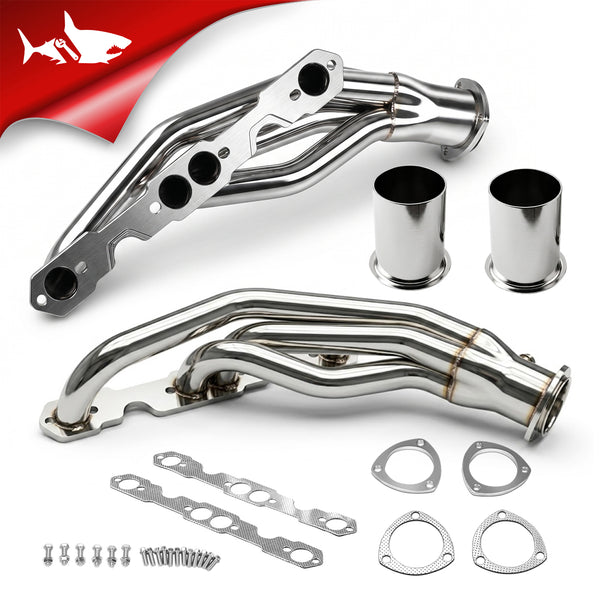
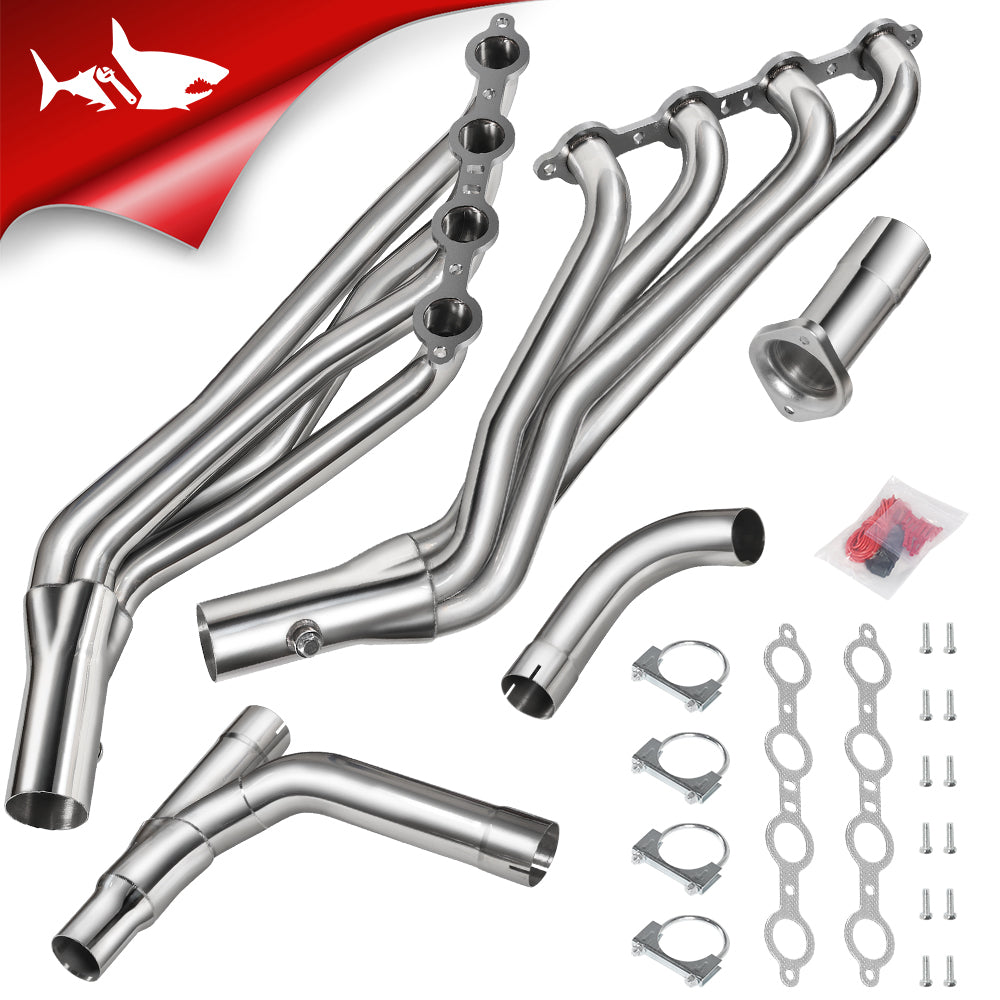
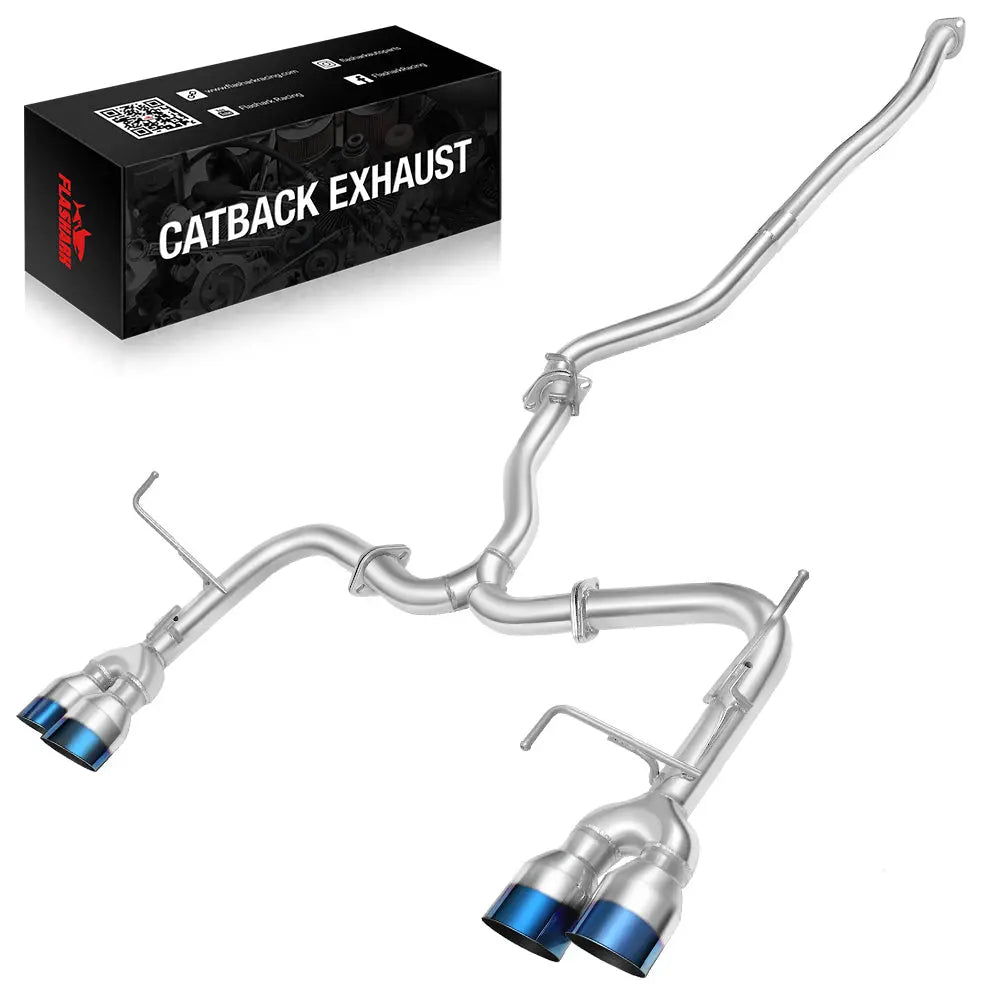
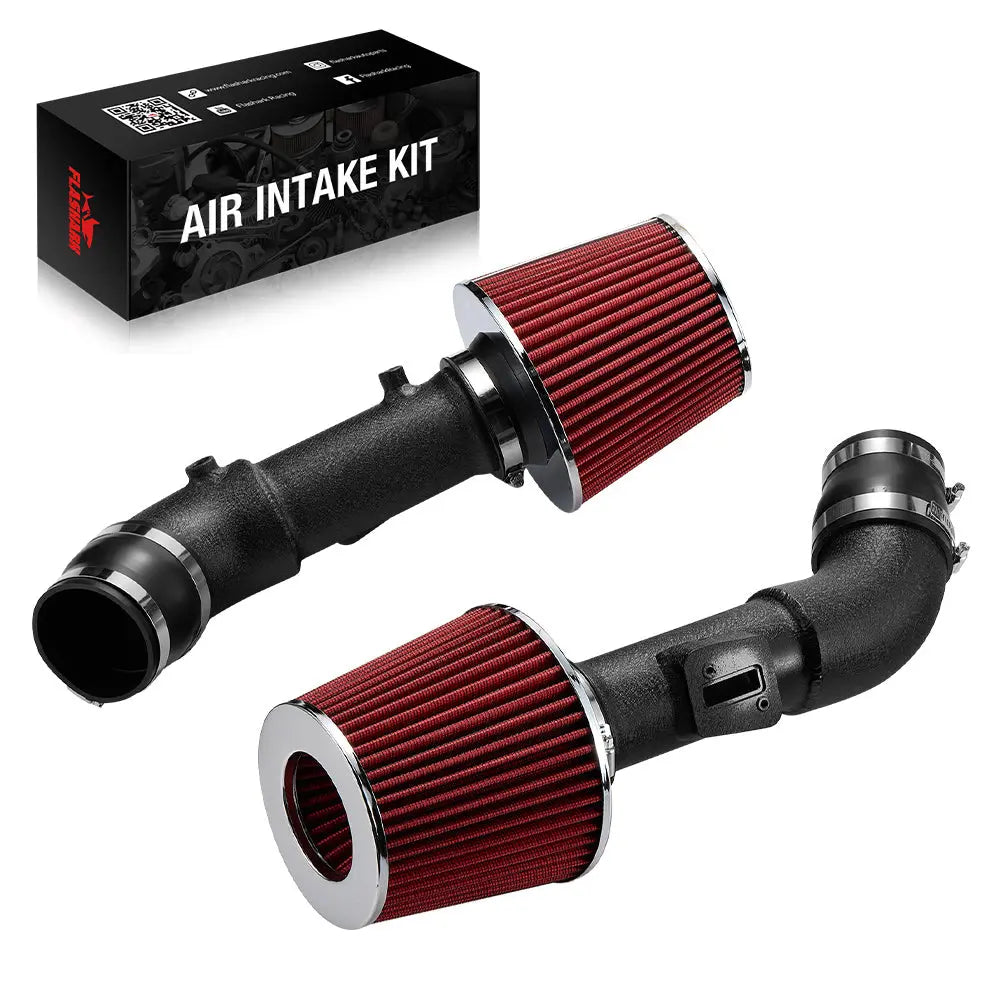
- Best entry-level upgrades: cold air intake, long tube headers, full exhaust, and a proper tune

Why the 6.1 HEMI Still Gets So Much Respect
Let’s be honest. The 6.1 didn’t become popular because of a spec sheet alone. It earned its reputation because of how it feels. It has that old-school big-inch personality, but it lives in a much more modern package. Throttle response is sharp, the torque comes in early, and the whole engine feels like it was built for aggressive street driving.
It also arrived at the right time. Chrysler’s early SRT8 cars gave the Dodge HEMI 6.1 a real identity. This wasn’t just another trim-level engine. It was the engine behind some of the most memorable Mopar performance cars and SUVs of the late 2000s.
If you want more background on the broader HEMI family, especially how the 6.1 compares with the more common street-truck setup, check out our 5.7 HEMI engine guide. That article gives useful context for the 5.7L side of the HEMI family without pulling this 6.1 guide away from its main focus.
6.1 HEMI History: Where It Fits in the HEMI Family
The 6.1 HEMI debuted during the Gen III HEMI era as the high-performance step above the 5.7. In a lot of ways, it was the bridge between the mainstream HEMI and the later 6.4/392 performance engines. That matters because it gave enthusiasts a factory package that felt more serious than a standard HEMI, but without the added complexity of later versions.
From a builder’s point of view, that simplicity is part of the appeal. The 6.1 is known for its straightforward hot-rodding potential. Good airflow, real displacement, a healthy factory output, and an engine personality that responds well when you uncork it.
6.1 HEMI Engine Specs
This is the section people usually want first, and rightly so. If you’re comparing a 6.1 HEMI engine against a 5.7 HEMI or 6.4 HEMI, the specs tell you why this engine still feels special.
| Specification | 6.1 HEMI |
|---|---|
| Engine family | Gen III HEMI V8 |
| Displacement | 6.1L / 372 cubic inches |
| Bore x Stroke | 103 mm x 90.9 mm |
| Compression Ratio | 10.3:1 |
| Factory Horsepower | 425 hp |
| Factory Torque | 420 lb-ft |
| Block Material | Cast iron |
| Cylinder Heads | Aluminum, high-flow performance heads |
| Valvetrain | OHV, 2 valves per cylinder |
| MDS / VVT | No MDS, no VVT |
Tech Note
One reason many enthusiasts like the 6.1 over some later HEMI combinations is its simplicity. No MDS, no VVT, fewer moving parts to work around when tuning, and a more old-school performance feel. That doesn’t automatically make it “better” than a 6.4, but it absolutely makes it attractive to builders who want a clean, direct setup.
6.1 HEMI vs 5.7 HEMI vs 6.4 HEMI
This comparison matters because the 6.1 sits in the middle of the modern HEMI ladder. It is stronger and more performance-focused than the early 5.7, but it is simpler and more old-school in feel than the later 6.4 / 392.
| Engine | Displacement | Factory Output | Character | Best For |
|---|---|---|---|---|
| 5.7 HEMI | 5.7L / 345 ci | Typically 345 hp / 375 lb-ft in early form | Broad-use street and truck engine | Daily drivers, Ram builds, mild performance upgrades |
| 6.1 HEMI | 6.1L / 372 ci | 425 hp / 420 lb-ft | Raw early-SRT performance engine | Naturally aspirated builds, swaps, classic SRT8 ownership |
| 6.4 HEMI / 392 | 6.4L / 392 ci | Typically 470-485 hp depending on application | More refined, bigger-output evolution | Modern high-performance Mopar builds |
The 6.1 HEMI’s real charm is not that it beats every engine around it. It’s that it feels like the purest SRT-era Gen III HEMI. It’s stronger than the 5.7 in factory form, and while the 6.4 eventually outshined it on paper, the 6.1 still has a loyal following because of how direct and mechanical it feels.

What Vehicles Came with the 6.1 HEMI?
The 6.1 HEMI was not used in every Chrysler, Dodge, or Jeep model. It was reserved for SRT8 applications, which is one reason these vehicles still carry strong enthusiast appeal.
| Vehicle | Approx. Years | Why It Matters |
|---|---|---|
| Dodge Charger SRT8 | 2006-2010 | One of the signature 6.1 HEMI sedans; classic early SRT8 formula |
| Dodge Challenger SRT8 | 2008-2010 | Probably the most iconic modern 6.1 HEMI muscle car application |
| Chrysler 300C SRT8 | 2006-2010 | Luxury sedan with real Mopar muscle under the hood |
| Jeep Grand Cherokee SRT8 | 2006-2010 | One of the most memorable early performance SUVs |
| Dodge Magnum SRT8 | 2006-2008 | Rare high-performance wagon with a strong enthusiast following |
That vehicle spread is a big reason the 6.1L HEMI still gets searched so often. It wasn’t locked into one body style. It powered sedans, a muscle coupe, an SUV, and even a wagon. That variety helped the engine build a broader identity than most performance V8s get.
Dodge Charger SRT8
The Dodge Charger SRT8 was one of the most recognizable 6.1 HEMI applications. With four doors, aggressive styling, and serious factory output, it gave the SRT8 badge a broad audience beyond traditional two-door muscle car buyers.

Jeep Grand Cherokee SRT8
The Jeep Grand Cherokee SRT8 gave the 6.1 HEMI a very different personality. It mixed SUV utility with SRT power, making it one of the more memorable performance SUVs of its era.

Chrysler 300C SRT8
The Chrysler 300C SRT8 paired the 6.1 HEMI with a more refined sedan body. It was not subtle under the hood, but it carried itself differently from the Charger and Challenger.

Dodge Magnum SRT8
The Dodge Magnum SRT8 may be the oddball of the group, but that is exactly why enthusiasts still like it. A wagon with a 6.1 HEMI is not something you see every day.

What Makes the 6.1 HEMI Special?
The short version? It feels honest.
The 6.1 HEMI doesn’t need gimmicks to impress. It has enough displacement to make real torque, enough factory airflow to respond well to mods, and enough character to make the whole car feel alive. In a world where some engines are remembered mainly for software tricks or inflated marketing, the 6.1 earned its reputation the old-fashioned way: by delivering.
- Strong factory output: 425 horsepower was serious business when the engine arrived.
- Great sound potential: the 6.1 responds extremely well to better exhaust flow.
- Simple performance formula: intake, headers, exhaust, tune, and cam upgrades all make sense here.
- SRT identity: it’s tied to some of the best-loved Mopars of its era.
- Swap appeal: many builders still see the 6.1 as a worthwhile performance swap engine.
Tuning the 6.1 HEMI: Best Mods and Realistic Gains
This is where the 6.1 HEMI gets fun. The engine follows a pretty logical upgrade path. You don’t need to reinvent the wheel. You just need parts that work together.
| Modification | Typical Benefit | Difficulty | Notes |
|---|---|---|---|
| Cold Air Intake | Sharper response, small airflow gain | Easy | Best used as part of a full combo, not as a miracle mod |
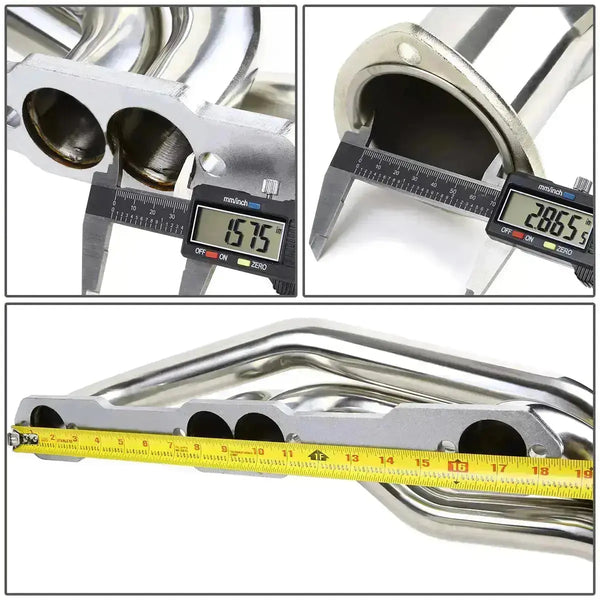
| Long Tube Headers | One of the best bolt-on power gains | Moderate | Especially effective when paired with a tune and freer-flowing exhaust |
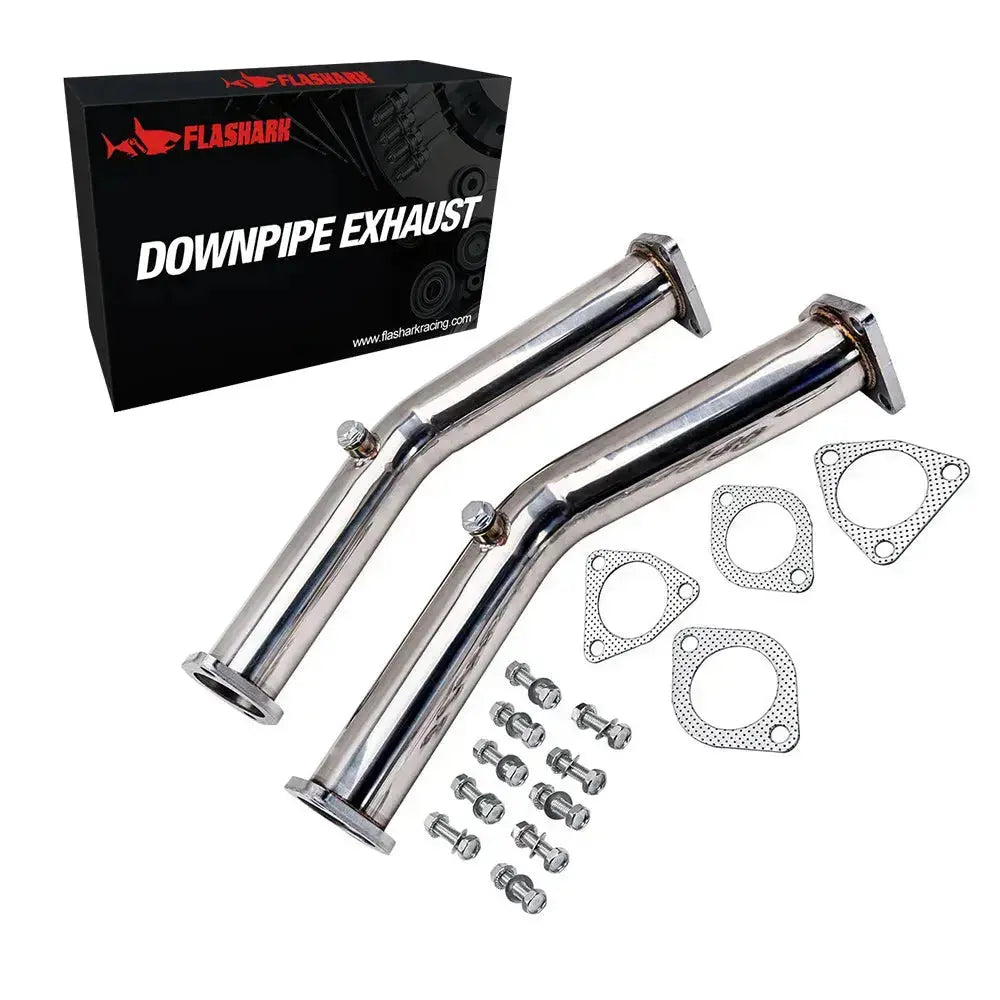
| Cat-Back / Mid-Pipe Upgrades | Improved sound and reduced restriction | Moderate | Helps the whole package breathe |
| ECU Tune | Improves drivability and unlocks supporting-mod gains | Moderate | Often the difference between “parts installed” and “combo working” |
| Performance Camshaft | Major naturally aspirated improvement | Advanced | Best for more serious street/strip builds |
| Supercharger | Huge horsepower jump | Advanced | Requires proper fuel, tune, and supporting reliability upgrades |
In the real world, a mild 6.1 HEMI engine build usually starts with airflow. Intake. Headers. Exhaust. Tune. That’s the sensible first wave. Once those basics are sorted out, then you can decide whether the goal is better street manners, stronger naturally aspirated power, or a full forced-induction jump.
If long tube headers are part of the plan, tuning should not be treated as an afterthought. This guide on whether you need a tune after HEMI long tube headers is written around the 5.7 platform, but the tuning logic is still useful for understanding why airflow mods and calibration need to work together.
Practical Builder’s Note
A 6.1 HEMI responds best when the parts complement each other. Headers alone can help. A tune alone can help. But the real payoff usually shows up when the engine gets a full airflow package instead of a single isolated mod.
How Much Power Can a 6.1 HEMI Make?
Factory rating is 425 hp, but that’s only the starting point. A well-chosen naturally aspirated setup can wake the engine up noticeably, and a more aggressive combination can go much farther. The exact number depends on the combination, fuel quality, tune quality, and whether you’re talking crank horsepower or wheel horsepower.
As a rule of thumb:
- Mild bolt-on build: noticeable improvement in sound, throttle response, and upper-rpm pull
- Bolt-ons plus tune: the kind of combo most street enthusiasts should start with
- Cammed naturally aspirated build: a serious step up in character and top-end power
- Forced induction build: enough headroom to make the 6.1 a genuinely violent street engine
For a more focused look at header-related gains on the HEMI platform, see how much horsepower headers can add to a 5.7 HEMI. The exact numbers will vary by engine and setup, but it gives useful context for why exhaust flow matters on these engines.
Warning Before You Chase Big Numbers
Don’t treat a blower kit like a standalone horsepower button. Once you move into serious boost, the tune, fueling, heat management, and overall engine health matter more than the part itself. That’s where budget builds often go wrong.

Reliability: Is the 6.1 HEMI a Good Engine?
Overall, yes. The 6.1 HEMI has a solid reputation, especially when compared with some newer engines that carry more complexity. That said, any used performance engine needs to be evaluated with clear eyes. The oldest 6.1-powered vehicles are no longer new cars. At this point, ownership history matters almost as much as the engine design itself.
| Area | What to Watch For | Why It Matters |
|---|---|---|
| Maintenance history | Oil change records, cooling system care, tune quality | A well-maintained 6.1 usually ages far better than a neglected one |
| Exhaust hardware | Leaks, broken manifold bolts, old gaskets | Common age-related annoyance, especially on hard-driven vehicles |
| Valvetrain wear | Noise, poor idle quality, signs of abuse | Important on older performance engines with unknown history |
| Cooling system | Radiator, hoses, thermostat, overheating signs | Heat is the enemy of any older high-performance V8 |
| Modified setups | Poor tuning, questionable wiring, cheap add-ons | Bad modifications do more damage than the engine design itself |
The key point is this: the 6.1 HEMI isn’t famous for being fragile. Most problems come from age, heat, abuse, or questionable mods. Buy carefully, tune carefully, and maintain it like a real performance engine, not an appliance.
For engine bay durability and appearance, Billet Aluminum Engine Valve Covers are a common supporting upgrade for HEMI owners who want a cleaner, stronger setup around the top end of the engine.
Is the 6.1 HEMI Still Worth Buying or Building Today?
Absolutely, if you understand what you’re buying.
If you want the newest HEMI with the biggest factory numbers, the 6.4 is the obvious step. But if you want a distinctly early-SRT engine with real attitude, a simpler layout, and strong tuning potential, the 6.1 still makes a lot of sense.
It’s especially attractive for:
- Enthusiasts shopping for a used SRT8 vehicle
- Mopar fans who want a naturally aspirated performance build
- Builders looking for a swap-friendly performance V8
- Owners who value mechanical feel over just chasing the newest platform
Real-World Take
The 6.1 HEMI occupies a very specific lane. It’s not the budget HEMI. It’s not the latest HEMI. It’s the one many enthusiasts remember as the engine that gave the SRT8 lineup its punch. If that’s the character you want, there’s still a lot to like here.
Conclusion
The 6.1 HEMI engine remains a standout in modern Mopar performance history because it delivers the things enthusiasts still care about: usable torque, strong factory power, a simple performance formula, and real personality. It helped define the early SRT8 era, and it still holds up today whether you’re shopping for a Charger, Challenger, 300C, Grand Cherokee, or Magnum.
If you want a modern HEMI that feels direct, mechanical, and genuinely performance-focused, the 6.1L HEMI still deserves a serious look. It may not be the newest option in the family, but it remains one of the most appealing Gen III HEMIs to own and modify.
FAQ
Q: What is the 6.1 HEMI engine?
A: The 6.1 HEMI is a 6.1-liter Gen III Chrysler HEMI V8. It was used in several SRT8 vehicles and is commonly rated at 425 horsepower and 420 lb-ft of torque.
Q: How much horsepower does a 6.1 HEMI have?
A: The factory rating for the 6.1 HEMI is 425 horsepower. That is one of the main reasons the engine became such an important part of the early SRT8 lineup.
Q: How many cubic inches is the 6.1 HEMI?
A: The 6.1 HEMI is 372 cubic inches. Some people round it differently, but 372 ci is the more accurate figure.
Q: What vehicles came with the 6.1 HEMI?
A: The main factory applications include the Dodge Charger SRT8, Dodge Challenger SRT8, Chrysler 300C SRT8, Jeep Grand Cherokee SRT8, and Dodge Magnum SRT8.
Q: Is the 6.1 HEMI better than the 5.7 HEMI?
A: In stock form, the 6.1 HEMI is clearly the more performance-focused engine. It makes more power, carries the SRT identity, and offers stronger factory hardware for enthusiast use. The 5.7 HEMI is more common and more versatile across daily-driver and truck platforms.
Q: Is the 6.1 HEMI a good engine for mods?
A: Yes. The 6.1 HEMI responds well to airflow and tuning upgrades. A cold air intake, long tube headers, full exhaust, and tune are all logical starting points.
Q: Do I need a tune after long tube headers on a HEMI?
A: In many cases, yes, especially if you want the combination to perform correctly and avoid leaving power on the table. Headers change airflow, and the tune helps the engine take advantage of that change.
Q: Is the 6.1 HEMI reliable?
A: Generally yes, especially when maintained properly. Most ownership problems come from age, abuse, poor maintenance, overheating, or bad modifications rather than from some built-in fatal flaw.
Q: Is the 6.1 HEMI still relevant today?
A: Definitely. It remains relevant because it still offers strong naturally aspirated performance, real SRT heritage, and solid tuning potential in a relatively simple package.
Q: Is the 6.1 HEMI good for a swap?
A: Yes, it can be a very appealing swap engine for the right project. Builders like it because it has strong output, a recognizable performance identity, and fewer complexity concerns than some later combinations.

Steven Chen
Automotive Performance Specialist | Engine & Exhaust Systems
Steven focuses on practical engine performance, exhaust fitment, and real-world upgrade paths for classic and modern enthusiast vehicles. He reviews small-block Ford, LS, truck, and street/strip applications with one goal in mind: helping builders choose parts that actually work together. His philosophy: "Good power starts with the right combination, not the biggest part."