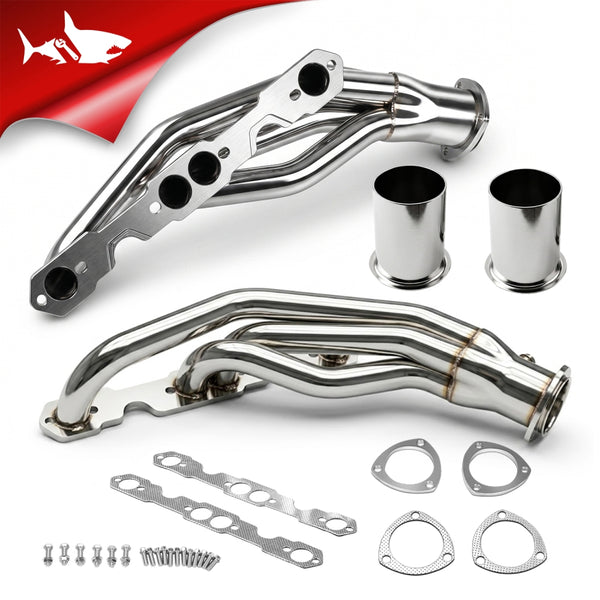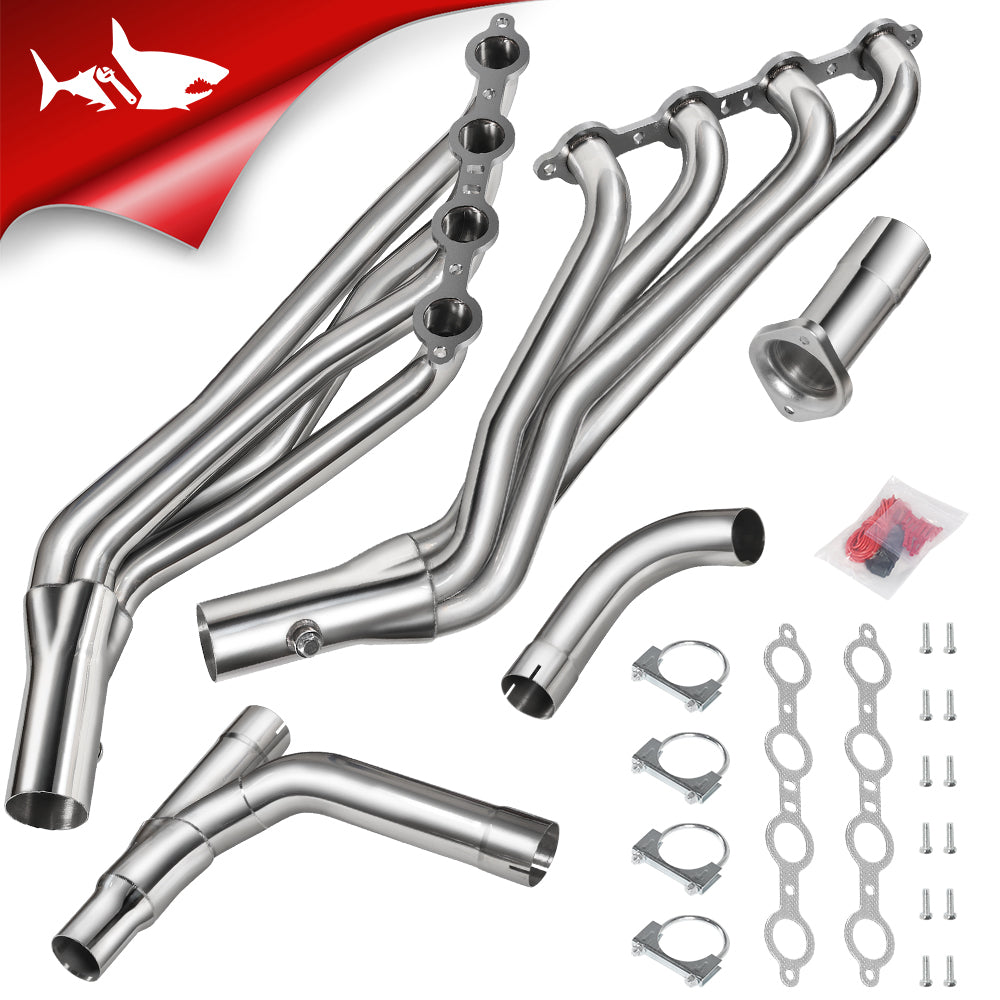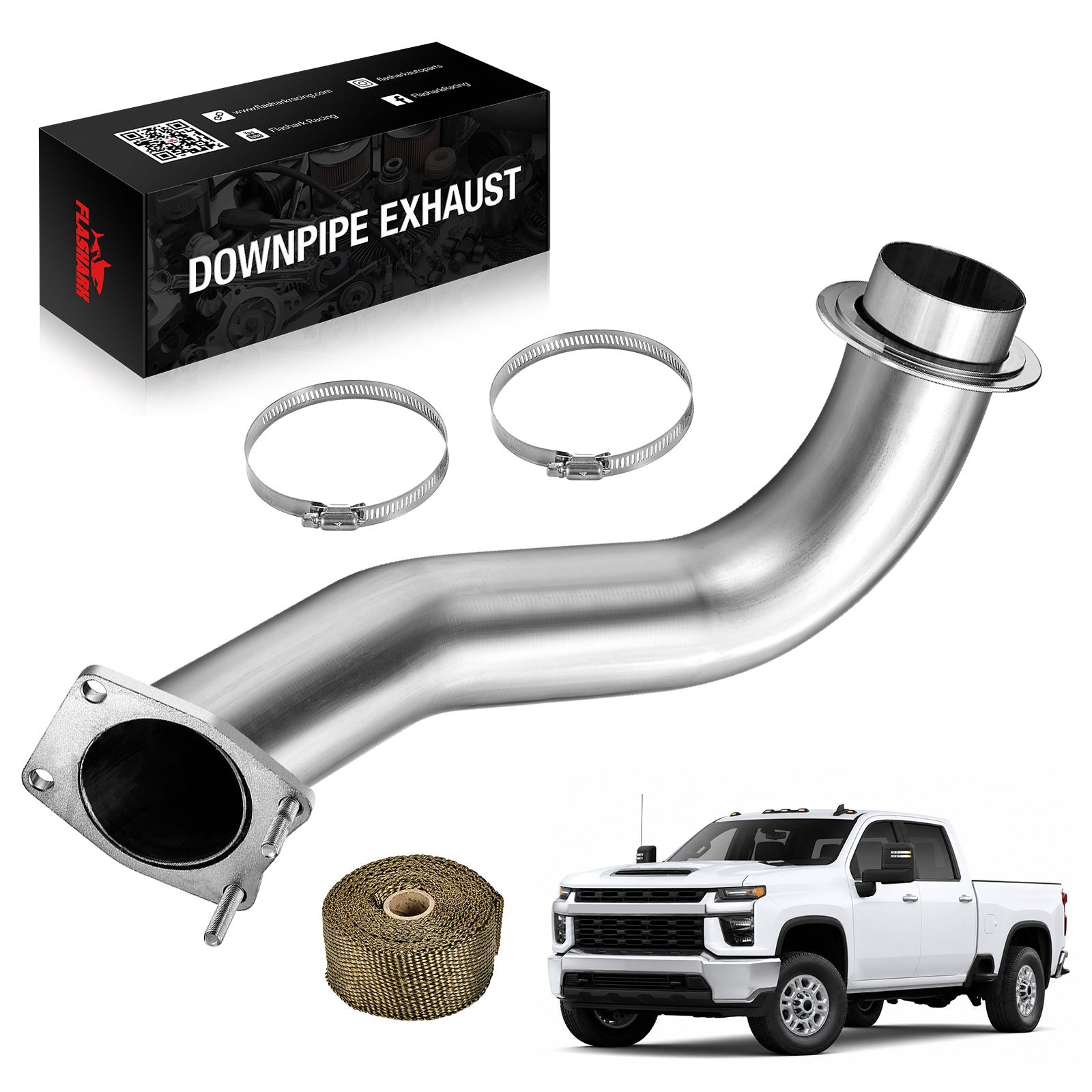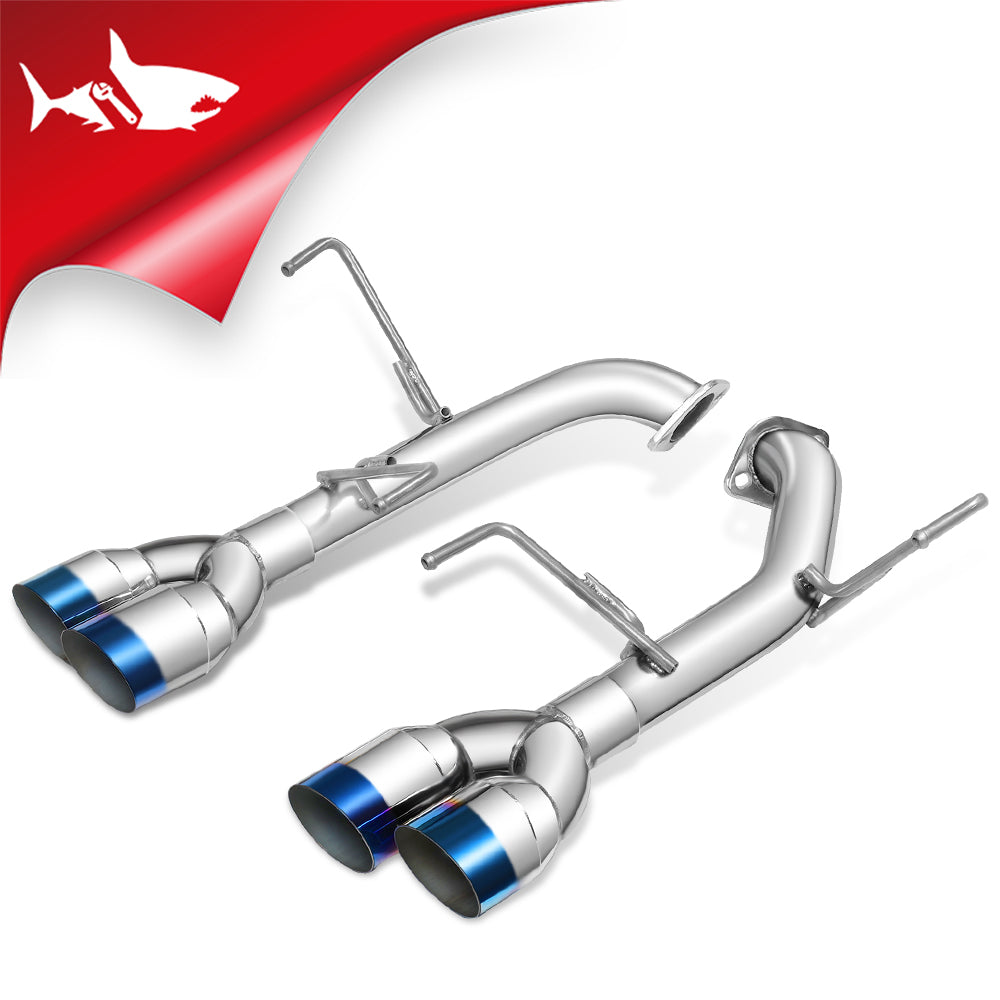
Headers are tubular exhaust manifolds that route exhaust from each cylinder into a collector before it enters the rest of the exhaust system. On a compatible truck, a well-matched header can reduce unnecessary restriction and improve exhaust-pulse scavenging compared with a restrictive or leaking factory manifold. The final result depends on the engine, primary-tube design, collector placement, downstream exhaust, calibration, vehicle condition, and installation quality.
- Headers can change how exhaust pulses leave the cylinder head; they do not guarantee a fixed horsepower or fuel-economy result.
- Fitment matters: confirm the vehicle year, engine, drivetrain, emissions equipment, and collector clearance before ordering.
- Tune requirements and warning-light behavior vary by vehicle and installed hardware.
- Review local emissions and road-use requirements before modifying emissions-related equipment.
If you are comparing layouts first, see this guide to tube headers. The terms are often used loosely, but two similar-looking exhaust parts are not automatically interchangeable.
What Are Headers on a Truck?
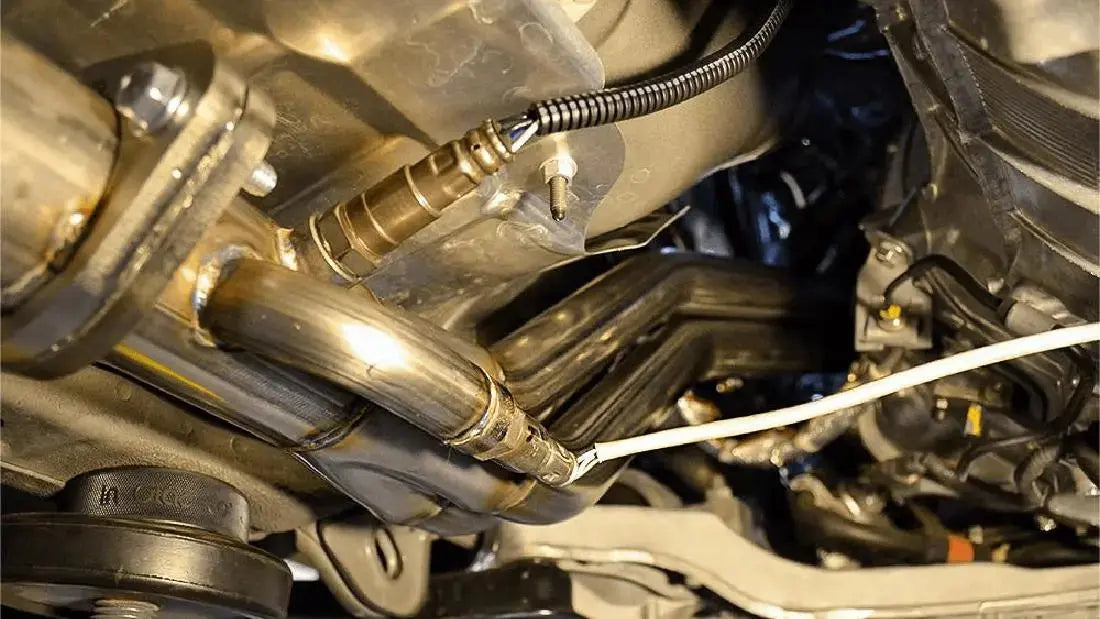
Headers are a type of exhaust manifold, but they use separate primary tubes for each cylinder rather than the compact, shared passages commonly found in a cast factory manifold. Those primary tubes merge at a collector and then connect to the rest of the exhaust system. The layout is intended to manage exhaust pulses and reduce unwanted interference between cylinders.
For a truck owner, the practical question is not simply whether headers are “better.” It is whether the part matches the engine and chassis, clears surrounding components, works with the rest of the exhaust, and supports the vehicle’s actual use. A daily-driven pickup, a tow vehicle, and a weekend performance build can have different priorities.

Headers vs. Exhaust Manifolds: What Is the Difference?
Both parts collect exhaust gases from the cylinder head. The main difference is the path those gases take. A factory manifold is usually designed around packaging, durability, cost, and heat management. A header uses individual runners and a collector, which gives the designer more control over runner length and merge arrangement.
| Consideration | Typical factory manifold | Tubular header |
|---|---|---|
| Runner layout | Compact shared passages are common. | Separate primary tubes merge at a collector. |
| Packaging | Often optimized for factory clearances and service access. | Clearance depends on the specific vehicle and installed hardware. |
| System effect | Can be a durable, practical choice for a stock configuration. | May improve scavenging when the runner and collector design suit the engine and exhaust system. |
| Before buying | Inspect for cracks, leaks, and damaged hardware. | Confirm fitment, sensor provisions, emissions-related equipment, and downstream connections. |
How Do Headers Improve Truck Performance?
Here is the part that matters: a header does not create power by itself. It changes one part of the exhaust path. When the runner design, collector, cylinder-head flow, camshaft timing, downstream exhaust, and calibration work together, the system may move exhaust pulses more effectively than a restrictive or damaged factory manifold.
1. Exhaust Flow and Scavenging
Each exhaust event creates a pressure pulse. In a matched system, the timing and shape of those pulses can help evacuate the cylinder during overlap. This is commonly called scavenging. Primary-tube dimensions and collector design matter, which is why a larger tube is not automatically the right tube.
2. Throttle Response and Power Delivery
A compatible header and exhaust combination may change how the engine responds under load. The outcome varies with engine condition, intake and exhaust configuration, calibration, fuel, and driving use. Do not treat a general header article as a promise of a particular result on every truck.
3. Fuel Economy
Headers do not guarantee better gas mileage. If the exhaust system is restrictive or leaking, repairing the underlying problem can improve how the engine operates. But fuel use also changes with calibration, tire size, load, gearing, driving habits, and how often the additional throttle response is used.
4. Sound and Heat Management
Headers can change exhaust tone, but sound is not proof of added performance. They can also change underhood heat exposure. Check clearance around wiring, hoses, boots, lines, and nearby components, and follow the selected part’s installation guidance for heat protection.
5. Compatibility with Other Upgrades
Headers are part of a system. Intake parts, the rest of the exhaust, emissions equipment, sensor location, exhaust leaks, wiring condition, and calibration can all affect the final result. Tune requirements vary by vehicle and installed hardware.
Take a minute before final tightening. Confirm collector clearance, fastener access, gasket alignment, sensor and wiring clearance, and the connection to the downstream exhaust. An exhaust leak or a stretched wire can create problems that are not caused by the header design itself.

Pros and Cons of Headers for a Truck
Potential Advantages
- Individual runners and a collector can provide a less restrictive exhaust path than a restrictive or damaged factory manifold.
- A matched system may improve scavenging and change engine response.
- Headers can support a broader exhaust upgrade plan when the components are selected as a system.
- Available layouts, materials, and finishes give builders different packaging and appearance options.
Important Trade-Offs
- Clearance, sensor routing, fastener access, and downstream connections are vehicle-specific.
- Heat exposure and exhaust leaks need careful attention during installation and follow-up inspection.
- Emissions-related equipment, local road-use requirements, and calibration may affect what is appropriate for a given truck.
- Cost includes the part, supporting hardware, possible exhaust work, and the time needed to install and inspect the system correctly.
Are Headers Worth It for Your Truck?
Headers may make sense when you have a verified fitment match, a clear reason to address a restrictive or leaking factory manifold, or a larger exhaust plan built around the vehicle’s engine and use. They are not automatically the best first modification for every truck.
- Daily driver: Prioritize fitment, serviceability, heat management, noise expectations, and local requirements.
- Towing or work truck: Consider the whole operating range, underhood heat, durability, and the condition of the existing exhaust before choosing a layout.
- Performance-focused build: Match runner design and collector placement to the engine, camshaft, downstream exhaust, and calibration rather than selecting by tube size alone.
For truck-specific options, start with the Flashark exhaust header collection and use the product fitment information for the exact vehicle. Confirm your vehicle year, engine, and drivetrain before ordering.
Choosing a Header and Checking Fitment
Use the selected product’s fitment information as the deciding source for a purchase. The two truck products below are relevant examples only when their listed vehicle, engine, drivetrain, and configuration match the vehicle being serviced.
- Long Tube Headers & Y-Pipe for 1999-2006 Chevy / GMC Silverado / Avalanche / Sierra 1500 4.8L / 5.3L / 6.0L Vortec
- Long Tube Headers for Chevrolet/GMC C&K, Tahoe, and Blazer applications with listed 5.0L / 5.7L engines
Before ordering, match the part to the vehicle and review the selected product configuration and package contents. Contact customer support if you need help identifying the correct configuration.
Installation and Maintenance Tips
- Read the instructions supplied with the selected part before disassembly.
- Inspect the existing manifold, gaskets, fasteners, wiring, sensors, and downstream exhaust for damage or leaks.
- Confirm the connection points and collector clearance before final tightening.
- Keep heat-sensitive wiring, hoses, boots, and lines clear of the installed exhaust components.
- After installation, inspect for exhaust leaks, contact points, loose hardware, and unusual heat exposure.
Installation difficulty varies with chassis access, rust, fastener condition, drivetrain layout, exhaust configuration, and the need to retain or reposition related components. If any part of the job is outside your experience or the supplied instructions, use a qualified installer.

Conclusion
What do headers do for a truck? They replace the factory exhaust manifold with a tubular runner-and-collector design that may improve exhaust-pulse management in a compatible system. The practical value comes from correct fitment, sound installation, sensible supporting parts, and realistic expectations—not from a universal power claim.
Frequently Asked Questions
Q1. What do headers do for a truck?
A1. Headers replace the factory exhaust manifold with individual primary tubes that merge at a collector. On a compatible truck, that layout may improve exhaust-pulse scavenging and reduce unnecessary restriction, but the result depends on the engine, exhaust system, calibration, and installation.
Q2. Do headers add horsepower to every truck?
A2. No. A header does not guarantee a fixed power result. Runner design, collector placement, engine condition, camshaft timing, downstream exhaust, and calibration all affect the outcome.
Q3. Do headers improve gas mileage?
A3. They do not guarantee better fuel economy. Fuel use can be affected by calibration, load, gearing, tire size, driving habits, and the condition of the complete intake and exhaust system.
Q4. Are headers the same as exhaust manifolds?
A4. Both collect exhaust gases from the cylinder head, but a header is typically a tubular exhaust manifold with individual runners that merge at a collector. A factory manifold is often more compact and designed around packaging and durability.
Q5. Do headers require a tune?
A5. Tune requirements vary by vehicle and installed hardware. Sensor location, exhaust leaks, wiring condition, emissions equipment, and calibration can affect warning-light behavior and drivability.
Q6. Can headers cause a check-engine light?
A6. Warning-light behavior is vehicle-specific. Changes to sensor location, wiring, exhaust sealing, emissions-related equipment, or calibration can affect the result. Inspect the complete system rather than assuming one cause.
Q7. Will headers make my truck louder?
A7. Headers can change exhaust tone, but the final sound depends heavily on the rest of the exhaust system, including converters, pipes, resonators, and mufflers. Sound change alone does not indicate a performance gain.
Q8. What should I check before ordering truck headers?
A8. Confirm the vehicle year, engine, drivetrain, chassis configuration, product fitment, collector connection, sensor provisions, and the relationship to emissions-related equipment. Review the selected product configuration and package contents.
Q9. What should I inspect after header installation?
A9. Check for exhaust leaks, loose hardware, contact with wiring or hoses, collector clearance, and any unusual heat exposure. Follow the supplied instructions for inspection and rechecking hardware.
Q10. Are headers legal for road use?
A10. Requirements vary by location and by the vehicle’s emissions-related equipment. Review local emissions and road-use requirements before modifying emissions-related equipment.

Steven Chen
Automotive Performance Specialist | Engine & Exhaust Systems
Steven focuses on practical engine performance, exhaust fitment, and real-world upgrade paths for classic and modern enthusiast vehicles. He reviews small-block Ford, LS, truck, and street/strip applications with one goal in mind: helping builders choose parts that actually work together. His philosophy: "Good power starts with the right combination, not the biggest part."