
Upgrading your Chevy 350 engine with the right headers is one of the most effective ways to boost its performance. Headers are designed to optimize exhaust flow, reduce backpressure, and enhance horsepower and torque. But with so many options available, what are the best headers for Chevy 350? This article will guide you through the types of headers, key factors to consider, and recommend top-performing options to help you make an informed decision for your engine.
🔥 Top Recommendation: If you are looking for the overall best-performing option mentioned in this guide, our Chevy 350 Headers for 1988-1997 trucks are currently the top choice for exhaust flow, fitment, and long-term durability.
- For Maximum High-RPM Power (Track/Racing): Long tube headers are generally the ideal choice, offering potential gains of 10-20 horsepower by optimizing exhaust flow, provided your engine bay has sufficient clearance.
- For Daily Driving & Tight Spaces (Street/Trucks): Shorty headers are highly recommended for vehicles with space constraints (like 4WDs), offering easier installation and noticeable improvements in low-end torque.
- For Durability & Heat Management: T304 Stainless steel is the go-to material for rust resistance and longevity, while ceramic-coated options are best if your scenario requires reducing engine bay temperatures.
- Model-Specific Fitment: The "best" header heavily depends on the chassis. For example, classic muscle cars (Camaro/Chevelle) and late-model trucks (1988-1997 C/K series) require specifically routed headers to ensure proper fitment without custom fabrication.
Introduction to Headers for Chevy 350
Exhaust headers play a crucial role in improving the exhaust system of a vehicle, especially for high-performance engines like the Chevy 350. They are designed to replace the restrictive stock exhaust manifolds, providing a direct path for exhaust gases to exit the engine. This helps reduce backpressure, allowing for better airflow and increased engine performance. For Chevy 350 owners, choosing the best headers can make a significant difference in horsepower, torque, and even fuel efficiency.
When it comes to what are the best headers for Chevy 350, the right choice depends on your performance goals, engine configuration, and budget. Headers come in various types, materials, and designs, and selecting the ideal one requires understanding how these factors affect your vehicle's performance.

Types of Headers for Chevy 350
Long Tube Headers
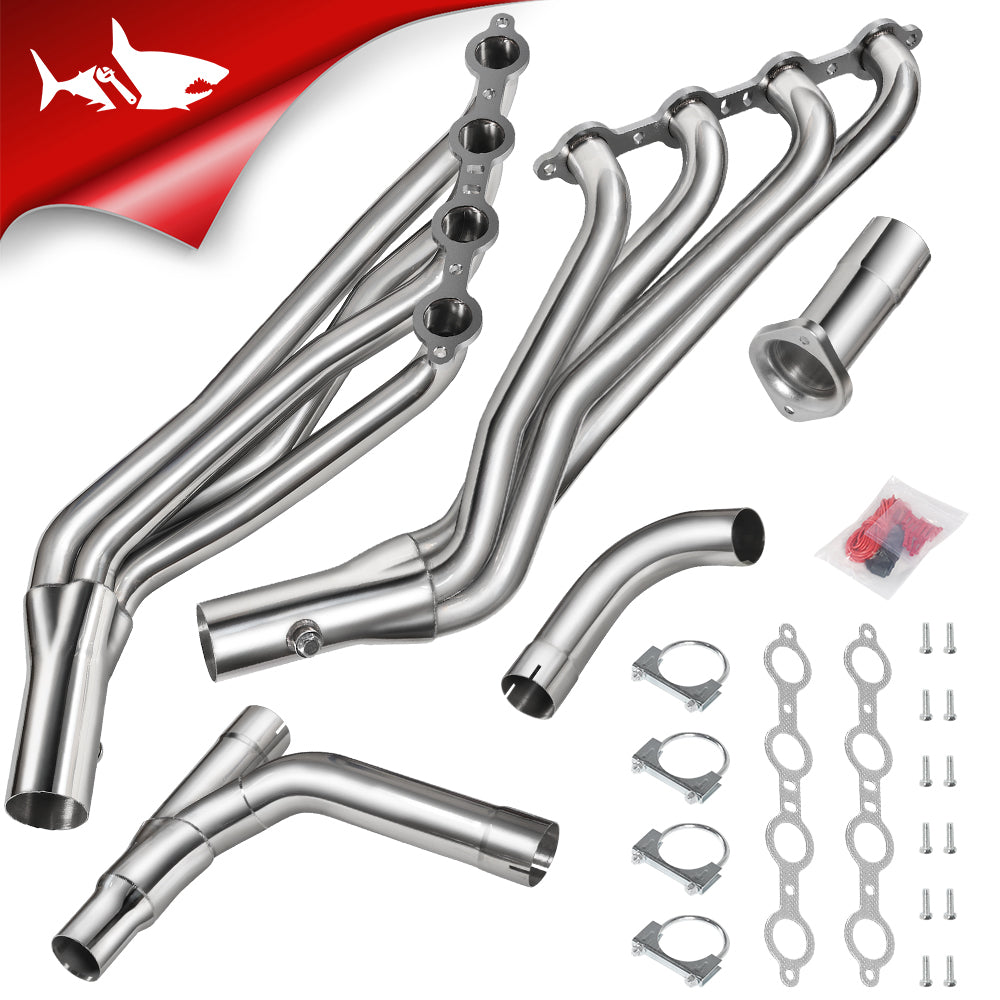
Long tube headers are widely regarded as the best option for maximizing horsepower and torque, especially for high-RPM performance. These headers have long primary tubes that allow exhaust gases to flow more freely, enhancing engine efficiency. What are the best headers for Chevy 350 when you're looking to boost high-end power? Long tube headers are an excellent choice for track cars, drag racing builds, or any performance vehicle where maximum exhaust flow is critical.
They typically provide a significant increase in horsepower, ranging from 10 to 20 hp, depending on other engine modifications. However, long tube headers may require more space and can be challenging to install in vehicles with limited engine bay space.
Shorty Headers
Shorty headers, on the other hand, offer a more compact design, making them ideal for street applications where space is limited. These headers are often easier to install and offer improvements in low-end torque. Although they don’t deliver the same performance gains as long tube headers, shorty headers are still a valuable upgrade for those looking for moderate horsepower gains without extensive modifications.
If you're wondering what are the best headers for Chevy 350 when it comes to improving daily driving performance, shorty headers are an excellent option. They provide a quick and straightforward way to enhance engine efficiency without sacrificing reliability or sound.
Factors to Consider When Choosing Headers for Chevy 350
Engine Type and Modification Level
The first thing to consider is the type of engine you have and the level of modification you’re aiming for. A naturally aspirated Chevy 350 will benefit most from long tube headers, especially if you're planning to push the engine to higher RPMs. On the other hand, if you're just looking to improve the sound or get a slight boost in performance, shorty headers may be sufficient.
If you have a heavily modified engine with a camshaft upgrade, increased compression, or forced induction (turbo or supercharger), long tube headers will complement these changes by optimizing exhaust flow.
Space Constraints
Before choosing a set of headers, ensure there is enough space in your engine bay. What are the best headers for Chevy 350 when you're limited by space? Shorty headers may be the most suitable option in cramped engine bays, especially for trucks and vehicles with four-wheel-drive (4WD) systems. Long tube headers, while providing better performance, may require additional clearance, which could be an issue for some engine configurations.
Material Choices
When choosing headers, the material plays a crucial role in both durability and performance. The two most common materials for headers are stainless steel and ceramic-coated steel. Stainless steel is known for its strength and ability to withstand high temperatures, making it the best choice for most performance applications. Ceramic-coated headers, while slightly more expensive, offer improved heat resistance, reducing engine bay temperatures and increasing header lifespan.
Performance Benefits of Upgrading Headers for Chevy 350
Upgrading to the best headers for Chevy 350 engines yields several benefits. First and foremost, headers help improve airflow by reducing the exhaust backpressure that restrictive manifolds create. As a result, the engine can breathe easier, leading to increased horsepower and torque. On average, you can expect to gain anywhere from 10 to 20 horsepower with a quality header upgrade.
Secondly, the Chevrolet 350 exhaust manifold is also a good choice when you want to improve fuel efficiency. While headers themselves don't directly improve fuel economy, they optimize engine performance by ensuring a smoother exhaust flow. This can indirectly result in better gas mileage, especially during steady cruising conditions.
Moreover, headers also contribute to engine longevity. By minimizing backpressure, they reduce the strain on engine components, leading to a healthier engine over time. Additionally, headers enhance the sound of your vehicle, providing that iconic muscle car rumble.
How to Install Headers on a Chevy 350
Installing headers on your Chevy 350 engine is a relatively straightforward process, but it requires some mechanical knowledge and the right tools.
1. Preparation and Tools Needed
Start by gathering the necessary tools, including a socket set, wrenches, exhaust sealant, and a jack to lift the vehicle. Make sure to have safety gloves and goggles to protect yourself during the installation.
2. Removing the Old Exhaust Manifold
The first step in the installation is removing the old exhaust manifolds. Disconnect the battery to avoid any electrical issues, then raise the vehicle if necessary. Remove any bolts securing the manifold and carefully detach it from the engine. Keep in mind that some vehicles may require additional disassembly to access the manifolds.
3. Aligning and Installing the New Headers
Once the old manifold is removed, position the new headers in place. Align the header flanges with the engine block and secure them with the provided bolts. Make sure to use high-quality gaskets to prevent exhaust leaks. Tighten the bolts evenly to avoid warping the flanges.
4. Connecting to Exhaust System
After securing the headers, connect them to the rest of the exhaust system. This may require using reducers or adapters to ensure a proper fit. Tighten all bolts and check for any leaks once the system is reconnected.
5. Final Checks
Once everything is tightened, lower the vehicle and start the engine. Listen for any exhaust leaks and ensure the headers are operating smoothly. If any issues arise, revisit the installation steps to address them.
Recommended Headers for Chevy 350
Here are three highly recommended headers for the Chevy 350, each designed to deliver optimal performance and durability. These headers have been carefully selected based on their fitment, material quality, and performance gains to ensure your engine operates at its best.
FLASHARK Exhaust Header for 1988-1997 Chevy GMC 305 350 Small Block SBC 5.0L/5.7L V8

These Chevy 350 long tube headers are specifically designed for the 305 and 350 small block engines, offering a significant boost in exhaust flow. Constructed from high-quality T304 stainless steel, they provide long-lasting durability and help improve engine efficiency. The headers are easy to install, making them a perfect choice for both performance upgrades and daily drivers.
- Key Features: These headers are designed for small-block engines and are built from high-quality T304 stainless steel for long-lasting performance.
- Performance Gain: Instantly adds 10-15 horsepower and torque by improving exhaust flow.
FLASHARK Shorty Header for 1988-1997 Chevy/GMC C1500/2500 Pickup 305 5.0L/350 5.7L

These Chevy 350 shorty headers are tailored to fit a wide range of Chevy and GMC pickups from 1988 to 1997, including popular models like the C1500 and K1500. They are designed for high-flow exhaust and can easily add 10-15 horsepower and torque. The high-quality construction with mandrel bends ensures smooth airflow and improved engine performance, making them an ideal choice for trucks used both on and off the road.
- Key Features: Mandrel-bent for maximum airflow, these headers are designed to fit a wide range of Chevy/GMC models.
- Performance Gain: Enhances sound and performance with a 10-15 hp increase.
FLASHARK Exhaust Header for 1967-1981 Camaro, 1968-1979 Chevelle Nova SBC 283 327 350 400

Designed for classic muscle cars like the Camaro and Chevelle, these 1967-1981 Chevy 350 headers provide a perfect blend of high performance and aesthetic appeal. The headers’ smooth mandrel bends and high-flow design increase horsepower and torque, while the stainless steel construction ensures long-term reliability. Ideal for those looking to enhance their vehicle’s exhaust output and achieve that iconic muscle car rumble.
- Key Features: Designed for classic muscle cars, these headers optimize exhaust output and engine efficiency.
- Performance Gain: Boosts horsepower by 10-15 hp while providing a classic muscle car exhaust tone.
Conclusion
Choosing what are the best headers for Chevy 350 is crucial for enhancing engine performance and sound. Whether you opt for long tube headers for maximum high-end power or shorty headers for better low-end torque, the right set of headers can make a world of difference. For maximum performance, consider headers made from durable stainless steel or ceramic-coated materials. Follow the installation guidelines carefully, and enjoy the increased horsepower, torque, and overall efficiency that comes with upgrading your Chevy 350 headers.
Frequently Asked Questions
Q1: What are the main differences between long tube and shorty headers for a Chevy 350?
A1: Long tube Chevy 350 headers maximize high-RPM horsepower and torque by providing a longer, smoother path for exhaust gases, but they require more installation space. Shorty headers are more compact, easier to install in tighter engine bays, and primarily improve low-to-mid-range torque.
Q2: How much horsepower can I typically gain by adding headers to a Chevy 350?
A2: Depending on your engine's current tuning and other breathing modifications, adding a quality set of Chevy 350 headers generally yields a gain of 10 to 20 horsepower over restrictive stock manifolds.
Q3: Are stainless steel headers better than ceramic-coated headers?
A3: Both have unique advantages depending on your needs. Stainless steel offers excellent structural durability and rust resistance, while ceramic-coated headers provide superior heat management, keeping engine bay temperatures noticeably lower to protect nearby components.
Q4: Do I need to retune my Chevy 350 after installing new headers?
A4: While not always strictly mandatory for basic street driving, it is highly recommended to tune your carburetor or adjust your EFI system to fully capitalize on the improved exhaust flow and prevent the engine from running too lean.
Q5: Will installing headers make my Chevy 350 sound louder?
A5: Yes, replacing thick cast-iron manifolds with tubular headers typically gives a Chevy 350 a deeper, more aggressive muscle car tone and noticeably increases the overall exhaust volume.
Q6: Can I install long tube headers on a lowered Chevy C1500 truck?
A6: It is possible, but ground clearance becomes a major concern. Long tube headers hang significantly lower beneath the chassis than shorties, so shorty headers are generally the safer recommendation for lowered trucks to avoid scraping on speed bumps.
Q7: Do new aftermarket headers usually come with the necessary gaskets and bolts?
A7: Most high-quality aftermarket headers include the basic mounting hardware and flange gaskets. However, many mechanics prefer to purchase premium copper or aluminum-seal gaskets separately for extra leak protection.
Q8: What size primary tubes should I choose for a mildly modified street Chevy 350?
A8: For a mildly modified street Chevy 350, 1 5/8-inch primary tubes are usually the best choice, as they maintain excellent exhaust gas velocity for crisp low-end torque. Heavily modified or racing engines often require larger 1 3/4-inch tubes.
Q9: Will headers improve my Chevy 350's fuel economy?
A9: Headers can indirectly improve gas mileage during steady cruising by reducing exhaust backpressure and helping the engine breathe more efficiently. However, driving aggressively to enjoy the new horsepower will quickly negate these gains.
Q10: Are exhaust leaks common after installing headers, and how can I prevent them?
A10: Leaks can occur if flanges warp or bolts vibrate loose. To prevent this, use high-quality gaskets, tighten bolts evenly from the center out to the manufacturer's spec, and be sure to re-torque all header bolts after the first few engine heat cycles.