


 Need car parts? Shop by vehicle
(Select the exact fit for your vehicle)
Need car parts? Shop by vehicle
(Select the exact fit for your vehicle)
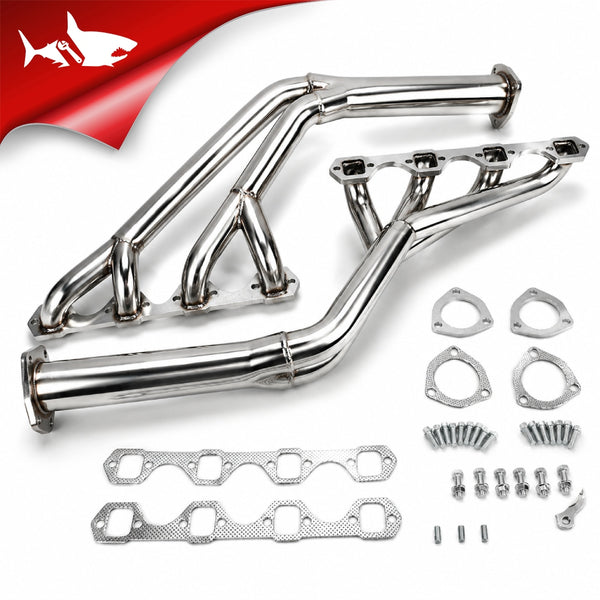
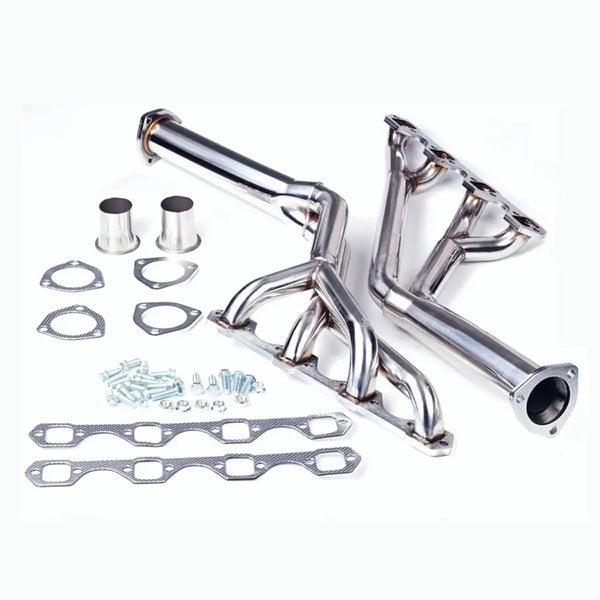
Ford Bronco Exhaust Header
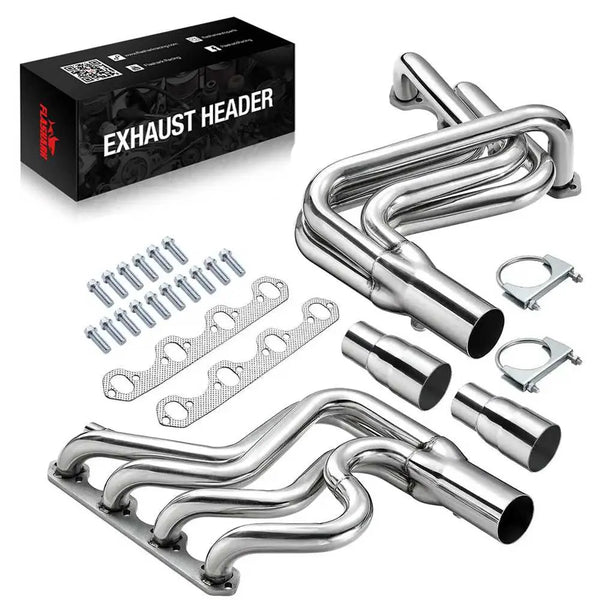
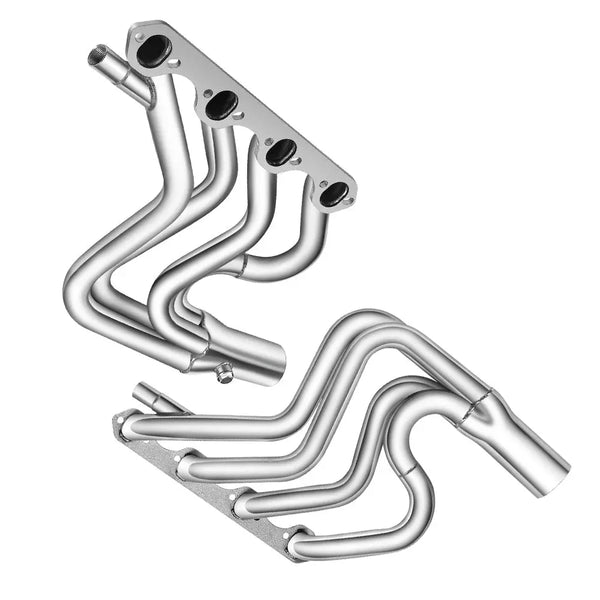
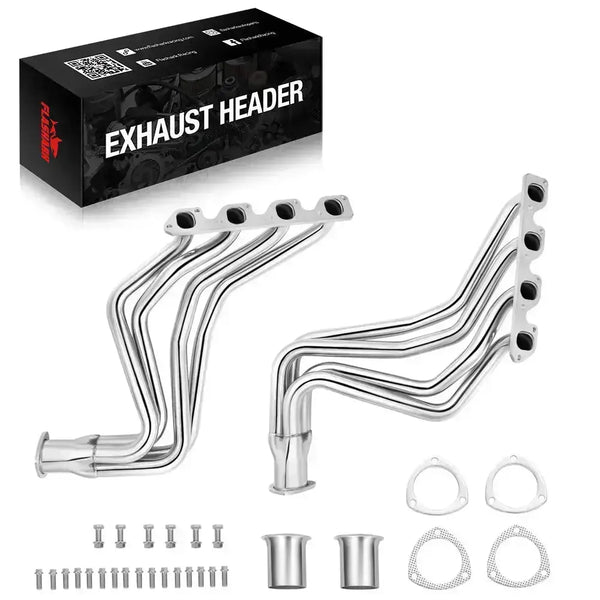
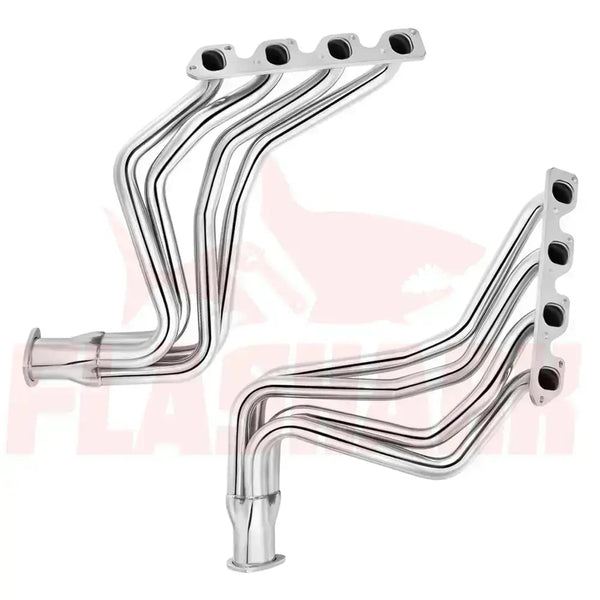
Shop Headers by Brand: Ford Exhaust Header
Shop by Model: Ford F-150 Headers | Ford F-250 Headers | Ford Bronco Headers
Shop Flashark Ford Bronco headers for selected classic V8 applications, including 1966–1970 Broncos with 289 or 302 small-block engines, 1978–1979 4WD models with 351M or 400M engines, and listed 1987–1996 Broncos with the 5.8L OHV V8. This collection includes Tri-Y, short-tube, and long-tube designs, giving you options for different engine layouts, performance goals, and downstream exhaust configurations. Because collector size, tube routing, drivetrain clearance, sensor provisions, and connection hardware vary between products, choose by more than model name alone. Before ordering, confirm your Bronco’s exact year, installed engine, drivetrain, and current exhaust connection against the individual product page.
Recently viewed
Choose Headers for Your Ford Bronco
The Ford Bronco applications in this collection span several generations and three different engine families. These headers are not interchangeable simply because they share the Bronco name. Start with the vehicle’s year and installed engine, then compare header structure, collector size, drivetrain restrictions, and the exhaust work required after the collector.
Before You Buy
- Confirm the engine currently installed in the vehicle, especially if the Bronco has been restored or engine-swapped.
- Check whether the product is limited to 4WD or has an unresolved drivetrain restriction.
- Compare the collector diameter and connection style with your existing head pipes or custom exhaust.
- Review available space around the frame, steering components, starter, transmission, and front driveline.
- Verify O2 sensor, catalytic-converter, and local emissions requirements where they apply.
Bronco Applications in This Collection
| Bronco Application | Listed Engine | Header Design | Collector Information | Primary Fitment Check |
|---|---|---|---|---|
| 1966–1970 Ford Bronco headers | 289 or 302 small-block Ford V8 | Tri-Y | 2.5-inch collector | Confirm the installed engine, drivetrain, chassis clearance, and downstream exhaust connection. |
| 1978–1979 Ford Bronco headers | 351M 5.8L or 400M 6.6L V8 | Full-length or long-tube | 3-inch collector with a listed 3-inch-to-2.5-inch reducer | Designed for the listed 4WD application; confirm the connection after the reducer. |
| 1987–1996 Ford Bronco headers | 5.8L OHV V8 | Short-tube or long-tube options | Listed 2.5-inch collector; details vary by option | The product information contains conflicting 1987–1995 and 1987–1996 references, so confirm the exact model year before ordering. |
Tri-Y, Short-Tube, and Long-Tube Designs
The available structures place their tubes and collectors in different locations. A Tri-Y header joins the primary tubes in stages before the collector. The 1966–1970 application in this collection uses this arrangement, but its fitment still depends on the Early Bronco chassis and the engine actually installed.
Short-tube headers keep the collector closer to the cylinder heads and may reduce the amount of downstream exhaust work compared with a longer design. That does not guarantee a direct connection to every original or modified exhaust system. The outlet position, flange, gasket arrangement, and available space still need to match.
Long-tube headers extend farther beneath the vehicle. Their routing and collector location can improve exhaust scavenging under suitable conditions, but they also make chassis clearance and exhaust connection more important. Any change in response, sound, or usable power will depend on the engine, tune, exhaust system, and overall vehicle setup; these products do not have a verified collection-wide performance figure.
Collector and Exhaust Connection Checks
This collection includes both 2.5-inch and 3-inch collector arrangements. The 1978–1979 header is listed with a 3-inch collector and a reducer to 2.5 inches, while the other applications use different collector layouts. Measure the existing exhaust and confirm the mating surface before installation. A matching nominal diameter does not by itself prove that the flange angle, bolt pattern, reducer, clamp, or head-pipe position will line up.
Some installations may require adjustment to the downstream exhaust. The amount of work depends on whether the Bronco still has its original exhaust, has a replacement system, or has already been modified. Do not assume that every header in this collection connects to the factory exhaust without cutting, welding, repositioning, or additional hardware.
Chassis and Drivetrain Clearance
Header fitment is determined by the combination of engine and chassis. The frame, steering components, starter, transmission, suspension, and front driveline can occupy space near the tubes or collector. The 1978–1979 351M/400M product is specifically listed for the 4WD Bronco application. Drivetrain coverage for the other products should be confirmed on the individual product page before purchase.
O2 Sensors, Catalytic Converters, and Tuning
O2 sensor and catalytic-converter considerations are most relevant to the later fuel-injected application. The 1987–1996 product lists different sensor information for its short-tube and long-tube options, so the exact bung count and location must be confirmed for the selected version. Earlier Bronco applications may have been altered over decades of ownership and should be inspected rather than judged only by their original model-year configuration.
A tune should not be presented as universally required or universally unnecessary. Whether calibration work is appropriate depends on the engine-management system, sensor placement, catalytic-converter arrangement, and the rest of the exhaust. The same variables can affect whether a check-engine light appears on an electronically monitored vehicle.
Emissions and Road-Use Notice
No collection-wide emissions approval or street-legality claim is provided for these headers. Before modifying catalytic-converter placement or other emissions equipment, confirm the selected product’s configuration and the requirements that apply where the vehicle will be registered or operated.
Frequently Asked Questions
Q1: Which Ford Bronco years are represented in this collection?
A1: The collection covers selected 1966–1970 Broncos with 289 or 302 V8 engines, 1978–1979 4WD Broncos with 351M or 400M V8 engines, and a 5.8L OHV V8 product listed for 1987–1996 Broncos. The later product also contains 1987–1995 references, so confirm the exact year before ordering.
Q2: Will these headers fit a 2021 or newer Ford Bronco?
A2: No fitment for a 2021 or newer Bronco is established by the products in this collection. The listed products cover selected classic V8 applications and should not be used to infer compatibility with a modern Bronco or Bronco Sport.
Q3: How do I choose between Tri-Y, short-tube, and long-tube headers?
A3: Choose the design offered for your verified year and engine first. Then compare tube routing, available chassis space, collector location, and the downstream exhaust work each option may require. Do not choose by design name alone.
Q4: Do these headers connect directly to the factory exhaust?
A4: A direct connection is not guaranteed across the collection. Collector diameter, flange design, reducer configuration, and head-pipe position vary by product, and a modified or replacement exhaust may require additional fitting, cutting, welding, or hardware.
Q5: Are the 1978–1979 Bronco headers limited to 4WD?
A5: Yes. The 1978–1979 351M and 400M Bronco product is listed for the 4WD application. Do not assume that its tube routing will fit a different chassis or drivetrain configuration.
Q6: Will the 1987–1996 headers fit every Bronco with a 5.8L V8?
A6: That cannot be confirmed from the current product information. The page contains conflicting 1987–1995 and 1987–1996 references, so the exact year, engine, drivetrain, sensor layout, and selected short-tube or long-tube option should be verified before purchase.
Q7: Do I need O2 sensor extensions or relocation?
A7: It depends on the selected header and the vehicle’s sensor layout. The later 5.8L product lists different O2 sensor details for its short-tube and long-tube options, so confirm the bung count, position, wiring reach, and catalytic-converter arrangement before installation.
Q8: Will installing these headers require a tune or cause a check-engine light?
A8: There is no collection-wide answer. A tune or check-engine light concern depends on the model year, engine-management system, O2 sensor location, catalytic-converter configuration, and other exhaust changes. Verify the selected application before modifying an electronically monitored vehicle.
Q9: Are these Ford Bronco headers street legal?
A9: No collection-wide street-legality or emissions-compliance claim should be assumed. Requirements vary by location and by whether the installation changes catalytic converters or other emissions equipment. Check the selected product and applicable regulations before road use.
Q10: What should I inspect before installing headers on a classic Bronco?
A10: Confirm the installed engine, cylinder-head pattern, drivetrain, steering and starter clearance, transmission space, front driveline clearance, collector size, and downstream exhaust connection. Also inspect the mounting surfaces, fasteners, gaskets, and existing exhaust for damage or previous modifications.


