


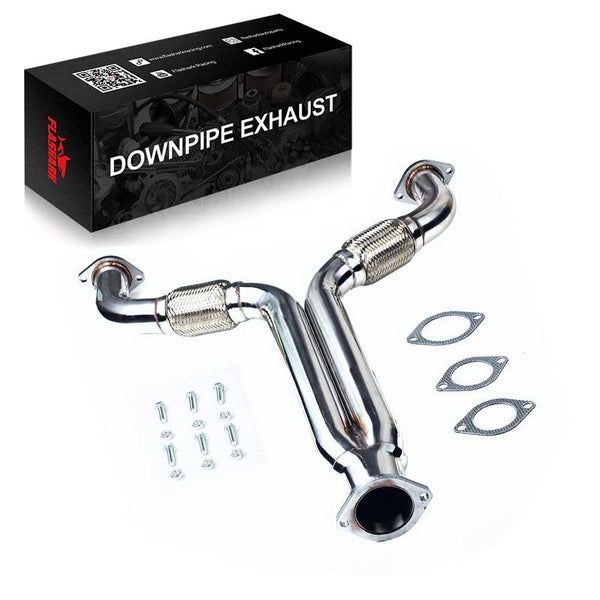
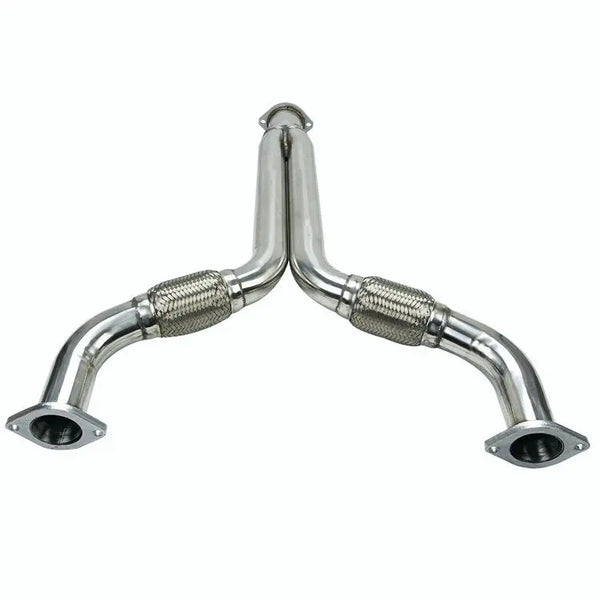
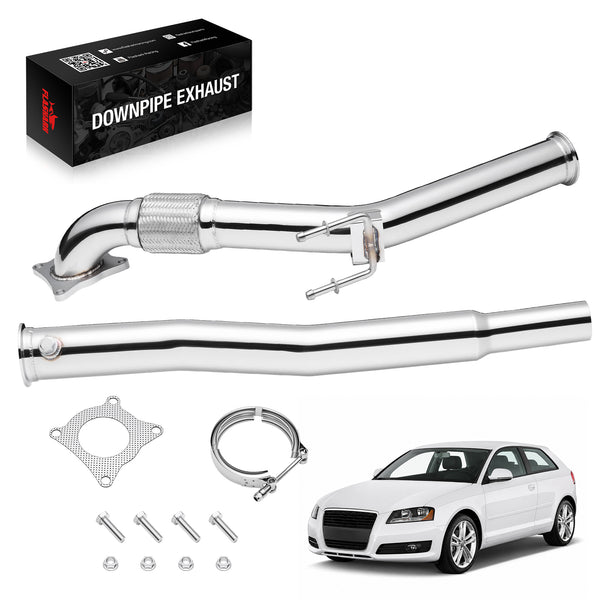
 Flashark Downpipe Exhaust uses premium 304 stainless steel and a mandrel-bent design to cut backpressure, boost power, and deliver a resonant, drone-free sound. It features a vehicle-specific bolt-on fit that requires no cutting or welding and is compatible with both stock and aftermarket exhaust systems. Backed by a 1-year warranty, 24/7 technical support, and fast fitment solutions, it ensures a worry-free performance upgrade.
Chevy/GMC | Nissan/Infiniti | BMW | Audi | Honda | VW Golf | Subaru | Other Makes
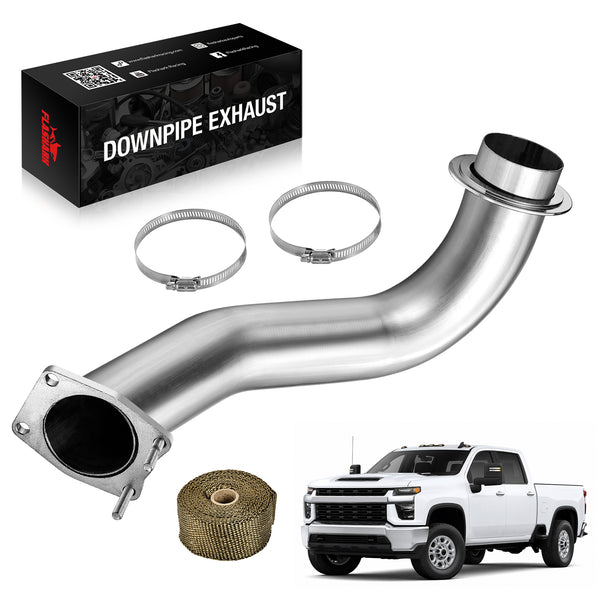

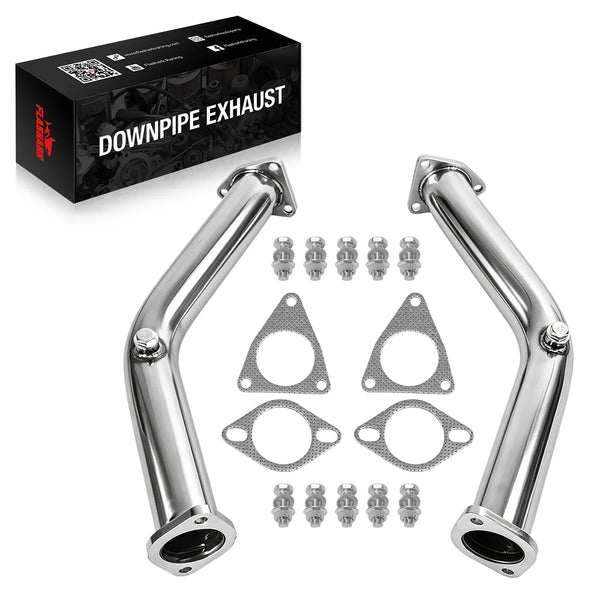
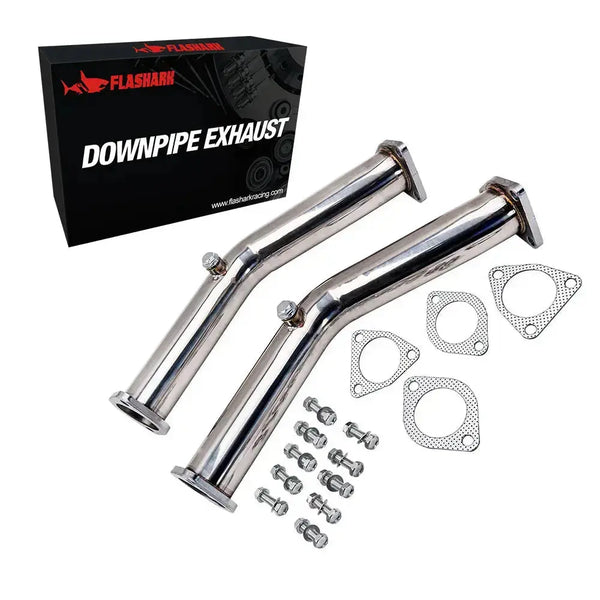
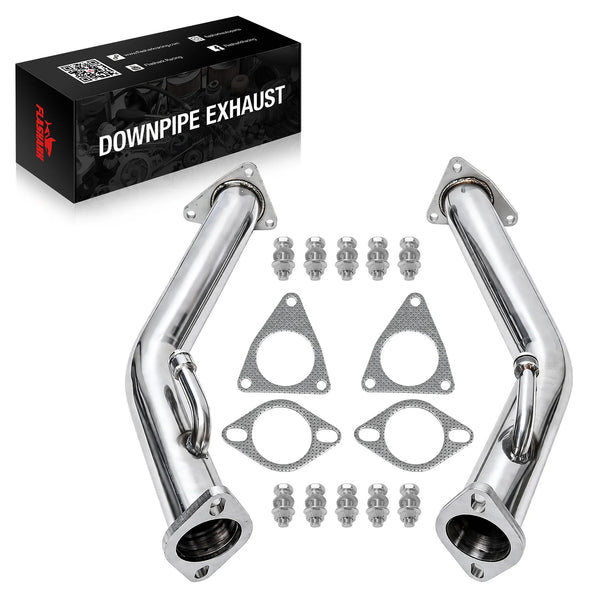
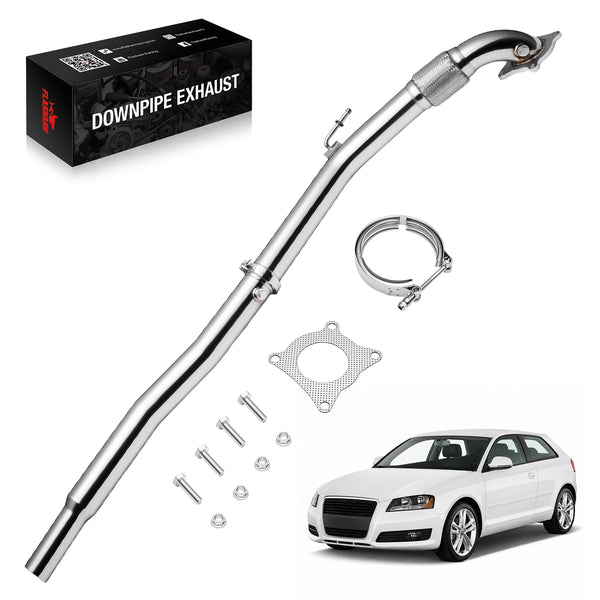
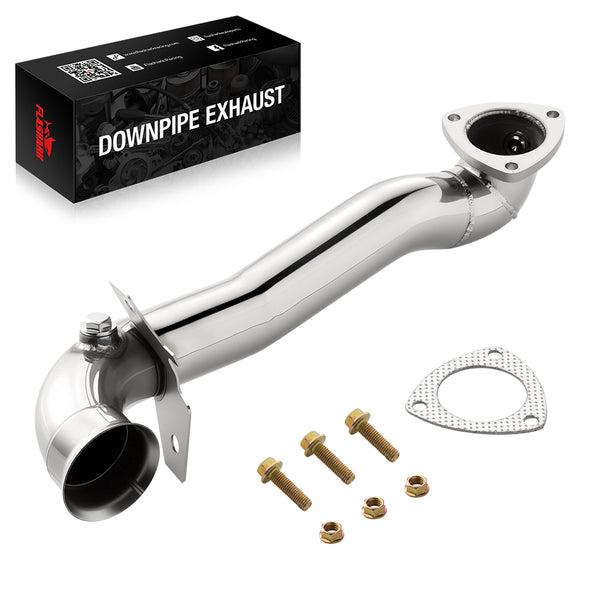
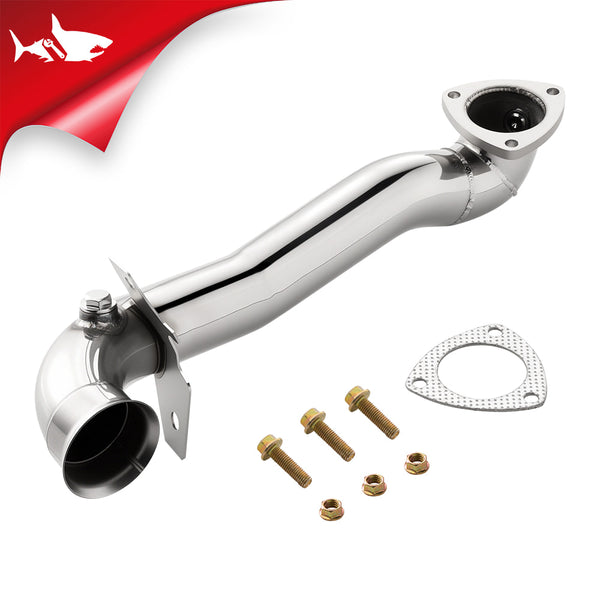
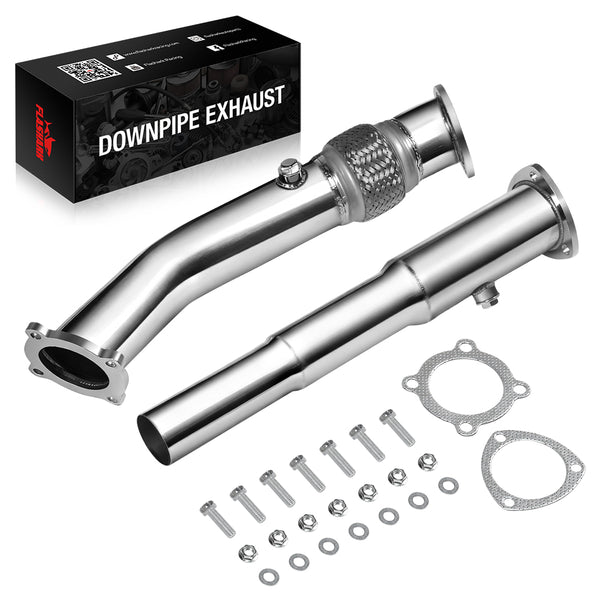

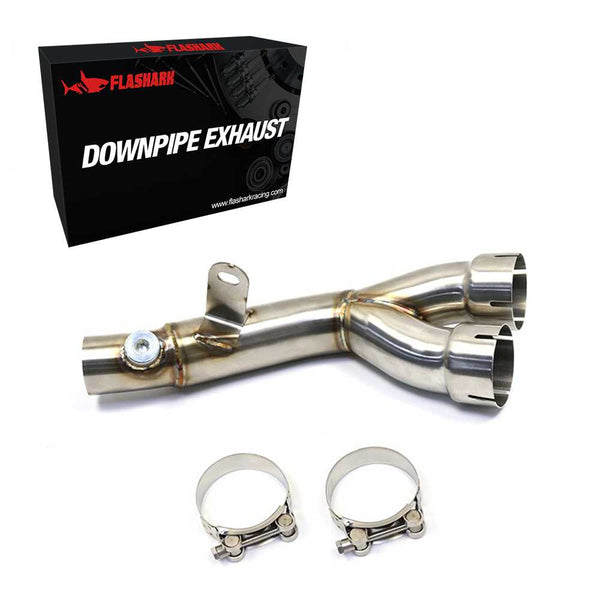
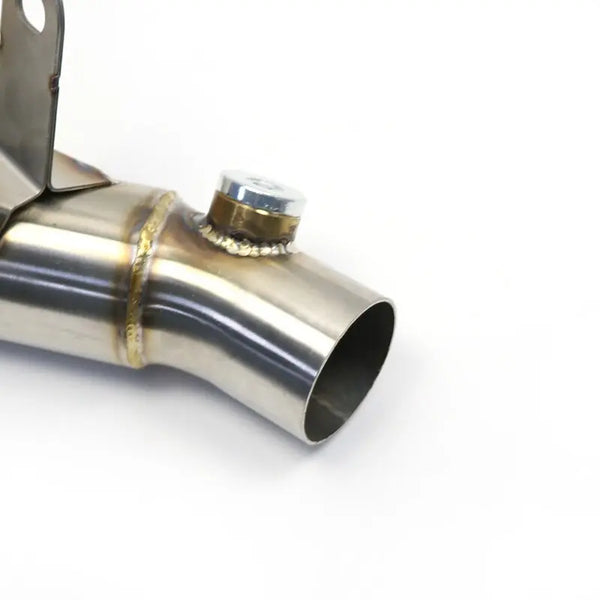
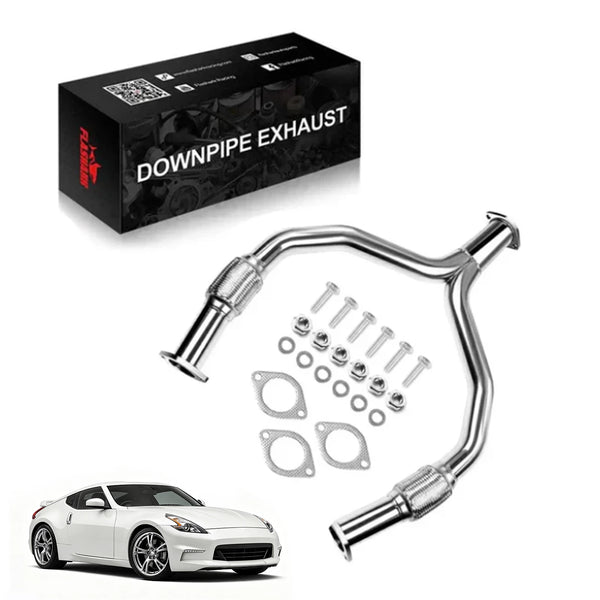
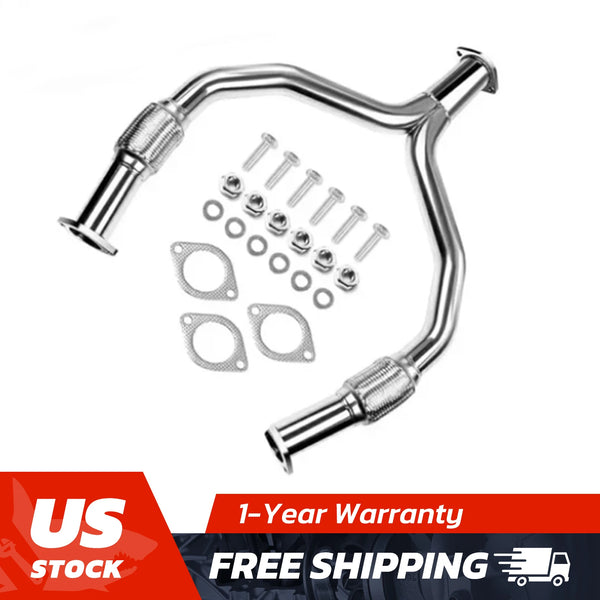
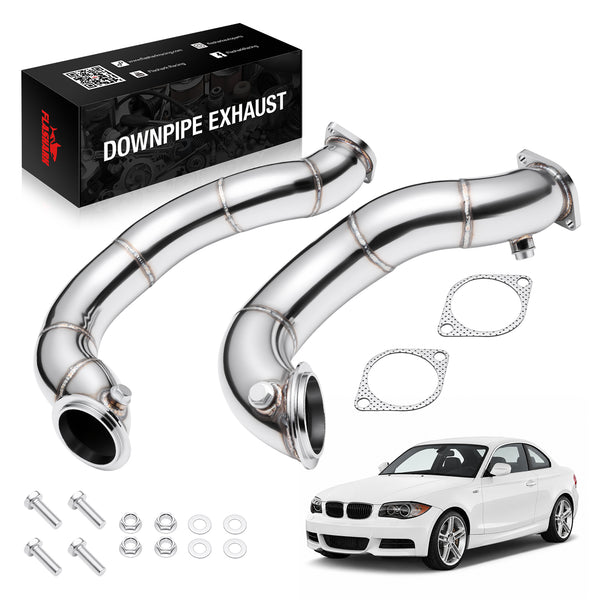

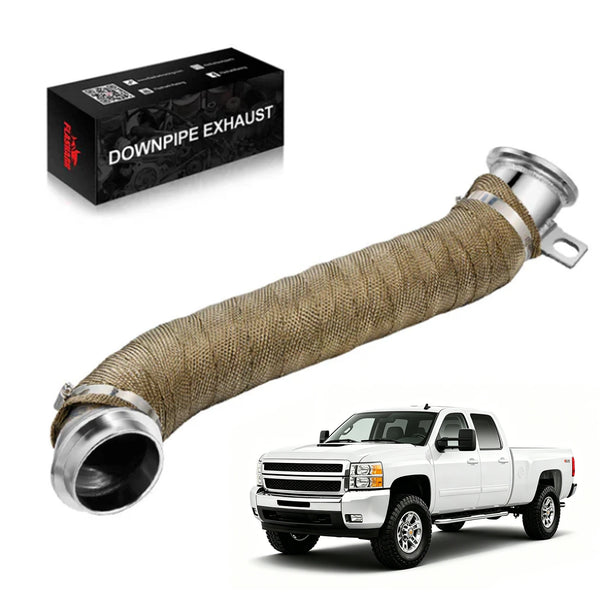
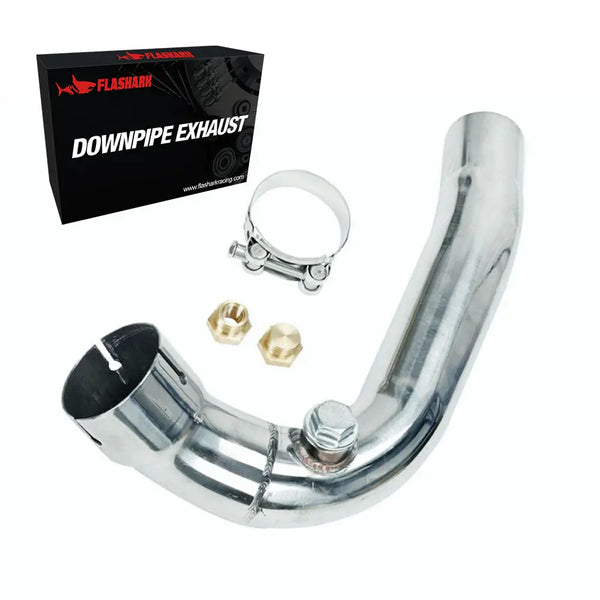
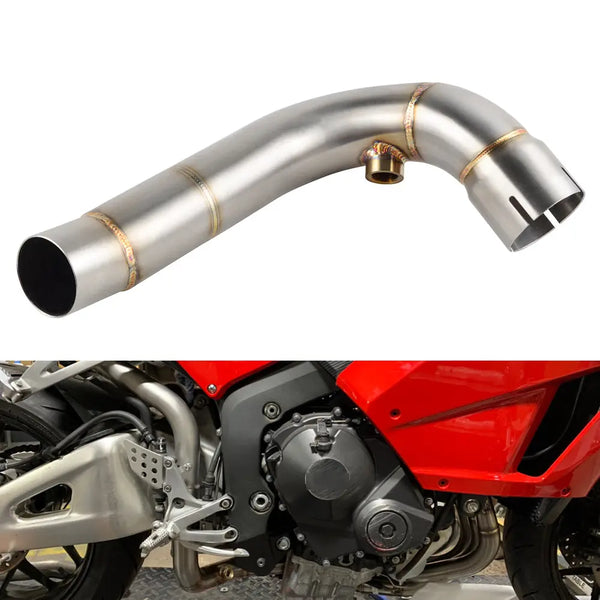
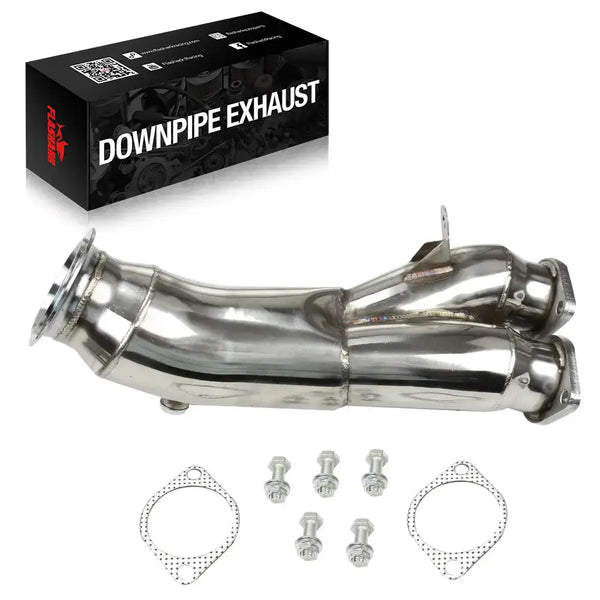
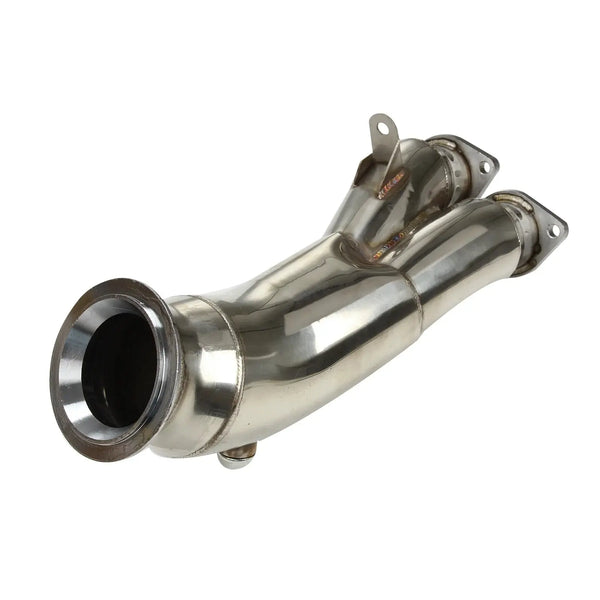
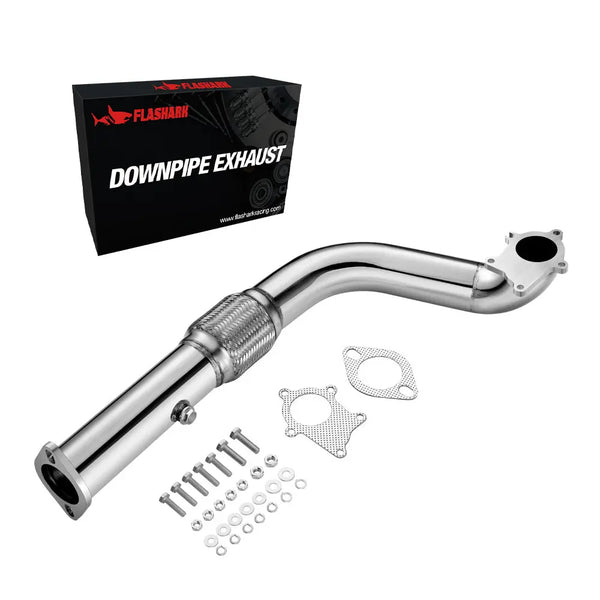
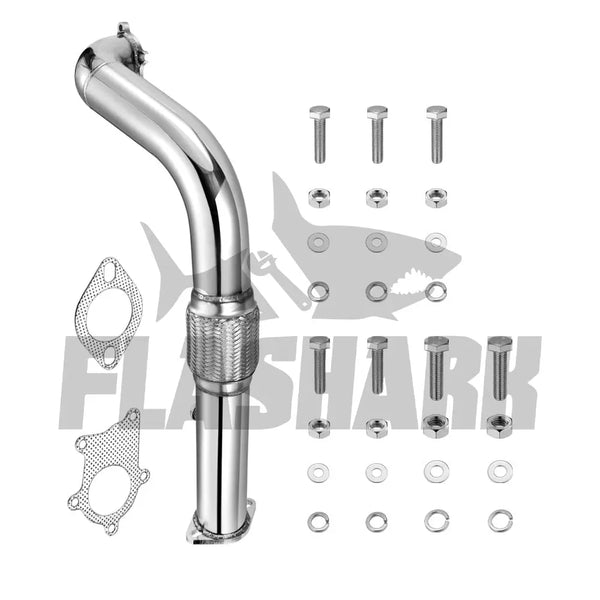
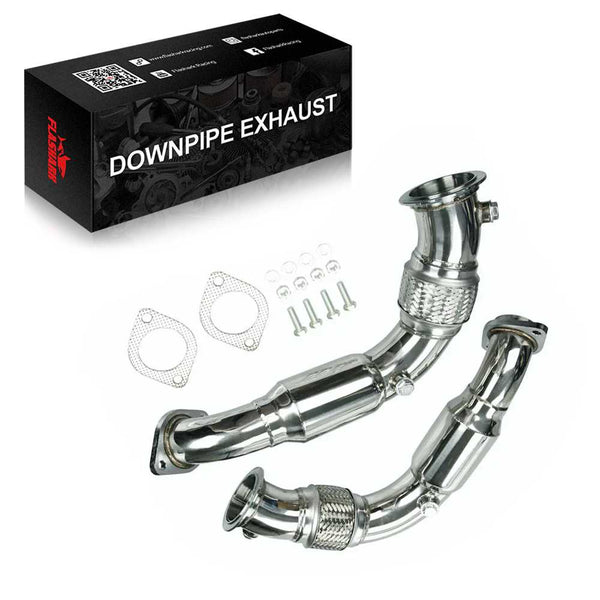
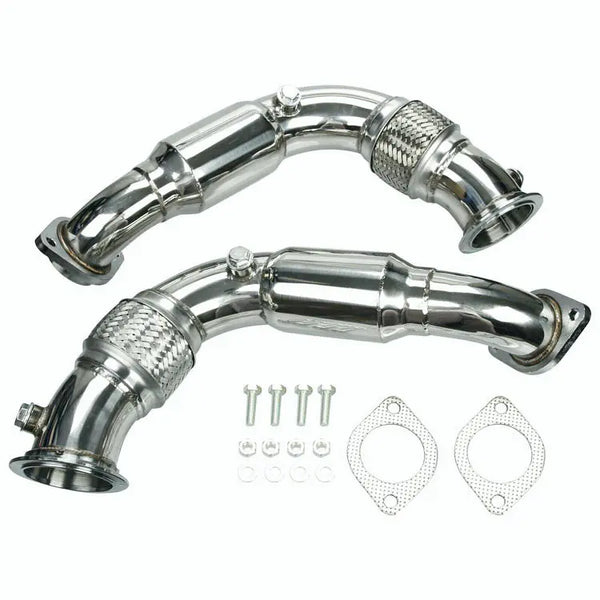
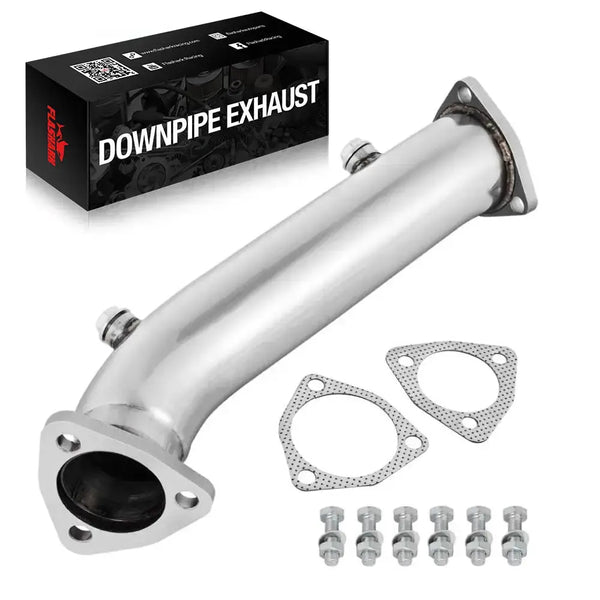
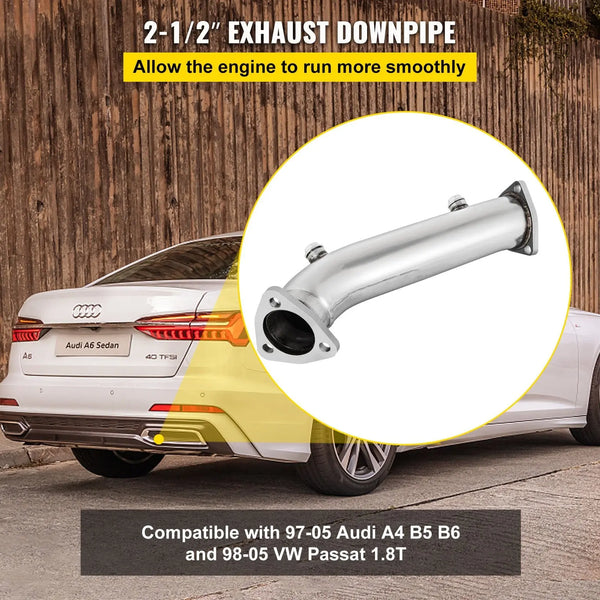
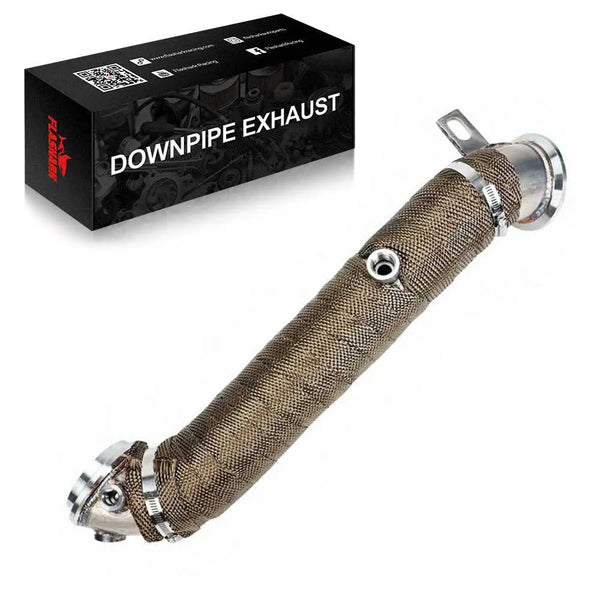
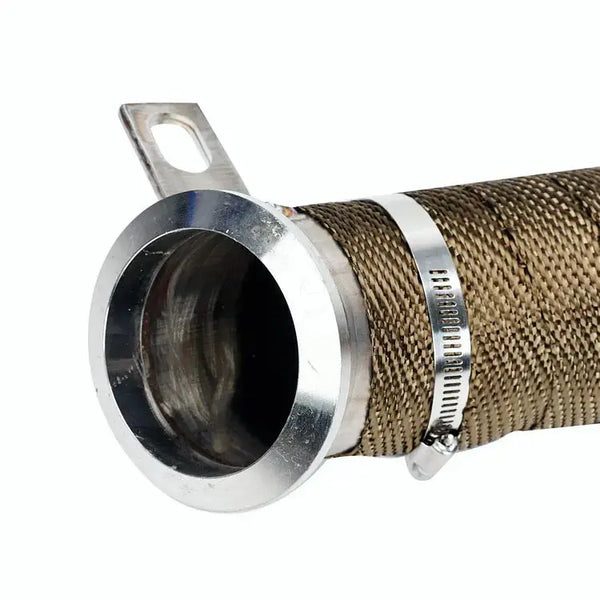
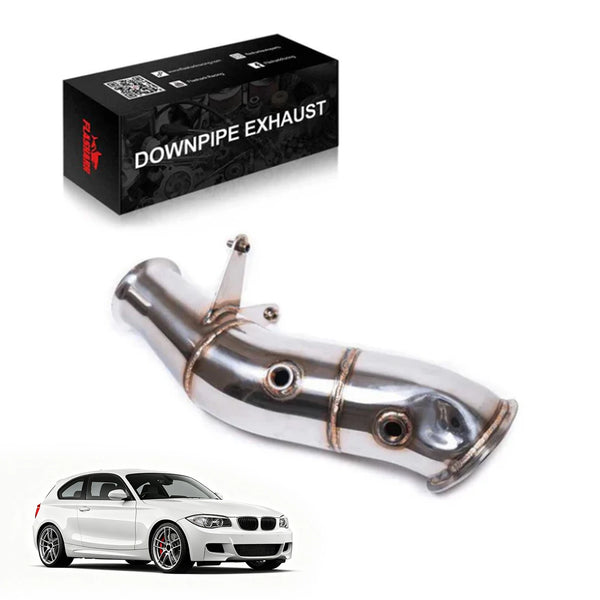
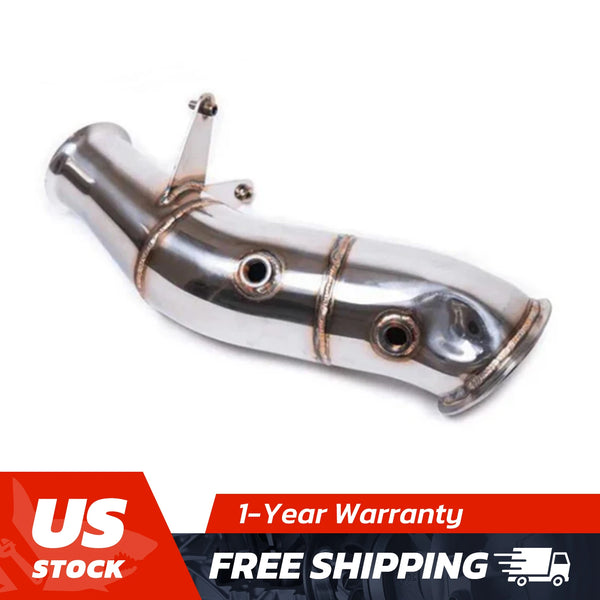
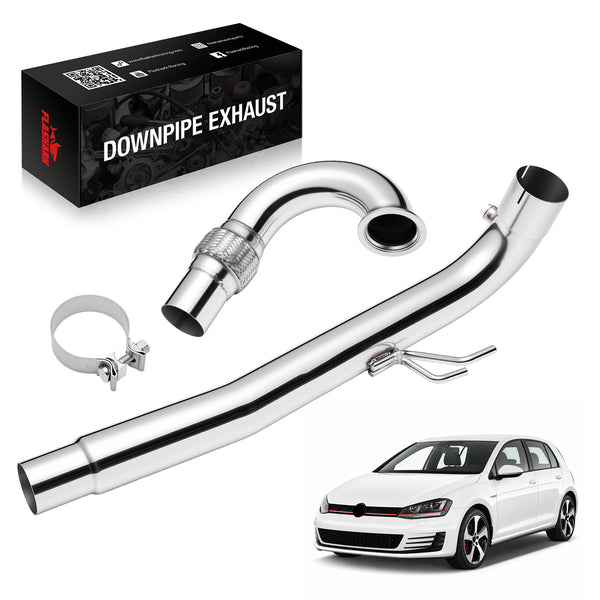



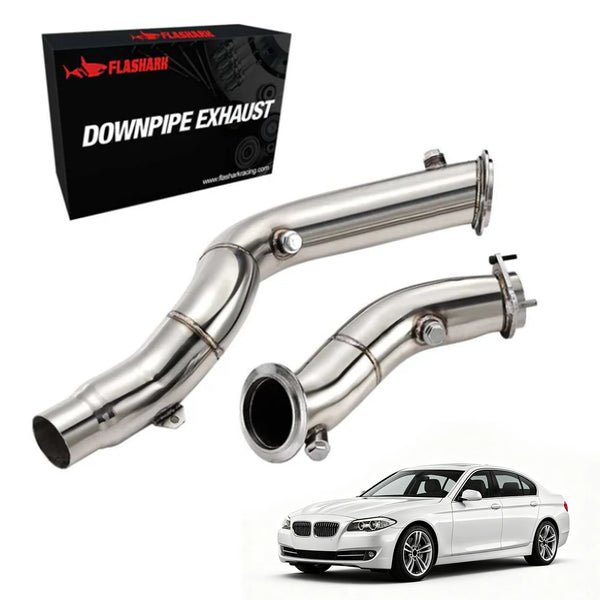
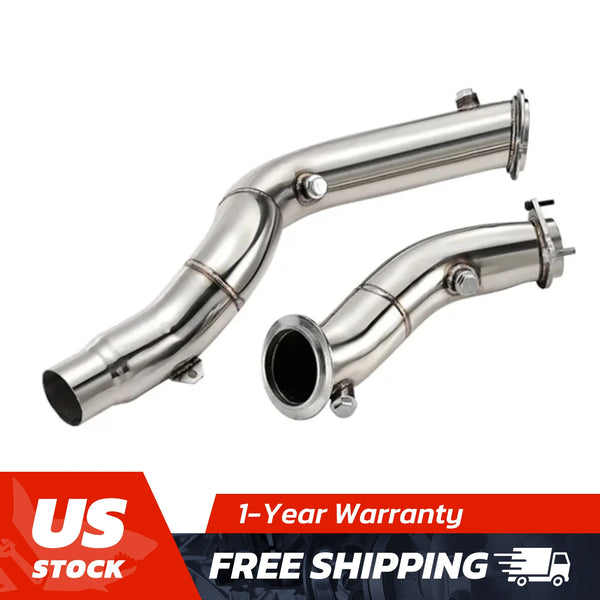
High-Performance Downpipes: Unlock Your Vehicle’s Full Potential
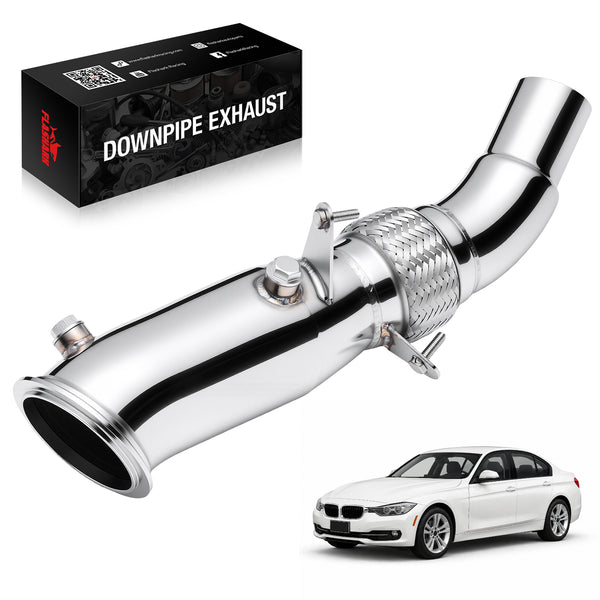
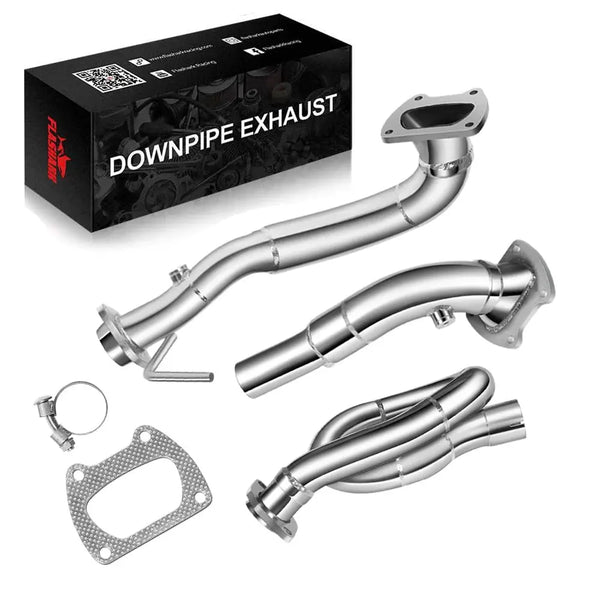
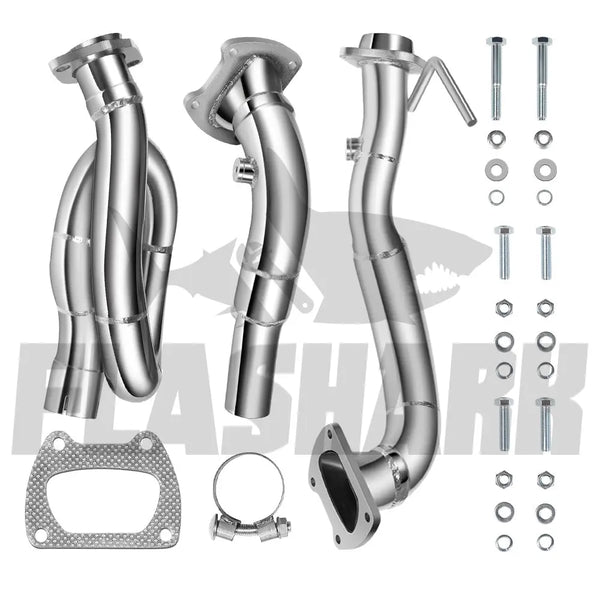
If you drive a turbocharged vehicle, the factory downpipe exhaust is often the biggest bottleneck in your entire system. The downpipe connects your turbocharger to the rest of the exhaust. Factory units are heavily restricted by dense catalytic converters and narrow piping, which chokes exhaust flow and slows down turbo spool.
Upgrading to a high-flow or catless downpipe allows those exhaust gases to escape faster. This reduces backpressure behind the turbine, resulting in significantly faster spool times, more aggressive turbo noises, and a massive foundation for making real horsepower. (Note: While this collection focuses primarily on turbo downpipes, we also include select test pipes for platforms where these performance categories overlap.)
What Does a Downpipe Upgrade Actually Do?
Bolting on a Flashark downpipe completely changes how your turbo reacts. Here is what you can expect:
- Faster Turbo Spool & Throttle Response: Less restriction means the turbo hits full boost much earlier in the RPM range.
- Massive Power Potential: A high-flow downpipe pipe diameter (usually 3.0" to 3.5") is mandatory if you plan on running Stage 2 ECU tunes or larger turbos.
- Raw, Aggressive Sound: You will finally hear the true sound of your turbo spooling, accompanied by a much deeper, throatier exhaust growl.
Want a deeper dive into the engineering? Read our guide: What is a Downpipe and What Does it Do?
Quick Specs: Quality You Can Trust
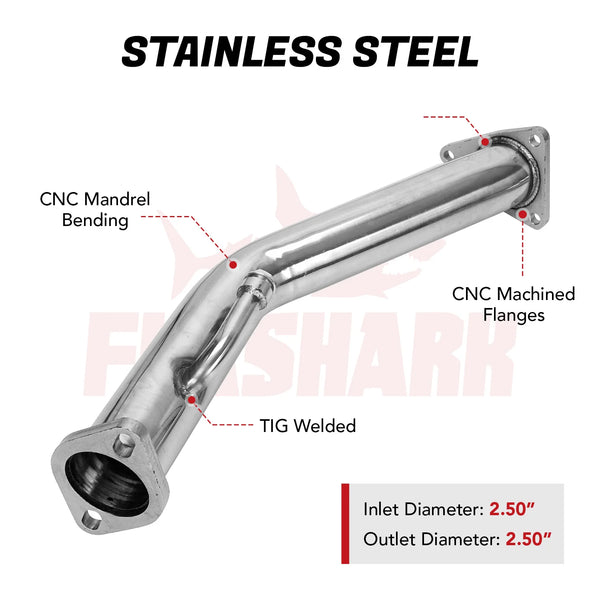
- Pipe Material: T-304 Stainless Steel (Rust & Corrosion Resistant)
- Pipe Diameter: 3.0" to 3.5" High-Flow Design
- Fitment Type: Direct Bolt-On / CNC Flanged
- Pipe Construction: Mandrel-Bent Tubing & TIG Welded
How to Choose the Right Downpipe?
Choosing the perfect downpipe pipe setup requires consideration of several factors:
- Material Quality: Look for premium stainless steel such as T-304 or T-316 for durability.
- Pipe Diameter & Flow: Larger diameter pipes reduce restrictions, improving turbo efficiency.
- Welding & Manufacturing: TIG-welded joints and CNC-flanged connections ensure strength.
- Installation: Direct bolt-on models save time and prevent unnecessary modifications.
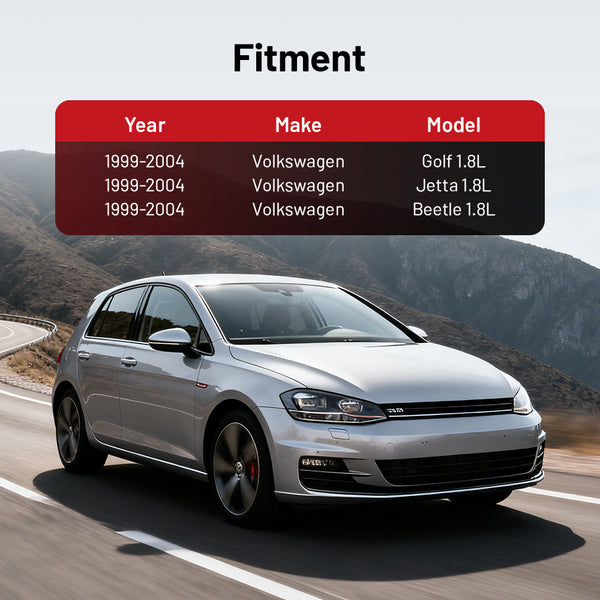
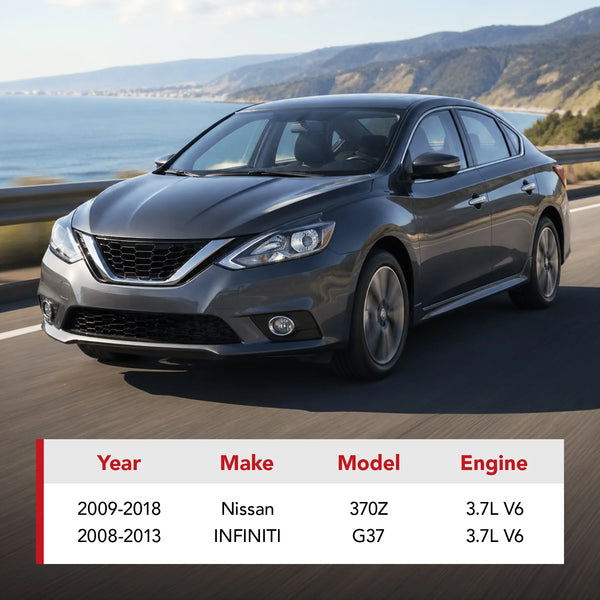
- Vehicle Compatibility: Always check your car’s make and model to ensure a seamless fit.
For drivers seeking the ultimate setup, test pipes can provide straight-through exhaust flow, delivering maximum power gains for track or high-performance builds.
Catted vs. Catless Downpipe: The Hard Truth
When choosing your setup, you need to decide between a high-flow catted version or going completely catless. Flashark specializes in catless downpipes for drivers who want zero compromises on the track.
⚠️ The Tuning Warning: A catless downpipe removes the catalytic converter entirely. This means maximum unrestricted flow and the loudest possible sound. However, because it alters emissions readings, installing one will trigger a Check Engine Light (CEL). To safely run a catless setup and prevent dangerous overboost conditions, a proper ECU tune (Stage 2) is strictly required. These are intended for Off-Road and Track Use Only.
What’s the Difference?
- Catted Downpipe: Retains a catalytic converter to help meet emissions standards. While it improves performance compared to stock, it still slightly restricts exhaust flow.
- Catless Downpipe: Removes the catalytic converter entirely, offering unrestricted exhaust flow for maximum performance.
Advantages of a Catless Downpipe
- Maximum Horsepower and Torque: With less restriction, your turbo spools faster and your engine delivers more power across the rev range.
- Improved Throttle Response: Reduced backpressure means quicker acceleration and more immediate engine response.
- Enhanced Exhaust Sound: Catless downpipes produce a deeper, more aggressive exhaust tone that reflects the vehicle’s full potential.
- Better Tuning Potential: Ideal for ECU remaps and turbo upgrades, a catless setup allows your engine to achieve optimal performance without limitation.
In short: Choosing a Flashark Catless Downpipe means you’re maximizing flow, power, and sound. For more details, visit What is a Catless Downpipe? A Comprehensive Guide
Why Choose Flashark Downpipe Exhaust
Flashark Downpipe Exhaust stands out for several reasons:
- Power & Torque Gains: Every downpipe is engineered to improve engine output, giving you measurable horsepower and torque improvements.
- High Flow Design: Large diameter and smooth bends reduce backpressure and allow your turbo to breathe freely.
- Premium Materials & Craftsmanship: Made from thick T-304 stainless steel, TIG-welded for strength, and CNC-flanged for maximum durability.
- Long-Lasting Durability: Reinforced flanges, chrome plating, and upgraded welding ensure your downpipe withstands heat and stress over time.
- Easy Installation: Many models are direct bolt-on, meaning you can install with no modifications.
- Compatibility: Pre-drilled O2 sensor bungs and a wide range of applications ensure a seamless fit with other performance upgrades.
Application Scenarios
Flashark downpipe exhaust works in a variety of performance scenarios:
- Street Performance Upgrades: Enhance everyday driving with improved throttle response, power, and sound.
- Track & Racing: Optimize turbo performance and exhaust flow for competitive environments.
- Turbo & ECU Tuning: Provides the foundation for tuning, ensuring your upgrades deliver maximum gains.
- Exhaust Sound Enhancement: For drivers looking for a more aggressive tone, catless options or select test pipes create a noticeable difference.
FAQ – Mechanic Answers to Downpipe Questions
Q1: How much horsepower will I actually gain from a downpipe?
A1: On a turbocharged engine, a downpipe exhaust upgrade is arguably the best bolt-on you can buy. With a matching Stage 2 tune, it is common to see gains of 20 to 30+ wheel horsepower and massive jumps in mid-range torque. Without a tune, gains are minimal and you risk running your engine too lean.
Q2: Is it hard to install a downpipe myself?
A2: While our systems are designed as direct bolt-on replacements, let's be honest—accessing the turbo flange bolts can be a knuckle-busting job. Those factory bolts go through extreme heat cycles and often seize. We highly recommend soaking the bolts in penetrating oil overnight before you start wrenching. If you don't have the right swivel sockets and extensions, having a professional shop install it is a smart move.
Q3: Will replacing the downpipe pipe make my car too loud?
A3: It will definitely get louder, especially if you go catless. You will hear a lot more turbo whistle and a raw, aggressive exhaust note. However, if you keep the rest of your factory exhaust (resonators and mufflers) intact, it usually remains very manageable for daily driving. It only gets insanely loud if you pair it with a straight-piped catback.
Q4: Do I have to get a tune if I install a catless downpipe?
A4: Yes, absolutely. Removing the factory catalytic converter drastically changes how the engine breathes. Without a tune, your ECU won't know how to fuel the car properly, you will get a permanent Check Engine Light (CEL), and you risk "boost creep" or overboosting, which can damage your turbo or engine.
Q5: What's the difference between these and test pipes?
A5: A downpipe typically bolts directly to the turbo housing on a forced-induction car. A test pipe is generally a straight piece of pipe designed to replace a catalytic converter, often found on naturally aspirated setups (like Nissan Z cars). Some of our listings bridge this gap depending on how the factory exhaust is routed.
Q6: Are Flashark downpipes street legal?
A6: Catless downpipes remove factory emissions control devices and are strictly sold for off-road, racing, or track use only. They will not pass emissions testing. High-flow catted versions may pass a sniffer test, but you must always check your local and state emissions laws (such as CARB regulations in California) before purchasing or installing any downpipes.
Q7: Will installing a catless downpipe make my car smell like gas?
A7: Yes. Without a catalytic converter to burn off unspent fuel, a catless downpipe will emit a noticeable raw exhaust smell. If you are idling in traffic, sitting at a drive-thru, or standing behind the car, you will smell it. If that is a dealbreaker for your daily commute, you might want to look into a high-flow catted version instead.
Q8: Can I just use an O2 sensor spacer instead of getting a tune?
A8: O2 spacers (also known as defoulers) can sometimes trick the rear oxygen sensor into not throwing a Check Engine Light when running certain downpipes. However, on modern turbo cars, the ECU is usually too smart for that trick. More importantly, a spacer won't correct your air/fuel ratios or prevent dangerous overboosting. A real ECU tune is the only safe way to run a downpipe exhaust upgrade.
Q9: Will an aftermarket downpipe reduce my turbo lag?
A9: Absolutely. Because the restrictive factory cats are gone, the exhaust gases exit the engine much faster. This allows the turbine to spool up significantly earlier in the RPM band. You will feel a much sharper throttle response and experience noticeably less lag when you step on the gas.
Q10: Should I use heat wrap on my new downpipe?
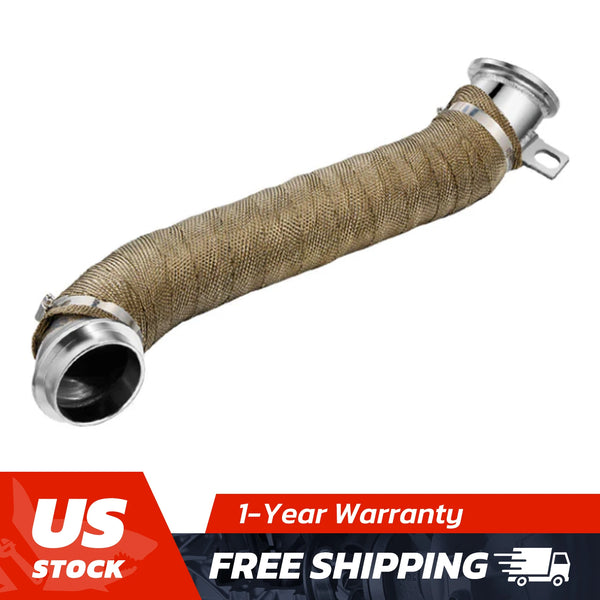
A10: It is highly recommended. The area right off the turbo generates massive, extreme heat. Wrapping your downpipe pipe with titanium exhaust wrap or having it ceramic coated keeps the heat trapped inside the exhaust (which actually maintains exhaust gas velocity) and drastically lowers your overall under-hood temperatures, protecting nearby plastic components and wires.
Q11: Do I need to upgrade the rest of my exhaust system at the same time?
A11: Not necessarily. You can bolt a performance downpipe directly to your factory catback system. This is actually a very popular "sleeper" setup because it keeps the car relatively quiet while cruising, but still unlocks the turbo performance. However, for absolute maximum flow, pairing it with a free-flowing catback is ideal.
Q12: Why is T-304 stainless steel so important for these parts?
A12: The downpipe exhaust section experiences the most violent thermal shock of any part on your car—literally glowing red hot under heavy track load and then rapidly cooling. Cheaper mild steel or lower-grade metals will crack at the welds or rust out. T-304 stainless handles these extreme heat cycles brilliantly and resists corrosion, even in harsh winter climates.
Q13: Should I reuse my factory turbo gaskets and hardware?
A13: As a mechanic, I always advise against this. Factory metal gaskets are crushed and seated to the old pipe. Reusing them with new downpipes is asking for a frustrating, ticking exhaust leak. Always use new, high-quality gaskets, and consider replacing the old turbo studs and nuts if they are heavily corroded.
Q14: Will this upgrade improve my gas mileage?
A14: In theory, reducing backpressure increases engine efficiency, which could yield slightly better highway MPG. But let's be realistic: once you hear that turbo spool and feel the extra torque from your new catless downpipe, your foot is going to be a lot heavier. Don't buy this modification if fuel economy is your main goal.
Q15: Does my transmission type (Automatic vs. Manual) affect fitment?
A15: On some platforms, yes. Automatic transmissions or AWD transfer cases can sometimes be bulkier than manual gearboxes, meaning the downpipe pipe routing has to be bent slightly differently to clear the bellhousing. Always double-check the specific fitment notes on our product pages to ensure it matches your exact drivetrain configuration.


