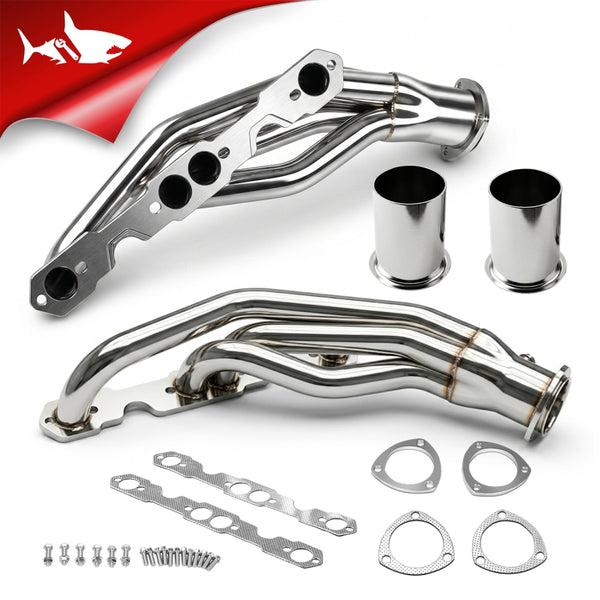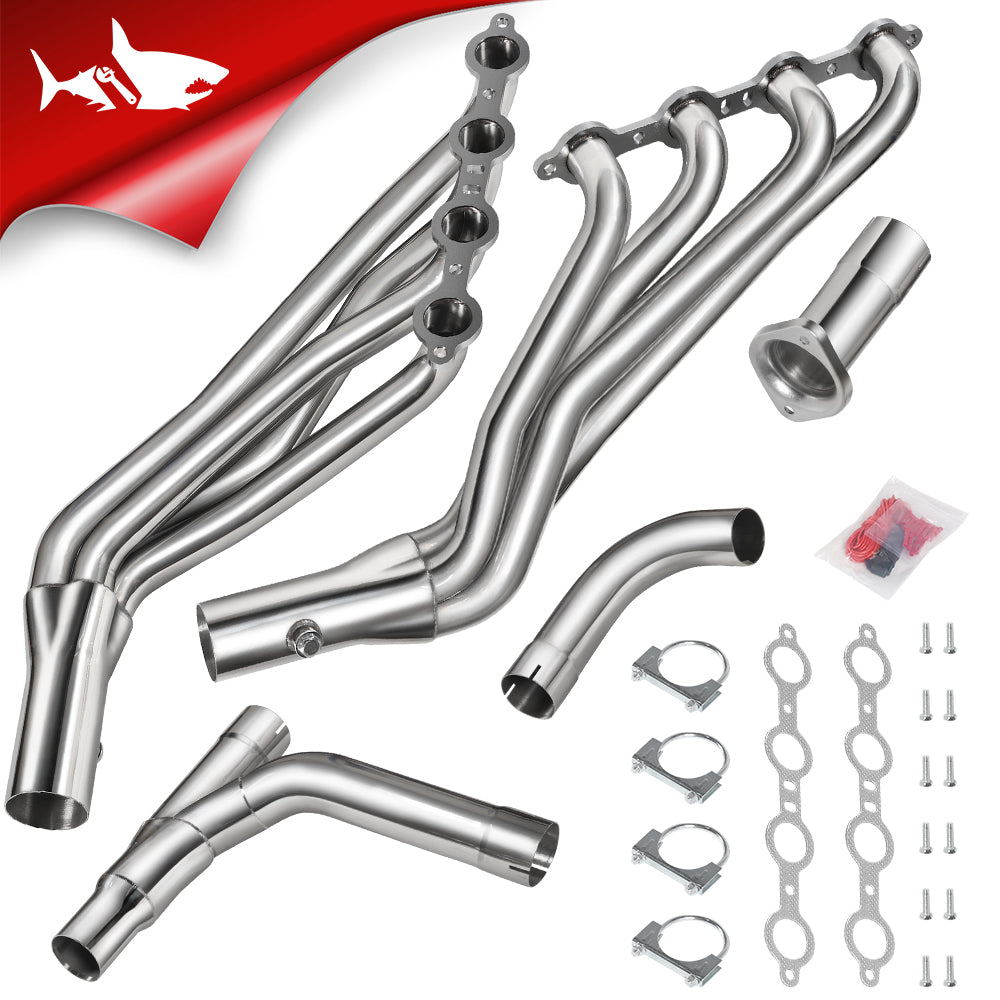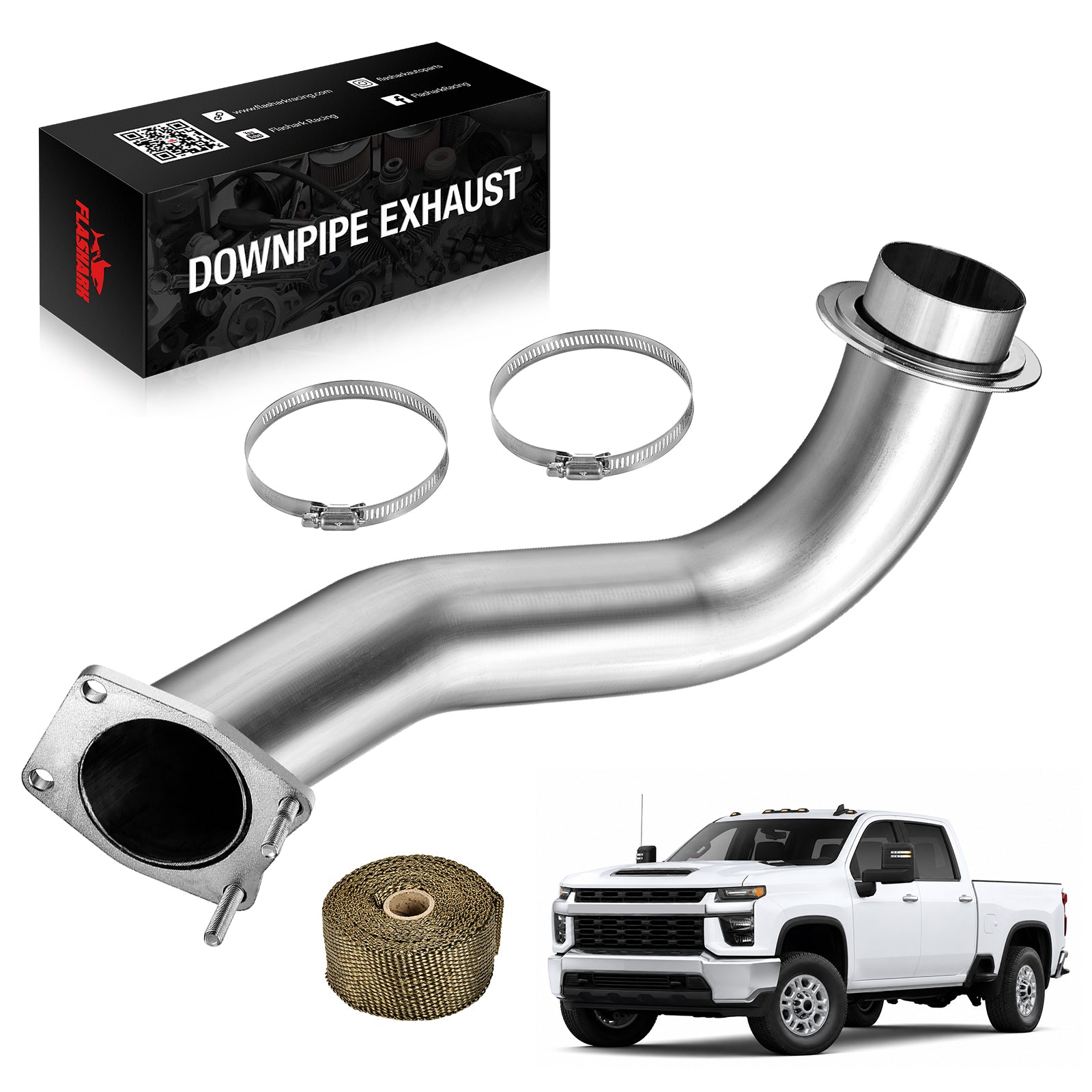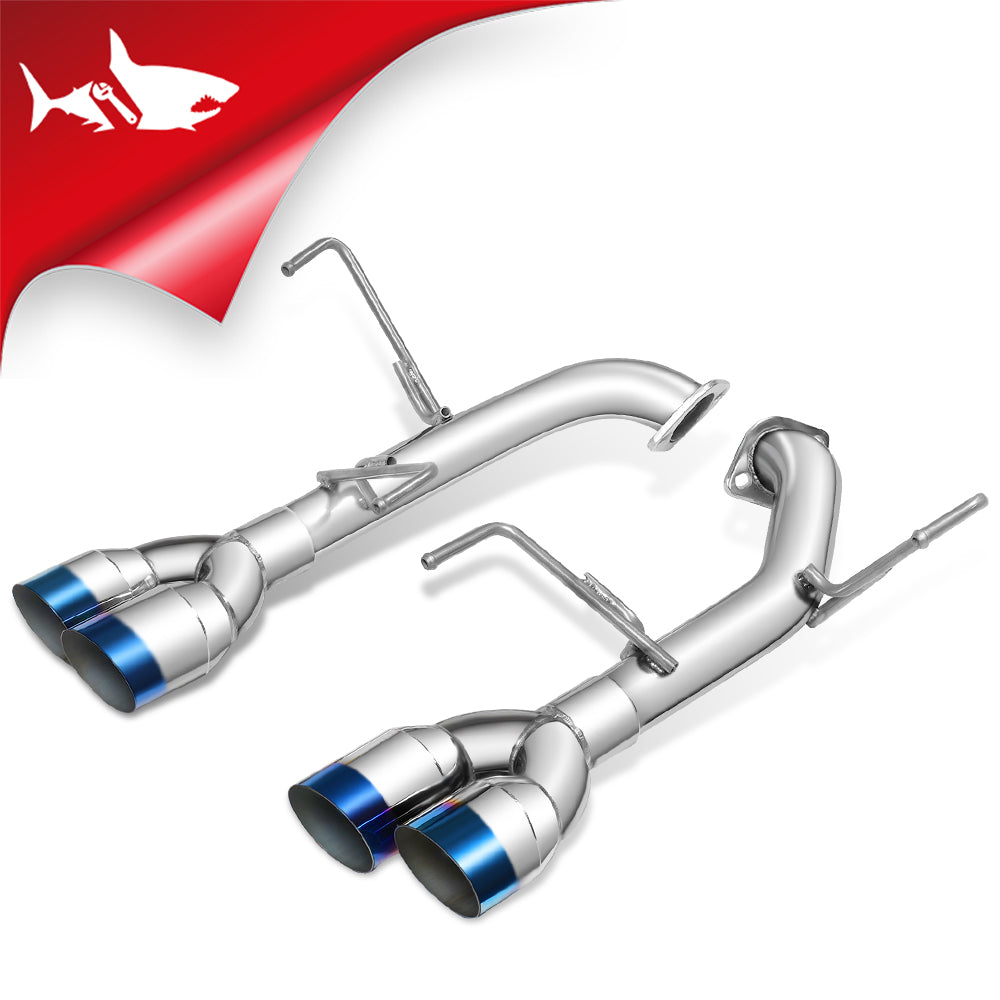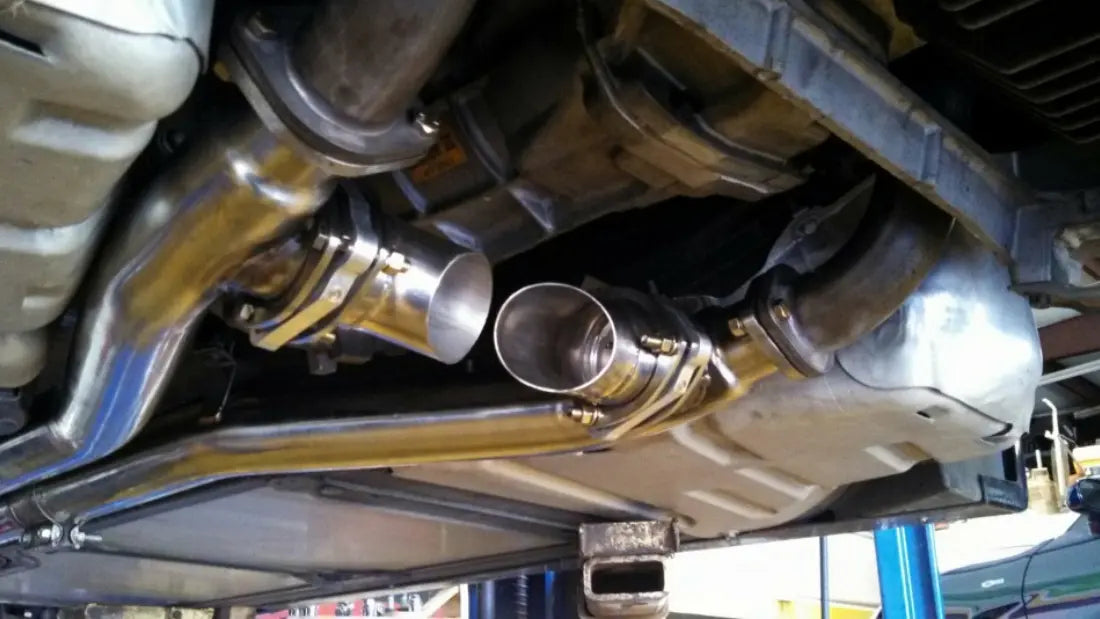
A 2.5 inch exhaust cutout lets you switch between the normal exhaust route and a shorter outlet when the valve opens. The clearest expected change is sound. Any power change depends on the complete vehicle setup and should be measured, not assumed.
- Measure the pipe where the cutout will be installed before selecting a 2.5 inch option.
- Compare valve control, available space, and the exact kit contents.
- Plan for heat, ground clearance, exhaust leaks, and local noise and emissions rules.

Why Exhaust Cutouts are Critical?
An exhaust cutout is an optional valve in an alternate exhaust branch. With the valve closed, exhaust normally continues through the downstream system, including the muffler. With it open, some exhaust can leave through the shorter branch. How much flow takes each path depends on the exhaust layout and valve design.

The open path often produces a louder, sharper note because it bypasses some downstream sound control. It does not automatically make the engine more efficient or guarantee a power gain. The installation point also matters: sensors, catalytic converters, heat-sensitive parts, and the direction of discharge need careful review.
Electric versions may use a cabin switch or remote control, depending on the selected kit. Browse the FLASHARK exhaust cutout collection to compare current options.

Two reasons drivers consider a cutout are the change in exhaust sound and the possibility of reducing a particular exhaust restriction. The second outcome is vehicle-specific.
- Sound control: compare the valve-open and valve-closed routes.
- Performance evaluation: use comparable testing if a power claim matters to your decision.
Maximize the Performance
Opening a cutout can bypass part of a restrictive downstream exhaust. Whether that changes torque or horsepower depends on the engine, exhaust diameter, mufflers, valve location, and operating range. A louder sound alone is not proof of added power.
If performance is the priority, compare the same vehicle under the same test conditions with the valve open and closed. Check that the cutout does not create an exhaust leak when closed.

Optimize the Sound
The audible difference is usually the main reason to install a cutout. Valve open may give a louder, less muffled tone; valve closed keeps the normal downstream exhaust route. The exact result varies by vehicle and where the cutout sits.
Consider cabin drone, nearby occupants, and local noise limits before choosing where and when to open the valve.

Significance of FLASHARK 2.5 Inch Exhaust Cutout
FLASHARK lists electric cutout options, but the details depend on the product and variant selected. Compare the manual-switch cutout options and the remote-control cutout options; confirm that the chosen option is actually 2.5 inches before ordering. The product handle alone does not identify every available variant.
| Check | What to compare | Decision point |
|---|---|---|
| Pipe size | 2.5 inch cutout option | Measure pipe outside diameter at the installation point and confirm the kit connection size. |
| Layout | Single or dual exhaust | Count the paths you want to control; verify space and parts for each side. |
| Control | Electric switch or remote option | Check the exact selected variant, controller, power needs, and wiring route. |
| Installation | Y-pipe or adapter and valve | Check clearance, heat, sealing, discharge direction, and whether welding is required. |
| Road use | Noise and emissions requirements | Check current local rules and keep emissions equipment intact. |

Brief Wrap-Up
A 2.5 inch cutout can provide a switchable exhaust sound when the pipe size and installation layout match. Before buying, confirm the exact variant, installation method, wiring needs, and local use requirements. Treat horsepower claims as something to test on your own vehicle, not a fixed kit specification.
Frequently Asked Questions
Q1. What does a 2.5 inch exhaust cutout do?
A1. It opens an alternate exhaust path, often ahead of the muffler, so more exhaust exits through the cutout when the valve is open. The exact sound depends on the vehicle and installation.
Q2. Is 2.5 inches the right cutout size for my vehicle?
A2. Measure the outside diameter of the exhaust pipe at the planned installation point and check the selected kit’s connection dimensions. Do not choose solely from the vehicle model or engine size.
Q3. Will an exhaust cutout add horsepower?
A3. A change in output is possible on some combinations, but there is no universal horsepower gain. Exhaust layout, engine setup, valve location, and testing conditions all matter.
Q4. How much louder will the exhaust be with the valve open?
A4. It can be substantially louder because the exhaust bypasses some downstream sound control. The result depends on the engine, pipe layout, valve position, and the remaining exhaust components.
Q5. Can I drive with the cutout closed?
A5. A properly installed, fully closed valve should route exhaust through the normal downstream path. Confirm the selected kit’s design and inspect the installation for leaks.
Q6. Does a 2.5 inch cutout require welding?
A6. Many installations use a welded Y-pipe or adapter, but the method depends on the chosen kit and vehicle layout. Check the kit instructions and have a qualified exhaust shop assess the location.
Q7. Where should an exhaust cutout be installed?
A7. The location depends on available space, heat exposure, ground clearance, wiring access, and the position of emissions equipment. Do not place it where discharge can damage the vehicle or expose occupants to fumes.
Q8. Will an electric exhaust cutout cause a check engine light?
A8. A cutout itself does not guarantee a particular warning-light outcome. Placement relative to sensors and emissions equipment, exhaust leaks, and vehicle monitoring strategy can affect the result.
Q9. Is an exhaust cutout legal on public roads?
A9. Rules vary by location and by how the system is installed or used. Check current local noise and emissions requirements before purchase or use on public roads.
Q10. What should I check before buying a FLASHARK cutout kit?
A10. Confirm the pipe diameter, single or dual layout, valve and controller type, installation space, included components, wiring route, and current product specifications for the exact option selected.

Steven Chen
Automotive Performance Specialist | Engine & Exhaust Systems
Steven focuses on practical engine performance, exhaust fitment, and real-world upgrade paths for classic and modern enthusiast vehicles. He reviews small-block Ford, LS, truck, and street/strip applications with one goal in mind: helping builders choose parts that actually work together. His philosophy: "Good power starts with the right combination, not the biggest part."