If your Duramax displays a “Clean Exhaust Filter” message, the diesel particulate filter (DPF) may need a regeneration cycle. Follow the instructions in the owner’s manual for your exact model year. If the message persists, a warning escalates, or the truck loses power, have a qualified diesel technician diagnose the system. An EGR delete kit does not clean a DPF.
- Confirm the exact warning and check for other messages or diagnostic trouble codes.
- Use only the vehicle-specific regeneration procedure in the owner’s manual.
- Persistent warnings need diagnosis of the DPF and related sensors or engine faults.
- Do not bypass or remove emissions equipment as a cleaning method.
What Does “Clean Exhaust Filter” Mean on a Duramax?
The message generally relates to soot loading in the DPF. Regeneration raises exhaust temperature to burn accumulated soot. Ash does not burn away in normal regeneration, so a filter with significant ash accumulation may need professional service or replacement. The exact message, required driving conditions, and escalation steps vary by truck and model year.
How to Respond to the Warning
- Read the full instrument-cluster message and consult the owner’s manual for your model year and engine.
- If the manual calls for a driving regeneration, follow its specified conditions only where it is safe and legal to do so. Keep the exhaust away from dry grass or other combustible material; regeneration can create very high exhaust temperatures.
- If a “service” message appears, the warning does not clear, or the truck enters reduced-power operation, arrange professional diagnosis. Do not repeatedly attempt regeneration against the manual’s instructions.
- Ask the technician to check diagnostic codes, soot and ash estimates, exhaust pressure and temperature sensor readings, leaks, and any engine condition producing excess soot before deciding whether the DPF needs service.
Regeneration, Professional Cleaning, or Repair?
| Situation | Likely next step | Check first |
|---|---|---|
| Initial clean-filter message, truck operates normally | Follow the model-year owner’s manual | Exact warning and safe driving conditions |
| Message persists or returns frequently | Diagnose the cause before further regeneration | Codes, sensors, leaks, soot-producing faults |
| High ash load or damaged filter confirmed | Professional cleaning or replacement as specified | Filter condition and manufacturer guidance |
2008 Duramax Exhaust Filter: What Changes?
Owners searching for a 2008 Duramax exhaust-filter cleaning procedure should use the instructions for their specific truck, rather than a generic LML or L5P guide. Record the exact dashboard wording and any diagnostic codes before a repair visit. A warning alone cannot identify whether the issue is a routine regeneration request, a sensor fault, or a filter requiring service.
DPF and EGR Are Different Systems
The DPF traps particulate matter in the exhaust. Exhaust gas recirculation (EGR) routes some exhaust back through the engine to help control emissions. An EGR valve or cooler fault can require diagnosis, but cleaning or replacing an EGR component does not directly clean the DPF. If both systems have faults, diagnose each separately.

LBZ EGR System: Troubleshooting Tips
For an LBZ truck with an EGR-related complaint, confirm the engine and fault codes before servicing parts. A sticking EGR valve, related control fault, or cooler issue calls for diagnosis; symptoms alone do not identify the failed component. The existing Duramax EGR collection is product context, not a DPF cleaning procedure.
Duramax EGR Cooler: Symptoms to Investigate
Coolant loss, unusual exhaust vapor, overheating, or EGR-related codes can justify checking the cooler and other cooling-system components. These symptoms are not proof of a failed cooler. Have the cause confirmed before replacing parts.
L5P EGR Delete Kit: What You Need to Know
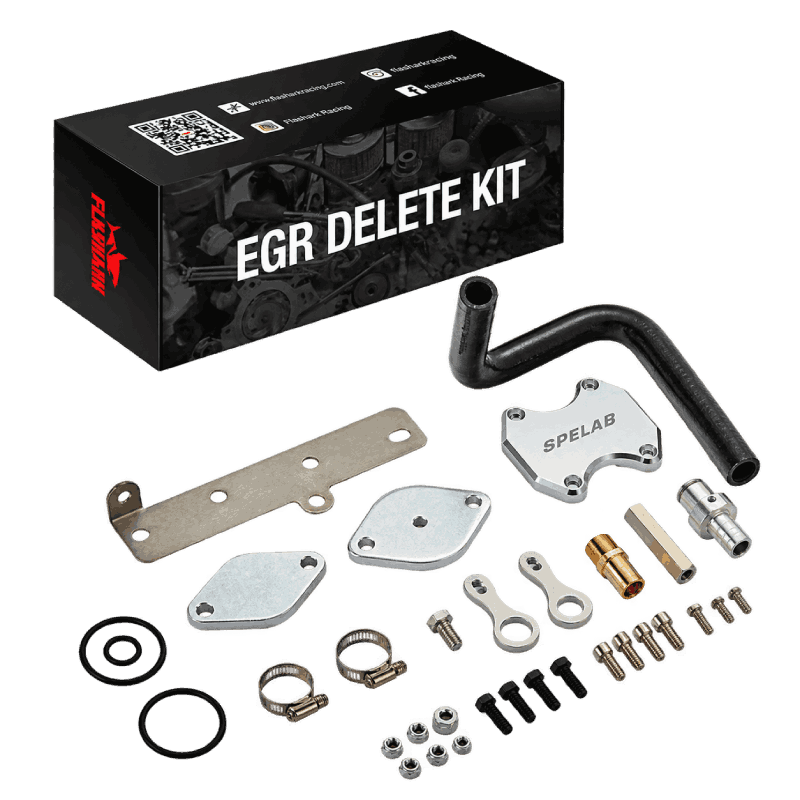
L5P and LML are different Duramax engine generations. A part labeled for one cannot be assumed to fit the other. An EGR delete kit addresses emissions equipment rather than cleaning a DPF. The original article’s power and fuel-economy claims are not supported by vehicle-specific tests. For a road-use vehicle in the United States, removing or disabling emissions controls can violate federal law; consult applicable requirements before considering any modification.
2017 L5P Delete Kit: Pros and Cons
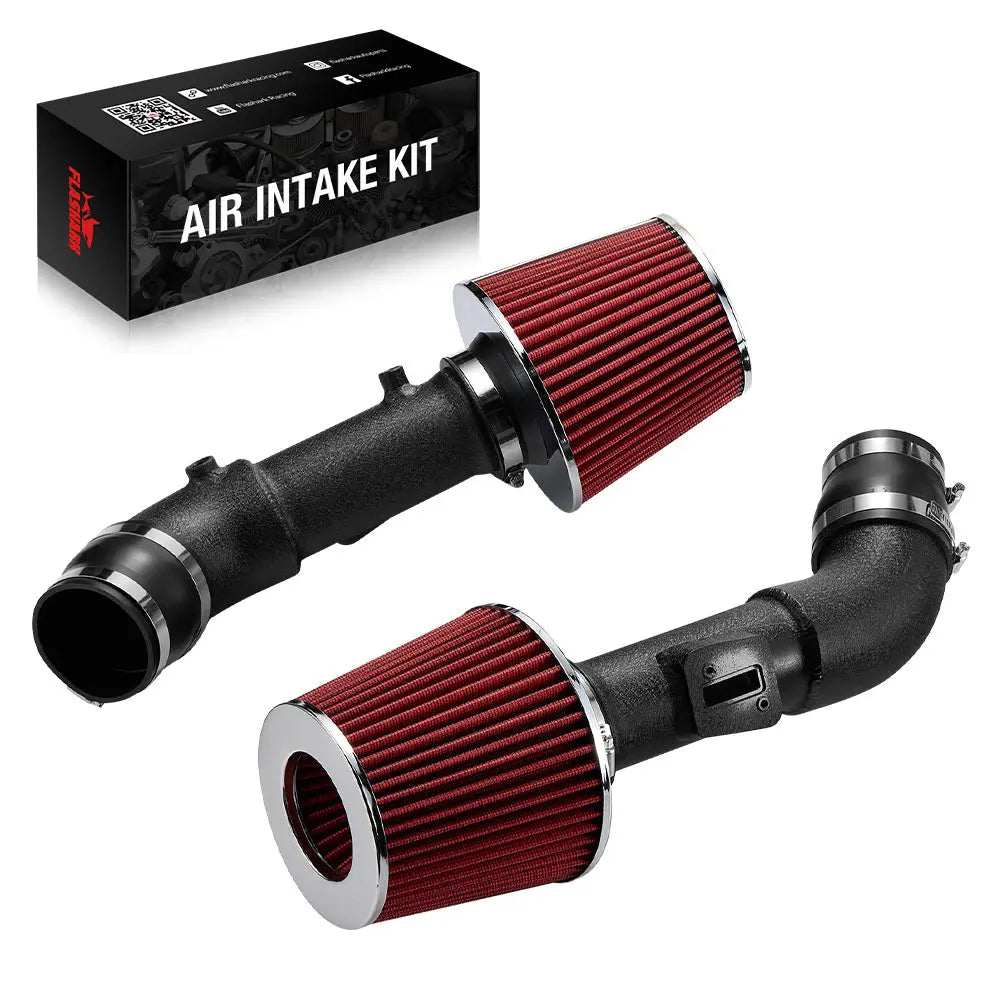
For a 2017 L5P, first identify the actual maintenance problem. A clean-filter warning calls for the correct diagnostic and service path, not a delete kit. Any proposed modification also needs confirmed vehicle fitment and a separate legal review. The DPF pipe collection and EGR kit collection are distinct product categories; neither is a cleaning service.
2007 Chevy Duramax LBZ: Common Problems
Hard starting, stalling, or injector concerns in an LBZ require their own fuel-system diagnosis. Do not assume a fuel-pressure or injector fault explains a DPF warning on a different Duramax generation. Confirm the engine and emissions configuration before applying advice from another model year.

Frequently Asked Questions
Q1. Does an EGR delete kit clean a Duramax exhaust filter?
A1. No. The EGR system and diesel particulate filter serve different functions. A delete kit is not a DPF cleaning method.
Q2. Can I keep driving when “Clean Exhaust Filter” appears?
A2. Check the owner’s manual for your exact model year and follow its instructions. Stop and seek service if the warning escalates, the truck loses power, or the manual directs you to do so.
Q3. What is DPF regeneration?
A3. Regeneration raises exhaust temperature to burn soot collected in the filter. It does not remove accumulated ash.
Q4. Does highway driving always clear the message?
A4. No. The required conditions vary by vehicle, and a fault or high ash load may prevent the warning from clearing.
Q5. How do I clean the exhaust filter on a 2008 Duramax?
A5. Start with the 2008 truck’s owner’s manual and the exact dashboard message. If the prescribed regeneration does not resolve it, have the system diagnosed before cleaning or replacing parts.
Q6. Can I pressure-wash the DPF at home?
A6. Do not use an improvised cleaning method. A technician can determine whether the filter is suitable for a manufacturer-approved professional service or needs replacement.
Q7. What if the clean-filter message returns often?
A7. Repeated warnings warrant diagnosis of codes, sensors, leaks, regeneration history, and engine conditions that may produce excess soot.
Q8. Is an EGR cooler problem the same as a DPF problem?
A8. No. The cooler and filter are separate components. A technician should confirm which system has a fault.
Q9. Are LML and L5P parts interchangeable?
A9. Do not assume so. Verify the truck’s model year, engine, emissions configuration, and the specific part’s fitment information.
Q10. Is bypassing the exhaust filter a cleaning option?
A10. No. Bypassing or disabling emissions controls is not cleaning, and it can violate U.S. federal law on road-use vehicles.
Conclusion
Use the owner’s manual to respond to a clean-filter warning, then seek diagnosis if it persists. Keep DPF maintenance, EGR faults, and product fitment as separate decisions. For technical background, see the EPA’s DPF maintenance bulletin and EPA’s emissions-control guidance.