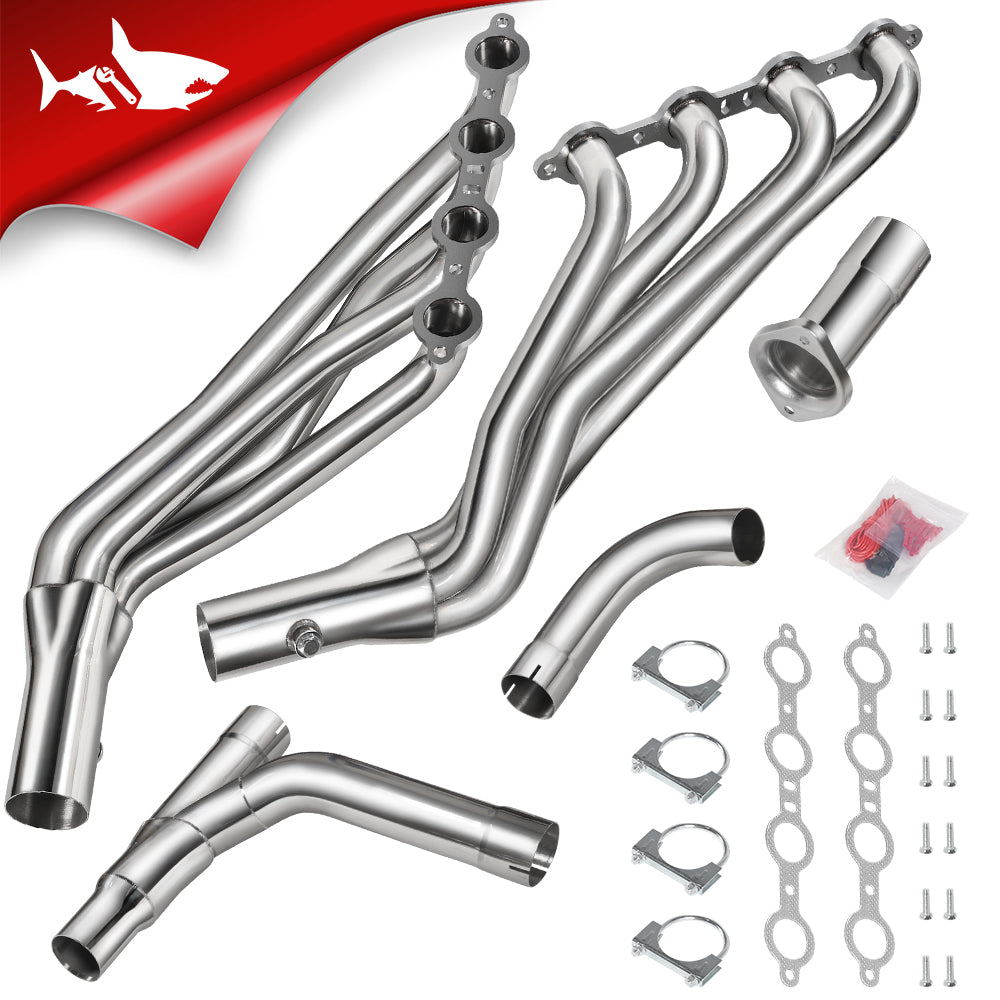
A Nissan exhaust header can change exhaust flow and sound, and may affect power delivery when it suits the engine and the rest of the exhaust system. Results vary by vehicle and setup. Before buying, confirm the exact engine, model year, exhaust connections, emissions equipment and local requirements.
- Header design can influence exhaust gas flow, but a power gain is never guaranteed.
- Sound, weight and throttle feel depend on the complete vehicle setup.
- A 370Z, Infiniti G37, G35 and Nissan Hardbody should be checked as separate applications.
Explore the Nissan exhaust header collection after checking the listing for your exact vehicle. For a broader overview, see the exhaust header collection.

How Exhaust Headers Improve Engine Airflow
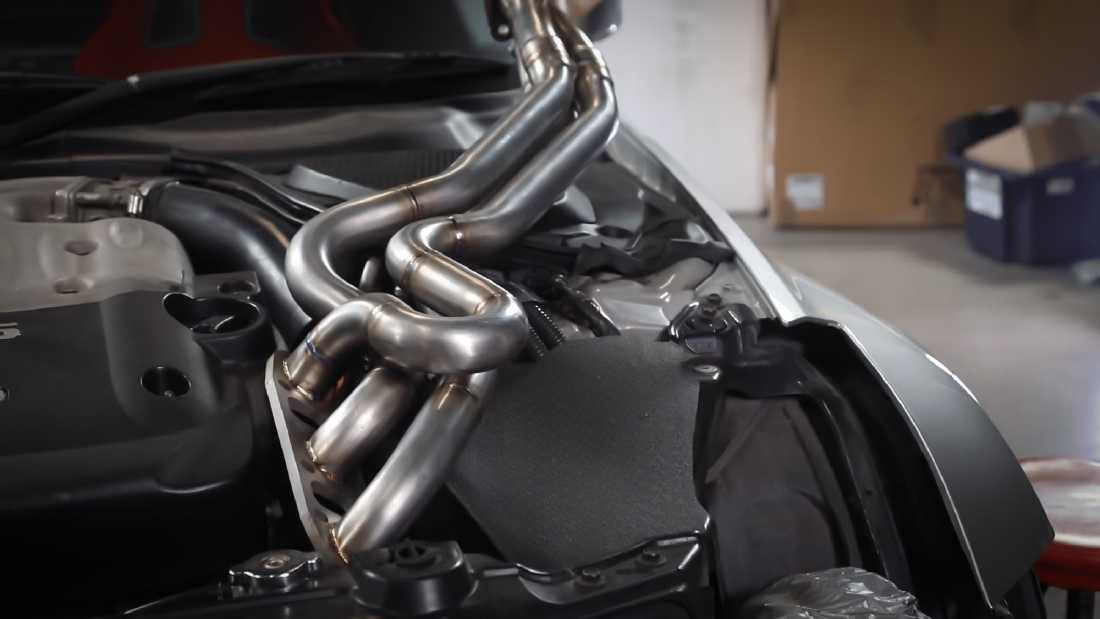
A header routes exhaust gases from the cylinder head toward the rest of the exhaust system. Tube length, diameter, bends and collector design can affect pressure waves and flow at different engine speeds. Factory manifolds serve multiple goals, including packaging, durability, noise and emissions. An aftermarket design is therefore a tradeoff rather than an automatic upgrade for every Nissan.
“Equal length” describes some header designs, but not all. A suitable header must also connect to the vehicle's downstream exhaust and retain the required sensor and emissions arrangement. If you are considering headers listed for certain 370Z and G37 applications, verify the product page's engine, year, drivetrain and connection details before ordering.
Increased Horsepower and Torque
A well-matched header may alter the torque curve by changing how exhaust pulses leave the engine. The direction and size of any change depend on the baseline manifold, engine, exhaust system and calibration. Ask for test results on a comparable vehicle if a specific horsepower claim matters to your decision.
Improved Throttle Response
Some drivers notice a different response after exhaust changes, but perceived response can also be influenced by sound, gearing and throttle calibration. A header should not be used as the first diagnosis for hesitation, misfires or poor acceleration. Check the vehicle's condition before attributing those symptoms to exhaust restriction.

Reduced Vehicle Weight
Weight can differ between a stock manifold and an aftermarket header, but it depends on the actual parts, material and hardware. Stainless steel and titanium are possible base materials; ceramic coating is a surface treatment. Compare verified part weights before expecting a meaningful vehicle-level effect.
Enhanced Sound
A header can change exhaust tone, especially with other exhaust modifications. The final volume and character depend on the catalytic converters, resonators, mufflers and pipe layout. Check local noise rules and listen to a comparable full-system setup when possible.
Fuel Efficiency
A header alone does not guarantee better fuel economy or lower emissions. Driving conditions, engine calibration and the complete exhaust system have a much larger effect on real-world results. Keep required emissions equipment intact and assess any fuel-economy claim against controlled, vehicle-specific testing.
Choosing the Right Exhaust Header
Start with the vehicle rather than a generic “Nissan” label. The 370Z, Infiniti G37, G35 and Nissan Hardbody span different platforms and engines. A part that fits one should never be assumed to fit another.
| Check | Why it matters | What to verify |
|---|---|---|
| Vehicle and engine | Flanges and clearance vary | Exact model, year, engine and drivetrain |
| Header design | Tube layout changes fit and power characteristics | Short or long tube layout, dimensions and intended use |
| Connections | The header must mate to the rest of the exhaust | Outlet, gaskets, fasteners and downstream pipes |
| Sensors and emissions | Placement and legal use differ by application | Oxygen sensor ports, converters and applicable approvals |
| Material and finish | Durability and heat management vary | Base metal, welds and any coating |
Technician tip: Compare the manufacturer's fitment details with the vehicle's VIN, engine code and existing exhaust layout. Inspect nearby wiring, steering and heat-sensitive parts for clearance before installation.
Warning: Do not assume a header is street legal or will avoid a check-engine light. Emissions rules and required equipment vary by location and vehicle. Confirm the applicable rules and product documentation before changing the exhaust.

Final Thought
The useful question is whether a specific header fits your Nissan or Infiniti and supports your goals. Compare the design, connections, sensors and emissions requirements before buying. If you are shopping for a G35, G37, 370Z or Hardbody, use the exact vehicle details rather than assuming these applications share a header.
Frequently Asked Questions
Q1. What does a Nissan exhaust header do?
A1. It carries exhaust gases from the engine's cylinder head toward the rest of the exhaust system. Its tube and collector design can influence flow and exhaust pulse behavior.
Q2. Will a header add horsepower to every Nissan?
A2. No. Any change depends on the engine, original manifold, header design, exhaust system and calibration. Look for testing on a comparable vehicle before relying on a power claim.
Q3. Are G35 and G37 headers interchangeable?
A3. Do not assume so. Check the exact model year, engine, chassis, flange and downstream exhaust connection against the product's fitment information.
Q4. Will a 370Z header fit a Nissan Hardbody?
A4. Do not assume it will. These are different vehicle applications; verify the engine and mounting and exhaust interfaces for each product.
Q5. Are long tube headers always better than short tube headers?
A5. No. Their behavior and installation requirements differ by engine and exhaust layout. Choose based on the intended use, verified fit and applicable emissions requirements.
Q6. Will a header make the exhaust louder?
A6. It may change tone or volume, but the catalytic converters, resonators, mufflers and other exhaust parts also determine the result.
Q7. Does a header improve fuel economy?
A7. It does not guarantee an MPG improvement. Driving conditions, engine calibration and the complete vehicle setup affect fuel use.
Q8. Do I need a tune after installing a header?
A8. That depends on the vehicle, header and other modifications. Check the product documentation and consult a qualified tuner when the setup changes sensor behavior or calibration needs.
Q9. Can a header cause a check-engine light?
A9. It can if exhaust leaks, sensor changes or emissions equipment changes affect the vehicle's monitoring system. Diagnose the cause rather than assuming a particular outcome.
Q10. How do I check whether a header is street legal?
A10. Check the rules that apply to your location and vehicle, the product's documentation and any required emissions approval. Do not infer legality from fitment alone.