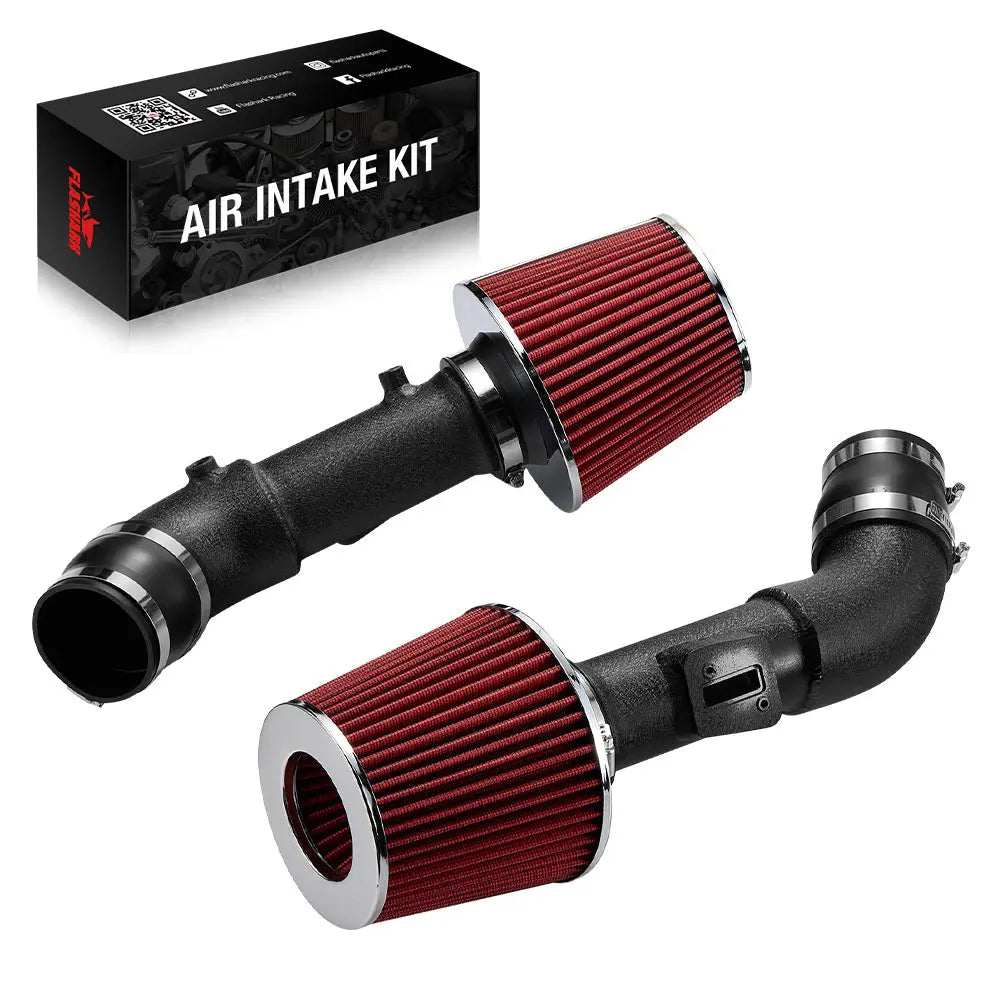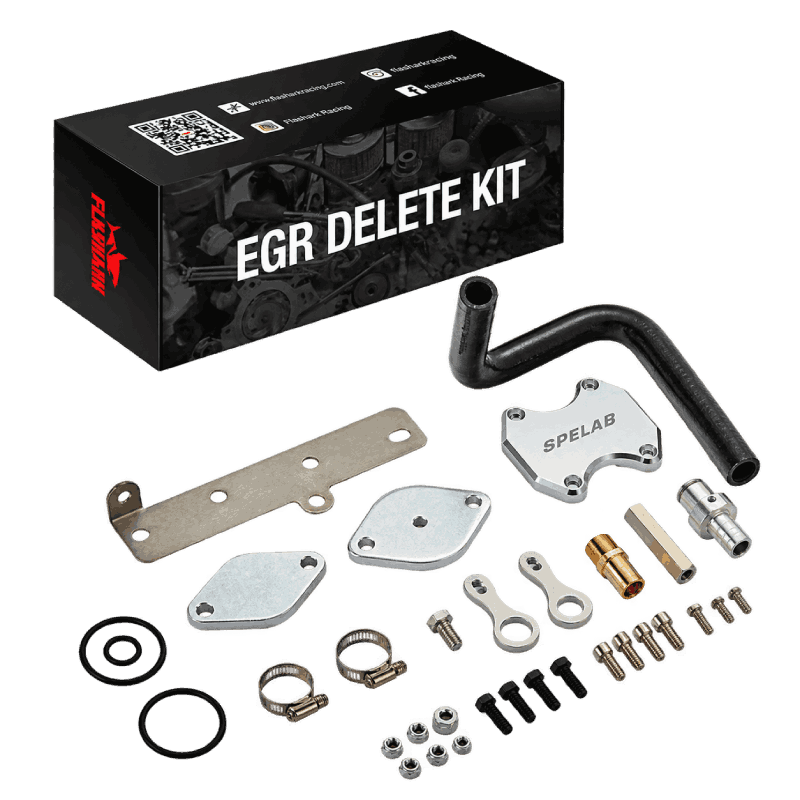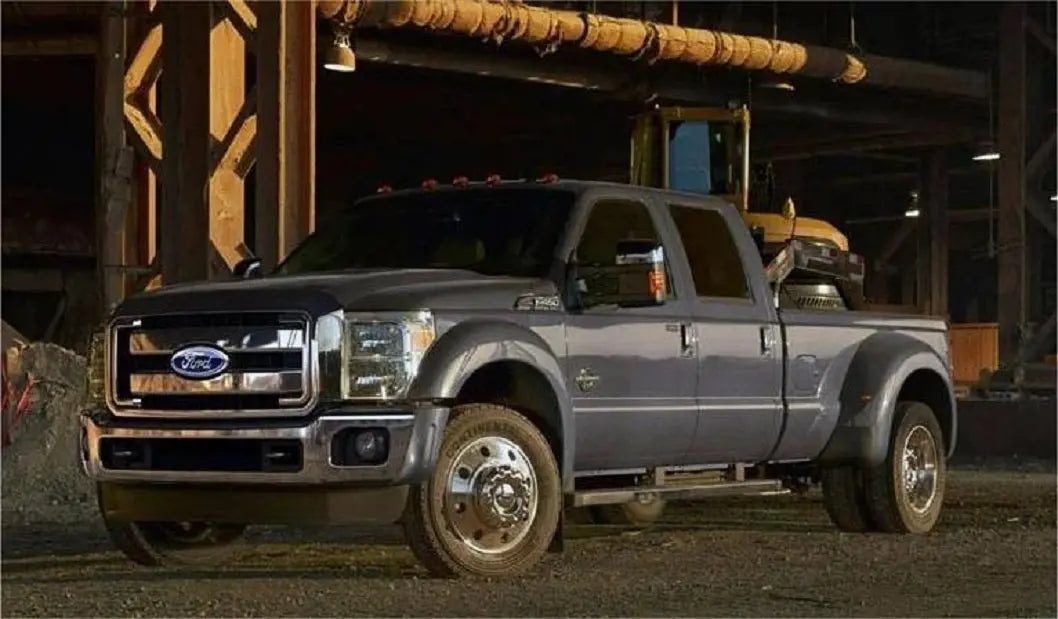
An EGR delete disables or removes the exhaust gas recirculation system on a 6.7L Power Stroke. EGR normally routes a controlled portion of exhaust gas back into the intake to reduce engine-out nitrogen oxides (NOx). Disabling it changes the emissions configuration; it does not automatically improve fuel economy, power, engine life, or operating temperature. For a street-driven truck in the United States, removing or disabling emissions controls raises federal tampering concerns. If your truck has an EGR-related fault, diagnose and repair the system before considering any change.
- EGR and the diesel particulate filter (DPF) have different jobs.
- Deposits or cooler faults call for diagnosis; they do not prove that deleting EGR is beneficial.
- Results depend on the truck, calibration, condition, and use. There is no reliable universal MPG or horsepower gain.
- Check emissions requirements and the exact vehicle configuration before buying parts.
What Is an EGR Delete?
EGR means exhaust gas recirculation. The system meters some exhaust into the intake under specified conditions. That dilution helps control combustion temperatures and reduce NOx formation. An “EGR delete” is a modification intended to stop that function. It is different from cleaning a valve, fixing a leak, replacing a cooler, or restoring the factory system.
The term is also used loosely in product listings. A kit name alone does not establish what parts are included, what a particular model year needs, whether warning lights will appear, or whether a configuration is lawful. Consult the truck’s service information and the exact product documentation for those questions.
What Is a DPF Delete, and How Is It Different?
A DPF is a diesel particulate filter in the exhaust aftertreatment system. Its role is to capture particulate matter. The filter can regenerate to burn off accumulated soot, while noncombustible ash requires service over time. A DPF delete removes or bypasses that filter. It is not the same modification as an EGR delete, and neither is a routine substitute for diagnosing a fault.
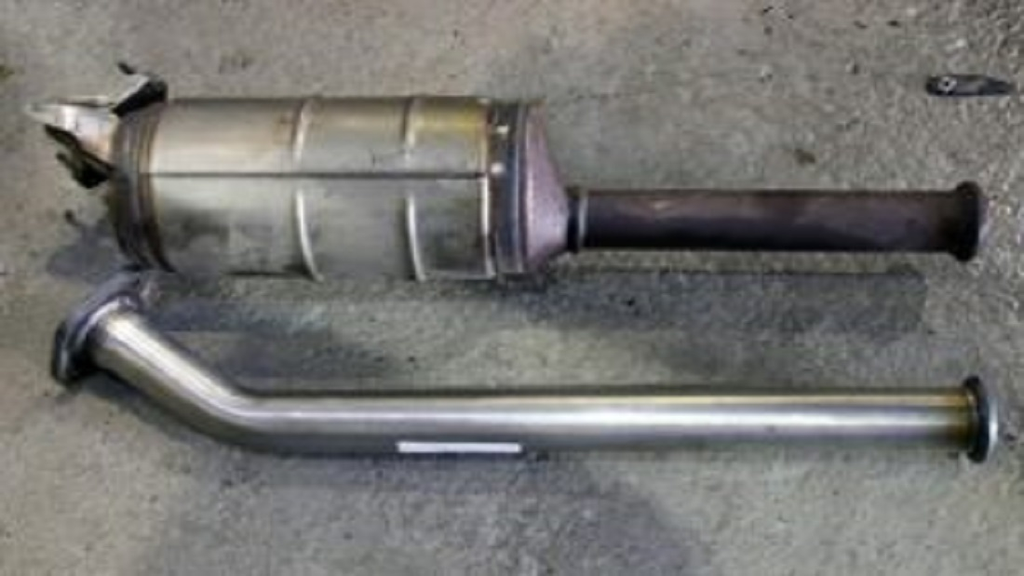
For background on the parts often grouped under “diesel delete,” see the DPF and CAT pipe collection. A collection listing is not proof of road-use legality or fitment for a specific truck.
| System or action | Main job or effect | Practical check |
|---|---|---|
| Factory EGR | Controls engine-out NOx by recirculating a measured amount of exhaust. | Inspect codes, valve operation, cooler condition, and related plumbing. |
| Factory DPF | Captures exhaust particulate matter and manages soot through regeneration. | Check restriction, regeneration history, sensors, and ash service needs. |
| EGR delete | Disables an emissions-control function; effects vary by configuration. | Verify legal status, exact fitment, and vehicle-specific consequences before any purchase. |
| DPF delete | Removes or bypasses a particulate-control device. | Do not confuse it with an EGR repair or a DPF maintenance procedure. |
Potential Benefits and Tradeoffs on a 6.7 Power Stroke
Deposits and maintenance
Because EGR carries exhaust back toward the intake, deposits can contribute to service issues in some operating conditions. That possibility is a reason to inspect and maintain the system, not evidence that deletion extends engine life. A fault can also come from the cooler, sensors, plumbing, or another system; the repair depends on the diagnosis.
Fuel mileage and performance
No fixed MPG or horsepower gain applies to every 6.7L Power Stroke. Driving cycle, load, tire size, calibration, maintenance condition, and measurement method can change the result. Compare repeatable measurements on the same truck before attributing any difference to one component.
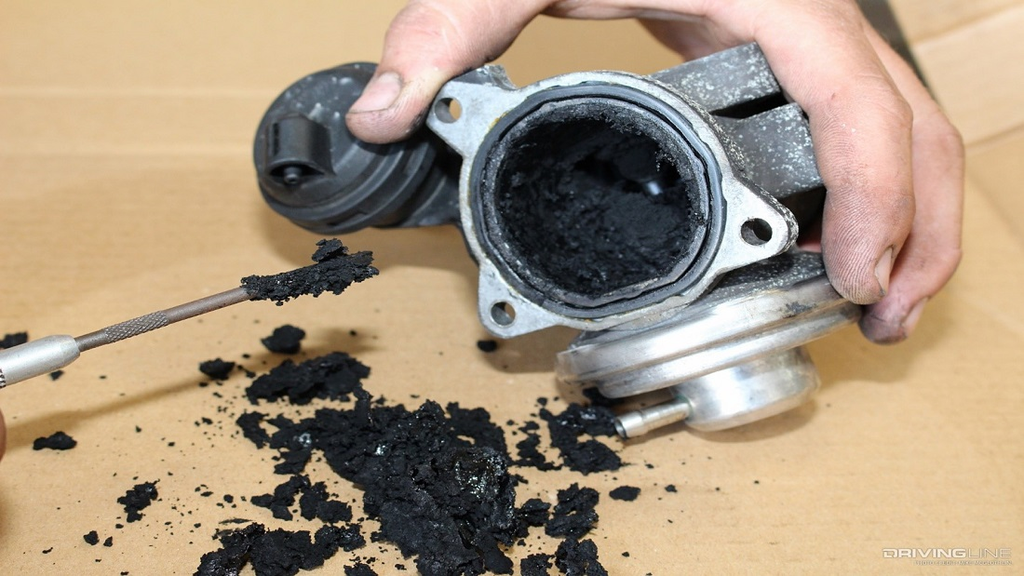
Temperature, installation, and warning lights
Removing EGR does not guarantee lower overall engine, coolant, or exhaust temperatures. Those temperatures respond differently to load and operating strategy. Installation complexity and diagnostic trouble codes also vary by model year and configuration. A product price or simple parts list cannot establish the full cost or outcome.
Model Years, Fitment, and Legal Considerations
The original article mentions 2011–2016 and 2017–2019 trucks. Those are useful research groups, but they do not establish that one kit fits every 6.7L Power Stroke in either range. Confirm the exact truck, factory emissions configuration, and product documentation. The Power Stroke EGR parts collection is a starting point for identifying listings, not a fitment or compliance guarantee.
In the United States, federal law prohibits tampering with emissions controls on covered vehicles, and EPA guidance specifically discusses EGR-blocking products and delete kits. Local rules and vehicle use can add requirements. Check the applicable law and obtain qualified advice before modifying an emissions system. Repairing the original system is the practical path for a street-driven truck with an EGR fault. See the EPA air-enforcement overview.
Why a 6.7 Cummins Answer Does Not Transfer to a Power Stroke
A 6.7L Cummins and a 6.7L Power Stroke are different engine platforms. A Cummins kit, fault pattern, or claimed MPG result cannot be used to predict a Power Stroke result. Keep the platform, model year, and exact emissions hardware separate when comparing advice.
Frequently Asked Questions
Q1. What does an EGR delete do on a 6.7 Power Stroke?
A1. It disables or removes the exhaust gas recirculation function, changing the truck's emissions configuration. The specific mechanical and diagnostic effects depend on the vehicle.
Q2. Is an EGR delete the same as a DPF delete?
A2. No. EGR controls a portion of exhaust flow into the intake to help reduce NOx, while the DPF captures particulate matter in the exhaust.
Q3. Will deleting EGR increase horsepower?
A3. No universal horsepower increase can be promised. Any measured change depends on the truck's condition, calibration, test method, and operating conditions.
Q4. Will an EGR delete improve fuel mileage?
A4. No fixed MPG improvement is established for every truck. Compare repeatable measurements and check for existing faults before attributing mileage changes to EGR.
Q5. Does an EGR delete extend engine life?
A5. Engine life cannot be predicted from EGR status alone. Maintenance, cooling, load, fuel system condition, and other factors also matter.
Q6. Does an EGR delete lower engine temperature?
A6. It does not guarantee lower temperatures. Coolant, intake, combustion, and exhaust temperatures can respond differently under different loads.
Q7. Can I use the same EGR kit for 2011–2016 and 2017–2019 trucks?
A7. Do not assume that. Confirm the model year, VIN, emissions configuration, and the seller's exact fitment documentation.
Q8. Will an EGR delete cause a check-engine light?
A8. Diagnostic behavior depends on the truck and its configuration. A listing cannot establish that a warning light will or will not appear.
Q9. Is an EGR delete legal for a street-driven U.S. truck?
A9. U.S. federal law prohibits emissions-control tampering on covered vehicles. Check applicable federal and local requirements before any modification.
Q10. What should I check if my 6.7 Power Stroke has an EGR fault?
A10. Start with diagnostic codes and service information, then inspect the valve, cooler, sensors, plumbing, and related emissions systems as indicated by the diagnosis.
Q11. Should I remove the DPF when fixing an EGR problem?
A11. No. The DPF is a separate emissions system. Diagnose its condition independently and repair the actual fault.
Q12. Does advice for a 6.7 Cummins apply to a 6.7 Power Stroke?
A12. Not automatically. The engines and their emissions layouts differ, so use platform-specific service information and fitment data.