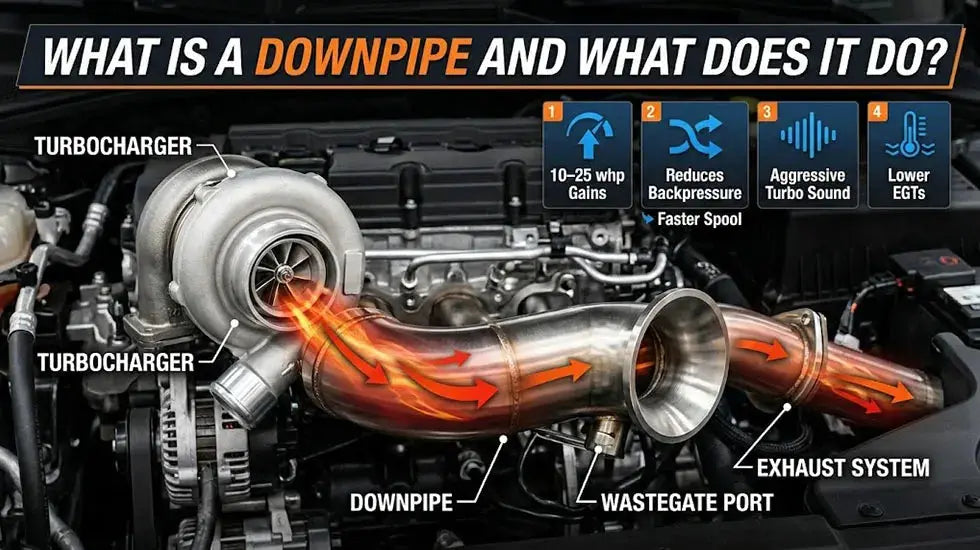
In my 15 years around performance exhaust work, one question comes up almost every week when a turbo car owner wants more power: what is a downpipe, and what does it actually do?
Most enthusiasts know a downpipe has something to do with horsepower, turbo sound, and Stage 2 tuning, but the part itself is often misunderstood. A downpipe is not the same as a header, cat-back exhaust, muffler, or catalytic converter, although it connects closely with all of those exhaust system discussions.
If you drive a turbocharged car, the downpipe is one of the most important exhaust parts after the turbo. It controls how quickly exhaust gas leaves the turbine housing, how much backpressure the turbo has to fight, how loud the car becomes, and whether the car may need an ECU tune after installation.
Quick Answer: What Is a Downpipe?
- What is it? A downpipe is the exhaust pipe that connects the turbocharger outlet to the rest of the exhaust system.
- Where is it located? It sits immediately after the turbocharger, before the mid-pipe, catalytic section, or cat-back exhaust.
- Who needs one? Turbocharged vehicles use downpipes. Naturally aspirated cars usually use headers or exhaust manifolds instead.
- What does it do? It helps exhaust gas leave the turbo faster, reducing backpressure so the turbo can spool quicker.
- How much power can it add? Many turbo cars see about 10–25 wheel horsepower from a quality downpipe, with more possible when paired with a proper tune.
- The catch: A downpipe can make the car louder, trigger a Check Engine Light, affect emissions legality, and often requires ECU tuning.
What Is a Downpipe on a Car?
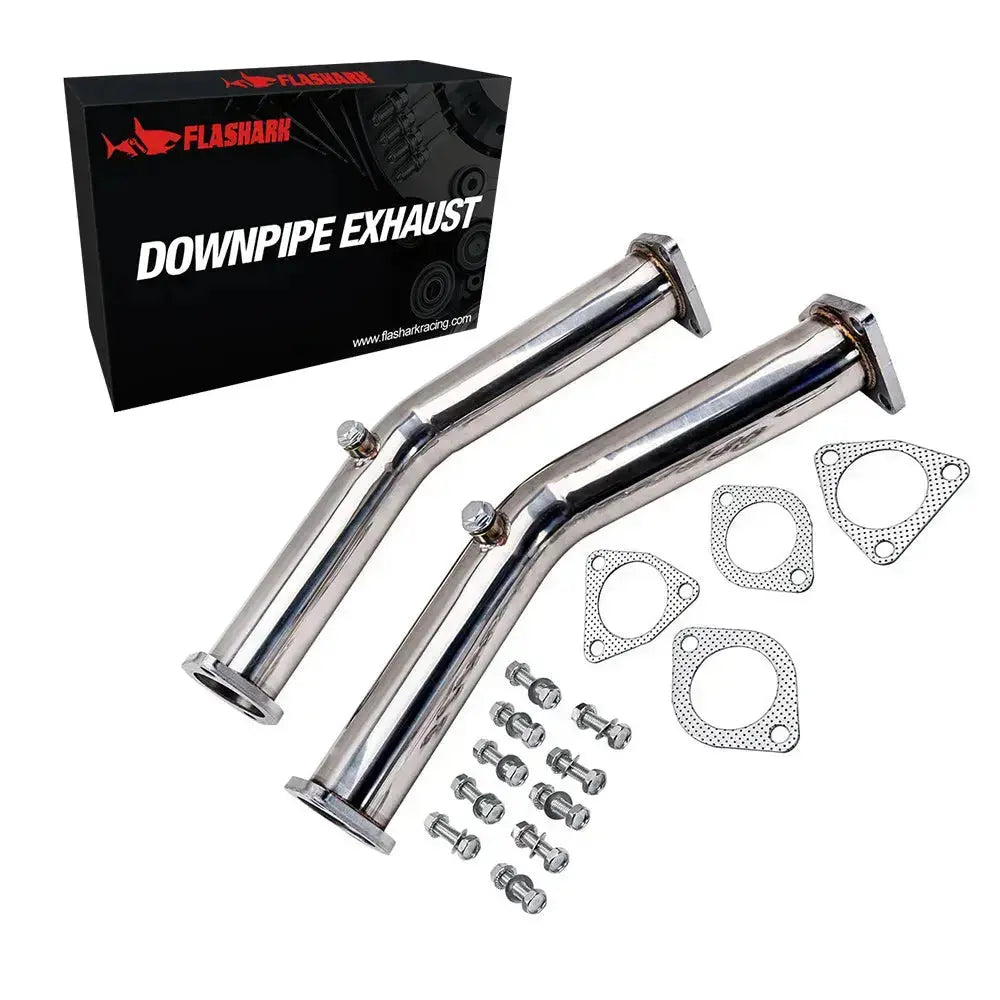
A downpipe is the first major exhaust pipe after the turbocharger on a turbocharged engine. It bolts to the turbine outlet and carries hot exhaust gas away from the turbo into the rest of the exhaust system.
In simple terms, the exhaust path on most turbo cars looks like this:
Engine → Exhaust Manifold → Turbocharger → Downpipe → Mid-Pipe / Catalytic Section → Cat-Back Exhaust → Muffler → Exhaust Tip
That location matters because the downpipe sits directly after the turbo, where exhaust gas is hottest, fastest, and most restricted by factory emissions and noise-control parts. A restrictive factory downpipe can slow the turbo’s ability to move exhaust gas out of the turbine housing.
On many modern turbo cars, the factory downpipe includes a catalytic converter. On some platforms, the catalytic converter is built into or very close to the downpipe assembly. That is why people often talk about catted downpipes, catless downpipes, emissions inspections, and O2 sensor codes in the same conversation.
What Does a Downpipe Do?
A turbocharger is driven by exhaust gas. Exhaust energy spins the turbine wheel, which helps the compressor side force more air into the engine. For the turbo to work efficiently, exhaust gas needs to leave the turbine housing quickly.
A stock downpipe is usually designed for low noise, emissions compliance, packaging, and cost. Performance is not always the first priority. That means the pipe may be narrow, the bends may be tight, and the catalytic converter section may create extra restriction.
An aftermarket downpipe helps by improving the exhaust path after the turbo. It usually does three main things:
- Reduces backpressure: Exhaust gas can leave the turbo more easily.
- Improves turbo spool: The turbo may reach boost faster because it is fighting less restriction.
- Supports more horsepower: With the right tune and supporting parts, the engine can move more air in and out.
Shop Note
A downpipe does not create power by itself like a bigger turbo or aggressive camshaft. It removes a restriction. The real gain comes when the turbo, ECU tune, fuel system, intercooler, and exhaust setup can take advantage of the improved flow.
Where Is the Downpipe Located?
The downpipe is located between the turbocharger and the rest of the exhaust system. On many cars, it runs downward from the turbo, which is where the name “downpipe” comes from.
Depending on the engine layout, the downpipe may be easy to see from the engine bay, or it may be buried behind the engine near the firewall. On some BMW, Audi, VW, Subaru, and turbo Honda applications, removing the factory downpipe can require working around heat shields, V-band clamps, O2 sensors, tight clearances, and rusted hardware.
Before buying a downpipe, always check:
- Turbo flange style
- Pipe diameter
- O2 sensor bung position
- Catted or catless design
- Transmission and chassis clearance
- Connection to the factory or aftermarket cat-back exhaust
- Whether a tune is required for your vehicle
Headers vs Downpipe: Clearing Up the Confusion
One of the most common mistakes I see is confusing headers with downpipes. They are both exhaust parts, but they belong to different engine setups.
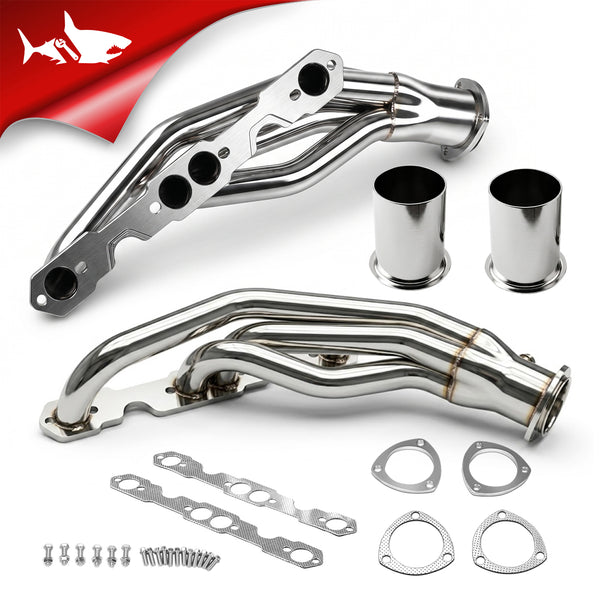
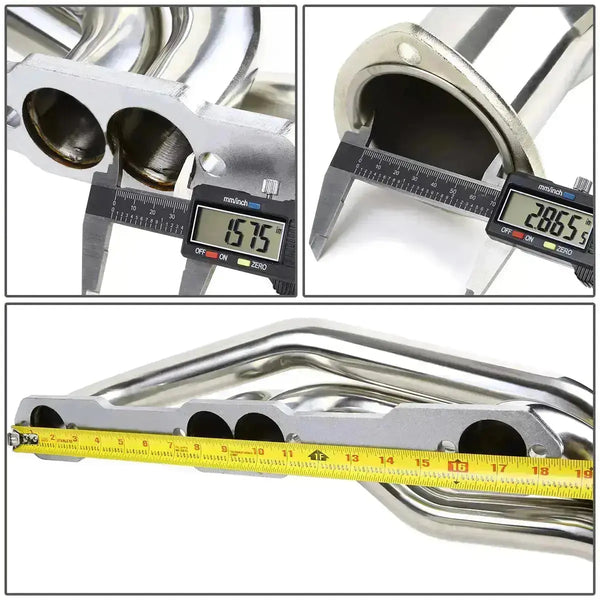
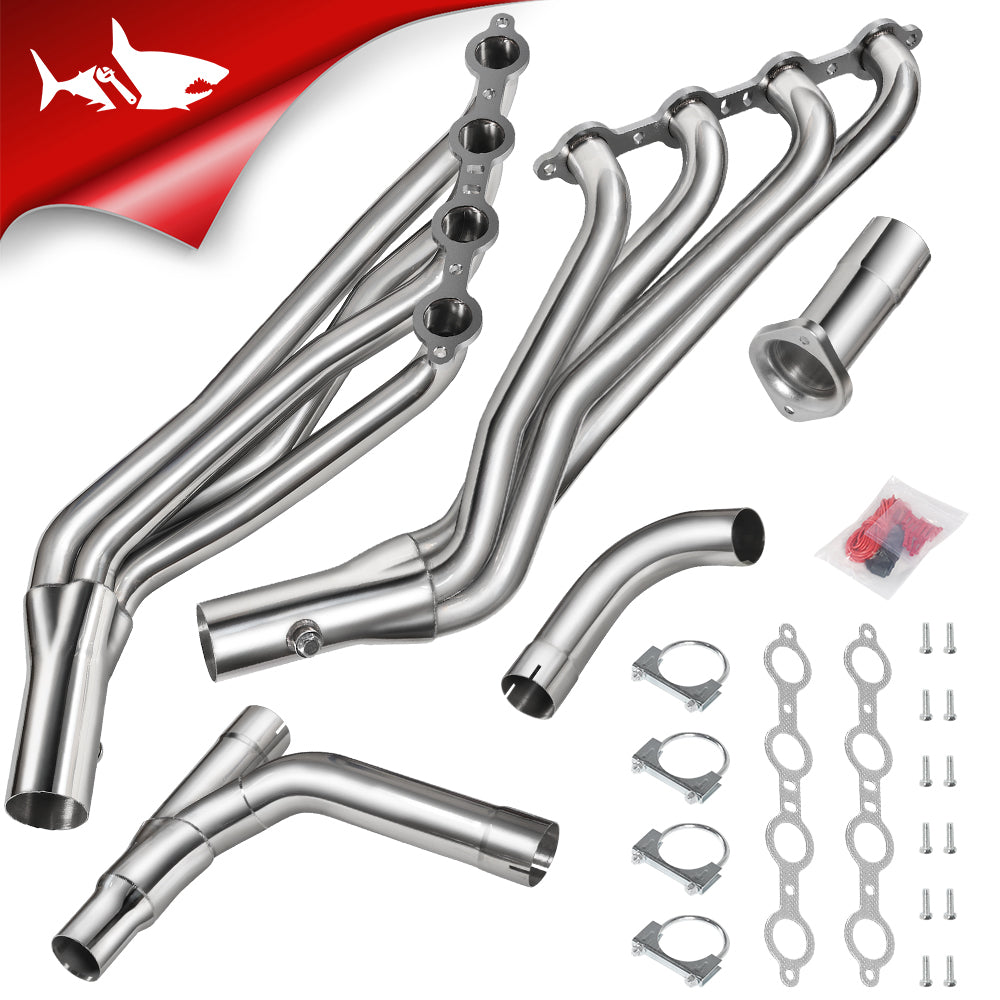
Headers bolt directly to the cylinder head or engine block area on naturally aspirated engines. Their job is to collect exhaust gas from each cylinder and send it toward the exhaust system.
A downpipe bolts to the outlet side of a turbocharger. Its job is to move exhaust gas away from the turbo as efficiently as possible.

| Part | Used On | Location | Main Job |
|---|---|---|---|
| Headers | Naturally aspirated engines | Bolted to the cylinder heads | Improve exhaust scavenging from the engine |
| Downpipe | Turbocharged engines | Bolted after the turbocharger | Reduce restriction after the turbo |
Mechanic's Note
I once had a 2013 BMW 535i owner come into the shop looking for more sound and torque. He had ordered naturally aspirated headers for his turbocharged N55 engine. The right upgrade path was a downpipe, not headers. Before ordering exhaust parts, always confirm whether your engine is naturally aspirated or turbocharged.
Benefits of Upgrading Your Downpipe
A downpipe upgrade is popular because it changes how the turbo car feels, sounds, and responds. The exact result depends on the vehicle, tune, pipe diameter, catalyst design, and the rest of the exhaust system.
1. Faster Turbo Spool
Less restriction after the turbine means exhaust gas can leave the turbo faster. This can help the turbo reach boost sooner, especially on cars where the factory downpipe is a known bottleneck.
2. More Horsepower and Torque
A performance downpipe can support more airflow, especially when paired with an ECU tune. On many stock turbo setups, a quality downpipe may add around 10–25 wheel horsepower. With a Stage 2 tune and supporting upgrades, some platforms can gain more.
3. Stronger Throttle Response
Because the turbo is not working as hard against exhaust restriction, the car may feel sharper when you roll into the throttle. This is one reason downpipes are popular on daily-driven turbo cars.
4. Louder Turbo and Exhaust Sound
A downpipe can make turbo whistle, spool noise, and exhaust tone more noticeable. A catted downpipe usually keeps the sound more controlled, while a catless downpipe is typically louder and more aggressive.
5. Better Support for Future Mods
If you plan to add an intercooler, intake, cat-back exhaust, bigger turbo, or ECU tune, the downpipe often becomes one of the first exhaust restrictions to address.
Stock Downpipe vs Aftermarket Downpipe
A stock downpipe is usually built to satisfy emissions, noise, warranty, and production cost requirements. That does not make it bad, but it does mean it may not be optimized for performance.
| Feature | Stock Downpipe | Aftermarket Downpipe |
|---|---|---|
| Primary goal | Quiet operation and emissions compliance | Improved exhaust flow and performance support |
| Pipe diameter | Often smaller or more restrictive | Often larger, commonly around 3 inches on many turbo platforms |
| Catalyst flow | Dense factory catalyst | High-flow catted or catless design |
| Sound | Quieter and more muted | Deeper tone and more turbo sound |
| Tuning need | Factory calibrated | Often recommended or required, depending on vehicle and design |
Catted vs Catless Downpipe: Which One Makes Sense?
The biggest choice is usually catted vs catless downpipe. Both can reduce restriction, but they are not the same for street use, smell, sound, CEL risk, or emissions compliance.

| Type | Best For | Sound | Smell | CEL Risk | Street Use |
|---|---|---|---|---|---|
| High-Flow Catted Downpipe | Daily drivers and street performance builds | Deeper, cleaner, usually less harsh | Lower fuel smell than catless | Lower, but still possible | Depends on local emissions rules and approval status |
| Catless Downpipe | Track or off-road performance use | Louder, rawer, more aggressive | Noticeable raw exhaust smell | High without tuning or proper calibration | Not recommended for street use where emissions equipment is required |
For most daily driven street cars, a high-flow catted downpipe is the smarter choice. It can improve flow while keeping the car more livable, reducing fuel smell, and avoiding some of the headaches associated with catless setups.
A catless downpipe is usually more aggressive, but it also carries more legal, emissions, odor, and CEL concerns. For a track-only build, that may be acceptable. For a daily driver, it is often not worth the hassle.
Do You Need a Tune After Installing a Downpipe?
On many modern turbo cars, yes, a tune is strongly recommended after installing an aftermarket downpipe. On some vehicles, it is required to run correctly and avoid warning lights.
The reason is simple: the ECU is calibrated around the factory exhaust flow, catalytic converter efficiency, and O2 sensor readings. When you install a freer-flowing downpipe, the rear O2 sensor may see a catalyst efficiency reading that does not match the factory expectation. That can trigger a Check Engine Light.
Pro Warning: CEL and Limp Mode
I have seen beginners bolt on a catless downpipe, skip the tune, and then come back with a permanent CEL or limp mode issue. A quality ECU tune is not just about chasing horsepower. It helps the car manage boost, fueling, air-fuel ratio, and sensor behavior after the exhaust flow changes.
Common reasons a downpipe may require a tune include:
- The rear O2 sensor detects changed catalyst efficiency.
- The turbo reaches boost sooner than the factory calibration expects.
- The engine needs adjusted fuel and ignition mapping to use the extra flow safely.
- The car is moving from a stock setup to a Stage 2-style power level.
Some high-flow catted downpipes may work without an immediate tune on certain platforms, but that is vehicle-specific. Always check your platform’s tuning requirements before installation.
Is a Downpipe Legal for Street Use?
This depends on the downpipe design, your vehicle, and your local emissions rules. A downpipe that removes or disables required emissions equipment can create legal and inspection problems.
For U.S. street-driven vehicles, removing a catalytic converter or replacing required emissions equipment with a non-compliant pipe can violate emissions regulations. In strict states such as California, emissions compliance can be even more complicated because parts may need specific approval for street use.
Legal Reality Check
A high-flow catted downpipe is usually the more street-friendly choice, but “catted” does not automatically mean legal everywhere. A catless downpipe should generally be treated as a track or off-road part where emissions equipment is not required. Always check your local laws before installing one on a street car.
How Much Horsepower Does a Downpipe Add?
On a stock turbo setup, a quality performance downpipe often adds around 10 to 25 wheel horsepower. The exact gain depends on the car, turbo size, catalyst design, tune, fuel, and supporting parts.
The bigger gains usually appear when the downpipe is paired with a proper ECU tune. On highly tunable engines like BMW N54, N55, B58, VW EA888, Audi 2.0T, and similar turbo platforms, a downpipe can be one of the main parts that allows a Stage 2 tune to work properly.

| Setup | Typical Result | Shop Notes |
|---|---|---|
| Stock car, no tune | Small to moderate gain | May not fully use the extra flow; CEL risk depends on vehicle. |
| Downpipe + tune | Stronger horsepower and torque increase | The best balance for most tuned street builds. |
| Downpipe + Stage 2 + supporting mods | Largest practical gain on stock turbo setups | Intercooler, intake, fuel quality, and exhaust flow all matter. |
Will a Downpipe Make My Car Louder?
Yes, a downpipe usually makes a turbo car louder. The exhaust tone becomes deeper, turbo spool is easier to hear, and the car may sound more aggressive under boost.
A catted downpipe is usually the better choice if you want a mature street tone. A catless downpipe is louder and more raw, but it can also add fuel smell, rasp, drone, and emissions issues depending on the rest of the exhaust system.
If you want more power but do not want the car to become too loud, a good setup is often:
- High-flow catted downpipe
- Factory or resonated mid-pipe
- Quality cat-back exhaust, or stock muffler for a sleeper setup
- Proper ECU tune
Downpipe vs Cat-Back Exhaust: Which Should You Upgrade First?
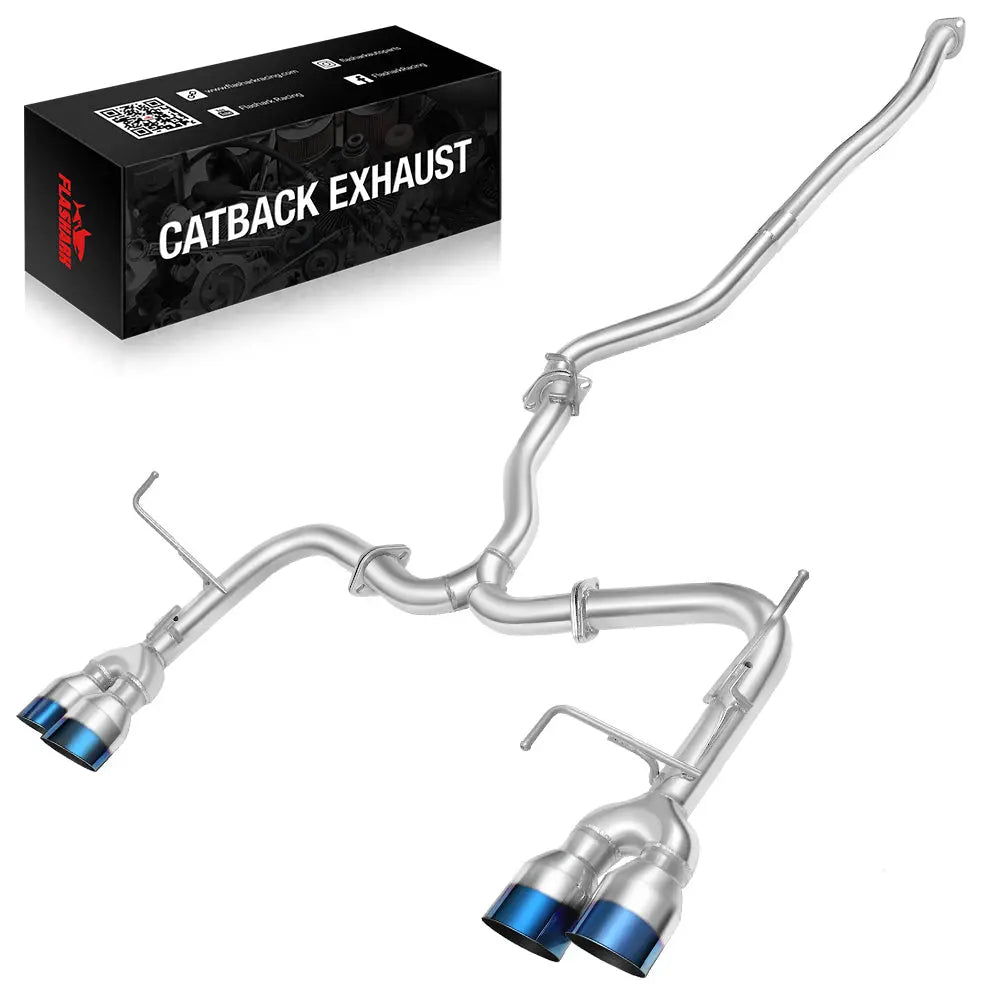
A downpipe and a cat-back exhaust are both exhaust upgrades, but they serve different goals.
If you want more power on a turbo car, the downpipe usually comes first because it affects exhaust flow directly after the turbo. If you mainly want sound and do not want to deal with tuning or emissions concerns, a cat-back exhaust may be the easier starting point.
For a deeper comparison, see this guide: downpipe vs cat-back exhaust.
| Upgrade | Best For | Tune Needed? | Power Potential |
|---|---|---|---|
| Downpipe | Turbo power, faster spool, Stage 2 builds | Often recommended | Higher |
| Cat-Back Exhaust | Sound, appearance, less restrictive rear exhaust | Usually no | Lower on most stock turbo cars |
When I Would Not Recommend a Downpipe
A downpipe is a great upgrade for the right build, but it is not the right first mod for every driver.
I would be careful with a downpipe if:
- Your area has strict emissions inspections.
- You do not plan to tune the car.
- You want to keep the vehicle completely warranty-friendly.
- You are sensitive to exhaust smell, drone, or extra noise.
- Your car is naturally aspirated and actually needs headers, not a downpipe.
- You are not sure whether the part fits your turbo flange, O2 sensor layout, and cat-back connection.
Best Real-World Advice
For a daily driven turbo car, the safest upgrade path is usually a high-flow catted downpipe, correct gaskets, proper installation, and a reputable ECU tune. That combination gives you most of the performance benefit without turning the car into a headache every time emissions inspection comes around.
Downpipe Buying Checklist
Before ordering a downpipe, make sure the part matches your actual vehicle and power goal. A good deal is not a good deal if the flange, sensor position, or pipe connection is wrong.
- Vehicle fitment: Year, make, model, engine, drivetrain, and transmission can all matter.
- Turbo flange: Match the turbo outlet style exactly.
- Pipe diameter: Many performance setups use a larger pipe, often around 3 inches, but bigger is not always better for every small turbo.
- Catted or catless: Choose based on street use, emissions rules, sound tolerance, and tuning plan.
- Material: T304 stainless steel is preferred for heat, corrosion resistance, and long-term durability.
- O2 sensor bungs: Confirm the number and location of sensor ports.
- Hardware: Use new gaskets, clamps, and hardware whenever possible.
- Tune support: Confirm whether your platform needs a Stage 2 tune or other calibration.
FAQ
Q1: What is a downpipe on a car?
A downpipe is the exhaust pipe that connects the turbocharger outlet to the rest of the exhaust system. It is mainly found on turbocharged vehicles and helps exhaust gas leave the turbo more efficiently.
Q2: Do all cars have a downpipe?
No. Turbocharged cars usually have a downpipe. Naturally aspirated cars usually use exhaust manifolds or headers instead.
Q3: Can I install a downpipe on a non-turbo car?
No. A downpipe connects specifically to a turbocharger’s exhaust outlet. If your car is naturally aspirated, you are usually looking for headers, exhaust manifolds, or a cat-back exhaust instead.
Q4: Does a downpipe void my factory warranty?
It can. A dealer may deny warranty claims if they determine the aftermarket downpipe or the required ECU tune contributed to a specific engine, turbo, or emissions-related failure.
Q5: Why is my Check Engine Light on after installing a downpipe?
The rear O2 sensor may detect a catalyst efficiency change after the downpipe is installed. This is especially common with catless or very high-flow downpipes. A proper tune or platform-specific solution may be required.
Q6: Do I need a tune for a downpipe?
On many modern turbo cars, yes. A tune is strongly recommended, especially for catless downpipes or Stage 2 setups. The tune helps manage boost behavior, fueling, air-fuel ratio, and possible CEL issues.
Q7: Downpipe vs header: what is the difference?
Headers bolt to the engine’s cylinder head area on naturally aspirated engines. A downpipe bolts to the turbocharger outlet on turbocharged engines. They are not interchangeable parts.
Q8: Is a 3-inch downpipe better than a 2.5-inch downpipe?
For many performance turbo setups, a 3-inch downpipe can reduce backpressure better than a smaller pipe. However, the best size depends on turbo size, engine displacement, power goal, and the rest of the exhaust system.
Q9: Does a downpipe make the turbo spool louder?
Yes. A freer-flowing downpipe usually makes turbo whistle and spool sound more noticeable because the factory restriction is reduced.
Q10: Can I install a downpipe myself?
It is possible if you have the right tools, lift access or jack stands, and mechanical experience. However, rusted bolts, tight turbo access, O2 sensors, and gasket leaks can make the job difficult. Many owners prefer professional installation.
Q11: Do I need a new gasket for downpipe installation?
Yes. It is best practice to use new gaskets and hardware. A leak at the turbo flange or exhaust connection can hurt performance, create noise, and cause incorrect sensor readings.
Q12: Will a downpipe improve gas mileage?
It can improve exhaust efficiency, but real-world fuel economy depends on driving habits. Many drivers use more throttle after the upgrade because the car sounds and responds better, which can reduce MPG.
Q13: What is the best material for a downpipe?
T304 stainless steel is a strong choice because it handles heat, moisture, and road salt better than cheaper materials. Good weld quality and proper fitment are just as important as the metal itself.
Q14: Is a catted downpipe legal?
A catted downpipe is usually more street-friendly than a catless downpipe, but legality depends on your local laws, emissions inspection requirements, and whether the part is approved for your vehicle. Always check before installing one on a street-driven car.
Q15: Is a downpipe the same as a catalytic converter?
No. A downpipe is the pipe section after the turbocharger. Some downpipes include a catalytic converter, while catless downpipes remove that catalyst section.
Q16: Downpipe vs cat-back exhaust: which should I buy first?
If you want more turbo power and plan to tune the car, start with the downpipe. If you mainly want better sound without tuning concerns, a cat-back exhaust is often the easier first upgrade.

Steven Chen
Automotive Performance Specialist | Engine & Exhaust Systems
Steven focuses on practical engine performance, exhaust fitment, and real-world upgrade paths for classic and modern enthusiast vehicles. He reviews small-block Ford, LS, truck, and street/strip applications with one goal in mind: helping builders choose parts that actually work together. His philosophy: "Good power starts with the right combination, not the biggest part."