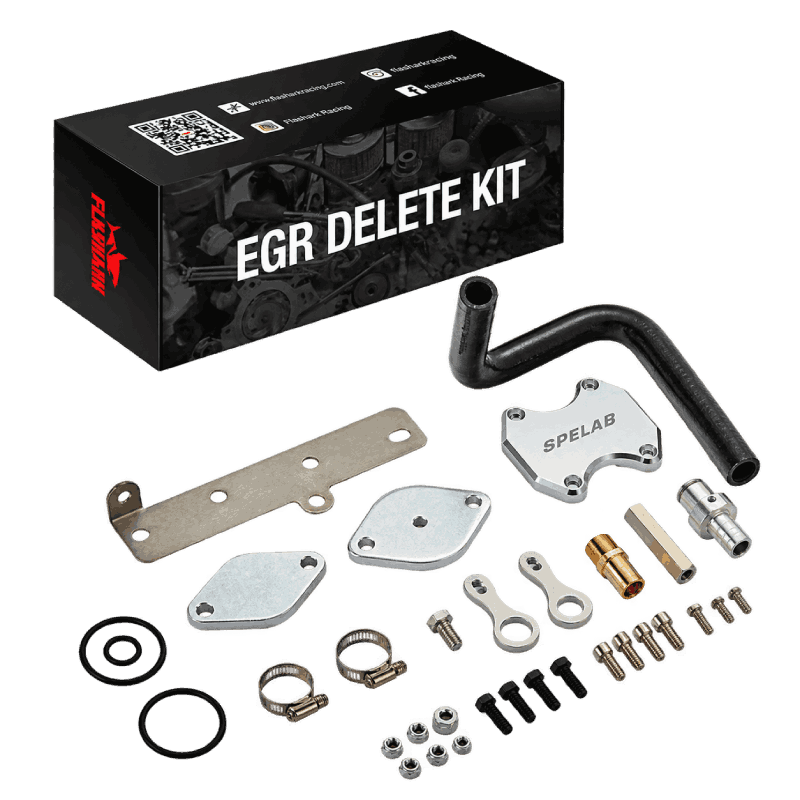
The best choice for a 6.7 Cummins depends first on whether the truck must remain emissions compliant, then on its model year, existing equipment, intended use, and the exact parts in a specific package. For a road driven U.S. truck, removing or disabling emissions controls is generally prohibited under federal law; diagnosis and compliant repair are the appropriate starting points. If you are comparing products for a legally permitted application, treat a “complete” kit as a parts list to verify, not a guarantee of fit, power, fuel economy, or trouble free operation.
- Match the truck's VIN, year, emissions configuration, and transmission to current fitment information.
- Separate EGR, DPF, SCR/DEF, CCV, exhaust hardware, and calibration support; they are different systems.
- Check the selected variant's included parts and documentation before assuming anything is supplied.
- For a road driven vehicle, keep required emissions equipment working and address faults with compliant service.

Why Consider a Delete Kit for Your 6.7 Cummins?
Owners often research a 6.7 Cummins delete kit after recurring warning lights, regeneration concerns, or expensive repairs. Those symptoms do not by themselves establish that removing hardware is the correct fix. A restricted DPF, an EGR fault, a DEF quality issue, and a sensor failure have different diagnostic paths. Ask a qualified diesel technician to identify the fault and check applicable emissions requirements before selecting parts.
Removing an emissions component can change exhaust flow or engine operation, but any effect on horsepower, torque, fuel use, durability, or drivability depends on the vehicle and calibration. The original article did not provide controlled test data for a specific setup, so no fixed performance result should be inferred.
What Does a Delete Kit Typically Include?
“Delete kit” is a broad shopping term. A package may combine some of the items below, while other components may be optional or sold separately. Use the current variant and written parts list as the source of truth.
- EGR related parts: parts associated with the exhaust gas recirculation circuit.
- DPF or exhaust related parts: hardware associated with the particulate filter or exhaust path.
- SCR/DEF related parts: the selective catalytic reduction system uses diesel exhaust fluid; “DEF delete kit” is imprecise shorthand and does not identify a complete hardware package.
- CCV reroute parts: crankcase ventilation is separate from EGR, DPF, and SCR.
- Tuner or calibration support: inclusion, compatibility, and intended use must be verified for the exact variant.
Key Features to Look for in a 6.7 Cummins Delete Kit
Performance Benefits
Compare claims against vehicle specific testing, not general statements about “unleashing” power. A change in backpressure does not by itself prove a horsepower or MPG gain. Document the baseline condition and ask what evidence supports a claimed result for your year, configuration, and calibration.
Compatibility with Your Vehicle
Confirm the model year, Ram 2500 or 3500 platform, 6.7L Cummins engine, existing emissions hardware, exhaust layout, and any relevant transmission or sensor differences. A product URL containing “2013–2018” does not override a current product title or fitment list that says 2013–2017.
Ease of Installation
Check whether the package includes instructions, gaskets, clamps, connectors, and support for the selected configuration. Installation complexity and diagnostic work vary. A professional technician should evaluate the vehicle and applicable requirements before any work.
| Decision point | What to verify | Why it matters |
|---|---|---|
| Road use and compliance | Vehicle certification and applicable federal, state, and local requirements | Removing required controls can create legal and inspection problems |
| Truck fitment | VIN, model year, platform, engine, and current product fitment | Year ranges and hardware vary |
| Package contents | Exact selected variant, parts list, and optional components | “All in one” does not mean every option is included |
| Fault diagnosis | Stored codes, freeze frame data, sensor checks, and repair options | A symptom may have a repairable cause |
| Performance claim | Controlled data for the exact truck and setup | Results are configuration dependent |
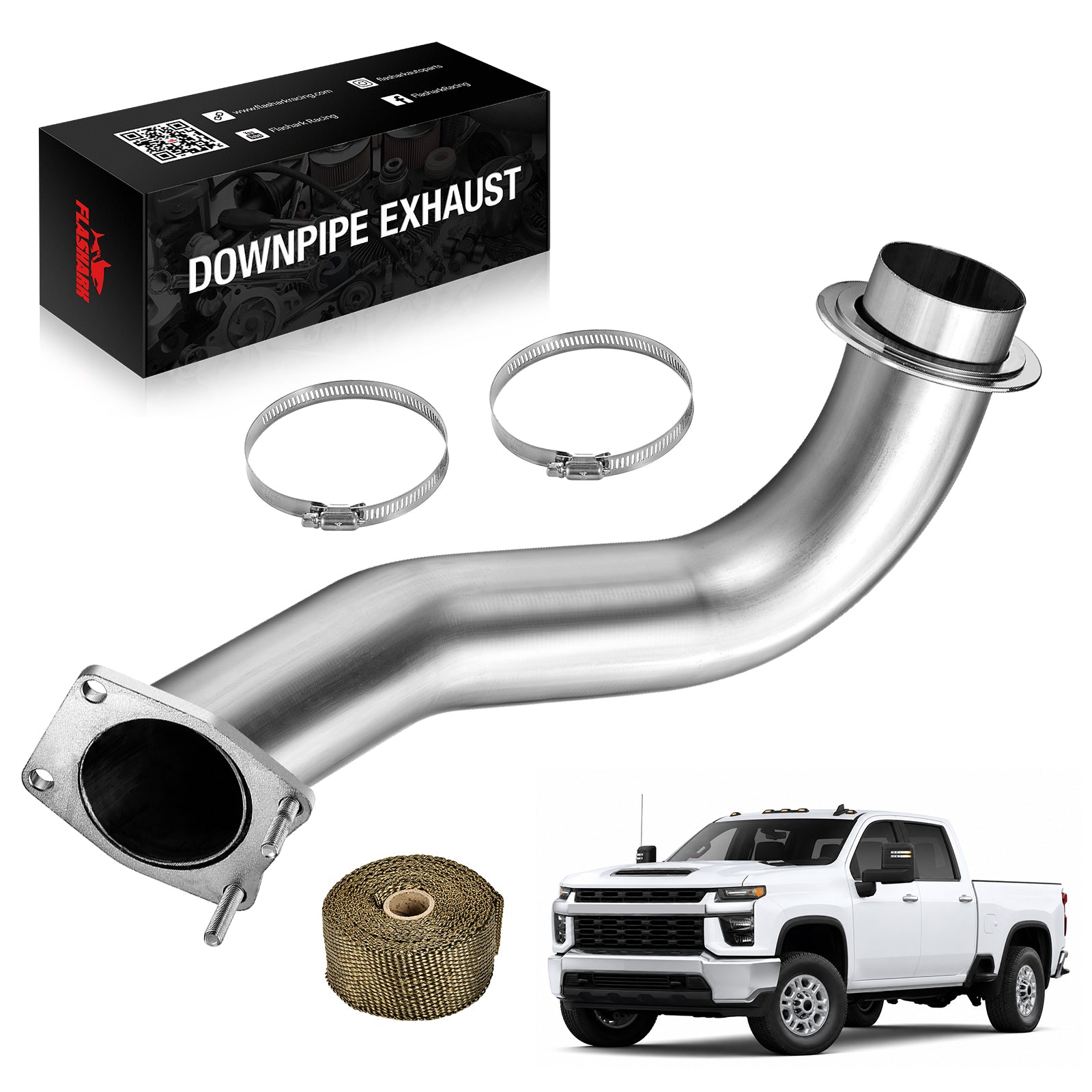
FLASHARK EGR/DPF/CCV DELETE 2013-2017 6.7L Cummins All-in-One Kit
The Flashark EGR/DPF/CCV product page currently names 2013–2017 Ram 2500/3500 6.7L Cummins applications in its title and fitment text. Its URL and some older media refer to 2013–2018, so confirm the year and VIN with current product documentation before relying on either range.

The product page offers different exhaust and tuner or CCV selections. Do not assume the CCV reroute, a particular tuner, or every exhaust option ships with every variant. Ask for a written parts list and confirm current availability, fitment, and intended use. Neither the article nor the product listing establishes that a chosen setup will prevent a check engine light, pass inspection, improve fuel economy, or extend engine life.
Legal Considerations When Using a Delete Kit
Understanding Emissions Regulations
U.S. federal law prohibits tampering with emissions controls and the sale or installation of aftermarket defeat devices in covered circumstances. The EPA cautions that a “competition only” label does not automatically make an emissions delete lawful for an EPA certified motor vehicle. State and local rules may add requirements. Check the applicable rules and obtain qualified legal or regulatory advice for a specific use case. EPA overview of aftermarket defeat devices.
What to Know About Vehicle Inspections
Removing or disabling required equipment may cause inspection, registration, warranty, and diagnostic problems. Inspection rules vary by jurisdiction and vehicle class, but passing or failing a local test is not the sole measure of federal compliance. For a road driven truck, diagnose and repair the emissions system with compliant parts.
How to Choose the Best Delete Kit for Your 6.7 Cummins
Consider Your Goals: Performance vs. Legal Compliance
Start with the legal use of the truck. If it is driven on public roads, prioritize a compliant repair path and functioning emissions controls. For any application where a component change may be permitted, compare parts and documentation only after fitment and legal status are established. Brand reputation alone cannot establish compatibility, legality, or a performance gain.
Ask the Right Questions Before Purchasing
- Is my exact year, model, VIN, engine, and emissions configuration supported?
- What is included in the selected variant, and what is optional?
- What diagnostic evidence supports replacing or changing the current parts?
- What installation documentation and after sale support are available?
- What warranty terms apply to the product and vehicle?
- Is the proposed use compliant with the relevant federal, state, and local rules?
Use the 6.7L Cummins collection to compare listed configurations, then verify each product's current specifications directly.
Frequently Asked Questions
Q1. What is the best delete kit for a 6.7 Cummins?
A1. There is no universal best kit. Start with the truck's legal use, exact fitment, diagnosed issue, and the selected package's written parts list.
Q2. Is a 6.7 Cummins delete kit legal for a road driven truck in the United States?
A2. Removing or disabling required emissions controls generally conflicts with federal anti tampering rules; state and local requirements may also apply. Use compliant diagnosis and repair for road use.
Q3. Does “off road only” make an emissions delete legal?
A3. No. A label by itself does not establish a lawful use or exemption. Check the vehicle's certification and the applicable rules before making changes.
Q4. What is usually included in a complete 6.7 Cummins delete kit?
A4. Contents vary by seller and variant. EGR parts, exhaust or DPF related hardware, CCV parts, and a tuner may be separate or optional; verify the current parts list.
Q5. Are EGR, DPF, DEF, and CCV the same system?
A5. No. EGR recirculates exhaust gas, the DPF traps particulates, DEF is used by the SCR system, and CCV handles crankcase ventilation.
Q6. Does a delete kit always increase horsepower or fuel economy?
A6. No fixed gain can be assumed. Results depend on the vehicle, baseline condition, hardware, and calibration, and require controlled testing to support a specific claim.
Q7. Will a tuner prevent a check engine light after parts are changed?
A7. That cannot be guaranteed. Fault codes depend on the truck, components, calibration, and remaining faults; have the vehicle diagnosed by a qualified technician.
Q8. Does the linked Flashark product include a CCV reroute in every variant?
A8. The current listing shows different tuner and CCV selections. Check the selected variant and written package contents before ordering.
Q9. Does the linked product fit a 2018 Ram 6.7 Cummins?
A9. The product URL and some media mention 2018, but the current title and fitment text list 2013–2017. Confirm 2018 fitment directly with current product documentation and the vehicle VIN.
Q10. What should I check before buying parts for a DPF or EGR warning?
A10. Record the trouble codes and operating conditions, diagnose the affected system, confirm repair options, and check emissions requirements and exact parts fitment.
Conclusion
The most useful comparison is between a compliant repair path and verified parts for a specific, legally permitted application. Keep the truck's fitment, selected package contents, diagnostic evidence, and applicable rules in view; avoid relying on general promises of power, MPG, longevity, or a warning light free result.

Steven Chen
Automotive Performance Specialist | Engine & Exhaust Systems
Steven focuses on practical engine performance, exhaust fitment, and real-world upgrade paths for classic and modern enthusiast vehicles. He reviews small-block Ford, LS, truck, and street/strip applications with one goal in mind: helping builders choose parts that actually work together. His philosophy: "Good power starts with the right combination, not the biggest part."