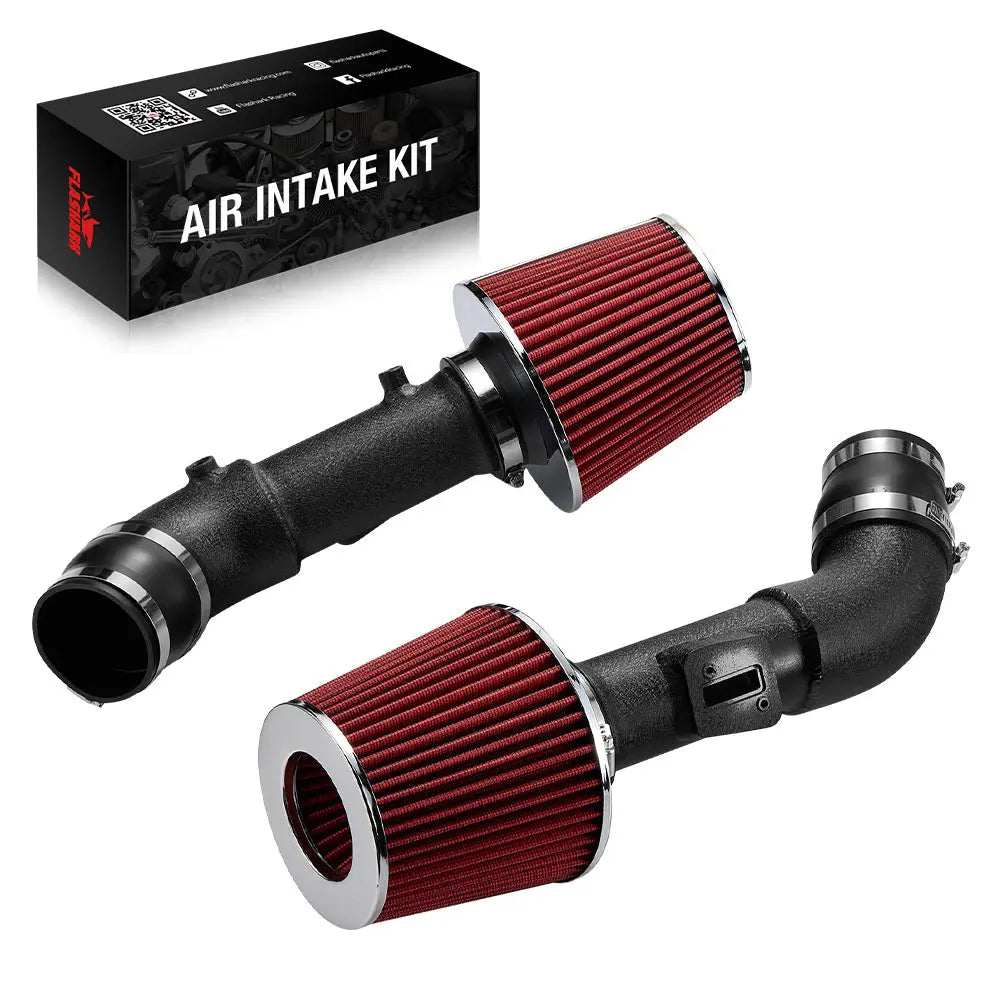
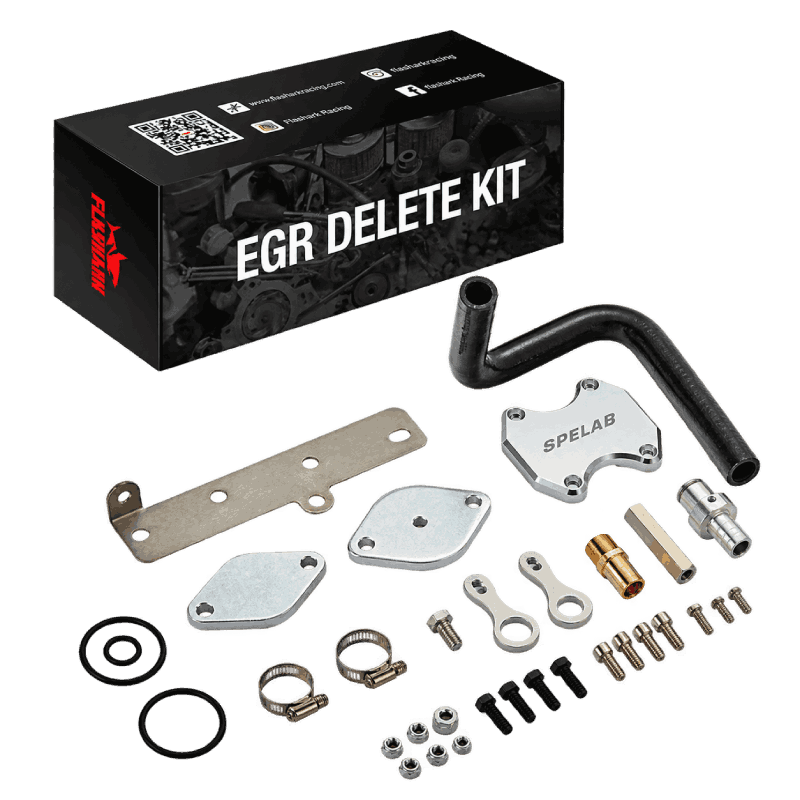
An EGR delete disables part of the exhaust gas recirculation system. It can change how an engine operates, but it is not a standard repair for an EGR fault, and claims of automatic power, fuel-economy, or engine-life gains are not supported for every vehicle. On an EPA-certified vehicle, removing or disabling an emissions control can violate the U.S. Clean Air Act. Diagnose the fault and check the vehicle's applicable requirements before considering any modification.
- EGR reduces nitrogen oxide (NOx) formation by recirculating a controlled amount of exhaust into the intake.
- A warning light, rough running, or soot buildup calls for diagnosis, not an automatic delete.
- Repairing or replacing a failed valve or cooler retains the certified emissions system.
- Fuel economy, power, fault codes, and drivability depend on the engine, calibration, and condition; do not assume a fixed outcome.

How Does an EGR Valve Work?
Exhaust gas recirculation (EGR) routes a measured portion of exhaust gas back into the intake under selected operating conditions. The recirculated gas dilutes the intake charge and generally lowers peak combustion temperature, helping limit NOx formation. The valve, cooler where fitted, passages, sensors, and engine calibration work as a system. EGR operation varies by engine and load, so a single symptom does not establish which component has failed.
Why Do EGR Valves Fail?
Soot and oily deposits can restrict the valve or intake passages. An actuator, sensor, wiring fault, vacuum component on some designs, or a leaking EGR cooler can also cause trouble. The cooler and valve are different parts: coolant loss, a suspected cooler leak, and a flow-related fault call for different checks. Follow the service information for the exact engine before replacing parts.
How to Detect a Failing EGR Valve
Possible signs include a check-engine light, uneven idle, hesitation, loss of power, or emissions-related diagnostic codes. Similar symptoms can come from other intake, fuel, sensor, or cooling faults. A technician should read the stored codes and freeze-frame data, inspect related hoses and wiring, then run the manufacturer's valve and cooler tests. Do not treat a warning light as proof that a delete kit is needed.
Replacing an EGR Valve Versus Using an EGR Delete Kit

Replacing a failed valve or cooler restores the intended emissions-control function when the diagnosis is correct. A delete kit blocks or removes some of that function and is not a like-for-like repair. The U.S. EPA specifically identifies EGR systems among emissions-control elements covered by federal anti-tampering rules. Review the EPA's guidance on tampering and defeat devices before making a decision. State and local rules may add requirements.
| Option | When to consider it | What to verify | Key risk |
|---|---|---|---|
| Diagnose and clean | Deposits or a flow fault without confirmed component failure | Codes, commanded versus actual operation, passages, wiring | Cleaning may not fix a failed actuator or leaking cooler |
| Repair or replace | A valve, cooler, sensor, or related component has failed | Exact engine and part number, service procedure, remaining fault causes | Replacing the wrong part wastes time and money |
| Delete or disable | Only after a qualified compliance review of the specific application | Federal, state, and local requirements; vehicle certification; possible codes and calibration effects | Emissions tampering, increased NOx, drivability and warranty consequences |
For readers researching Duramax parts, the original article linked to L5P, LBZ, and LML listings. These are separate engine families and model-year ranges. A listing title is not proof of fitment, road legality, included parts, calibration needs, or a particular result; confirm each point with the seller and applicable authority before relying on it.
Improved Performance Through EGR Delete: What Can Actually Change?
Disabling EGR may reduce the recirculation of soot into the intake, but it also removes a control used to limit NOx. Any change in power, fuel use, throttle response, or exhaust temperature depends on operating conditions and calibration. A restricted or failed EGR system may make a vehicle run poorly; fixing that fault can restore normal performance without disabling the emissions system. No universal horsepower or MPG gain follows from an EGR delete.
What Other Benefits or Tradeoffs Should I Expect?
Less EGR flow can mean less exhaust-borne soot entering the intake, but other deposits and mechanical wear remain possible. It does not guarantee a cleaner engine, longer engine life, or lower maintenance cost. Disabling EGR can increase NOx emissions and may trigger diagnostic trouble codes or other calibration-related issues. Treat each claimed benefit as a question to verify on the exact vehicle, not as a promised result.
Choosing the Right Engine Upgrade
Start with the fault, not the part: identify the engine and emissions configuration, read the codes, test the valve and cooler separately, and compare the repair cost with the correct replacement parts. For an on-road, EPA-certified vehicle, retain and repair required emissions controls. If the use case is unusual, obtain qualified legal and technical advice before any change. Do not assume a product listing or a generic “off-road” label establishes an exemption.
Frequently Asked Questions
Q1. What does an EGR delete do?
A1. It blocks or removes some exhaust gas recirculation function. The exact effect depends on the vehicle and what components or calibration are changed.
Q2. What is the purpose of an EGR valve?
A2. It meters exhaust gas back into the intake under selected conditions to help reduce peak combustion temperature and NOx formation.
Q3. Will an EGR delete increase horsepower?
A3. There is no universal horsepower gain. Results depend on the engine, its condition, load, and calibration, and a fault repair may restore lost performance without a delete.
Q4. Will an EGR delete improve MPG?
A4. A fixed MPG gain cannot be promised. Fuel use varies with vehicle condition, driving, load, and calibration.
Q5. Can a bad EGR valve cause a check-engine light?
A5. Yes, but the light alone cannot identify the failed part. Read the codes and test the related system before replacing anything.
Q6. Is an EGR cooler the same as an EGR valve?
A6. No. A cooler, where fitted, transfers heat from recirculated exhaust; the valve controls flow. They require different diagnostic checks.
Q7. Should I delete EGR if the valve is clogged?
A7. First confirm the fault and inspect the passages, actuator, wiring, and cooler. Cleaning or repairing the correct component may restore normal operation while retaining emissions controls.
Q8. Can an EGR delete trigger fault codes?
A8. Yes. The engine's monitoring and calibration may detect missing or unexpected EGR flow, so codes and drivability changes are possible.
Q9. Is EGR deletion legal on a U.S. road vehicle?
A9. Federal anti-tampering rules generally prohibit removing or disabling required emissions controls on EPA-certified vehicles. Check the specific vehicle and applicable federal, state, and local requirements.
Q10. Does an EGR delete extend engine life?
A10. There is no reliable universal engine-life benefit. Reducing one deposit pathway does not prevent other wear or failures.
Q11. How do I choose between cleaning and replacement?
A11. Use the stored codes, manufacturer tests, and a physical inspection. Clean a serviceable restriction; replace a confirmed failed valve, cooler, or related part with the correct component.
Q12. Do Duramax EGR parts fit every 6.6L truck?
A12. No. Engine families and model years differ. Verify the exact engine, emissions configuration, part number, and current product listing before ordering.

Steven Chen
Automotive Performance Specialist | Engine & Exhaust Systems
Steven focuses on practical engine performance, exhaust fitment, and real-world upgrade paths for classic and modern enthusiast vehicles. He reviews small-block Ford, LS, truck, and street/strip applications with one goal in mind: helping builders choose parts that actually work together. His philosophy: "Good power starts with the right combination, not the biggest part."