A cold air intake (CAI) is one of the most common first upgrades for car and truck owners who want better airflow, a sharper throttle feel, and a more aggressive engine sound. In simple terms, it replaces part of the factory air intake path with a less restrictive tube, a performance air filter, and often a heat shield or airbox designed to help the engine breathe cooler outside air.
But a cold air intake is not magic. It does not automatically turn every stock engine into a high-horsepower build, and it will not fix poor maintenance, a dirty throttle body, or an engine that already has a very efficient factory intake. The real value comes from choosing the right intake design for your vehicle and understanding what a CAI actually does.
In this guide, we will break down what a cold air intake does, how it works, what parts it replaces, the real benefits and risks, and when upgrading to a cold air intake system is actually worth it.
Quick Answer: A cold air intake, often called a CAI, is an aftermarket intake system that helps your engine pull in cooler, denser air from outside the hottest part of the engine bay. Cooler air carries more oxygen, which can improve combustion, throttle response, intake sound, and in some setups, horsepower. The results depend on the vehicle, intake design, tune, and how restrictive the factory intake was.
What Does CAI Mean in Cars?
CAI stands for Cold Air Intake. In car modification discussions, people use CAI to describe an intake system designed to draw cooler air into the engine instead of pulling hot air from around the engine bay.
The term can be confusing because not every aftermarket intake is a true cold air intake. Some short ram intakes use a short pipe and an open filter inside the engine bay. They may improve sound and throttle feel, but they can also pull warmer air when the engine bay gets hot. A true cold air intake usually places the filter farther away from heat sources or uses a sealed airbox and ducting to help isolate the filter from engine heat.
Technician's Note: When checking a CAI kit, do not judge it only by pipe size or filter color. Look at filter location, heat shielding, MAF sensor placement, tube diameter, clamp quality, and whether the kit seals well against hot engine bay air.
What Does a Cold Air Intake Do?
A cold air intake helps the engine breathe more efficiently. Its main job is to reduce intake restriction and feed the engine cooler, denser air. When the engine can pull air in with less effort, it may respond faster when you press the throttle.
In real-world driving, a cold air intake can do several things:
- Improve throttle response: The engine may feel more responsive, especially during acceleration.
- Increase intake sound: You may hear a deeper growl, suction sound, or sharper induction noise.
- Support horsepower gains: Gains are usually modest on stock engines but can be more noticeable on tuned, turbocharged, or heavily restricted setups.
- Improve airflow consistency: A well-designed intake can help reduce turbulence and maintain cleaner airflow to the MAF sensor or throttle body.
- Enhance engine bay appearance: Many CAI kits use polished, powder-coated, or molded intake tubes for a cleaner performance look.
The key word is support. A cold air intake supports better airflow, but horsepower gains depend on the whole engine combination. Intake, exhaust, tune, throttle body, camshaft, turbocharger, and engine management all work together.
How Does a Cold Air Intake Work?
A cold air intake system is designed to bring cooler, denser air into the engine. Cooler air contains more oxygen molecules than warmer air. More oxygen can help the engine burn fuel more efficiently, which may improve power output and throttle response.

Here is the basic airflow path on most vehicles:
- Outside air enters through the front, fender area, grille area, or a sealed airbox inlet.
- The air passes through a performance air filter that traps dirt while allowing strong airflow.
- The air moves through the intake tube toward the throttle body or turbo inlet.
- On many modern vehicles, the air passes through or near the MAF sensor or intake air temperature sensor.
- The engine control unit reads incoming airflow and adjusts fuel delivery.
- The air enters the combustion chamber, where it mixes with fuel and burns to create power.
A well-designed CAI tries to do two things at the same time: reduce airflow restriction and keep intake air temperatures lower. A poorly designed system may increase sound but pull in hot engine bay air, which can reduce the benefit.
What Parts Does a Cold Air Intake Replace?
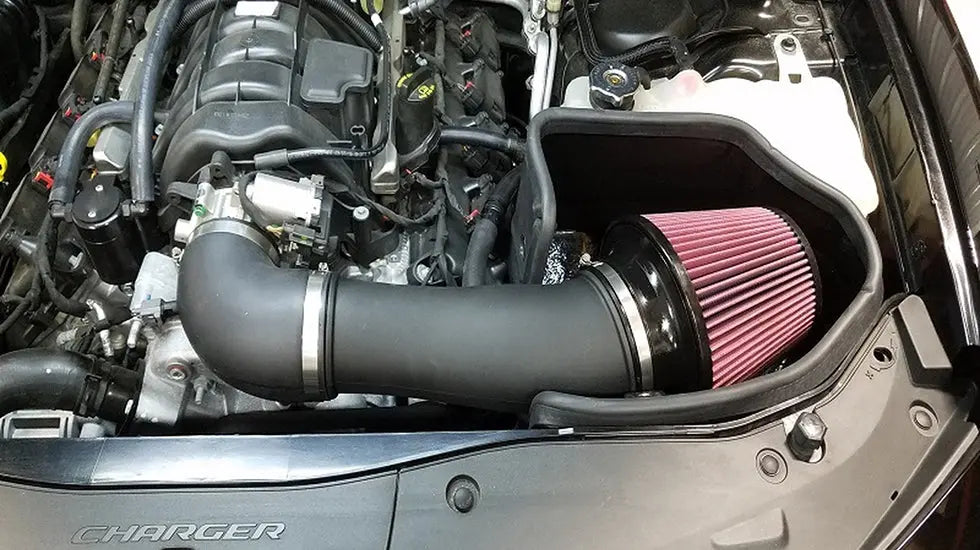
Most cold air intake kits replace the factory intake tube, air filter, and sometimes the factory airbox or resonator. The exact parts depend on the vehicle and the kit design.
| Component | What It Does | Garage Notes |
|---|---|---|
| Performance air filter | Filters incoming air while improving airflow compared with many restrictive paper filters. | Clean or replace it on schedule. A dirty filter can hurt performance. |
| Intake tube | Routes air from the filter to the throttle body or turbo inlet. | Tube diameter and shape matter. Oversized or poorly shaped tubes can affect MAF readings. |
| Heat shield or sealed airbox | Helps isolate the filter from hot engine bay air. | A sealed design usually controls heat soak better than an exposed open filter. |
| MAF housing or adapter | Holds the mass airflow sensor in the intake path. | Sensor angle and housing size can affect idle quality, fuel trims, and check engine lights. |
| Couplers and clamps | Seal the intake tube connections. | Loose clamps can create unmetered air leaks and rough running. |
The Benefits of Installing a Cold Air Intake
Installing a cold air intake can improve how your engine feels and sounds, especially if the stock intake is restrictive. The exact results depend on the vehicle, engine type, intake design, and whether the car is tuned.

Improved Engine Performance
One of the main reasons people install cold air intakes is to help the engine move air more easily. By reducing restriction and drawing cooler air, the intake system can help the engine make better use of each combustion event.
On a stock daily driver, the gain may be small. On a modified engine, turbocharged car, truck with exhaust upgrades, or vehicle with a restrictive factory airbox, the improvement can be more noticeable. You may feel sharper throttle response before you feel a big horsepower difference.
Better Throttle Response
Throttle response is often where drivers notice the upgrade first. A less restrictive intake path can help the engine react faster when you step on the gas. This does not always mean the car is making huge extra horsepower, but it can make the vehicle feel more eager and responsive.
More Aggressive Intake Sound
A cold air intake often makes the engine sound deeper and more open under acceleration. On naturally aspirated engines, you may hear a stronger intake growl. On turbocharged engines, you may hear more spool, bypass valve, or induction sound depending on the setup.
Possible Fuel Efficiency Improvement
A cold air intake can slightly improve fuel efficiency if it helps the engine breathe more efficiently and the driver keeps the same driving habits. However, many owners use the added sound and throttle response more often, which can cancel out any MPG improvement.
Realistic Expectation: A cold air intake may help power, sound, and throttle response, but MPG and horsepower gains are not guaranteed. If a product claims huge gains on a stock engine with no tune or supporting mods, treat that claim carefully.
Types of Cold Air Intake Systems
There are several types of intake systems. The best choice depends on your vehicle layout, climate, driving style, and whether you want maximum cool-air isolation, easy installation, or stronger intake sound.
1. Full-Length Cold Air Intake
A full-length cold air intake places the filter farther away from engine heat, often near the fender, bumper, or lower front area of the vehicle. This design can deliver cooler intake air and better high-RPM airflow, but it may be more complex to install and can carry a higher water ingestion risk if the filter sits too low.

2. Short Ram Intake
A short ram intake uses a shorter tube and usually places the filter inside the engine bay. It is often easier to install and can deliver strong intake sound, but it may pull warmer air when the vehicle is sitting in traffic or when engine bay temperatures rise.
If you are comparing these two styles, read our guide on short ram intake vs cold air intake for a more detailed breakdown of airflow, sound, and heat soak differences.
3. Ram Air Intake
A ram air intake uses vehicle motion to feed air into the intake path. It is most effective at higher speeds, where forward motion can help increase airflow. At low speeds, the advantage is usually less noticeable.

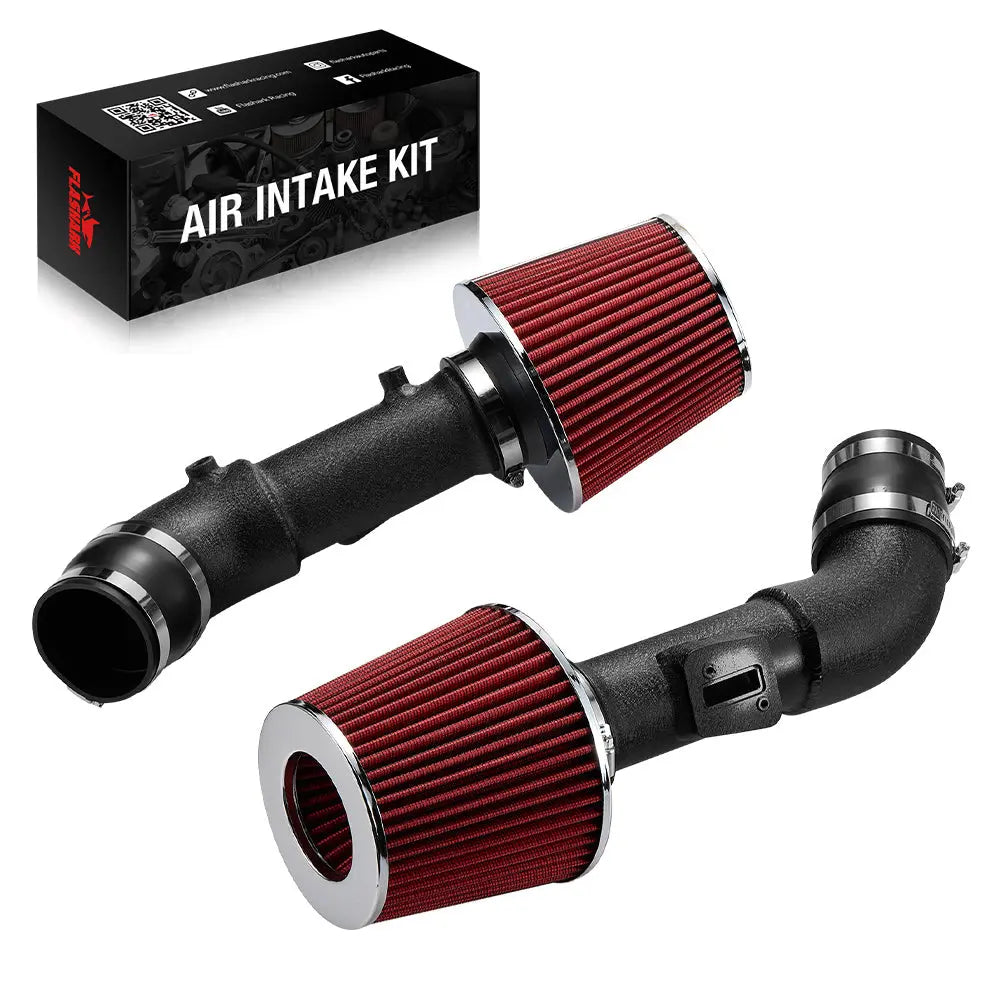
4. Cold Air Intake with Dual Filters
A dual-filter intake uses two filter elements to increase filter area and airflow capacity. This can be useful on some high-flow applications, but the design must still control heat and maintain correct sensor readings.
5. Hybrid Cold Air Intake
A hybrid intake combines elements of a short ram and a full-length cold air intake. It may use a sealed box, heat shield, or ducted air path to balance airflow, sound, installation ease, and heat control.
Cold Air Intake vs Stock Intake vs Short Ram Intake
| Intake Type | Best For | Main Advantage | Main Drawback |
|---|---|---|---|
| Stock intake | Quiet daily driving and OEM reliability | Good fitment, low noise, factory calibration | May be restrictive on modified engines |
| Cold air intake | Cooler air, stronger sound, better airflow | Can reduce restriction and support performance gains | Poor designs may risk heat soak or water ingestion |
| Short ram intake | Easy installation and louder intake sound | Simple layout and sharp throttle feel | Can pull warmer engine bay air |
Do You Need a Tune for a Cold Air Intake?
Most basic cold air intake installs do not require a tune if the kit is designed correctly for the vehicle and keeps the MAF sensor readings within the expected range. However, a tune may be needed if the intake changes the MAF housing size, airflow curve, or fuel trims enough to affect drivability.
You should consider tuning if you notice rough idle, hesitation, lean codes, check engine lights, or if the intake is part of a larger upgrade package that includes headers, exhaust, forced induction, or engine work. For a deeper explanation, see our guide: do you need a tune for a cold air intake.
Can a Cold Air Intake Damage Your Engine?
A properly designed and installed cold air intake should not damage a healthy engine. Most problems come from poor installation, water ingestion, dirty filters, incorrect MAF placement, loose clamps, or using the wrong kit for the vehicle.
Warning: Hydrolock is the biggest risk with low-mounted cold air intakes. If the filter is placed where it can suck in standing water, water can enter the cylinders and cause serious engine damage. Avoid deep puddles, flooded roads, and poorly protected filter locations.
Another common issue is MAF sensor contamination. If an oiled filter is over-oiled, residue can reach the MAF sensor and cause inaccurate readings. That may lead to rough idle, poor fuel trims, hesitation, or a check engine light.
Things to Consider Before Upgrading
Before installing a cold air intake, make sure the upgrade fits your goals, your vehicle, and your local driving conditions.
- Vehicle type and purpose: Modified engines, performance cars, and trucks with airflow restrictions may benefit more than a basic commuter car.
- Fitment: Check filter location, tube routing, sensor mounts, hood clearance, and nearby heat sources.
- Climate and road conditions: If you drive in heavy rain, snow, dirt, or deep puddles, filter protection matters.
- Warranty: Some warranty claims may become more complicated after aftermarket modifications. Read more about whether a cold air intake can void warranty.
- Budget: A cheap intake that fits poorly can cost more in drivability problems than a properly engineered kit.
- Supporting mods: Intake gains are often stronger when paired with exhaust, tuning, or other airflow upgrades.
Maintenance Tips After Installing a Cold Air Intake
Once the intake is installed, maintenance is what keeps it working properly. A neglected performance filter can reduce airflow, contaminate sensors, and make the vehicle run worse than it did with the stock intake.
- Inspect the filter regularly for dirt, oil, water, or debris.
- Clean or replace the filter according to the manufacturer's service interval.
- Check clamps and couplers after the first few heat cycles.
- Make sure the MAF sensor is installed in the correct direction.
- Inspect vacuum hoses, PCV hoses, and breather fittings for leaks.
- Avoid over-oiling reusable filters.
- Watch for check engine lights, idle changes, or hesitation after installation.
Garage Tip: After installing a CAI, let the engine idle, check for air leaks, verify that the intake tube is not rubbing against sharp edges, and confirm that all clamps stay tight after a test drive.
Is a Cold Air Intake Worth It?
A cold air intake is worth it if you want a simple bolt-on upgrade that can improve intake sound, throttle feel, airflow, and engine bay appearance. It is especially worthwhile when the factory intake is restrictive or when the intake is part of a larger performance combination.
It may not be worth it if your main goal is guaranteed fuel economy improvement or large horsepower gains on a completely stock daily driver. For that type of expectation, it is better to think of a CAI as a supporting upgrade rather than a standalone power maker.
If you are comparing cost, sound, horsepower, and daily-driver value, read our full guide: are cold air intakes worth it.
Choosing the Right Cold Air Intake for Your Vehicle
The right intake depends on your platform. A Honda Civic, Camaro SS, 5.3 Vortec truck, G37, and diesel truck all have different intake layouts and airflow needs. Do not buy a universal-looking kit without checking vehicle fitment, sensor compatibility, and filter placement.
If you are shopping by vehicle, these guides may help:
- Best cold air intake for Honda Civic
- Best cold air intake for Camaro SS
- Best cold air intake for 5.3 Vortec
You can also browse Flashark cold air intake kits by fitment before choosing a system for your build.
Cold Air Intake FAQs
What does a cold air intake do?
A cold air intake helps your engine pull in cooler, denser air with less restriction. This can improve throttle response, intake sound, and in some setups, horsepower. The result depends on the vehicle, intake design, and supporting modifications.
What does CAI mean in cars?
CAI means cold air intake. It refers to an intake system designed to draw cooler air into the engine instead of pulling hot air from the engine bay.
How does a cold air intake work?
A cold air intake works by moving the air filter and intake path to a cooler, less restrictive location. Air passes through the filter, intake tube, MAF sensor area, and throttle body or turbo inlet before entering the engine.
Does a cold air intake add horsepower?
Yes, a cold air intake can add horsepower, but the gain is usually modest on a stock engine. The improvement is more noticeable when the factory intake is restrictive or when the CAI is paired with tuning, exhaust, or other airflow upgrades.
Does a cold air intake improve MPG?
It can improve MPG slightly in some cases, but it is not guaranteed. If the driver uses the louder intake sound and sharper throttle more often, fuel economy may stay the same or even decrease.
Do you need a tune for a cold air intake?
Most basic cold air intake kits do not require a tune. A tune may be needed if the intake changes the MAF housing size, causes lean codes, or is installed with other performance upgrades.
Can a cold air intake damage your engine?
A properly installed cold air intake should not damage the engine. Risks come from water ingestion, dirty filters, air leaks, incorrect sensor placement, or using a poorly designed kit.
What is the difference between a cold air intake and a short ram intake?
A cold air intake usually tries to pull cooler air from outside the hot engine bay, while a short ram intake uses a shorter pipe and often pulls air from inside the engine bay. Short ram intakes are usually easier to install and louder, but they may be more affected by heat soak.
Conclusion
A cold air intake is a simple but important airflow upgrade. It can help your engine breathe better, improve throttle response, add a more aggressive intake sound, and support horsepower gains when the rest of the setup can take advantage of the extra airflow.
The best results come from choosing a vehicle-specific intake that controls heat, seals well, keeps sensor readings stable, and fits your driving conditions. For a daily driver, expect better sound and response first. For a modified vehicle, a well-matched CAI can be part of a strong performance combination.

Steven Chen
Automotive Performance Specialist | Engine & Exhaust Systems
Steven focuses on practical engine performance, exhaust fitment, and real-world upgrade paths for classic and modern enthusiast vehicles. He reviews small-block Ford, LS, truck, and street/strip applications with one goal in mind: helping builders choose parts that actually work together. His philosophy: "Good power starts with the right combination, not the biggest part."