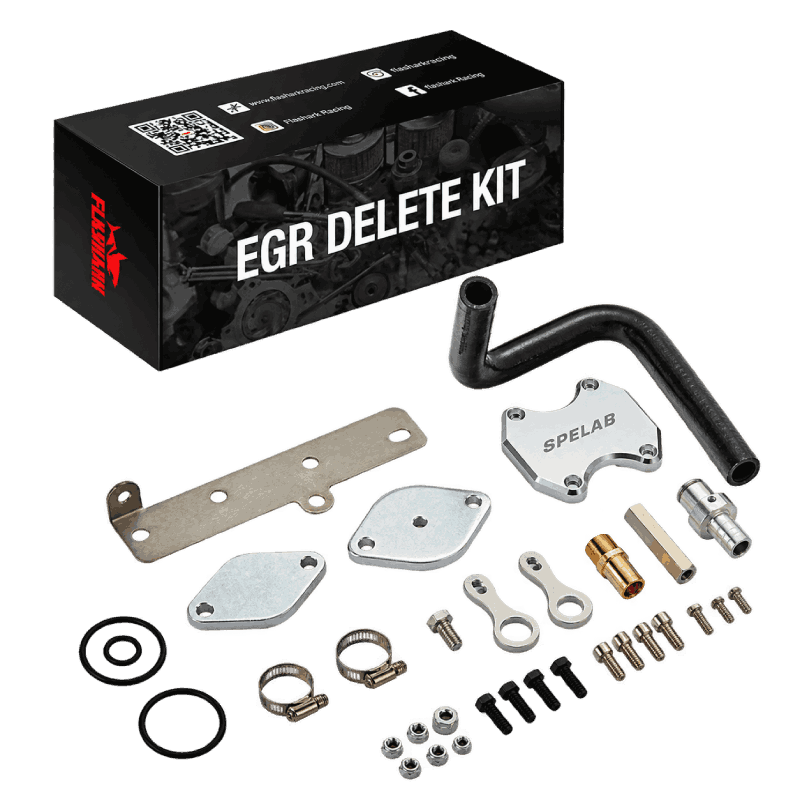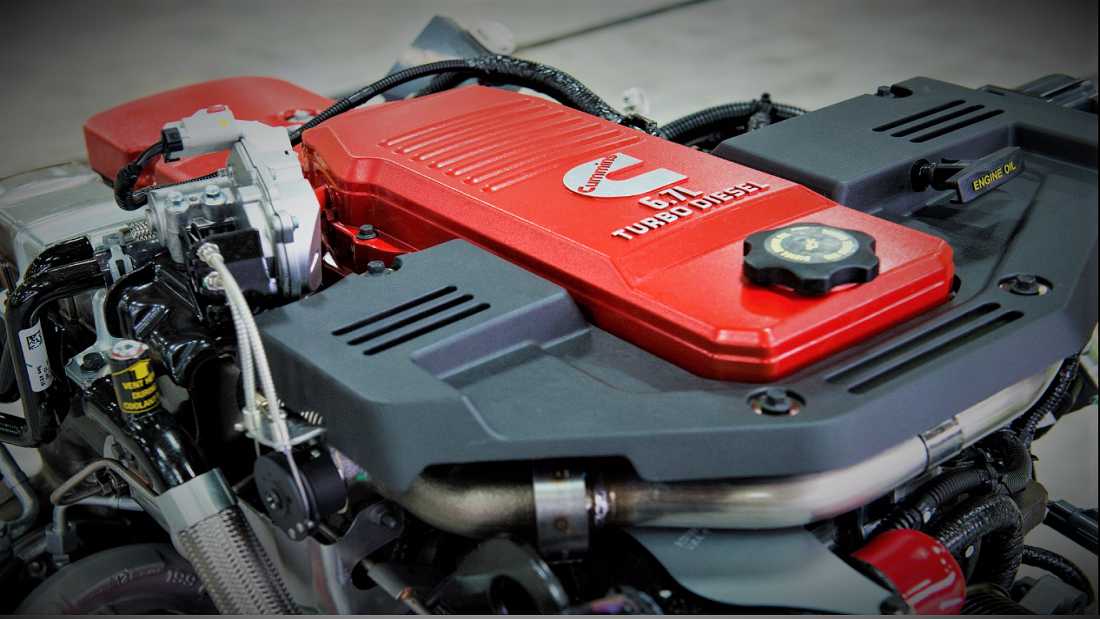
The right EGR delete kit for a 6.7L Ford Power Stroke depends on more than the name printed on the box. Vehicle year, engine configuration, emissions hardware, sensor layout, calibration, and intended use all affect whether a kit matches the truck and the rest of its systems.
It is also important to distinguish an EGR delete kit from a DPF delete pipe, DOC replacement, or a broader “full delete” package. Owners sometimes use “delete kit” as a catch-all shopping term, but these parts perform different jobs and should not be treated as interchangeable.
- The best EGR delete kit for a 6.7 Powerstroke is one that matches the exact truck, engine, emissions configuration, and selected product version.
- An EGR-only kit does not automatically remove or replace the DPF, DOC, SCR system, or downstream exhaust.
- Package contents, programming requirements, and sensor provisions can vary by vehicle and selected configuration.
- Do not assume two similar-looking kits are interchangeable. Compare mounting points, hose connections, exhaust-side connections, and supplied hardware.
- Review local emissions and road-use requirements before modifying emissions-related equipment. Mechanical fitment does not establish road legality.
What Is a Delete Kit?
A delete kit is hardware intended to remove, block, bypass, or replace a particular emissions-related component. That broad definition is why the exact product type matters. An EGR cooler delete kit addresses the exhaust gas recirculation circuit. A DPF delete component concerns the diesel particulate filter and downstream exhaust path. Software or programming products affect engine and emissions-control strategies.
Those categories can overlap in casual conversation, but they are not the same modification. Buying an EGR kit does not mean the package also contains exhaust pipes, electronic hardware, or programming. Review the selected configuration and package contents rather than relying on the general term “delete kit.”
| Common shopping term | System it refers to | What to check | Do not assume |
|---|---|---|---|
| EGR delete kit | EGR valve, cooler, exhaust feed, coolant routing, or related mounting points | Vehicle configuration, block-off locations, hose routing, brackets, gaskets, and hardware | That DPF, DOC, SCR, sensors, or programming are included |
| DPF delete or replacement pipe | Downstream exhaust and diesel particulate filter location | Pipe connections, wheelbase or body configuration, sensor locations, and downstream compatibility | That it changes or removes the EGR system |
| Full delete | A broad, non-standard term that may refer to several hardware and electronic changes | Every included component, affected sensor, exhaust connection, and calibration requirement | That every seller or installer uses the term in the same way |
| Tuner or calibration device | Engine and emissions-control software strategies | Vehicle support, installed hardware, software source, and legal use | That it is included with a mechanical kit or prevents every warning light |
The 6.7L Ford Power Stroke Platform
The 6.7L Power Stroke is Ford’s turbocharged diesel engine used across several Super Duty applications, including F-Series trucks. The engine, exhaust aftertreatment, cooling circuit, sensors, and control system operate as an integrated package. A change to one part can affect other parts of that package.
Model-year differences matter. A part described broadly as fitting a 6.7 Powerstroke should still be matched to the exact year, model, engine, emissions configuration, and connection points. Two kits can look similar in a product photo while using different brackets, hose routing, exhaust-side connections, or hardware.
Match the selected kit to the truck before installation begins. Check the vehicle year, model, engine, emissions equipment, mounting locations, hose connections, sensor layout, and selected product configuration. Similar-looking parts are not automatically interchangeable.
The Role of the EGR System
Exhaust gas recirculation routes a controlled portion of exhaust gas back into the intake stream under selected operating conditions. This reduces peak combustion temperature and helps control nitrogen oxide emissions. On a modern diesel, EGR operation is coordinated with airflow measurement, fueling, turbocharger control, cooling, aftertreatment, and onboard diagnostics.

Soot and oil vapor can contribute to deposits in the EGR and intake path over time. The amount and rate of buildup vary with operating conditions, engine condition, maintenance, duty cycle, and other system factors. Deposit concerns should be diagnosed rather than treated as proof that every truck needs the same modification.
An EGR-related problem may also come from a valve, cooler, gasket, hose, wiring connection, sensor input, or another engine-system fault. Replacing or removing parts without identifying the cause can leave the original problem unresolved.
Potential Effects and Important Limits
Changing the EGR circuit can alter intake temperature, exhaust flow, combustion conditions, coolant routing, diagnostic behavior, and emissions. The result depends on the complete vehicle configuration and how the hardware and calibration work together.
Carbon Deposits and Intake Contamination
Reducing recirculated exhaust flow can reduce one source of soot entering the intake path. That does not make the engine maintenance-free, and it does not eliminate oil vapor, existing deposits, coolant leaks, injector problems, or other causes of poor operation.
Power and Throttle Response
No fixed horsepower or torque result should be assumed from an EGR delete kit alone. Engine condition, turbocharger control, intake restriction, exhaust configuration, fuel system health, calibration, and operating load all influence the final result. A hardware change that is not matched to the rest of the system can produce poor drivability or diagnostic problems instead of an improvement.
Fuel Economy
Fuel economy can change with load, gearing, tires, ambient temperature, regeneration activity, idle time, driving speed, engine condition, and calibration. Without a controlled before-and-after test on the same truck, an MPG improvement should not be treated as a guaranteed result.
Engine Temperature and Reliability
Removing an EGR cooler changes the cooling and emissions system, but that alone does not guarantee lower overall engine temperature or longer service life. Cooling-system condition, hose routing, coolant filling and bleeding, towing load, airflow through the cooling stack, and calibration remain important.
How to Choose the Best EGR Delete Kit for a 6.7 Powerstroke
Here is the part that matters: choose by system compatibility and installation details, not by the largest claimed benefit. A useful product comparison should answer the questions below clearly.

- Identify the exact truck. Record the year, model, 6.7L Power Stroke engine, emissions configuration, and any previous intake, exhaust, cooling, or calibration changes.
- Define the modification. Decide whether the job concerns only the EGR circuit or also involves other emissions and exhaust components. Do not use “full delete” as a substitute for a parts list.
- Compare connection points. Check block-off locations, coolant connections, brackets, fasteners, gaskets, and clearance around wiring and hot components.
- Review the selected configuration. Package contents can vary. Select the required product version and inspect every component before disassembly.
- Consider the electronic system. Tune requirements and warning-light behavior vary with the truck and installed hardware. Treat the intake, engine, EGR, exhaust, sensors, and calibration as one system.
- Look for useful support. A clear fitment description, installation information, product photos, and accessible technical support are more useful than unsupported performance claims.
- Review legal restrictions. Emissions-related modifications may be restricted even when the hardware can be mechanically installed.
| Buying check | Why it matters | What the owner should compare |
|---|---|---|
| Vehicle identity | Mounting, plumbing, sensors, and emissions hardware can change between applications | Year, model, engine, emissions configuration, and previous modifications |
| Kit function | EGR-only and broader delete packages affect different systems | The exact components being removed, blocked, rerouted, or replaced |
| Mechanical connections | Misaligned parts can leak, contact nearby components, or place stress on brackets | Flanges, block-off plates, coolant connections, brackets, gaskets, and fasteners |
| Electronic compatibility | Sensors and control strategies monitor emissions-system operation | Installed hardware, sensor layout, wiring condition, and calibration |
| Installation support | The job can involve hot-side fasteners, coolant, confined access, and system checks | Instructions, diagrams, required tools, service information, and technical support |
| Road-use restrictions | Mechanical fitment and legal use are separate questions | Federal, state, provincial, local, inspection, and competition-use requirements |
Installation Planning and Common Mistakes
This is one of those jobs where fitment matters more than the marketing language. Before loosening the first connection, identify every hose, bracket, fastener, sensor connection, heat shield, and sealing surface involved in the selected installation.
Before Disassembly
- Work on a cool engine and follow appropriate workshop safety procedures.
- Disconnect electrical power when required by the applicable service procedure.
- Plan for coolant handling if the selected procedure opens the cooling system.
- Photograph hose, wiring, bracket, and heat-shield routing before removing parts.
- Compare the selected kit with the truck’s connection points.
- Keep debris out of open intake, exhaust, and coolant passages.
During Installation
A common installation mistake is forcing a plate, tube, or bracket into position before all mounting points are aligned. That can create a sealing problem or place the assembly under stress. Start fasteners by hand, keep mating surfaces clean, and align the complete assembly before final tightening.
Take a minute before tightening a clamp or bracket. Check clearance to wiring, hoses, heat-sensitive components, moving parts, and body or chassis surfaces. Heat cycles and engine movement can turn a small static clearance into contact later.
After Installation
- Confirm that tools, caps, plugs, and loose hardware have been removed from the engine bay.
- Inspect coolant and exhaust connections for leakage.
- Check hose and wiring routing near hot or moving components.
- Monitor coolant level and operating behavior according to the applicable service procedure.
- Investigate warning lights or drivability changes instead of assuming they are normal.
Modifying or disabling emissions-related equipment can affect vehicle operation, emissions, inspection eligibility, warranty coverage, and road-use legality. Review the requirements that apply to the vehicle and its intended use. The U.S. Environmental Protection Agency identifies EGR systems, DPFs, DOCs, sensors, onboard diagnostics, and engine calibrations as emissions-control elements covered by federal tampering and defeat-device rules.
Read the EPA information on aftermarket defeat devices and emissions-system tampering.
Flashark EGR Delete Kit Options for 6.7L Power Stroke Applications
Flashark offers an EGR delete kit product for selected 6.7L Ford Power Stroke applications. Because vehicle configurations and product versions can differ, use the product selector and fitment information to match the kit to the truck. Check the selected configuration, connection points, and package contents before installation.
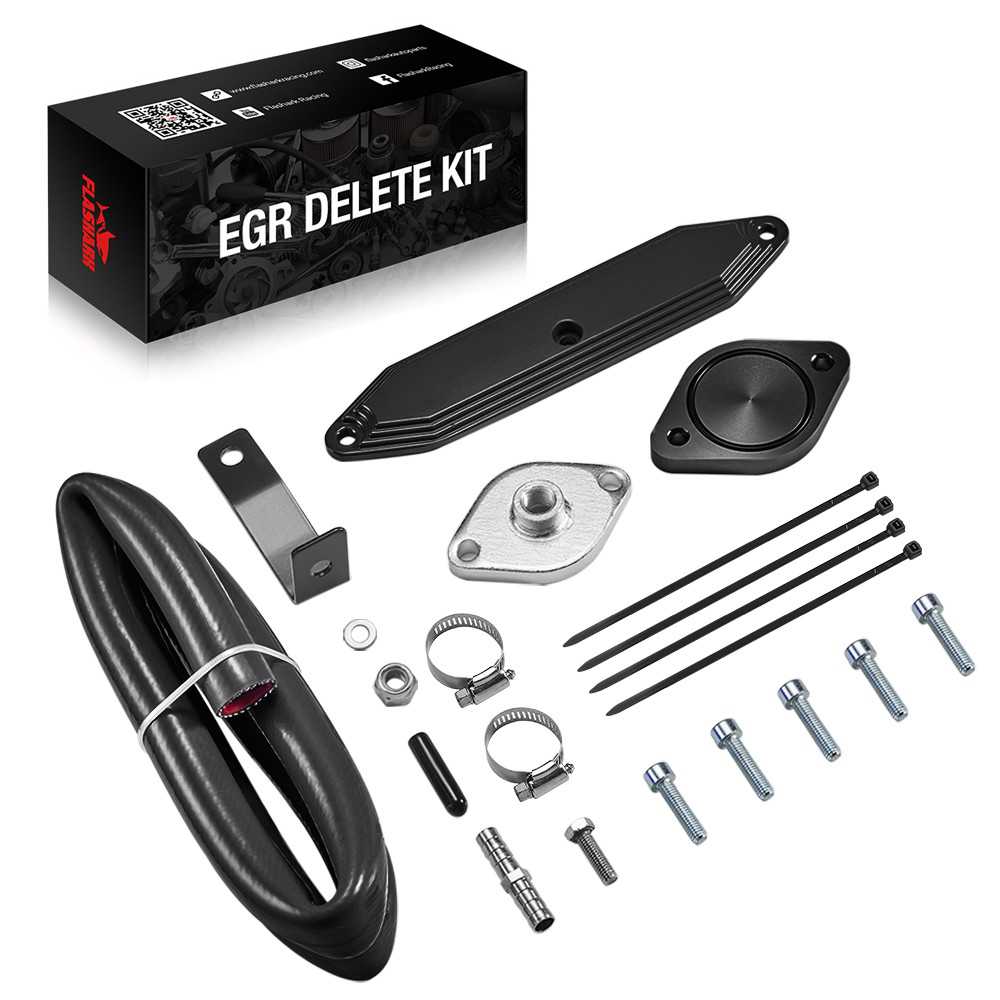
For a broader comparison, browse the Flashark EGR delete kit collection or review the delete kit collection. The Flashark 6.7L Power Stroke EGR delete kit product information provides the configuration choices and purchasing path for this application.
Do not select a kit by engine displacement alone. Match the product to the vehicle and the complete system. Contact customer support if you need help identifying the appropriate configuration.
Final Thoughts
The best EGR delete kit for a 6.7 Powerstroke is not simply the one with the strongest performance claim. It is the one that matches the exact vehicle, has clearly defined contents and connection points, works with the complete mechanical and electronic configuration, and is appropriate for the intended use.
Keep the terminology straight: an EGR delete kit, a DPF replacement pipe, and a calibration product do different jobs. Check fitment carefully, plan the coolant and exhaust work before disassembly, and treat warning lights or drivability changes as issues to diagnose rather than expected side effects.
Frequently Asked Questions About 6.7 Powerstroke EGR Delete Kits
Q1: What is the best EGR delete kit for a 6.7 Powerstroke?
A1: The best choice is a kit matched to the truck’s year, model, 6.7L Power Stroke engine, emissions configuration, connection points, and intended use. Clear fitment information, defined package contents, installation support, and accurate system descriptions matter more than unsupported performance claims.
Q2: Is an EGR delete kit the same as a full delete kit?
A2: No. An EGR delete kit addresses the exhaust gas recirculation circuit. “Full delete” is a broad, non-standard term that may refer to several hardware and electronic changes. Always identify the exact components involved.
Q3: Does an EGR delete kit remove the DPF or DOC?
A3: Not by definition. The EGR system and exhaust aftertreatment components such as the DPF and DOC are separate parts of the emissions system. Do not assume an EGR kit contains downstream exhaust components.
Q4: Will an EGR delete kit increase horsepower?
A4: A fixed horsepower increase should not be assumed. Results depend on engine condition, turbocharger control, intake and exhaust configuration, fuel-system health, calibration, operating conditions, and installation quality.
Q5: Will an EGR delete improve fuel economy?
A5: Fuel-economy results vary with load, speed, gearing, tires, ambient conditions, regeneration activity, engine condition, driving pattern, and calibration. An MPG improvement cannot be guaranteed without controlled testing on the same vehicle.
Q6: Does a 6.7 Powerstroke EGR delete require a tune?
A6: Tune requirements vary by vehicle and installed hardware. The intake, EGR system, exhaust, sensors, onboard diagnostics, and calibration should be considered together. Do not assume a mechanical kit includes programming.
Q7: Will an EGR delete cause a check-engine light?
A7: Warning-light behavior depends on the vehicle, installed hardware, sensor inputs, wiring condition, exhaust or intake leaks, and calibration. A no-CEL result should not be assumed.
Q8: How do I check whether an EGR delete kit fits my truck?
A8: Match the vehicle year, model, engine, emissions configuration, mounting locations, coolant connections, exhaust-side connections, brackets, and selected product version. Compare the parts with the truck before disassembly.
Q9: What should I inspect after installing EGR-related hardware?
A9: Inspect coolant and exhaust connections for leakage, check hose and wiring clearance near hot or moving components, monitor coolant level, and investigate warning lights or drivability changes.
Q10: Can an EGR delete kit be used legally on public roads?
A10: Road-use and emissions requirements depend on the applicable jurisdiction, but mechanical fitment does not establish legality. In the United States, federal law restricts tampering with emissions controls and the manufacture, sale, or installation of defeat devices. Review all requirements that apply to the vehicle and its intended use.
Q11: Can removing the EGR system stop all intake deposits?
A11: No. Changing EGR flow may reduce one source of soot entering the intake path, but oil vapor, existing deposits, engine condition, maintenance, and operating conditions can still affect intake contamination.
Q12: What is the most common mistake when choosing a delete kit?
A12: A common mistake is treating engine displacement as complete fitment information. Two trucks with 6.7L Power Stroke engines can still differ in model year, emissions hardware, sensors, brackets, plumbing, and selected product configuration.

Steven Chen
Automotive Performance Specialist | Engine & Exhaust Systems
Steven focuses on practical engine performance, exhaust fitment, and real-world upgrade paths for classic and modern enthusiast vehicles. He reviews small-block Ford, LS, truck, and street/strip applications with one goal in mind: helping builders choose parts that actually work together. His philosophy: "Good power starts with the right combination, not the biggest part."