
Search By Year,Make and Model

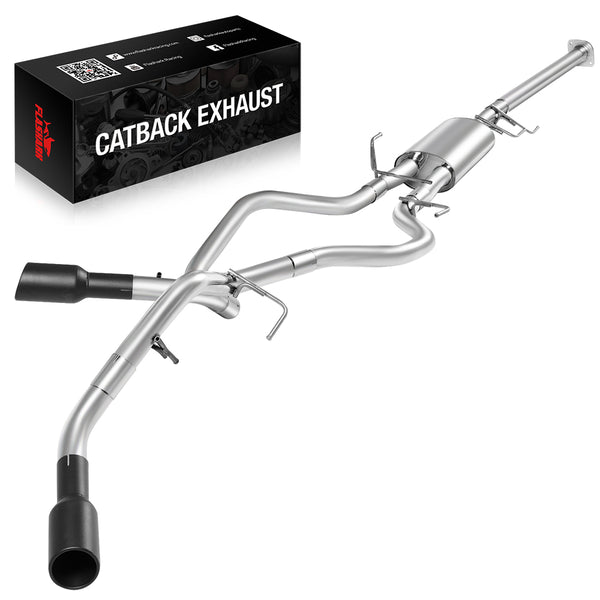
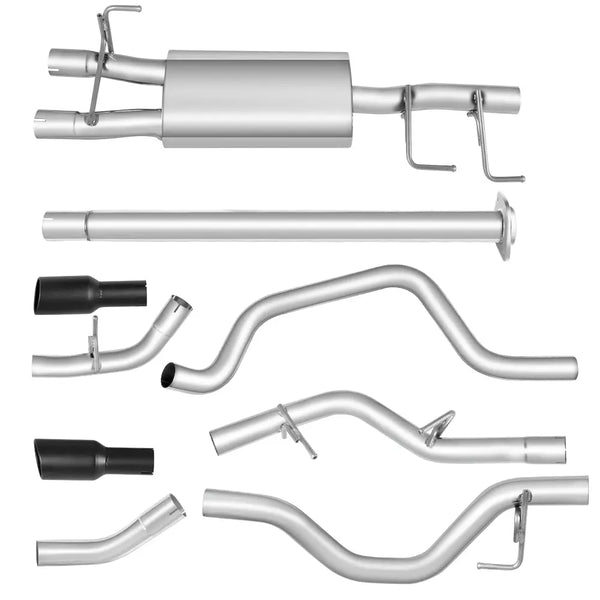


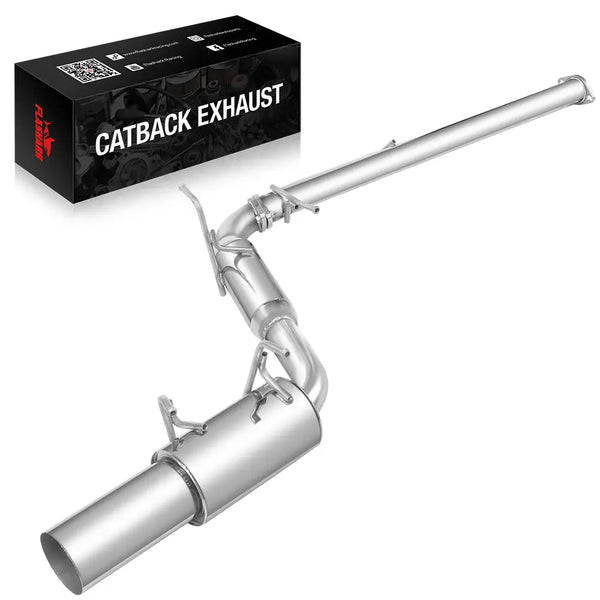
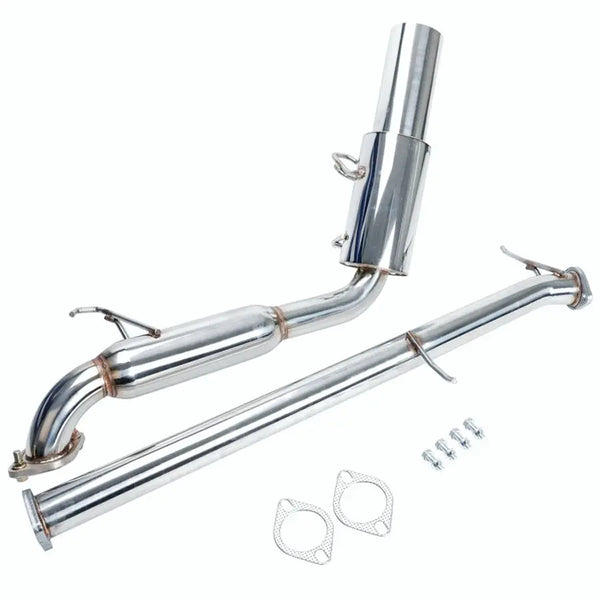
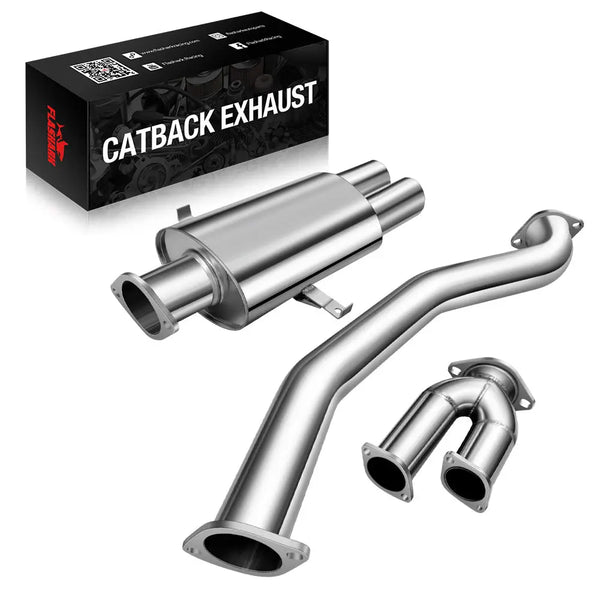
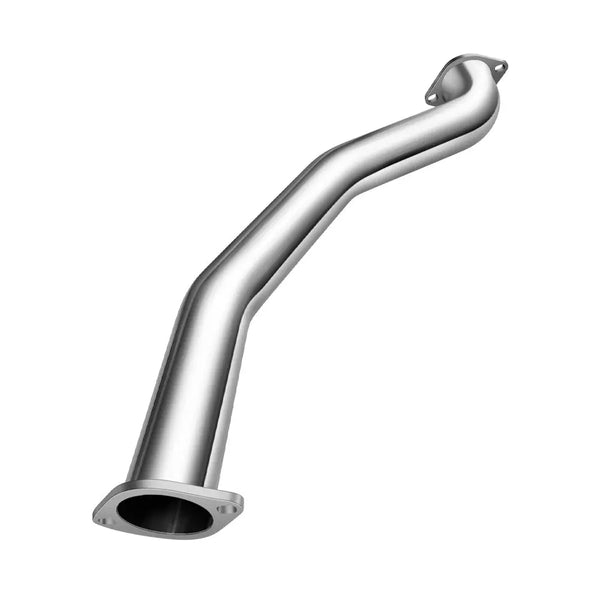
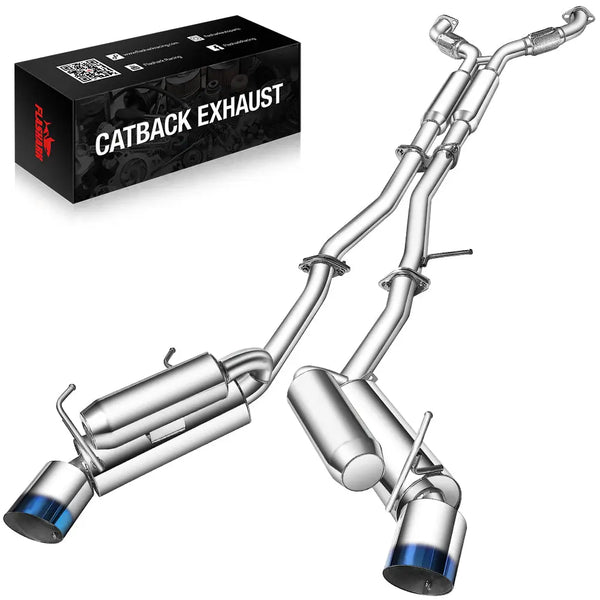
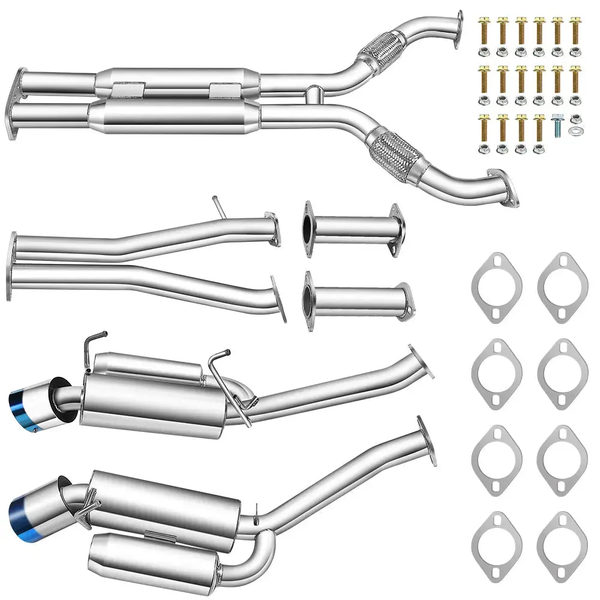
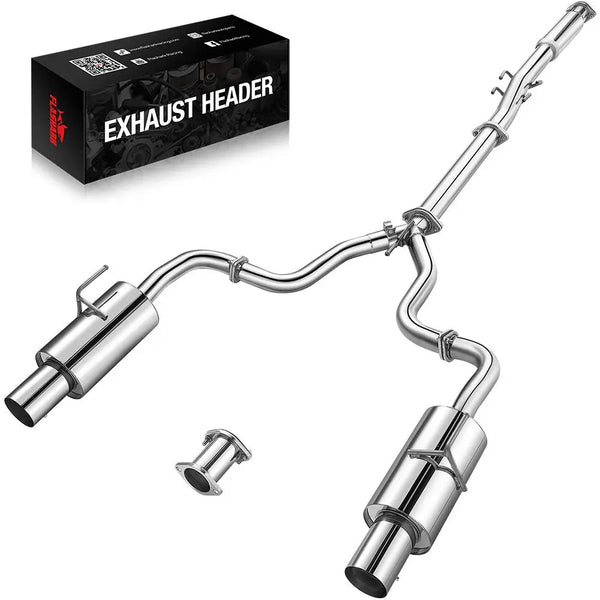
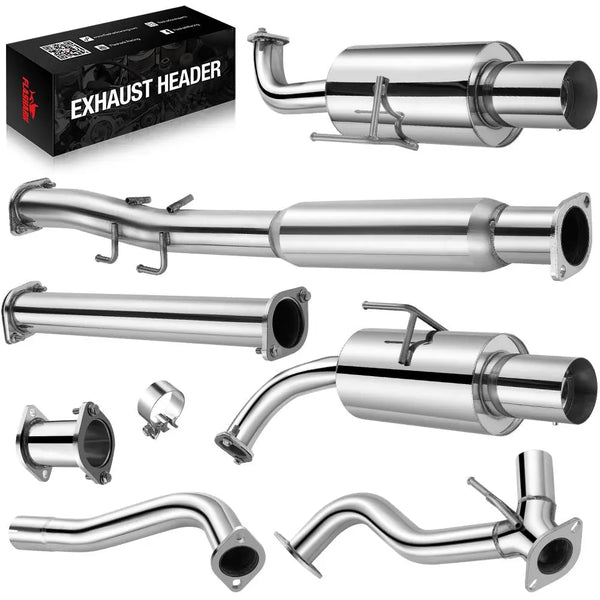
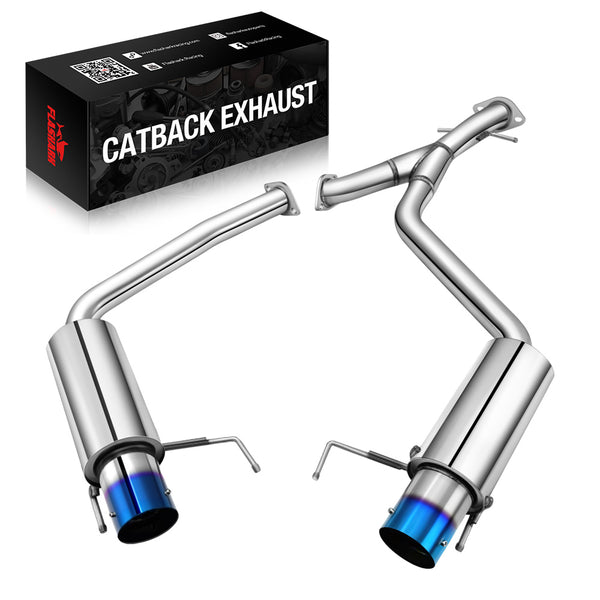
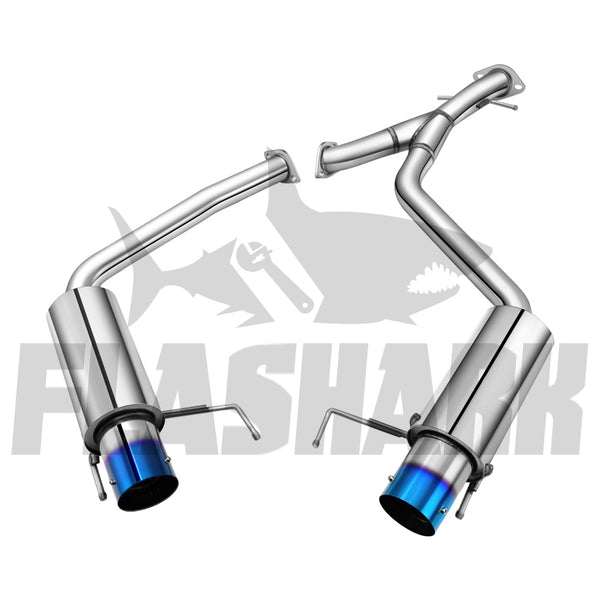
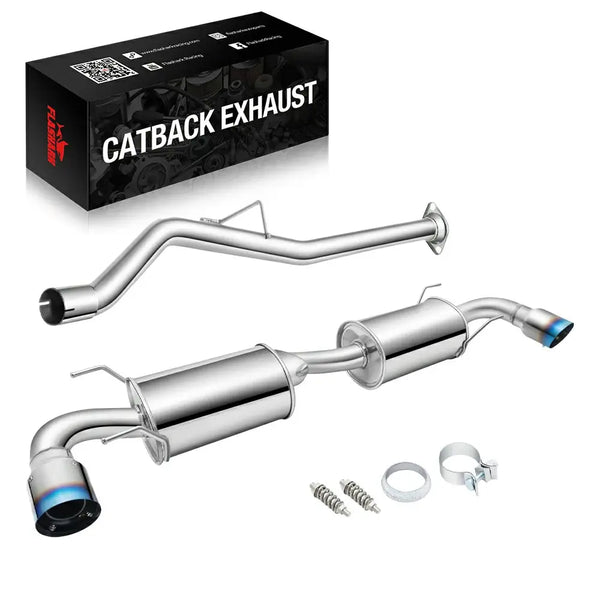
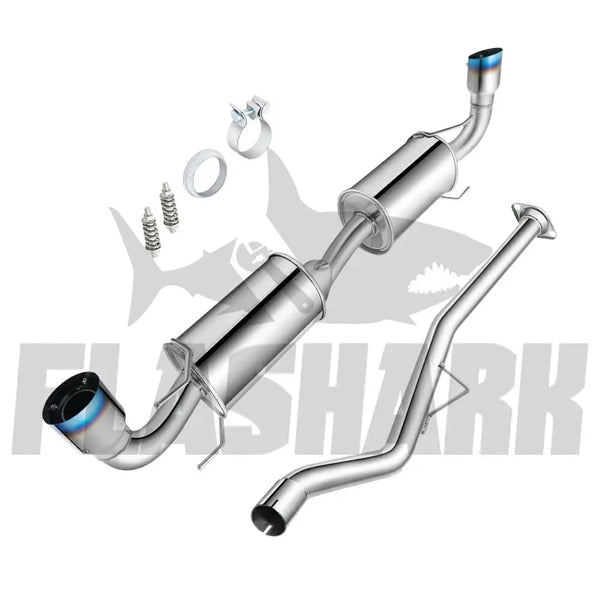
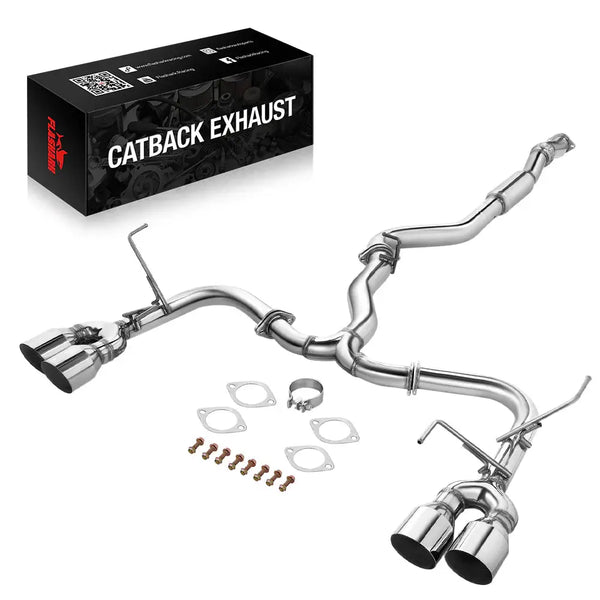
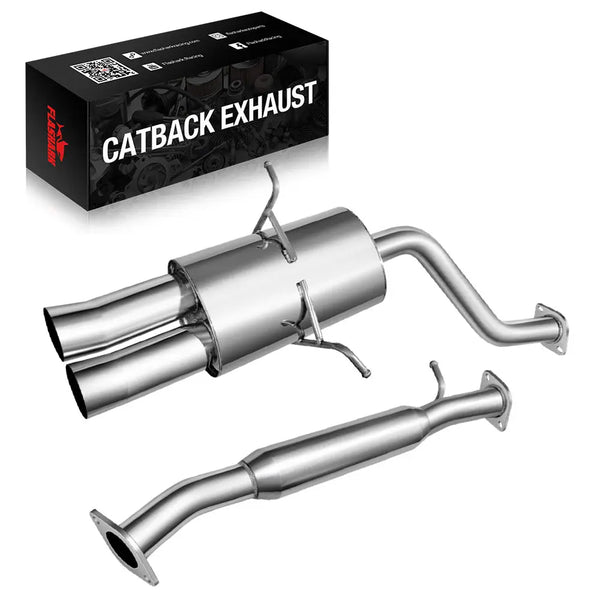
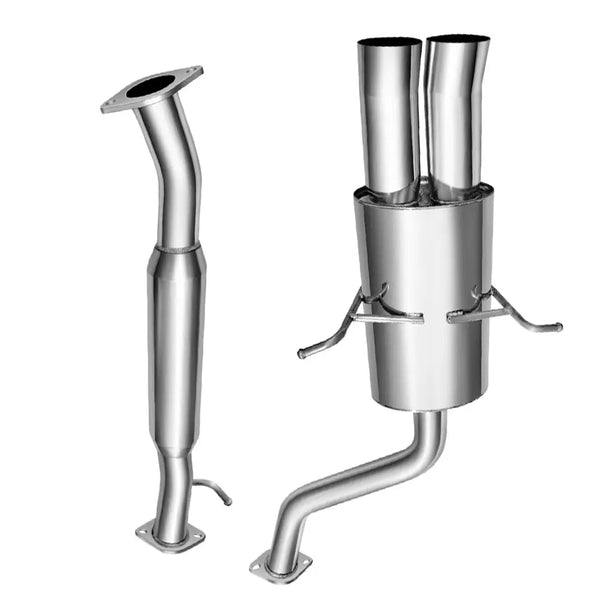
Cat-Back Exhaust Systems: Wake Up Your Engine and Upgrade Your Ride
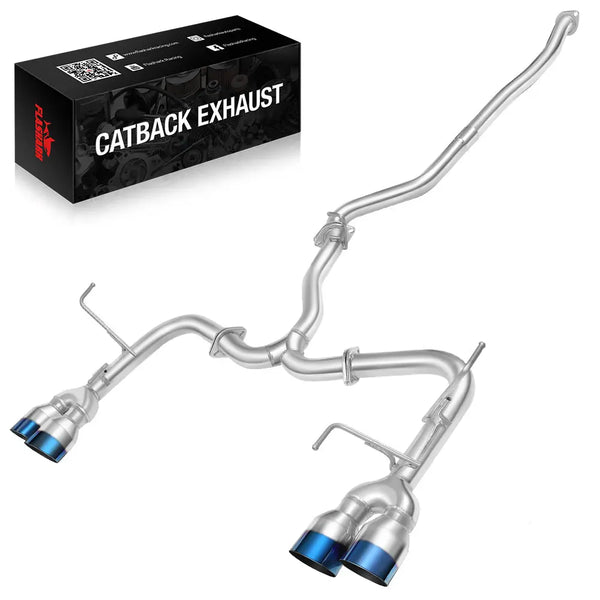
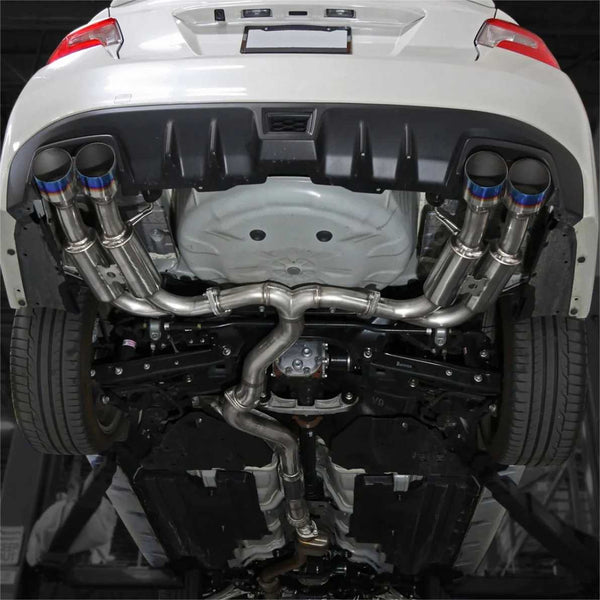
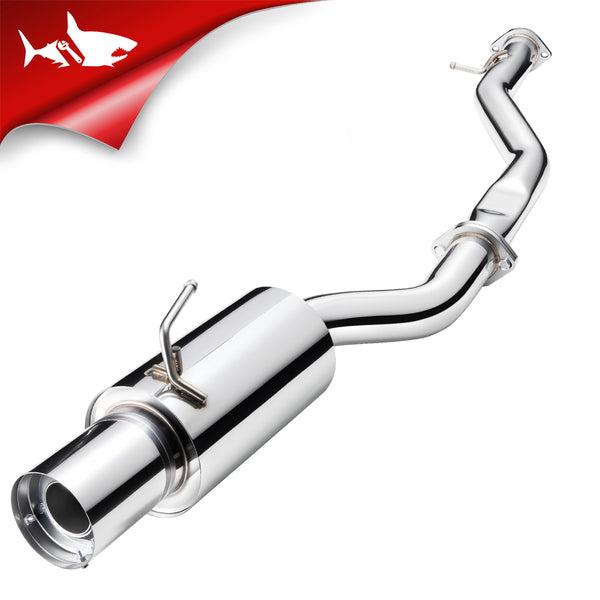
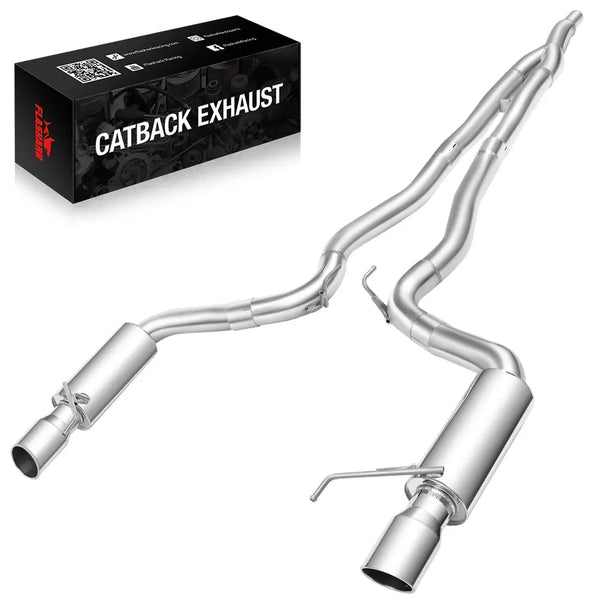
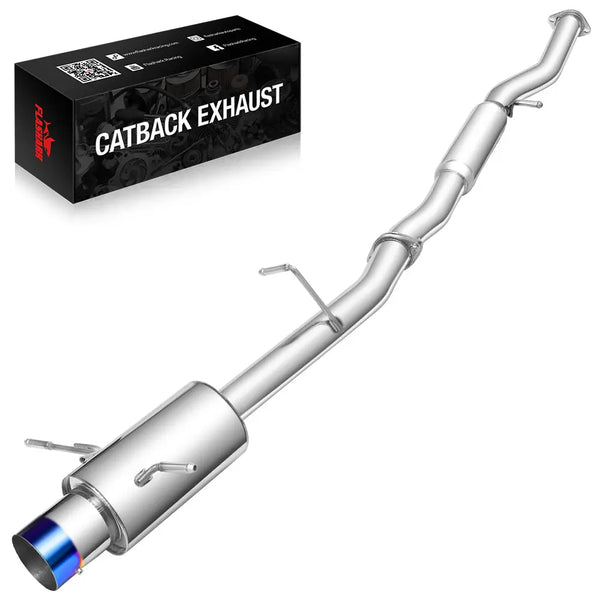
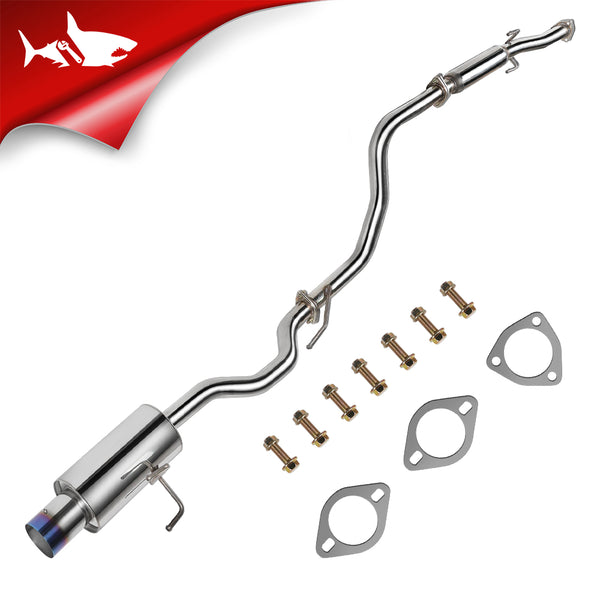
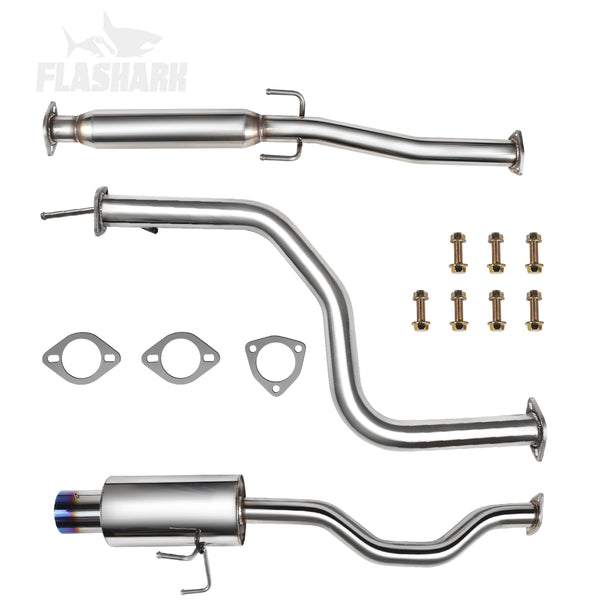
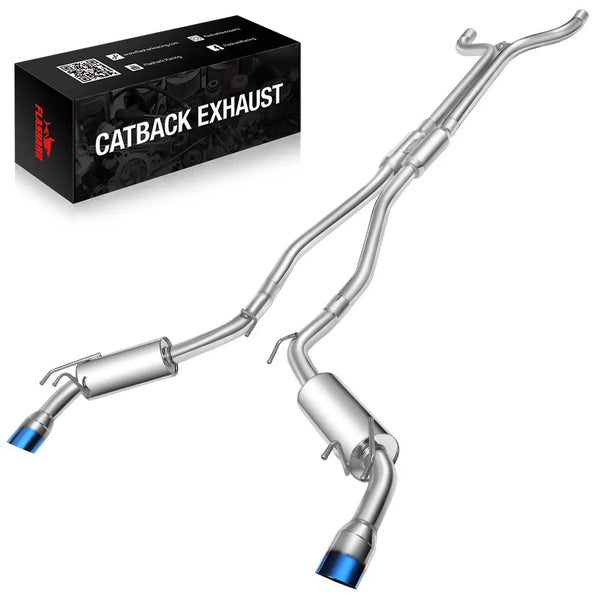
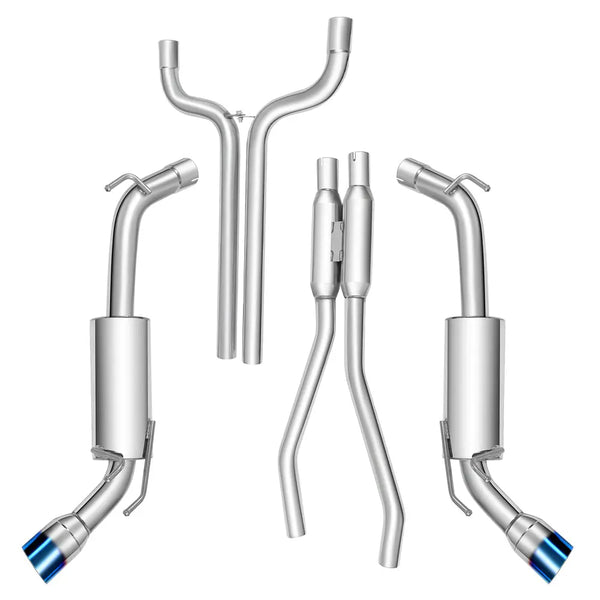
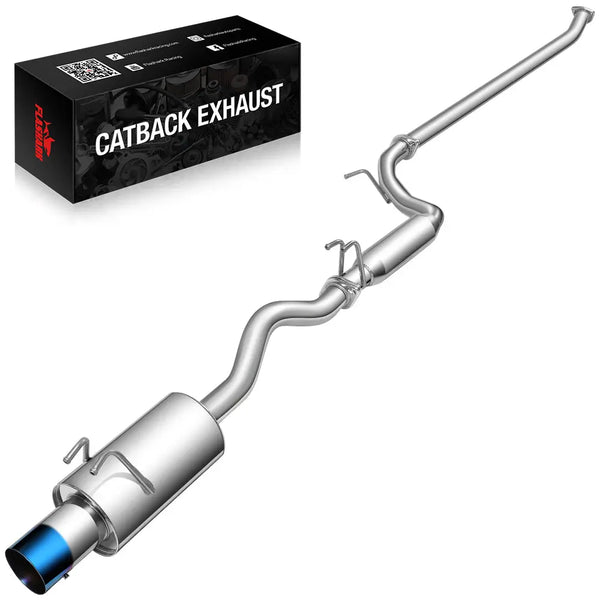
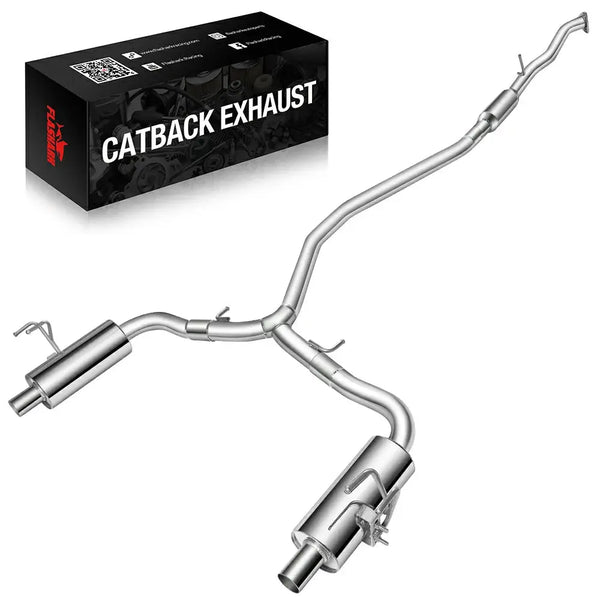
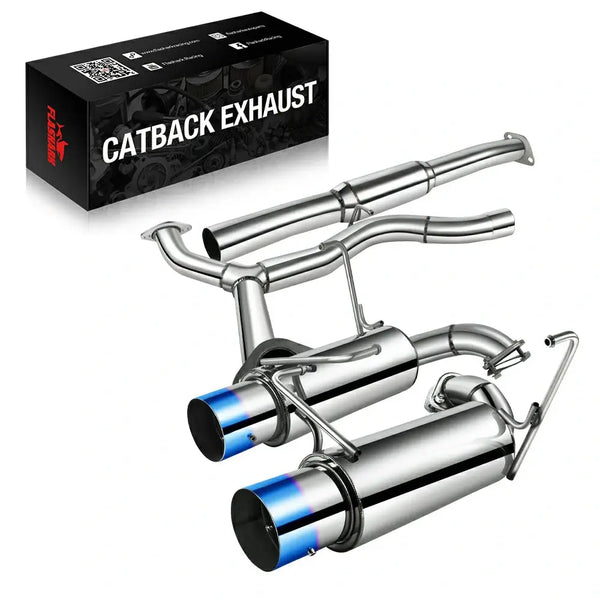
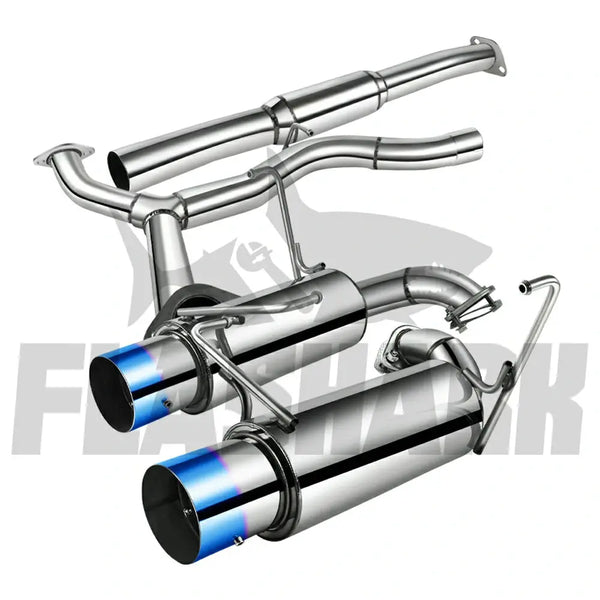
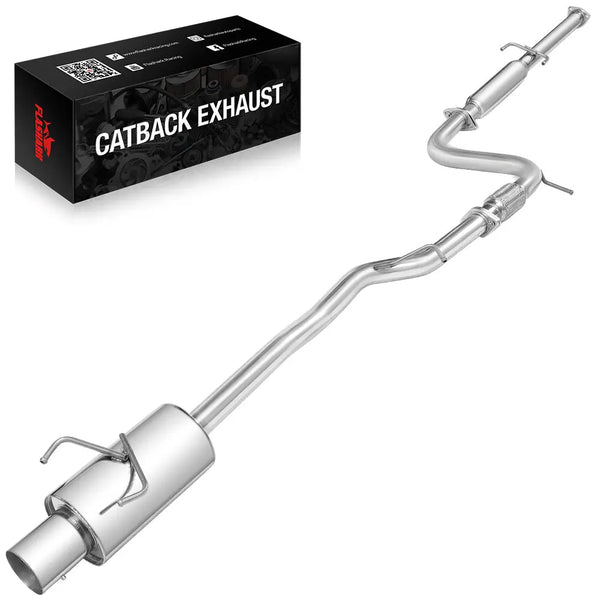
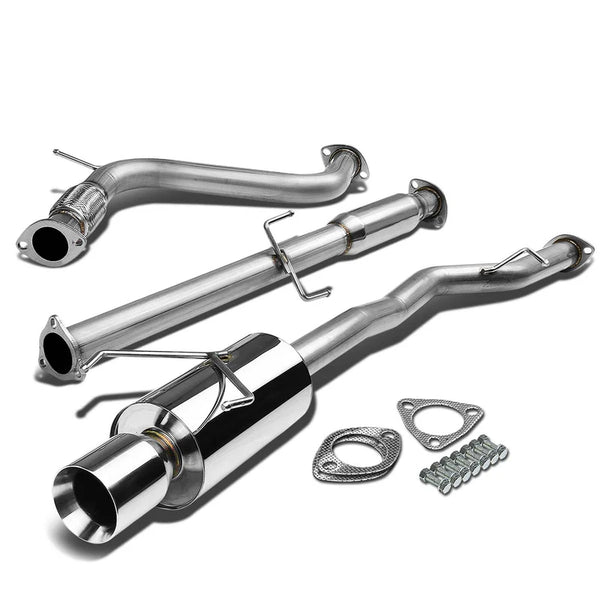
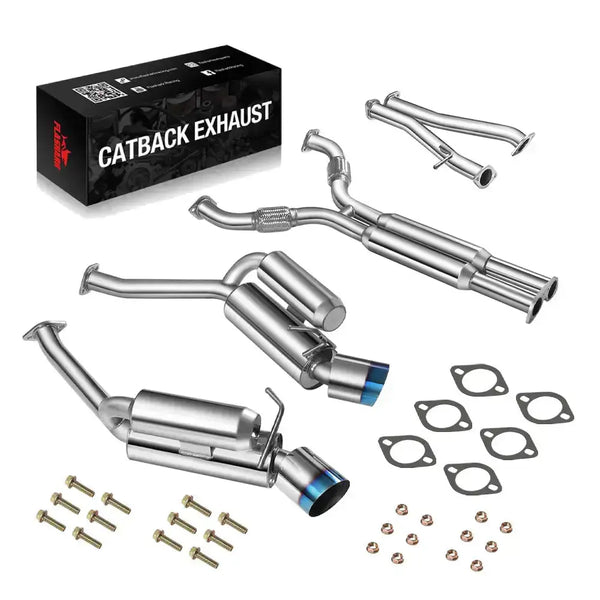
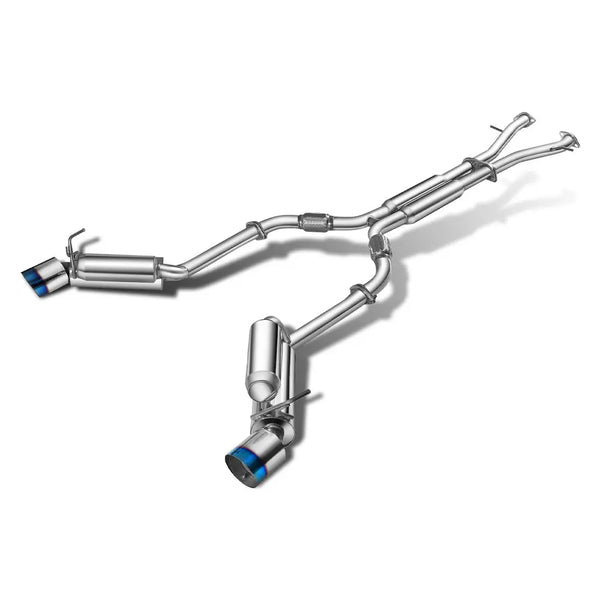
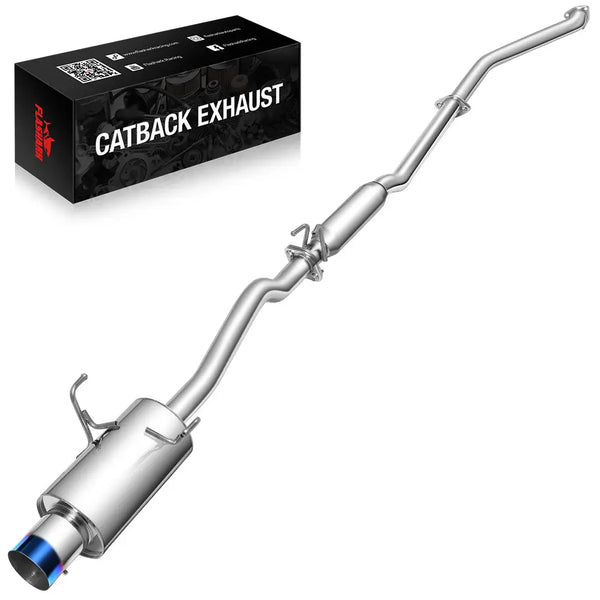
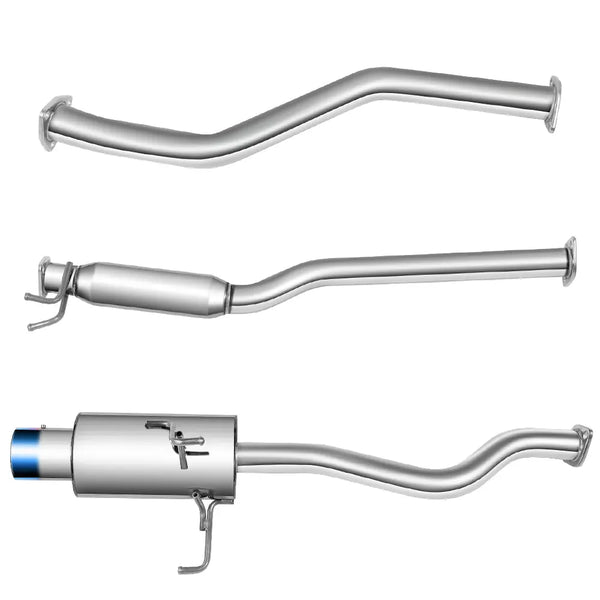
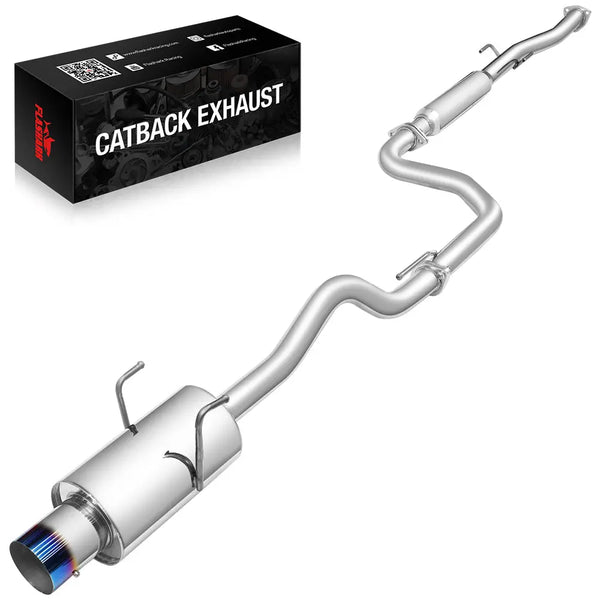
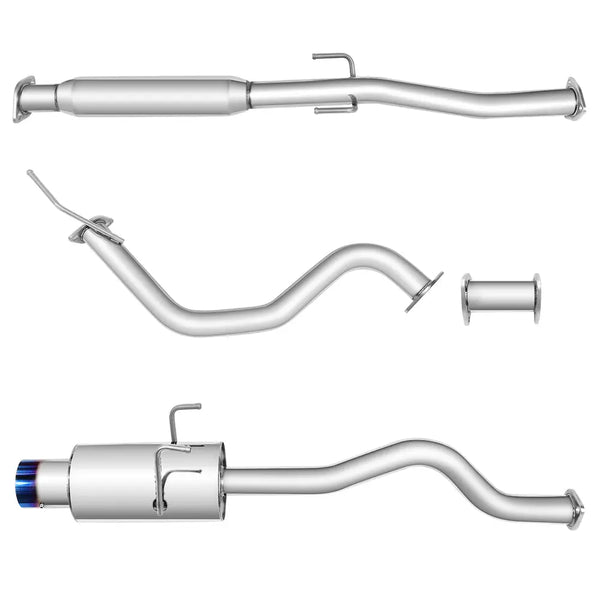
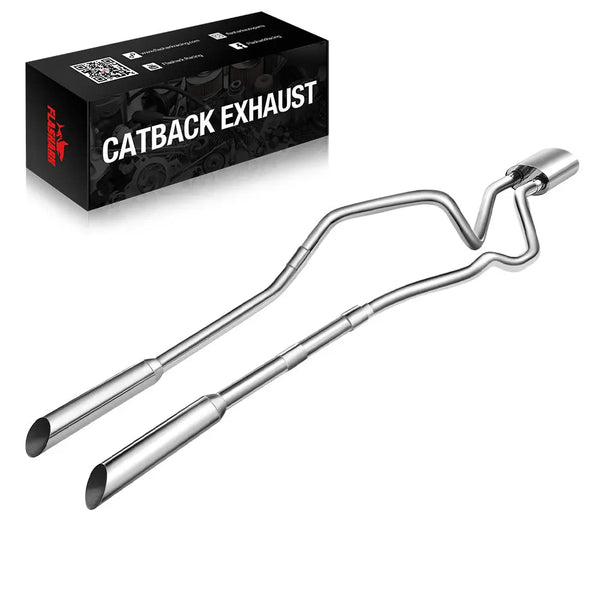
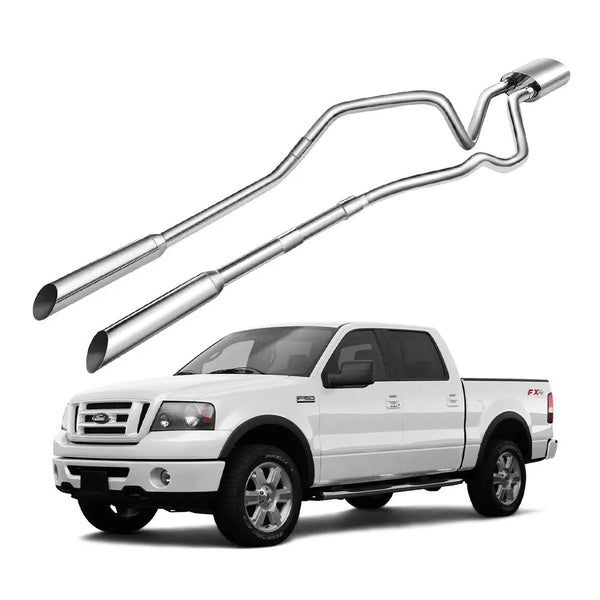
A cat back exhaust replaces the restrictive factory piping from your vehicle's catalytic converter all the way back to the exhaust tips. By smoothing out the airflow and reducing backpressure, this setup lets your engine breathe the way it was meant to—making it one of the absolute best bolt-on upgrades for any street or performance build.
Compared to a simple axle-back setup, a full catback exhaust system delivers a much stronger balance of real power gains, a refined exhaust note, and aggressive styling. The best part? Because it bolts up behind the factory cats, it doesn't mess with your emissions equipment or require an immediate ECU tune.
What a Cat Back Exhaust Actually Improves
Bolting on an aftermarket catback changes the entire character of your car. For a deep dive into the engineering behind it, check out our guide: What Does a Catback Exhaust Do?
The Truth About Performance Gains
Let's talk real numbers. A well-engineered cat-back exhaust improves scavenging and reduces pumping losses. If you are driving a turbocharged car (like a WRX, GTI, or EcoBoost), the reduced backpressure helps the turbo spool faster, and you can easily see gains of 10–20+ horsepower. If you are driving a naturally aspirated (NA) vehicle, you’ll typically see a solid 5–10 HP bump, but what you’ll really feel is the significantly sharper throttle response and stronger mid-range torque. Curious about the math? Read How Much HP Does a Catback Exhaust Add?
Waking Up the Exhaust Sound
Factory exhausts are designed to be quiet and boring. Upgrading your cat back enhances the tone by optimizing the sound waves. Whether you want a deep, smooth rumble or an aggressive, crackling roar, the right system gives your car a voice without making cabin drone unbearable.
Long-Term Durability and Styling
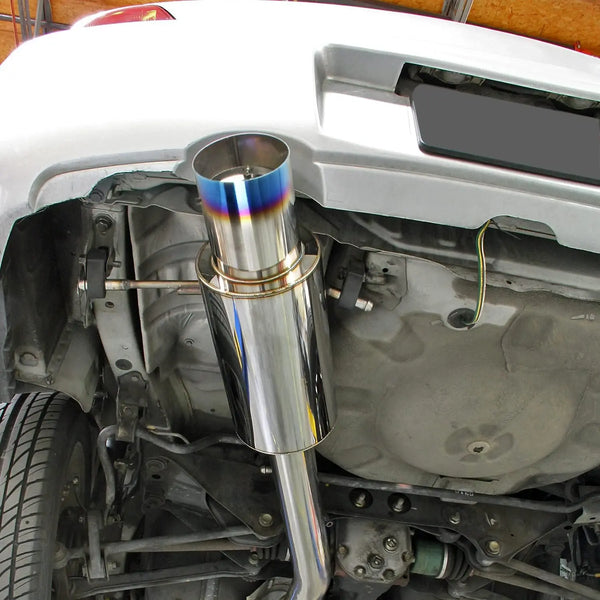
Most factory exhausts are made from cheap mild steel that rusts out over time. Our aftermarket systems use premium stainless steel to outlast the car itself. Plus, finishing it off with polished, burnt, or carbon fiber tips completely transforms the rear-end look of your vehicle.
How to Choose the Right Cat-Back System
Not all exhausts are created equal. Here is how to pick the perfect cat back exhaust system for your specific build:
Pipe Diameter (Sizing it Right)
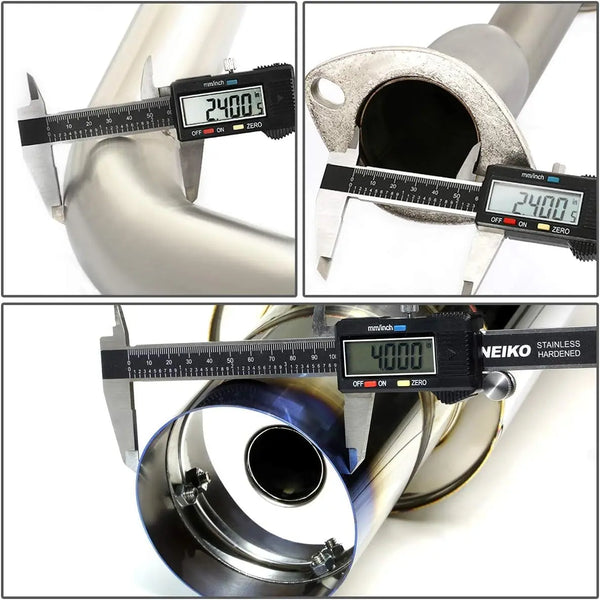
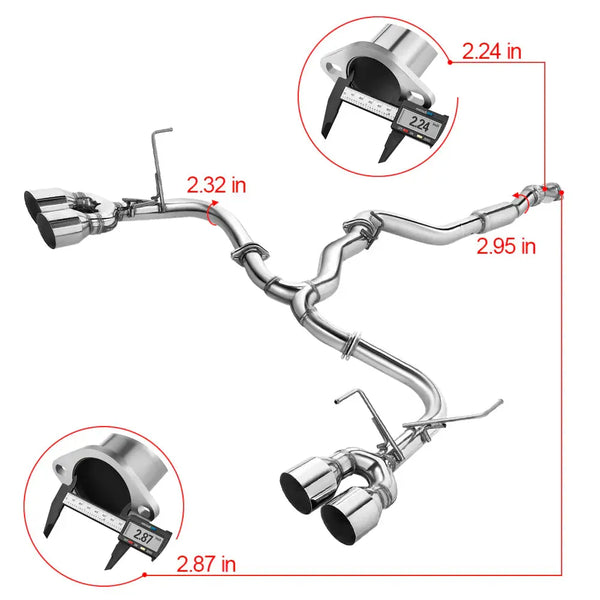
Bigger isn't always better. A 2.5-inch pipe is usually the sweet spot for naturally aspirated or lightly modified street cars to maintain good exhaust velocity (which creates torque). If you are pushing high boost on a turbo setup or building a high-horsepower V8, stepping up to a 3-inch system prevents top-end choking.
Material Selection (The Rust Reality)
- T-304 Stainless Steel: The absolute gold standard. Highly corrosion-resistant and perfect if you live in the salt belt or near the ocean.
- T-409 Stainless Steel: Extremely durable and budget-friendly. *Mechanic's Note:* 409 will develop a harmless, brownish surface rust over time when exposed to heat and moisture, but it will not rust through or fail.
- Titanium: The ultimate choice for massive weight reduction and a premium, exotic tone.
Sound & Drone Control
If this is your daily driver, look for a "resonated" catback. Resonators act like sound filters, eliminating the annoying highway drone while keeping the aggressive tone when you step on the gas. If it's a weekend track weapon, a non-resonated setup will give you maximum volume.
Why Flashark Catback Exhausts?
We build our systems for drivers who actually turn wrenches and push their cars. Here is what you get when you bolt up a Flashark kit:
- Premium T-304 & T-409 Options: Built to handle extreme heat and resist corrosion for the life of your car.
- Smooth Mandrel Bends: No crush-bent choke points. Just pure, unrestricted airflow.
- TIG-Welded CNC Flanges: Precision welds guarantee a strong seal and prevent annoying exhaust leaks under pressure.
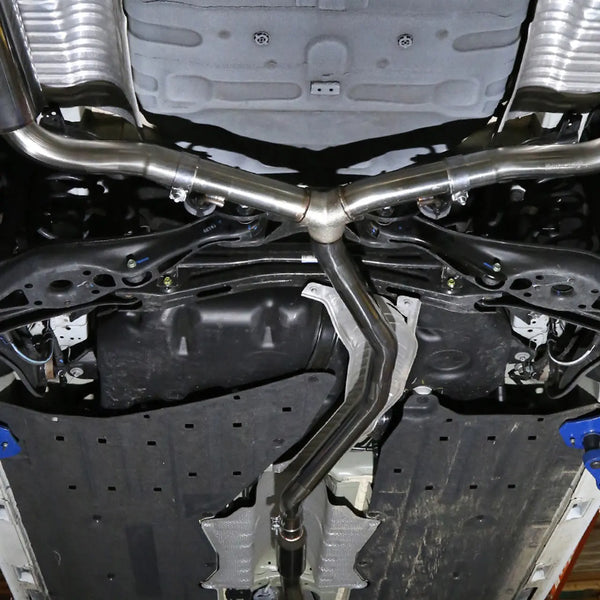
- True Bolt-On Fitment: Designed to mount directly to factory hanger locations. No welding, no cutting—just bolt it up in your driveway.
- Zero Check Engine Lights (CEL): Because our cat back setups install downstream of the emissions sensors, your dash stays clear.
Cat Back vs. Axle-Back: What's the Difference?
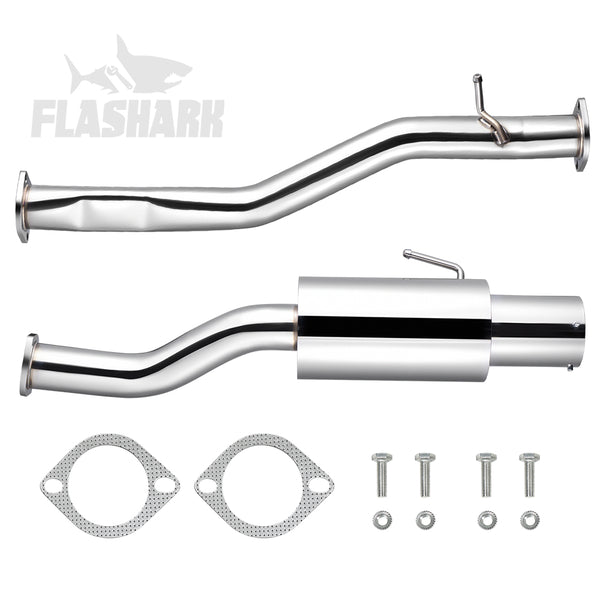
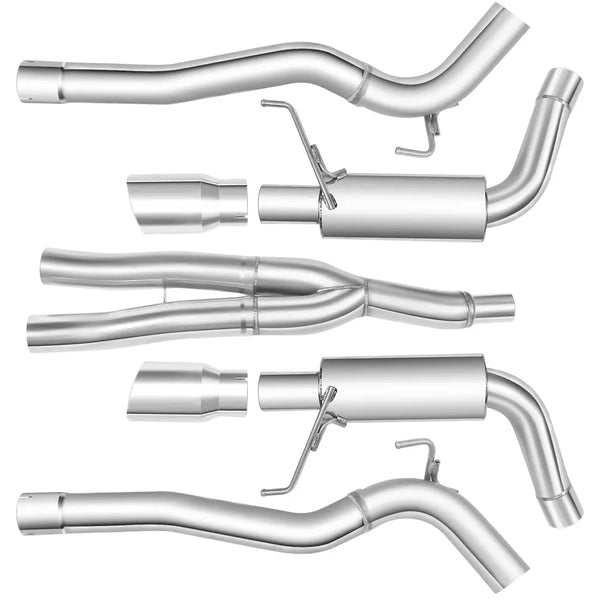
Still on the fence? A cat back exhaust replaces the mid-pipe, resonator, and muffler sections. It’s the complete package for unlocking airflow and totally changing the sound. An axle-back only replaces the mufflers behind the rear axle—it’s cheaper and changes the sound, but offers almost zero horsepower gains. Read our full Cat Back vs Axle Back guide here.
Shop Catback Exhausts by Vehicle Brand
- Honda Catback Exhaust
- Nissan Catback Exhaust
- Toyota Catback Exhaust
- Ford Catback Exhaust
- Chevy Catback Exhaust
- BMW Catback Exhaust
- Mazda Catback Exhaust
- Subaru Catback Exhaust
- Lexus Catback Exhaust
- Hyundai Catback Exhaust
- Mitsubishi Catback Exhaust
FAQ – Expert Answers to Common Questions
Q1: What exactly does a cat back exhaust system do?
A1: It replaces everything behind your catalytic converter, including the restrictive factory mid-pipe, resonator, and mufflers. This significantly improves exhaust flow, giving you more power, better throttle response, and a much deeper, sportier sound.
Q2: Will installing a cat-back trigger a Check Engine Light (CEL) or require a tune?
A2: No. Because these systems bolt up after the catalytic converter and the factory O2 sensors, your car’s computer won’t throw any codes. You get a direct bolt-on upgrade without needing an ECU tune to make it run properly.
Q3: Be honest, how much horsepower will I actually gain?
A3: It depends on your engine. Turbocharged engines benefit the most from reduced backpressure, often seeing gains of 10–20 HP as the turbo spools faster. For naturally aspirated (non-turbo) engines, expect a realistic bump of 5–10 HP, plus a noticeable improvement in low-end torque.
Q4: Will this make my daily driver unbearably loud on the highway?
A4: Not if you choose the right setup. If you are worried about highway "drone" (that annoying buzzing sound at steady cruising speeds), we highly recommend choosing one of our resonated catback kits. They filter out the harsh frequencies while keeping the aggressive rumble when you accelerate.
Q5: Are cat back exhausts street legal?
A5: From an emissions standpoint, yes. Since a cat back does not remove or alter your catalytic converters, it complies with federal emissions standards. However, local noise ordinances (like California's strict 95-decibel limit) vary greatly. Always check your local noise laws if you are opting for a non-resonated or straight-pipe style setup.
Q6: Should I choose T-304 or T-409 stainless steel?
A6: If you live in an area with harsh winters and salted roads, invest in T-304—it will never rust. If you live in a drier climate or are on a tighter budget, T-409 is fantastic. Just know that T-409 can develop a light brownish surface rust over time due to heat cycling, but it maintains its structural integrity and won't rot out.
Q7: Can a new exhaust really improve my gas mileage?
A7: Technically, yes. By reducing pumping losses, the engine doesn't have to work as hard to push exhaust gases out, which can slightly improve your highway MPG. However, most drivers love their new exhaust sound so much that they step on the gas pedal more often, which cancels out any fuel savings!
Q8: Is it hard to install a catback exhaust in my driveway?
A8: It is one of the easiest DIY projects you can tackle. Our kits are engineered for direct fitment using factory hanger points. You don't need a welder. All you need are a set of jack stands, basic hand tools, and a can of penetrating oil (like WD-40 or PB BLASTER) to help loosen those old, rusty factory bolts.
Q9: Why shouldn't I just save money and buy an axle-back?
A9: An axle-back only changes the mufflers. It's essentially just a "noise-maker" upgrade. A full catback exhaust system replaces the restrictive mid-pipe as well, which is where the actual horsepower, torque, and airflow benefits come from.


