


 Need car parts? Shop by vehicle
(Select the exact fit for your vehicle)
Need car parts? Shop by vehicle
(Select the exact fit for your vehicle)
Admisión de aire frío de Ford
Compre tomas de aire frío por marca: Dodge | Ford | GMC | Honda | Infiniti | Jeep | Nissan | Toyota | Volkswagen
Compre por modelo: Tomas de aire frío para Ford F-150 | Tomas de aire frío para Ford Mustang | Tomas de aire frío para Ford F-250 | Tomas de aire frío para Ford F-350
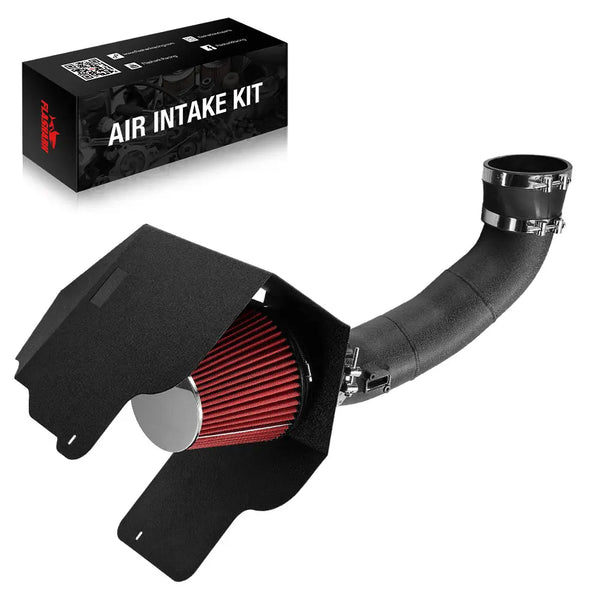
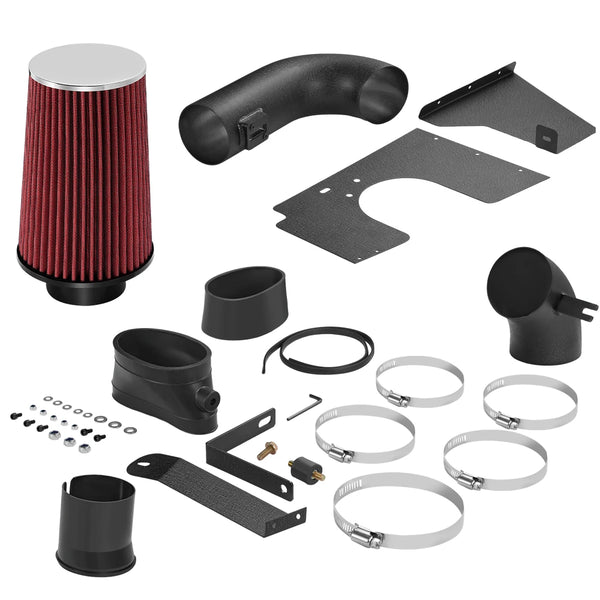
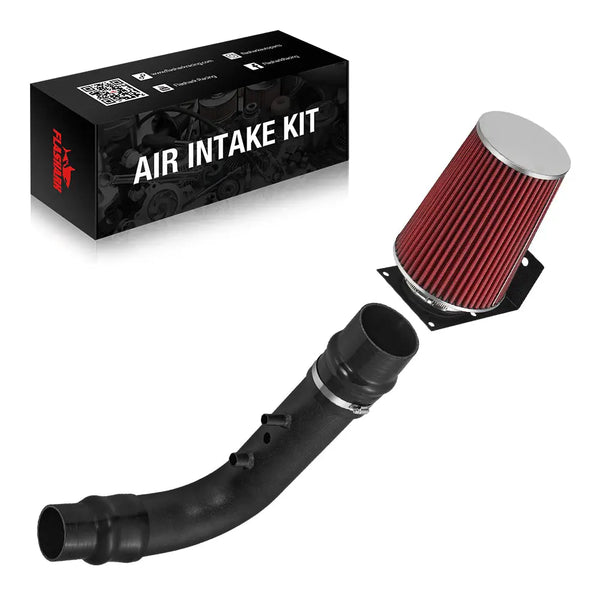
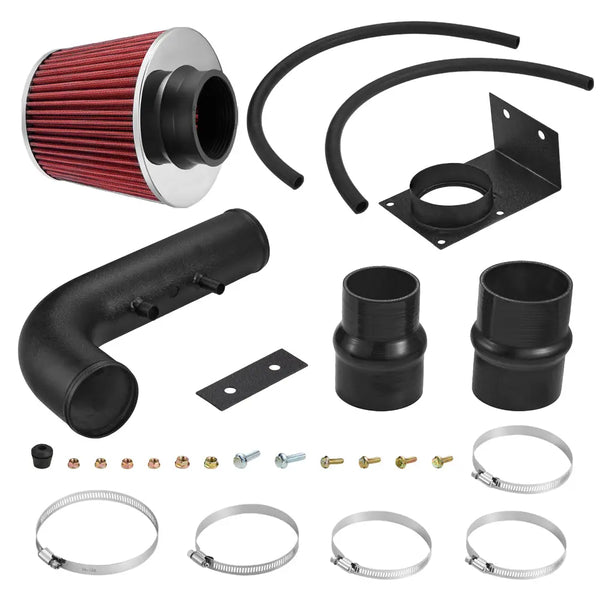
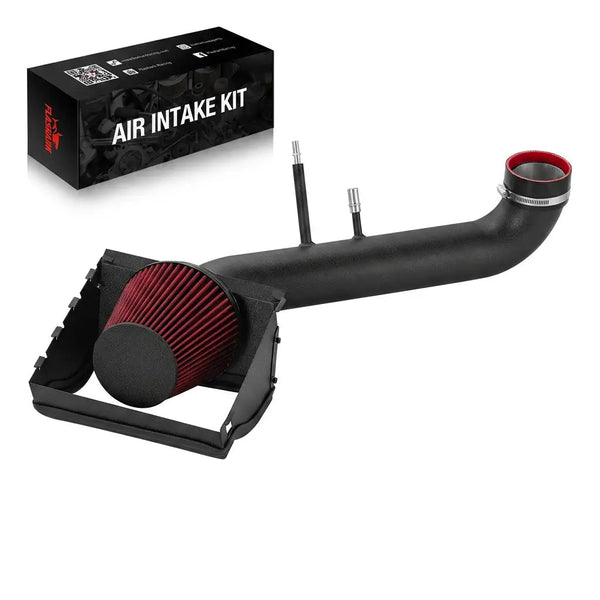
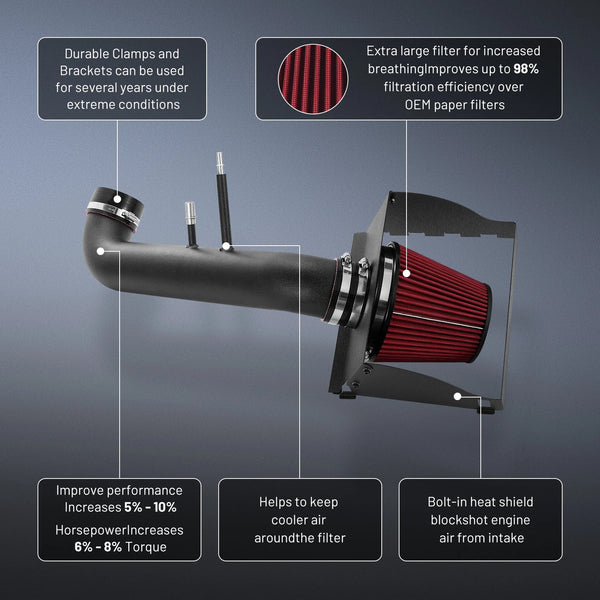
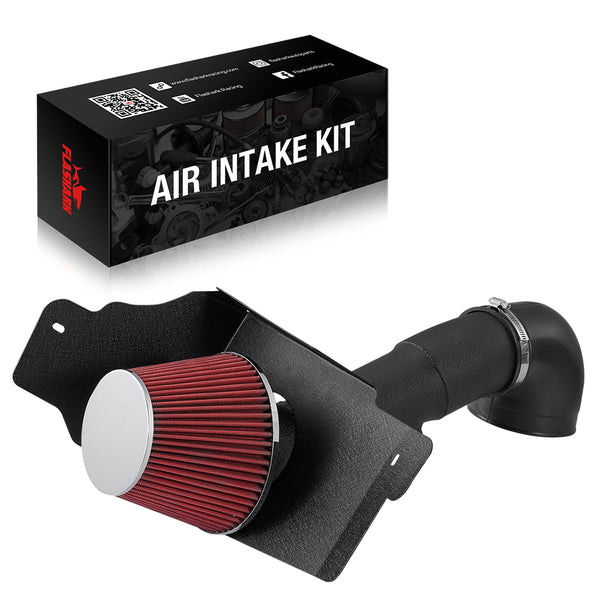
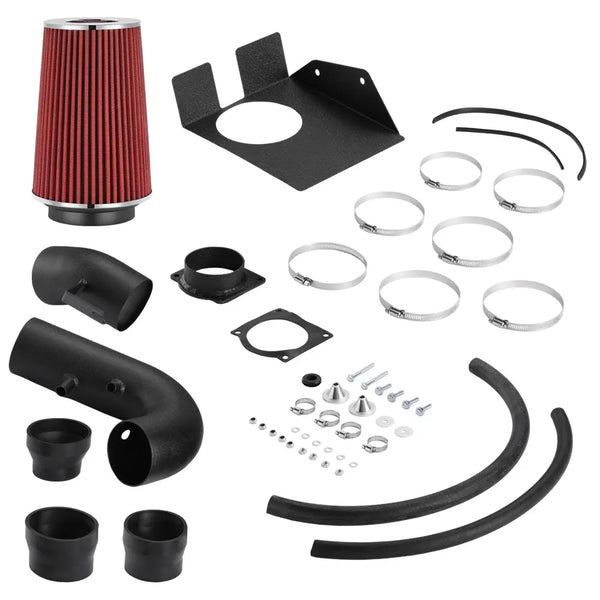
Compre kits de admisión de aire frío Ford y componentes de admisión para aplicaciones seleccionadas de Mustang, F-150, Expedition, Excursion y Super Duty. Dependiendo del vehículo y el diseño de la admisión, estas actualizaciones pueden proporcionar un sonido de inducción más notorio, una apariencia más limpia del compartimiento del motor y una ruta de admisión menos restrictiva que la caja de aire de fábrica.
Esta colección cubre motores de gasolina de aspiración natural seleccionados, aplicaciones EcoBoost, plataformas Triton V8 y V10, y varias generaciones de diésel Power Stroke desde 1994 hasta 2019.
Seleccione su modelo exacto de Ford, año del modelo y motor, luego confirme los detalles de ajuste en la página del producto individual antes de realizar el pedido.



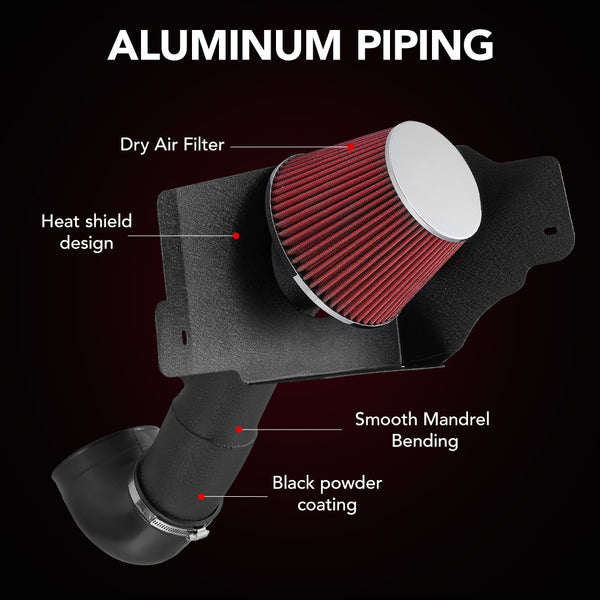
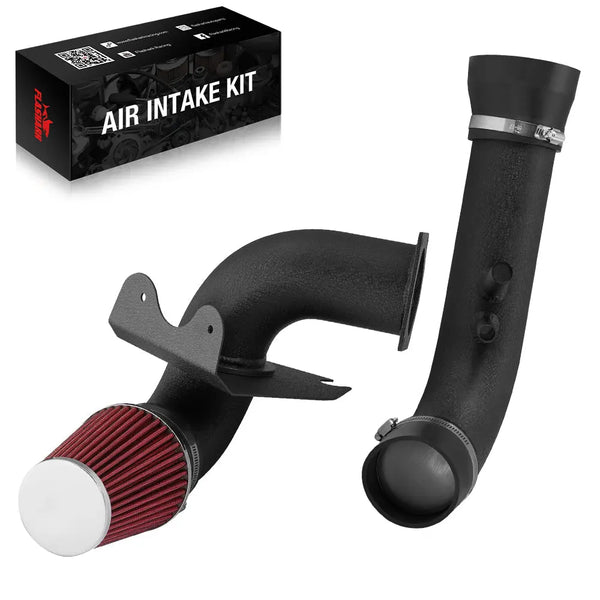
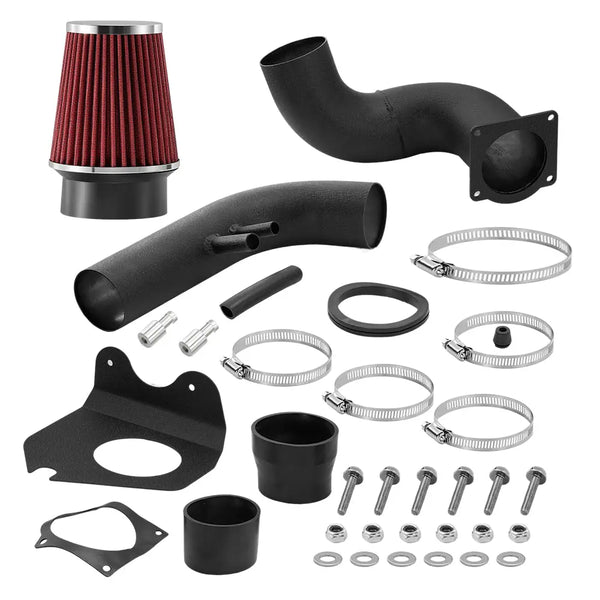
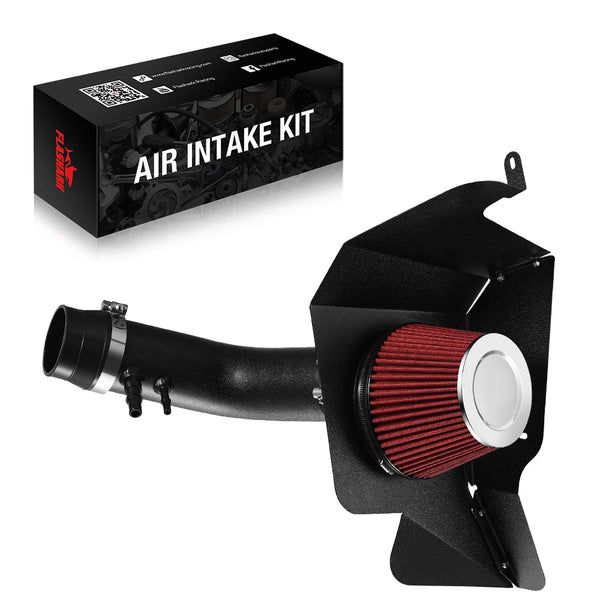




Compre tomas de aire frío por marca: Dodge | Ford | GMC | Honda | Infiniti | Jeep | Nissan | Toyota | Volkswagen
Compre por modelo: Tomas de aire frío para Ford F-150 | Tomas de aire frío para Ford Mustang | Tomas de aire frío para Ford F-250 | Tomas de aire frío para Ford F-350
Compre kits de admisión de aire frío Ford y componentes de admisión para aplicaciones seleccionadas de Mustang, F-150, Expedition, Excursion y Super Duty. Dependiendo del vehículo y el diseño de la admisión, estas actualizaciones pueden proporcionar un sonido de inducción más notorio, una apariencia más limpia del compartimiento del motor y una ruta de admisión menos restrictiva que la caja de aire de fábrica.
Esta colección cubre motores de gasolina de aspiración natural seleccionados, aplicaciones EcoBoost, plataformas Triton V8 y V10, y varias generaciones de diésel Power Stroke desde 1994 hasta 2019.
Seleccione su modelo exacto de Ford, año del modelo y motor, luego confirme los detalles de ajuste en la página del producto individual antes de realizar el pedido.
Elegir el kit de admisión de aire Ford adecuado
Encontrar el kit de admisión de aire Ford adecuado comienza con el ajuste, no con el diámetro del tubo o el color del filtro. Ford cambió la ubicación de la caja de aire, los ángulos del cuerpo del acelerador, las carcasas del sensor MAF, las conexiones del respiradero y los puntos de montaje en todas las generaciones de vehículos, incluso cuando dos vehículos usan motores con la misma cilindrada.
Una admisión correctamente emparejada debe seguir la ruta prevista sin tirar del cableado del MAF, estirar un acoplador o colocar el filtro contra el capó, el soporte del radiador, el cableado o un componente caliente del motor. También debe incluir las conexiones y el hardware requeridos por la aplicación específica.
Antes de comprar
- Seleccione por año exacto, modelo, familia de motor y diseño de admisión, no solo por cilindrada.
- Confirme si la lista es un sistema de admisión completo o un único componente de admisión.
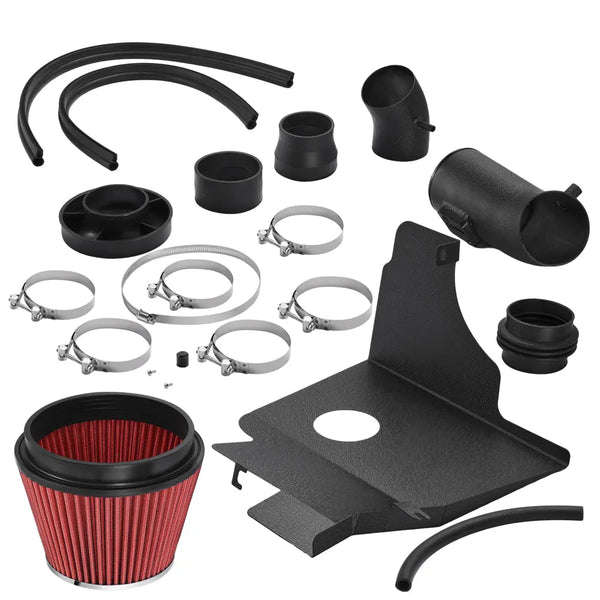
- Verifique la carcasa del MAF, la posición del sensor, los accesorios del respiradero, los acopladores y los soportes de montaje.
- Espere que los cambios en el sonido y la respuesta del acelerador sean más notorios que la potencia máxima en muchos vehículos de aspiración natural de serie.
- Las carcasas de MAF sobredimensionadas y las construcciones muy modificadas pueden requerir cambios de calibración.
Modelos Ford y familias de motores cubiertas
Esta es una colección a nivel de marca para aplicaciones seleccionadas, no para todos los vehículos Ford jamás producidos. Utilice la tabla como punto de partida, luego confirme los años exactos, el motor, el tipo de combustible y la configuración del producto en la lista individual.
| Plataforma Ford | Años mostrados | Familias de motores mostradas | Notas de ajuste |
|---|---|---|---|
| Ford Mustang | 1994–2018, según el motor | 5.0L Windsor, 3.8L Essex V6, 4.6L Modular V8, 3.7L Cyclone V6 y 2.3L EcoBoost | Los cambios de generación afectan el enrutamiento del tubo, la ubicación del sensor y el montaje. No asuma que los sistemas de admisión SN95, S197 y S550 son intercambiables. |
| Ford F-150 | 1997–2018, según el motor | 4.6L y 5.4L Modular/Triton V8, 5.0L Coyote V8 y 3.5L EcoBoost V6 | Confirme tanto la generación como el motor. Los productos EcoBoost 2012–2014 y 2015–2017 no deben tratarse como intercambiables. |
| Ford Expedition | 1997–2003 | 4.6L y 5.4L Modular/Triton V8 | Algunos productos se superponen con las aplicaciones correspondientes de la F-150, pero la lista individual sigue siendo la referencia de ajuste final. |
| Ford Excursion | Aplicaciones seleccionadas de 1999–2004 | 7.3L Power Stroke y 6.8L Triton V10 | Coincida el motor exacto y el tipo de combustible. Los diseños de admisión diésel y gasolina V10 no son intercambiables. |
| Ford F-250 / Ford F-350 | 1999–2019, según el motor | 7.3L, 6.0L, 6.4L y 6.7L Power Stroke; aplicaciones seleccionadas de 6.8L Triton V10 | La generación Power Stroke es crítica. La forma de la entrada del turbo, el diseño del MAF, la holgura de la batería y los soportes de apoyo pueden cambiar sustancialmente. |
| Ford F-450 / F-550 | Aplicaciones seleccionadas de 2003–2019 | 6.0L, 6.4L y 6.7L Power Stroke; aplicaciones seleccionadas de 6.8L V10 | Verifique la cobertura del chasis y del año del modelo indicados en lugar de asumir que todas las admisiones de Super Duty se adaptan a todas las configuraciones. |
Qué esperar de una admisión de aire frío Ford
Los propietarios reemplazan la admisión de fábrica por varias razones. Las botas de goma y los tubos de plástico viejos pueden agrietarse, las abrazaderas pueden aflojarse y los accesorios del respiradero pueden volverse quebradizos. Otros conductores quieren una nota de inducción más profunda, un acceso más fácil a un filtro reparable o una ruta de admisión que soporte mejor otras modificaciones del flujo de aire.
En un Mustang o F-150 de aspiración natural, el cambio de sonido suele ser más fácil de notar que el cambio de potencia. Las ganancias solo por admisión en un motor mayormente de serie son generalmente modestas y pueden permanecer en el rango de un solo dígito de caballos de fuerza en la rueda. El resultado final depende del motor, la ubicación del filtro, la temperatura del aire de admisión, la calibración, el estado del vehículo y las modificaciones de apoyo.
Las aplicaciones EcoBoost y Power Stroke son menos predecibles. Reducir la restricción antes del compresor puede soportar el flujo de aire, particularmente en vehículos modificados, pero no hay un número único de caballos de fuerza que se aplique a cada motor turboalimentado de gasolina o diésel en esta colección. Empareje el producto con el vehículo y el uso previsto en lugar de confiar en una afirmación de una construcción no relacionada.
MAF, luz de verificación del motor y ajuste
El sensor de flujo de masa de aire mide el aire dentro de una carcasa y un patrón de flujo de aire específicos. Cambiar el diámetro de la carcasa, la orientación del sensor o la forma del tubo circundante puede alterar la señal enviada a la ECU incluso cuando el motor consume la misma cantidad total de aire.
Un sensor MAF al revés o mal asentado, una carcasa de gran tamaño o una fuga de aire aguas abajo del sensor pueden causar un código P0101, una condición de mezcla pobre, ralentí inestable, vacilación o una corrección excesiva de la compensación de combustible. Cuando un Ford comienza a funcionar mal inmediatamente después de la instalación de una admisión, inspeccione los componentes que se acaban de quitar o alterar antes de reemplazar los sensores.
Comience con estas comprobaciones:
- Confirme que el sensor MAF mira en la dirección correcta.
- Inspeccione la junta tórica o la junta del sensor en busca de daños o un mal asentamiento.
- Verifique cada acoplador alrededor de toda su circunferencia.
- Coloque las abrazaderas detrás del reborde del tubo en lugar de en el borde.
- Vuelva a conectar todos los accesorios de PCV, respiradero, vacío y tubo de sonido.
- Asegúrese de que ninguna manguera esté doblada, estirada, abierta o tapada incorrectamente.
- Verifique que el tubo y el filtro no entren en contacto con el capó, el cableado, la cubierta del ventilador o los componentes calientes.
- Vuelva a verificar las abrazaderas y los soportes de apoyo después del primer ciclo de calor completo.
Muchos kits convencionales que mantienen un diámetro de carcasa MAF casi de serie pueden funcionar con la calibración de fábrica cuando se instalan correctamente. Puede ser necesario un ajuste cuando la carcasa es sustancialmente más grande, la ubicación del sensor cambia o el vehículo tiene turbocompresores mejorados, inyectores, componentes de combustible, componentes de escape u otras modificaciones importantes del flujo de aire. Los vehículos que ya están ajustados deben usar el diámetro de la carcasa y la configuración de admisión esperados por la calibración.
Nota de diagnóstico: una prueba de humo puede ayudar a localizar una pequeña fuga de aire no medida aguas abajo del MAF. Repare la fuga física antes de borrar los códigos o restablecer las compensaciones de combustible aprendidas.
Instalación, calor y exposición al agua
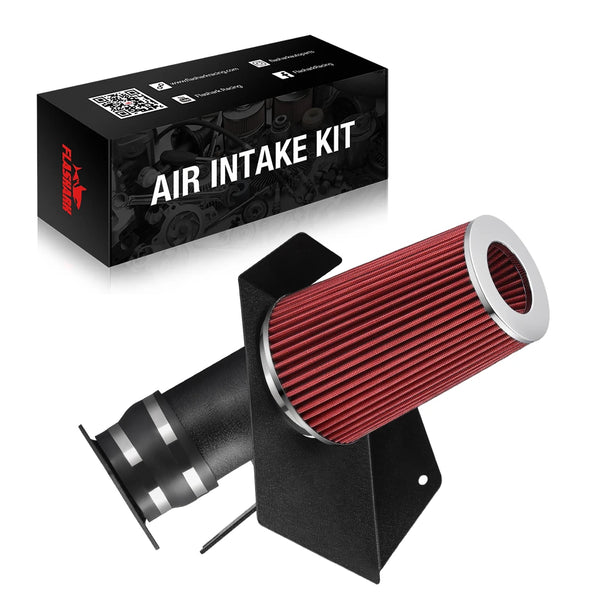
Las palabras "admisión de aire frío" no le dicen exactamente dónde se asentará el filtro. Algunos sistemas retienen parte de la ruta de aire fresco de fábrica, mientras que otros colocan un filtro abierto dentro del compartimiento del motor. Revise las fotos del producto y la ubicación del filtro instalado antes de decidir qué diseño se adapta a sus condiciones de conducción.
| Tipo de admisión | Consideración principal | Más adecuado para |
|---|---|---|
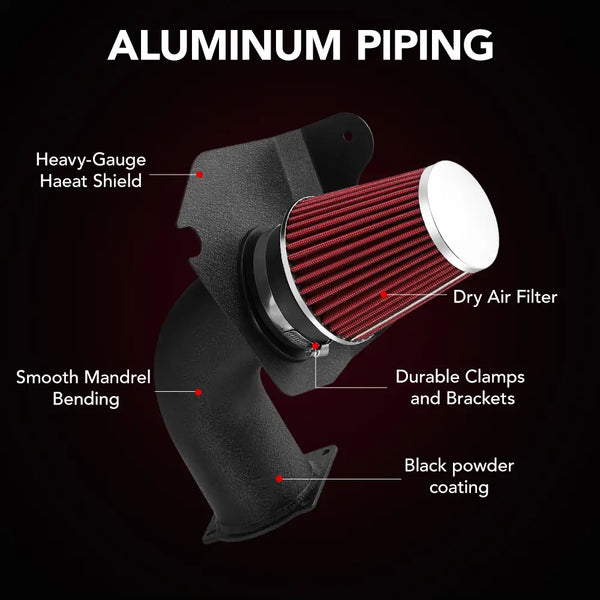
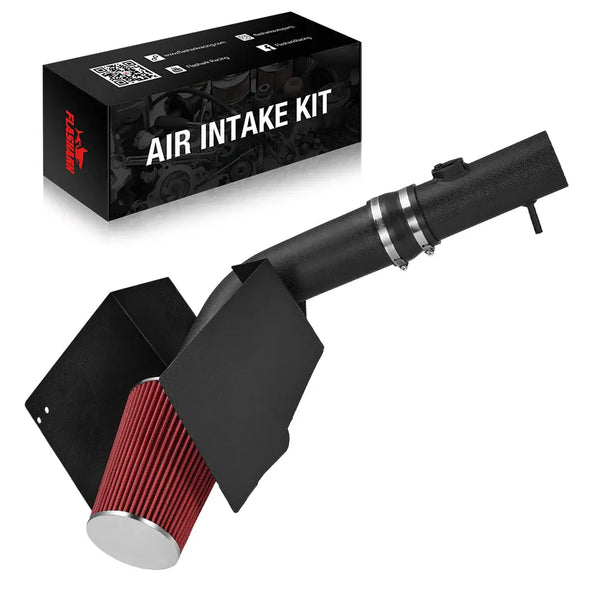
| Filtro abierto con pantalla térmica | Equilibra el sonido de inducción con cierta separación del calor del compartimiento del motor. Verifique la posición del escudo, la abertura de aire fresco y la holgura del capó. | Vehículos de gasolina de uso diario donde tanto el sonido como el control razonable del calor importan. |
| Filtro de compartimiento de motor completamente abierto | Generalmente más ruidoso pero más afectado por el aire caliente debajo del capó durante el tráfico y los arranques en caliente. | Construcciones enfocadas en el sonido con una holgura de filtro adecuada. |
| Sistema de admisión Power Stroke | Requiere la conexión correcta de entrada del turbo, la carcasa del MAF, el soporte del tubo pesado y la generación diésel. | Aplicaciones diésel Super Duty y Excursion compatibles. |
| Codo de admisión 6.0L Power Stroke | Reemplaza solo una parte de la ruta de admisión. No incluye un sistema completo de filtro y tubo. | Actualizar o reemplazar el codo manteniendo los componentes circundantes compatibles. |
El riesgo de agua depende de la posición del filtro. Un filtro montado en alto detrás de un faro o un escudo térmico generalmente está menos expuesto que uno enrutado profundamente en un guardabarros o cavidad del parachoques. Nunca conduzca a través de agua lo suficientemente profunda como para sumergir el filtro. Si el motor se cala después de la exposición al agua, deje de arrancarlo hasta que se hayan inspeccionado la admisión y los cilindros.
Los requisitos de uso en la calle también varían según la ubicación. Una admisión no elimina el convertidor catalítico, pero aún puede ser necesaria una exención de emisiones específica en California u otra área regulada. Revise la información de cumplimiento del producto individual antes de la compra.
Antes de pedir un kit de admisión de aire Ford
Utilice esta lista de verificación final antes de agregar un producto al carrito:
- Modelo y año exactos de Ford.
- Cilindrada del motor, familia de motores y tipo de combustible.
- Generación del vehículo o chasis donde se indique.
- Carcasa y posición del sensor MAF.
- Conexión del cuerpo del acelerador o de la entrada del turbo.
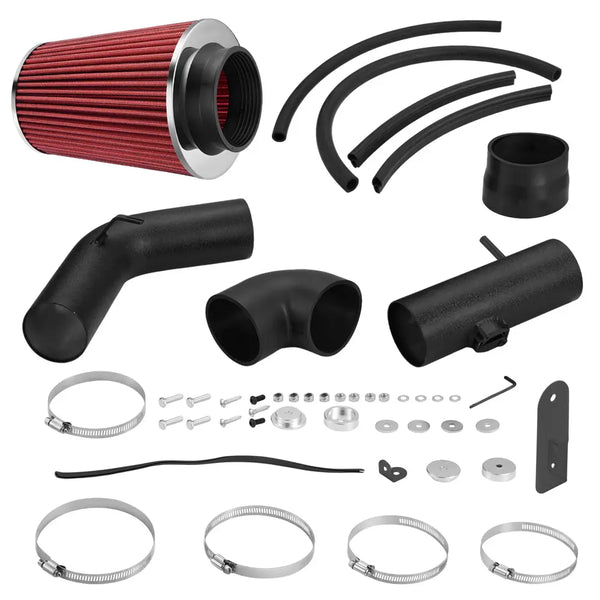
- Acopladores, abrazaderas, soportes y accesorios del respiradero incluidos.
- Posición del filtro y exposición esperada al calor o al agua.
- Sistema de admisión completo frente a componente de admisión individual.
- Calibración y requisitos de emisiones locales.
No fuerce una admisión casi correcta para que encaje estirando un acoplador, dejando un soporte sin apoyo o tirando con fuerza del arnés del MAF. El producto correcto debe seguir la ruta prevista sin entrar en contacto con componentes móviles o calientes. Compare las fotos del producto con la admisión de fábrica debajo de su capó siempre que la configuración del vehículo sea incierta.
Preguntas frecuentes sobre el kit de admisión de aire Ford
P1: ¿Qué modelos de Ford están cubiertos actualmente en esta colección?
R1: Esta colección incluye actualmente aplicaciones seleccionadas para Ford Mustang, F-150, Expedition, Excursion, F-250, F-350, F-450 y F-550. La cobertura varía según el año y el motor, por lo que la sección de ajuste del producto individual sigue siendo la referencia final.
P2: ¿Vale la pena instalar una admisión de aire frío Ford en un vehículo de serie?
R2: Puede valer la pena cuando desea más sonido de inducción, un acceso más fácil al filtro, un reemplazo para el tubo de fábrica envejecido o una base para modificaciones posteriores del flujo de aire. No espere una transformación dramática solo por la admisión en un vehículo de aspiración natural que, por lo demás, es de serie.
P3: ¿Cuántos caballos de fuerza puede agregar un kit de admisión de aire Ford?
R3: No hay un número universal honesto. En un vehículo de aspiración natural mayormente de serie, un aumento medible solo por la admisión suele ser modesto y puede permanecer en el rango de un solo dígito de caballos de fuerza en la rueda. Los vehículos turboalimentados, diésel, ajustados y muy modificados requieren pruebas específicas del vehículo.
P4: ¿Una admisión de aire frío Ford requiere un ajuste?
R4: Muchos kits básicos que conservan un diámetro de carcasa MAF casi de serie pueden funcionar con la calibración de fábrica cuando se instalan correctamente. Puede ser necesario un ajuste cuando la carcasa del MAF es sustancialmente más grande, la posición del sensor cambia o el vehículo tiene importantes modificaciones de turbo, inyector, escape o combustible.
P5: ¿Puede una admisión de aire frío causar un código P0101 o de mezcla pobre?
R5: Sí. Las causas comunes incluyen un sensor MAF al revés o mal asentado, una fuga de aire después del MAF, un diámetro de carcasa incorrecto, un acoplador suelto, una manguera de ventilación desconectada o contaminación en el elemento sensor del MAF.
P6: ¿Dos vehículos Ford con el mismo tamaño de motor pueden usar la misma admisión?
R6: No automáticamente. Los vehículos que comparten una cilindrada pueden usar diferentes diseños de chasis, ángulos del cuerpo del acelerador, posiciones de los sensores, soportes, ubicaciones de la caja de aire y conexiones del respiradero. Coincida el modelo exacto, el año y el motor que figuran en la página del producto.
P7: ¿Cuál es la diferencia entre una admisión con escudo térmico y una admisión con filtro abierto?
R7: Un escudo térmico ayuda a separar el filtro de parte del calor del compartimiento del motor y puede guiar el aire entrante desde el área del conducto de fábrica. Un filtro completamente abierto suele ser más simple y ruidoso, pero puede verse más afectado por el aire caliente debajo del capó durante el tráfico lento y los arranques en caliente.
P8: ¿Los filtros son secos o aceitados?
R8: El tipo de filtro puede variar entre productos, así que verifique la lista individual antes de limpiarlo o repararlo. Si se usa un filtro aceitado, aplique solo la cantidad especificada porque el exceso de aceite puede contaminar el sensor MAF.
P9: ¿Una admisión de aire frío Ford puede causar bloqueo hidráulico?
R9: El riesgo depende de la ubicación del filtro y de la profundidad de la exposición al agua. Un filtro montado en lo alto del compartimiento del motor generalmente está menos expuesto que uno colocado en lo bajo de un guardabarros o una cavidad del parachoques, pero ninguna admisión debe conducirse a través de agua lo suficientemente profunda como para sumergir el filtro.
P10: ¿Los kits de admisión de aire frío Ford son legales en California?
R10: No asuma que todas las admisiones son legales en la calle de California. Verifique si el producto específico tiene la exención CARB requerida u otra aprobación aplicable antes de usarlo en un vehículo controlado por la contaminación en un área regulada.
P11: ¿Se puede reinstalar la caja de aire de fábrica más tarde?
R11: Por lo general, siempre que la instalación no haya requerido cortes o modificaciones irreversibles. Mantenga la caja de aire de fábrica, el tubo, las abrazaderas, los pernos, los ojales y los accesorios del respiradero juntos para que el sistema original pueda restaurarse correctamente.
P12: ¿El codo de admisión 6.0L Power Stroke es un kit completo de admisión de aire frío?
R12: No. El codo de admisión es un componente de la ruta de admisión y no debe confundirse con un sistema completo que contenga el tubo de admisión principal, el filtro, los acopladores, las abrazaderas y cualquier escudo térmico o hardware de montaje requerido.