


 Need car parts? Shop by vehicle
(Select the exact fit for your vehicle)
Need car parts? Shop by vehicle
(Select the exact fit for your vehicle)
Ford Mustang Exhaust Header


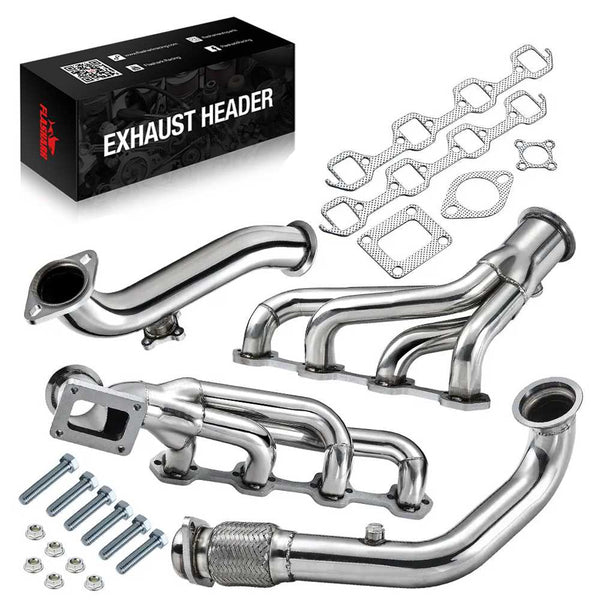
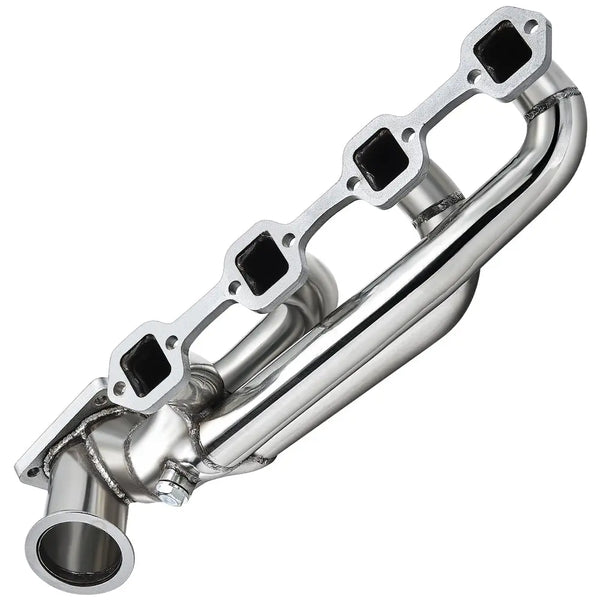
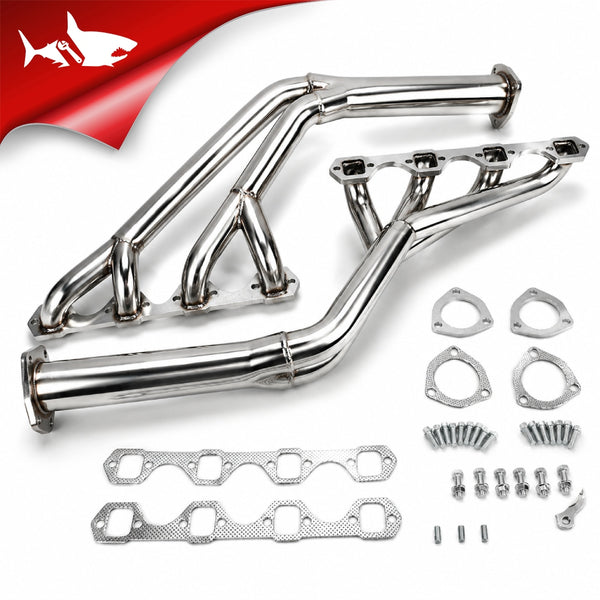
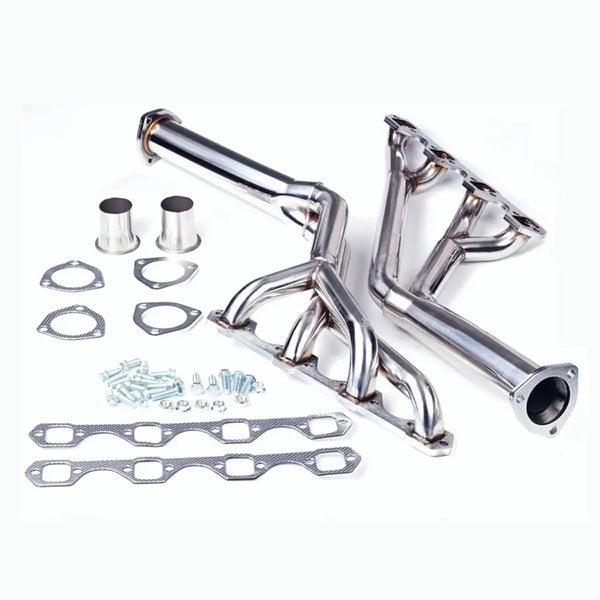


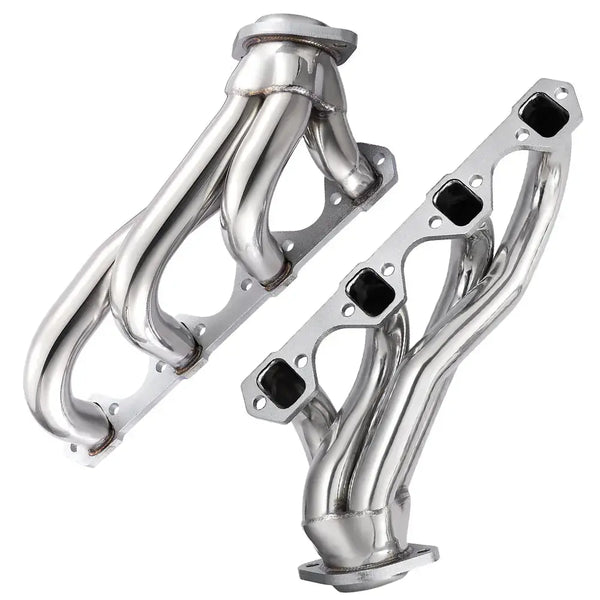
Shop Headers by Brand: Ford Exhaust Header
Shop by Model: Ford F-150 Headers | Ford F-250 Headers | Mustang Headers | Ford Bronco Headers
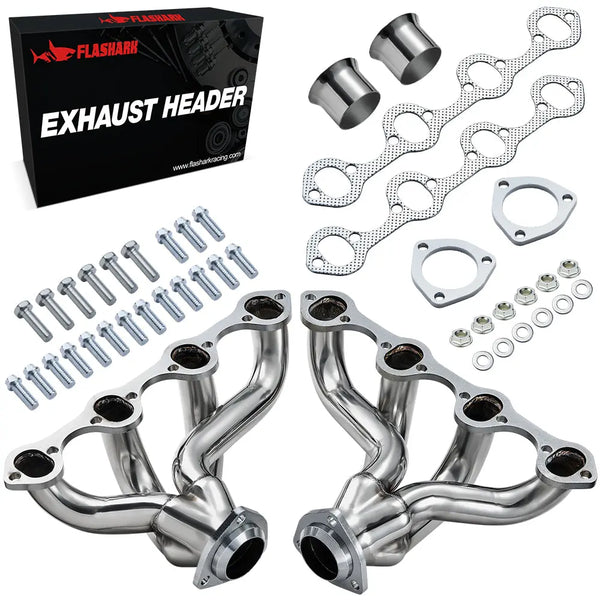
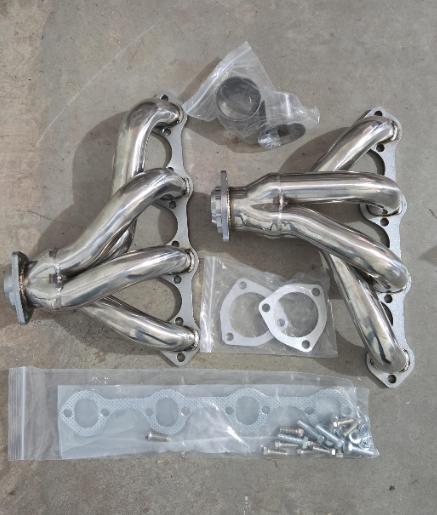
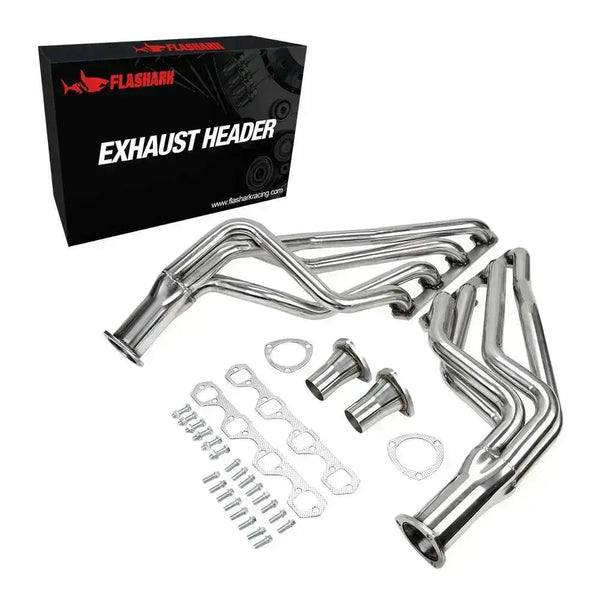
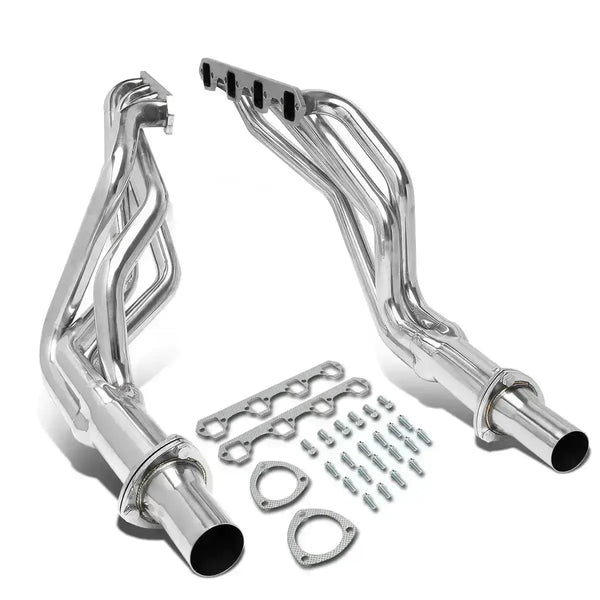
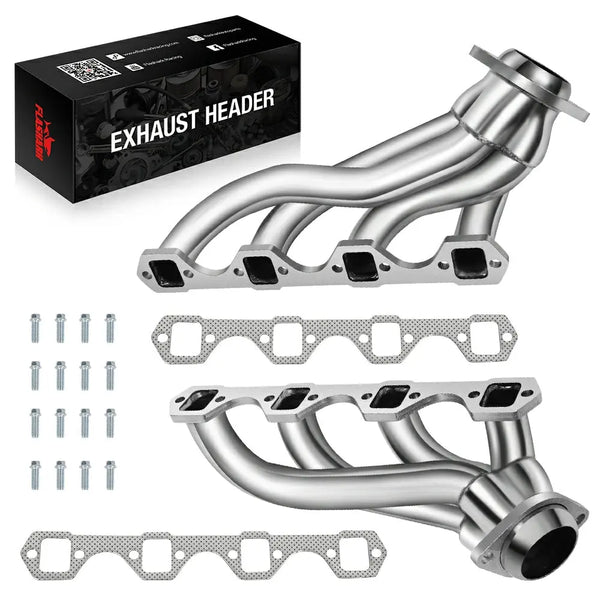
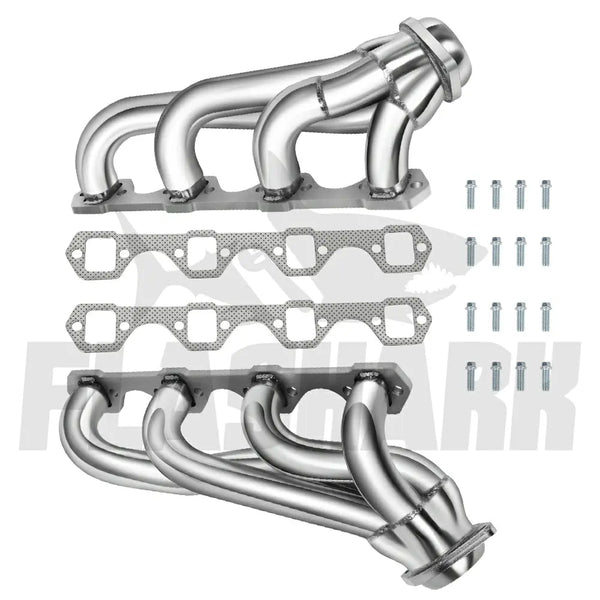
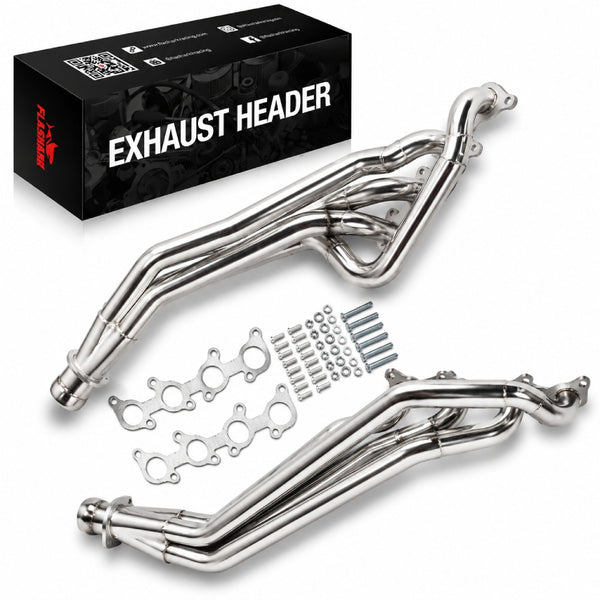
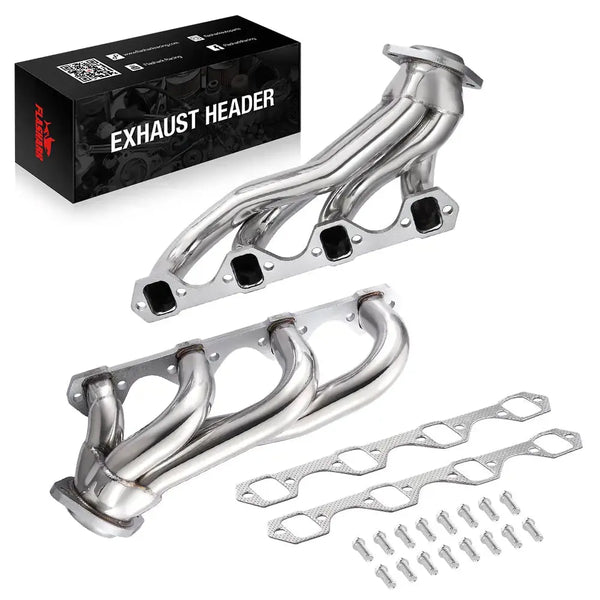
Shop Flashark Ford Mustang headers for supported classic small-block, Fox Body, SN95/New Edge, S197, and early S550 applications. This collection includes long tube, shorty, and Tri-Y designs for selected 260, 289, 302W, 351W, 5.0L pushrod, 4.6L modular, 5.0L Coyote, and 3.7L Cyclone engines. Each layout serves a different build: shorty headers generally stay closer to the factory exhaust path, while long tube designs place the collector farther downstream and may require additional exhaust planning. Use the product titles to narrow your options, then review the individual fitment details before ordering. Always confirm the exact year, trim, engine, cylinder-head configuration, transmission, steering setup, and current mid-pipe because matching model years alone do not guarantee fitment.
Recently viewed
Choosing Headers for Your Ford Mustang
Mustang header fitment changes considerably across the generations represented on this page. A classic small-block car, a Fox Body 5.0L, a New Edge 4.6L GT, and a Coyote-powered S197 may all carry the Mustang name, but they do not share the same exhaust ports, engine-bay clearances, collector locations, or mid-pipe connections.
Start with the engine and chassis rather than the model year alone. Then compare the header structure, outlet connection, existing exhaust system, and any vehicle modifications that could affect clearance. The individual product page should remain the final authority for included hardware, exclusions, dimensions, and installation requirements.
Before You Buy
- Confirm the model year, trim, engine displacement, engine family, and cylinder-head configuration.
- Check whether the vehicle still has its original engine, K-member, steering system, transmission, engine mounts, and exhaust layout.
- Compare the header collector and flange with the current or planned mid-pipe.
- Determine whether the installation changes O2 sensor or catalytic converter locations.
- Check local emissions and inspection requirements before modifying any emissions-related component.
Match the Header to the Mustang Platform
The classic Mustang products in this collection cover selected small-block Ford applications using 260, 289, 302W, or 351W engines. Several listings overlap, but their stated year ranges, collector designs, dimensions, and exclusions are not identical. Classic vehicles may also have replacement cylinder heads, altered steering, different clutch linkage, non-stock starters, changed engine mounts, or previously fabricated exhaust systems. Review the exact product fitment instead of assuming that every small-block header fits every early Mustang.
Fox Body coverage includes selected 5.0L applications, including a shorty header listing for 1986–1993 Mustang GT, LX, and Cobra models. That product also lists conditional GT40P compatibility. Another 1979–1993 product is described as a T4 racing turbo header, so its turbo interface, intended model years, and downstream connection should be confirmed before purchase.
Later coverage includes long tube headers for selected 1996–2004 Mustang GT 4.6L SOHC applications, shorty headers for the 2005–2010 Mustang GT 4.6L 3V, long tube headers for the 2011–2014 Mustang GT 5.0L Coyote, and shorty headers for 2011–2017 Mustangs equipped with the factory 3.7L Cyclone V6. Each product has its own exclusions and connection requirements.
Long Tube, Shorty, and Tri-Y Designs
| Header Layout | What Changes | Most Important Fitment Check |
|---|---|---|
| Shorty | Uses shorter primary tubes and is generally intended to stay closer to the factory manifold and mid-pipe layout. | Confirm the outlet flange, factory mid-pipe connection, EGR provisions where applicable, and clearance around the steering shaft and plug wires. |
| Long Tube | Routes longer primary tubes to a collector positioned farther downstream. | Confirm collector size and location, matching mid-pipe requirements, O2 sensor routing, catalytic converter placement, and ground clearance. |
| Tri-Y | Pairs primary tubes into secondary tubes before the final collector. | Check steering, starter, clutch linkage, crossmember, and collector clearance, especially on modified classic Mustangs. |
| T4 Racing Turbo Listing | Is presented for a turbo-oriented installation rather than a standard naturally aspirated exhaust path. | Verify the T4 flange, turbo location, supported model years, fabrication requirements, and complete exhaust routing before ordering. |
Collector and Mid-Pipe Compatibility
The collector is where the primary tubes merge and connect to the rest of the exhaust. Its diameter alone does not establish compatibility. The flange pattern, angle, position, distance from the transmission or crossmember, and the design of the mid-pipe must also match.
Some shorty products are described as connecting to a factory-style mid-pipe, while long tube products may place the collector beyond the original manifold connection. Do not assume that an existing H-pipe, X-pipe, or other mid-pipe will bolt directly to every header. Check the specifications and connection photos on the selected product page; if the required mating section is not identified, verify it with Flashark before ordering.
O2 Sensors, Catalytic Converters, and Tuning
A header change can affect O2 sensor position, wiring reach, catalytic converter placement, and exhaust flow. These issues are most important with long tube headers because the collector is located farther downstream. Depending on the product and the vehicle, the installation may need O2 sensor extensions, different wiring routing, a compatible mid-pipe, or exhaust modification.
A tune should be treated as a vehicle- and configuration-specific decision. Header structure alone does not prove that a tune is required or unnecessary. The engine calibration, sensor placement, catalytic converter arrangement, other airflow modifications, and local diagnostic requirements all matter. A check engine light can result from sensor behavior, an exhaust leak, damaged wiring, catalyst monitoring, or calibration issues, so no collection-wide CEL guarantee is appropriate.
Emissions and Clearance Warning
Changing the location or function of catalytic converters or O2 sensors may affect emissions compliance and inspection eligibility. Long tube collectors and matching mid-pipes may also reduce ground clearance on lowered vehicles. Confirm the complete exhaust layout and applicable local regulations before installation.
Classic Mustang Clearance Requires Extra Attention
Early Mustangs often have decades of repairs and modifications that are not reflected by the VIN or model year. Power steering components, manual steering conversions, Z-bar or cable clutch systems, starter designs, replacement cylinder heads, engine swaps, and altered mounts can all change the space available for the primary tubes and collector.
A 351W installation may present different clearance conditions from a 289 or 302W installation because the engine dimensions and installed position can affect header placement. Where a product lists several small-block engines, verify the exact engine, chassis, steering, and transmission combination rather than relying only on the shared exhaust-port family.
Technician’s Note
As a general installation practice, test-fit both sides before fully tightening the header bolts. Check the starter, steering shaft, plug wires, O2 wiring, brake lines, transmission area, and collector alignment while the assembly can still be repositioned. This is general installation guidance, not a verified installation record for every product or Mustang configuration on this page.
Installation Planning
Inspect the cylinder-head sealing surfaces, studs, bolts, gaskets, engine mounts, and existing exhaust before installation. Old hardware can break during removal, and worn mounts can shift the engine enough to create a clearance problem that is not caused by the header itself.
Route plug wires and sensor wiring away from hot primary tubes, then recheck the routing after the exhaust has gone through several heat cycles. For GT40P-equipped Fox Body applications, follow the product-specific requirement for the #7 spark plug boot and heat protection. Professional installation is a sensible choice when the vehicle has undocumented modifications, restricted access, a turbo conversion, or a mid-pipe that may require fabrication.
Frequently Asked Questions
Q1: Which Ford Mustang applications are covered by this collection?
A1: The collection includes selected classic small-block, Fox Body, SN95/New Edge, S197, and early S550 applications. Engines represented include selected 260, 289, 302W, 351W, 5.0L pushrod, 4.6L modular, 5.0L Coyote, and 3.7L Cyclone configurations. Coverage is product-specific, so review the individual listing before ordering.
Q2: Should I choose long tube or shorty headers for my Mustang?
A2: Choose according to the vehicle, existing exhaust, and intended installation scope. Shorty headers generally stay closer to the factory exhaust path, while long tube headers move the collector farther downstream and may require additional planning for the mid-pipe, O2 sensors, catalytic converters, and ground clearance.
Q3: Is the Mustang model year enough to confirm header fitment?
A3: No. Confirm the trim, engine family, cylinder heads, chassis, transmission, steering system, engine mounts, and current exhaust layout. Engine swaps and other modifications can make a header incompatible even when the model year appears correct.
Q4: Will these Mustang headers connect to my current mid-pipe?
A4: It depends on the selected product and your exhaust configuration. Check the collector diameter, flange pattern, location, and angle against the current H-pipe, X-pipe, or other mid-pipe. A matching connection section or exhaust modification may be needed when those details do not align.
Q5: Do these headers require O2 sensor extensions?
A5: Some installations may require extensions or revised wiring routes, especially when a long tube design moves the sensor location. Confirm the O2 bung positions and available wire length for the exact product before installation, and keep the wiring safely away from hot primary tubes.
Q6: Will Mustang headers require a tune or cause a check engine light?
A6: That cannot be answered for the entire collection. Tune and CEL risk depend on the header design, O2 sensor placement, catalytic converter arrangement, exhaust leaks, wiring condition, engine calibration, and other modifications. Verify the requirements for the selected product and vehicle configuration.
Q7: Are these Mustang headers street legal?
A7: Street legality depends on the exact product, how it affects emissions equipment, the vehicle’s intended use, and local regulations. A part should not be assumed legal simply because catalytic converters remain in the system. Check the applicable rules before changing converter or O2 sensor locations.
Q8: Can I install long tube headers on a lowered Mustang?
A8: Possibly, but collector and mid-pipe clearance must be checked. Long tube systems can place components lower than the factory exhaust path, and available clearance also depends on ride height, suspension setup, engine mounts, wheelbase geometry, and the condition of the existing exhaust hangers.
Q9: What should I check on a modified classic Mustang?
A9: Check the actual engine and cylinder heads, steering system, starter, clutch linkage, transmission, crossmember, engine mounts, shock-tower clearance, and existing exhaust. Older vehicles frequently differ from their original configuration, so VIN and model year information may not describe the current installation.
Q10: What is required for the listed Fox Body headers with GT40P heads?
A10: The 1986–1993 Mustang shorty header listing specifies a 90-degree spark plug boot on the #7 cylinder and a heat sleeve on the corresponding plug wire when used with GT40P heads. Follow the current product instructions and confirm plug-wire clearance during test fitting.
Q11: Is professional installation recommended?
A11: Professional installation is recommended when access is limited, the car has undocumented modifications, the collector does not match the existing mid-pipe, or the installation changes O2 sensor or catalytic converter locations. Experienced owners should still test-fit the complete system before final tightening.


