
Search By Year,Make and Model


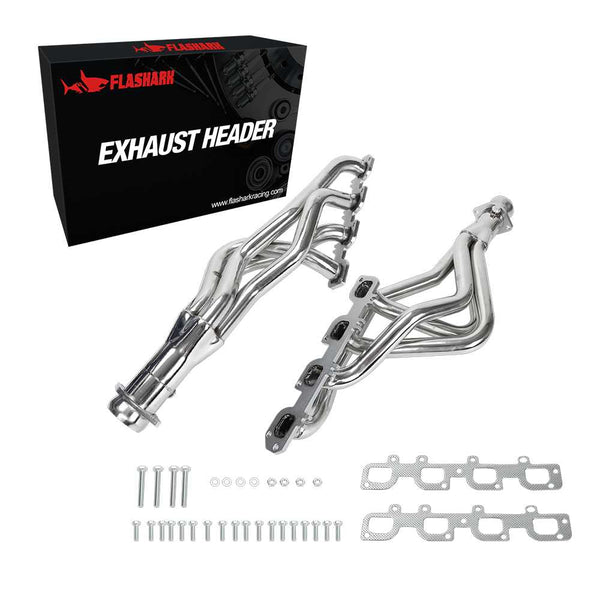
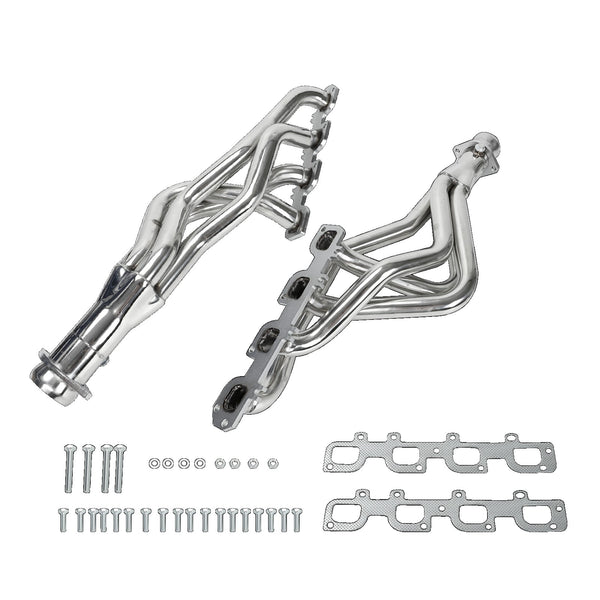


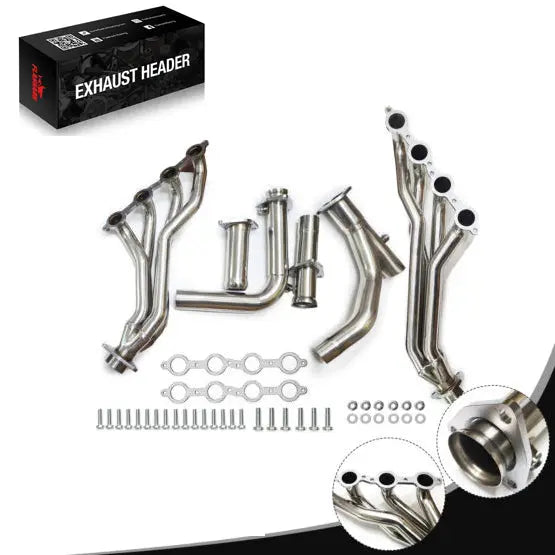
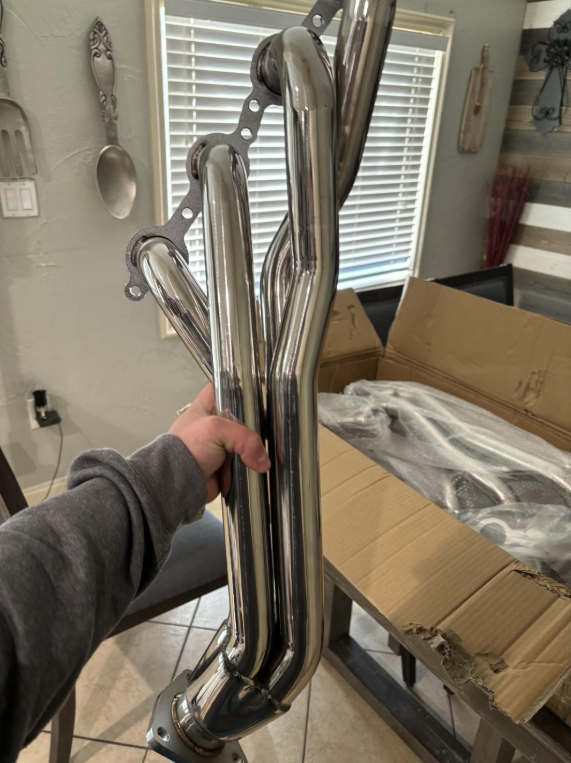


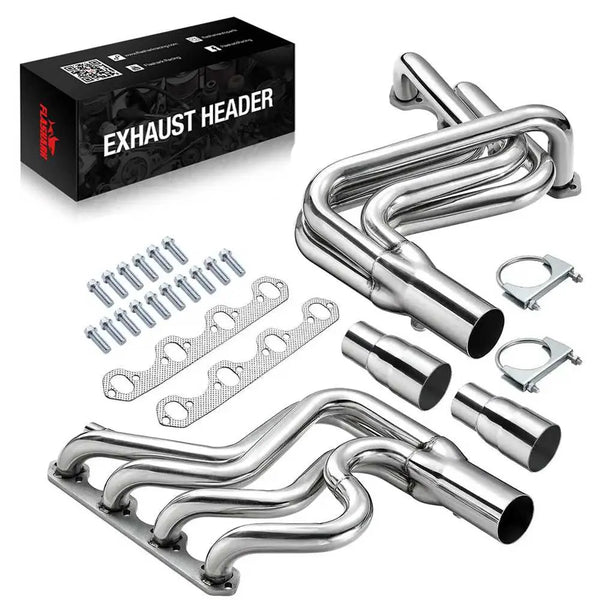
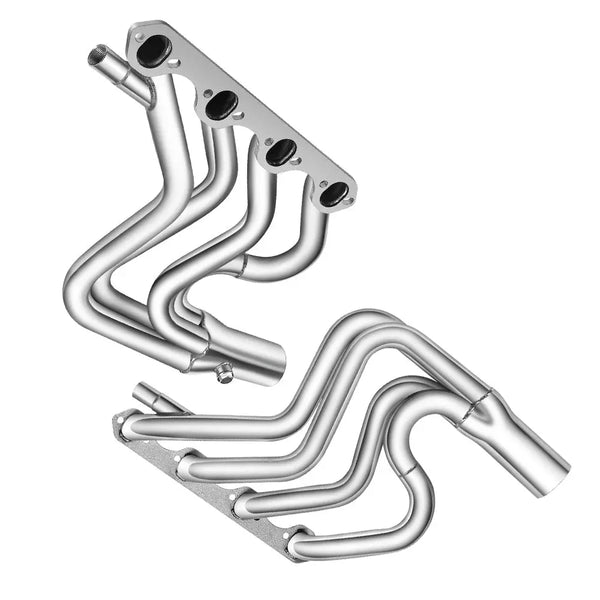
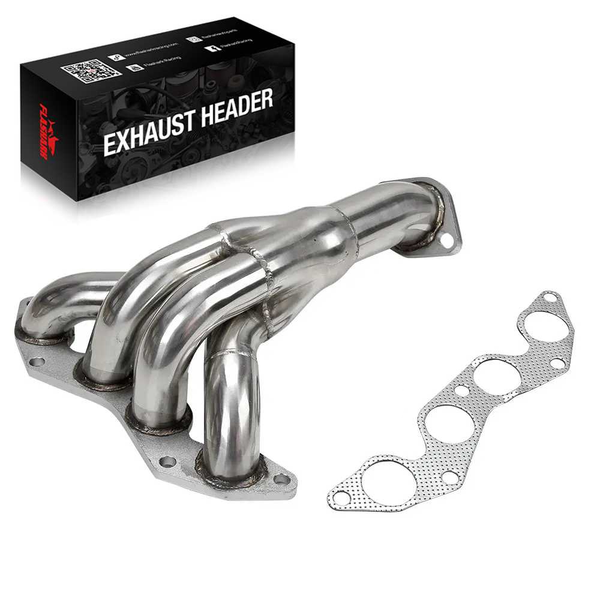
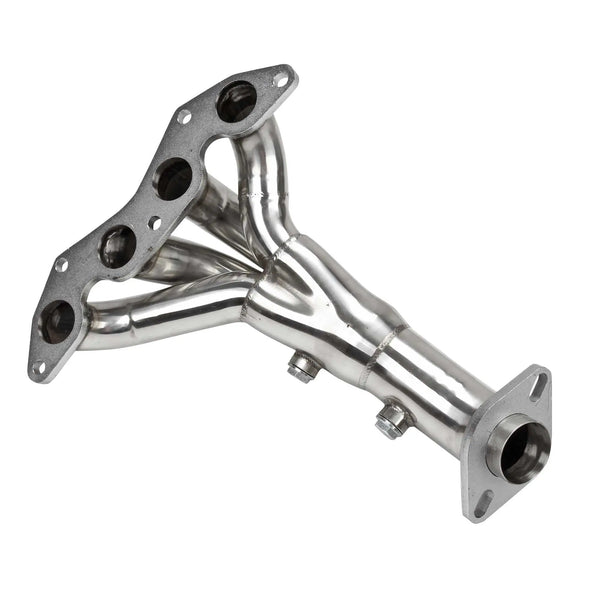
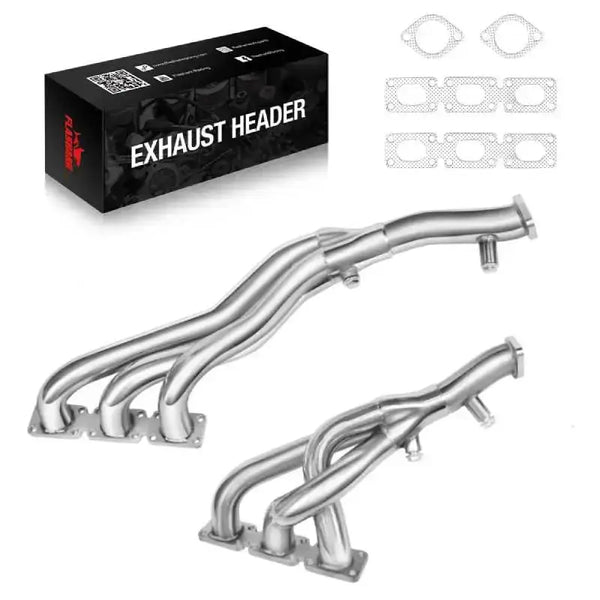
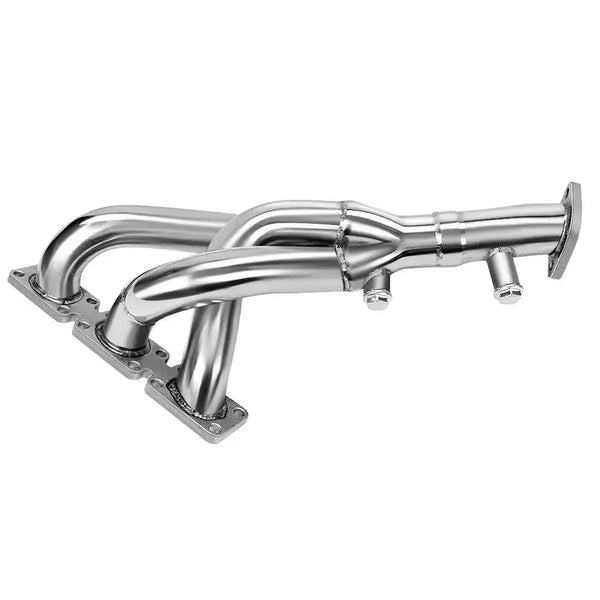
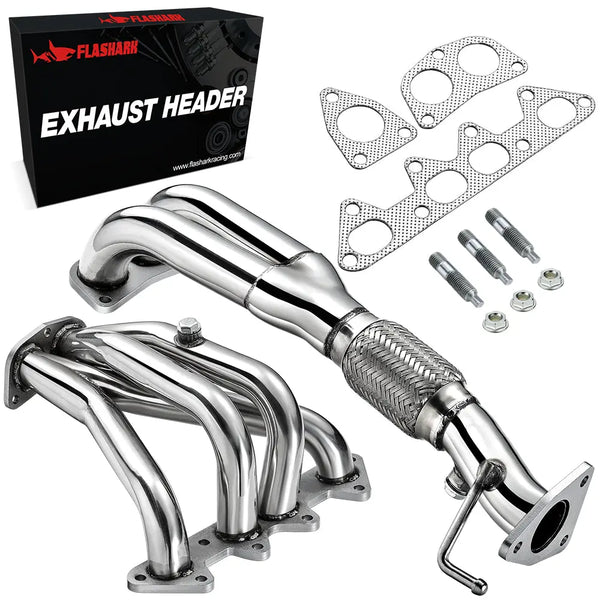
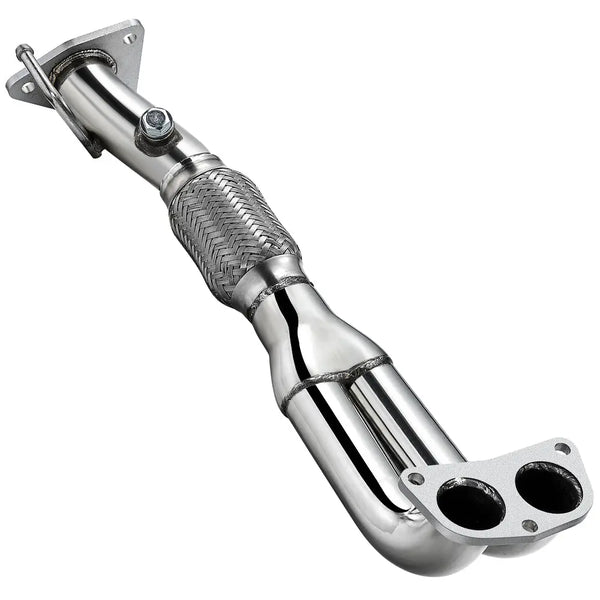
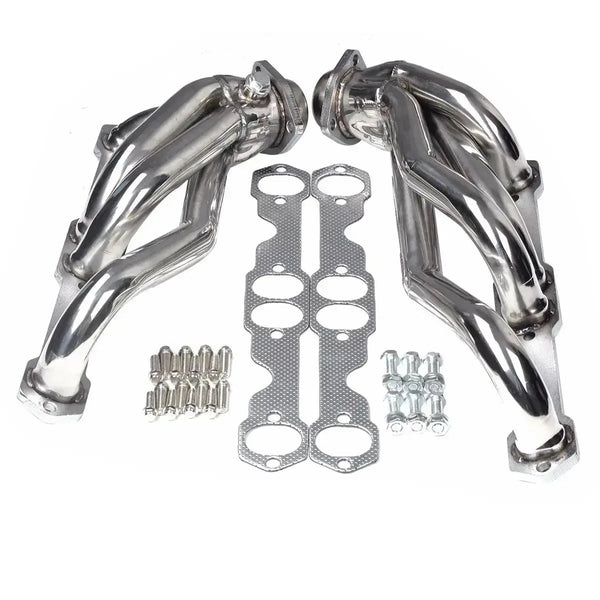
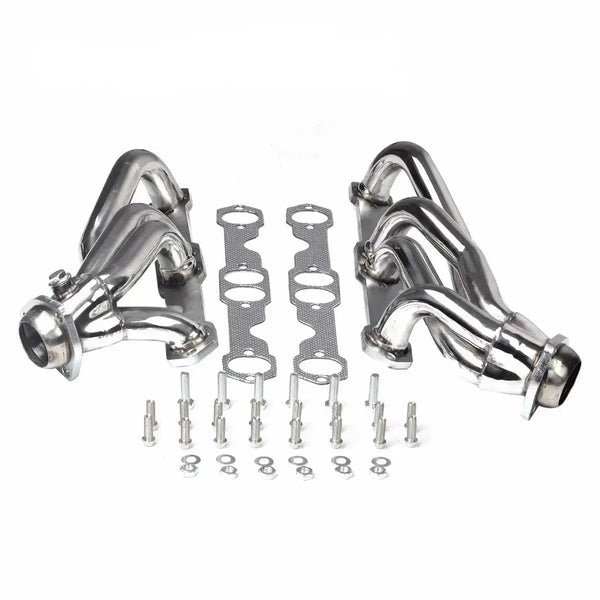
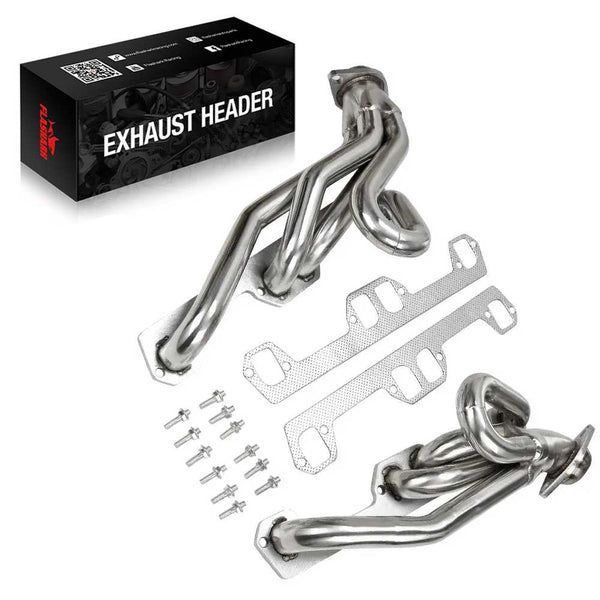
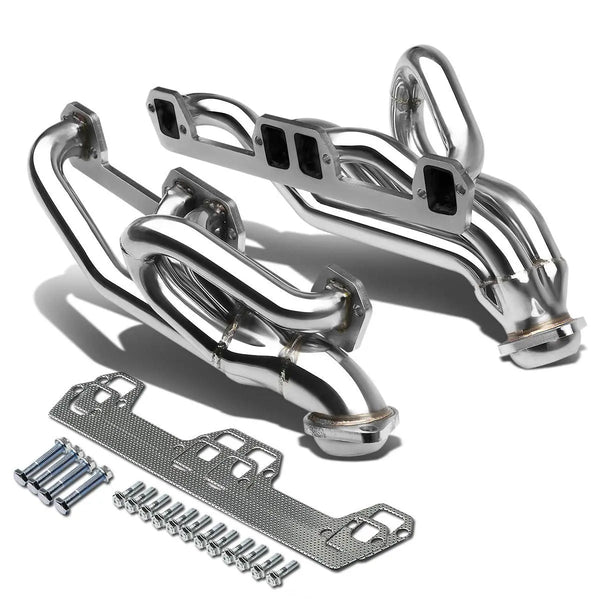
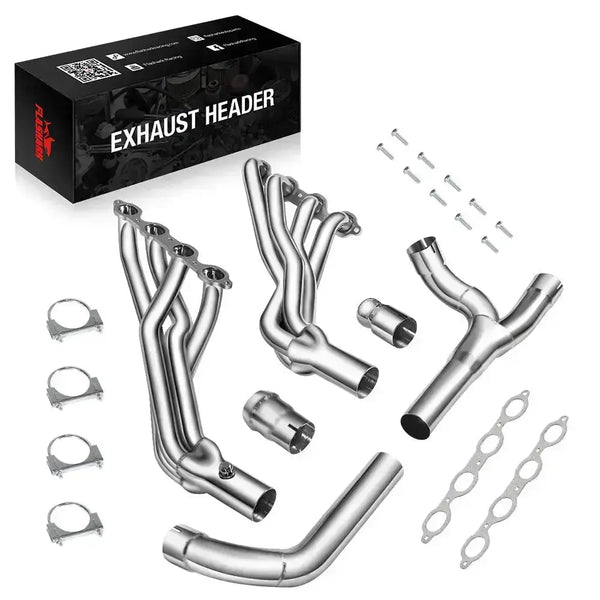
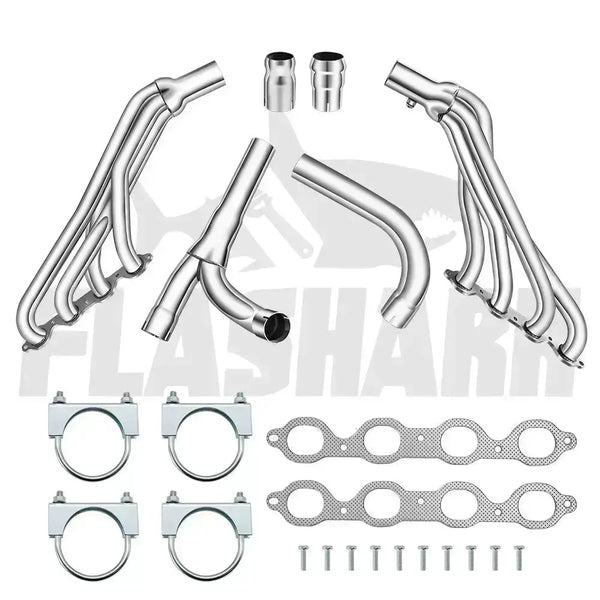
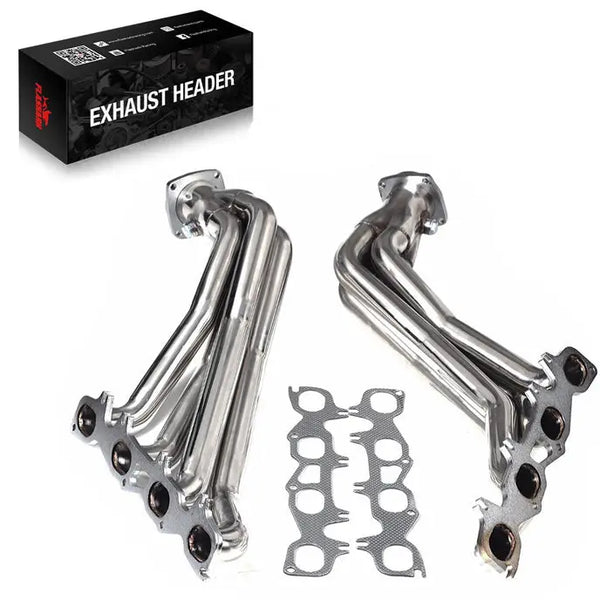
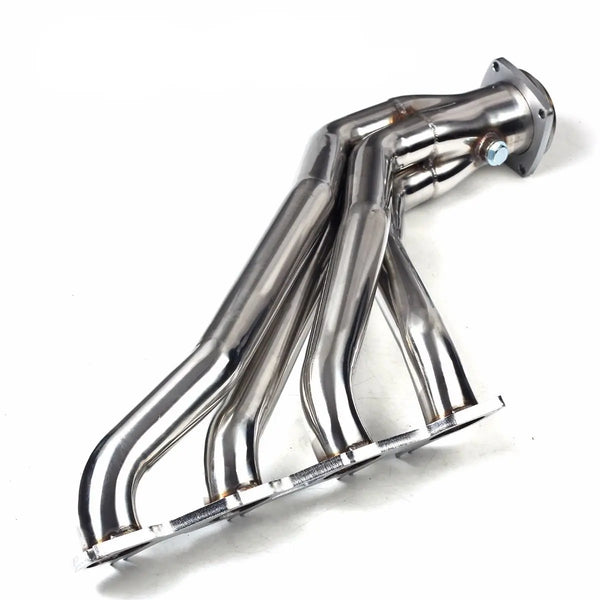
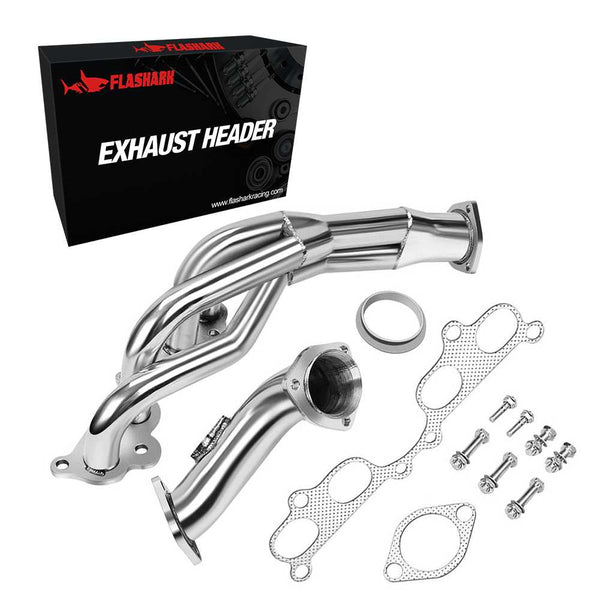
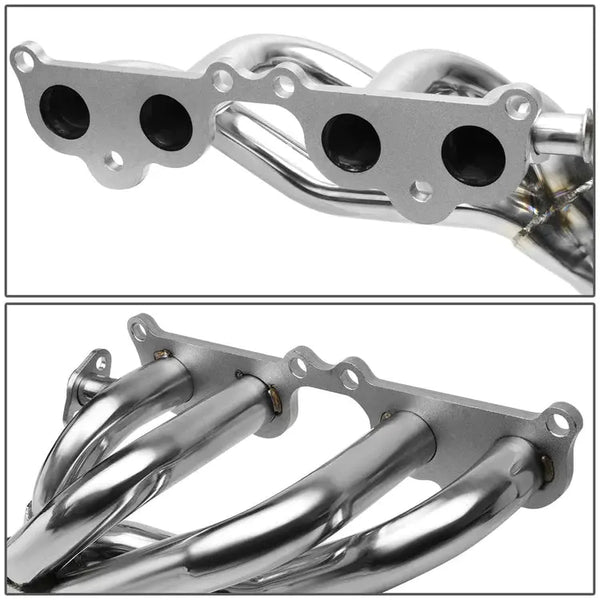
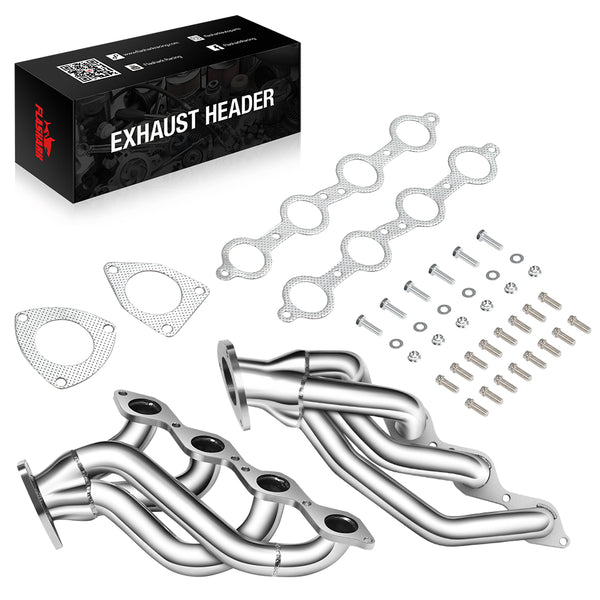
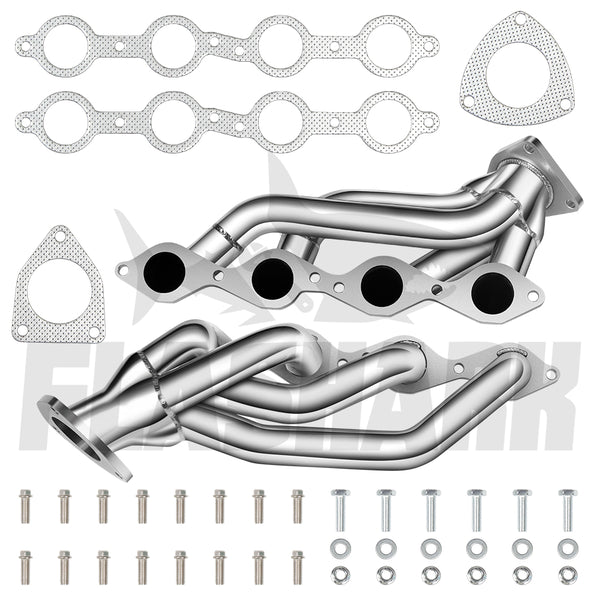
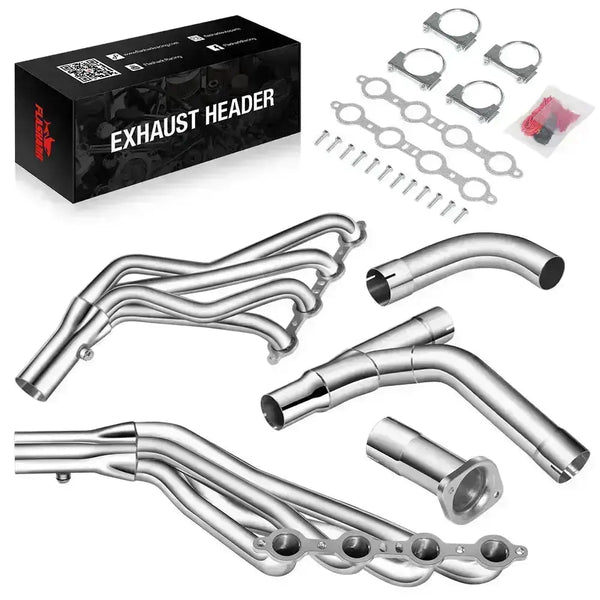
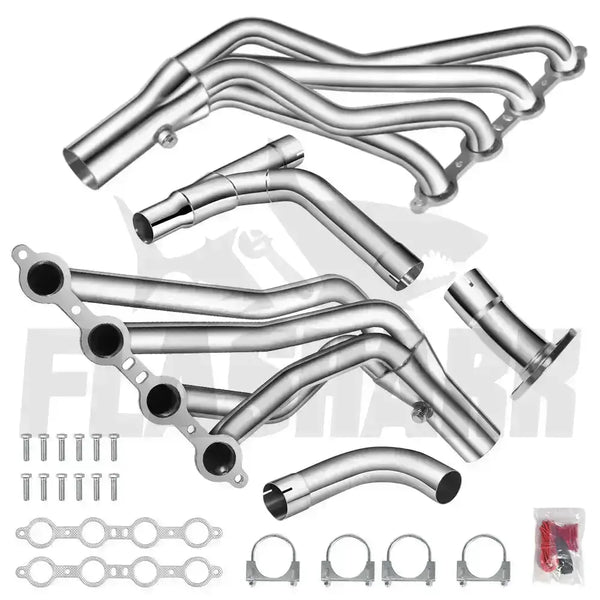
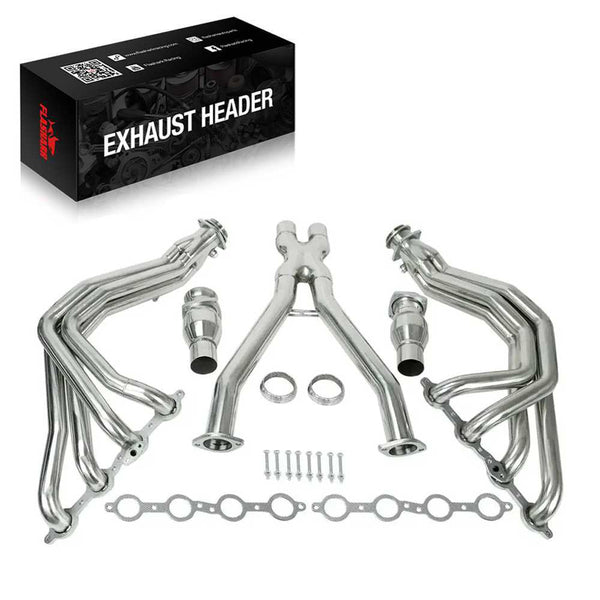
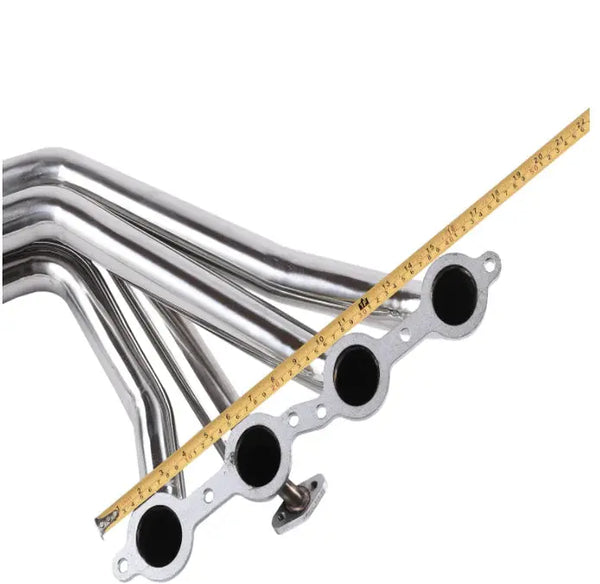
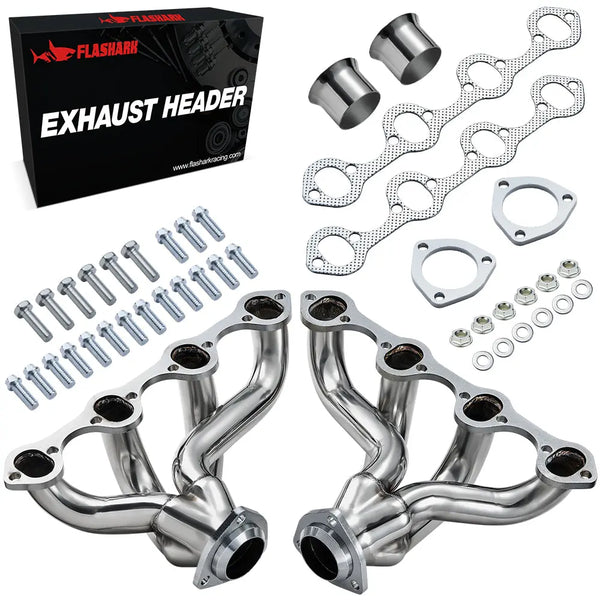
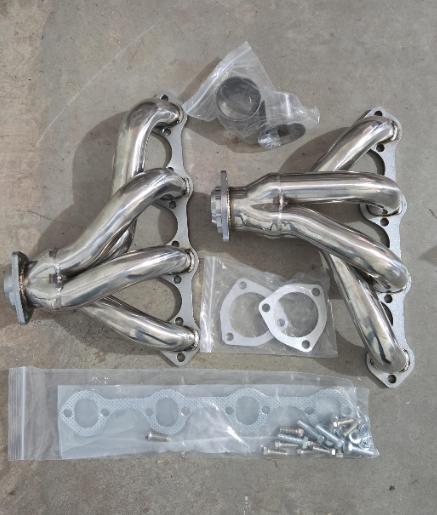
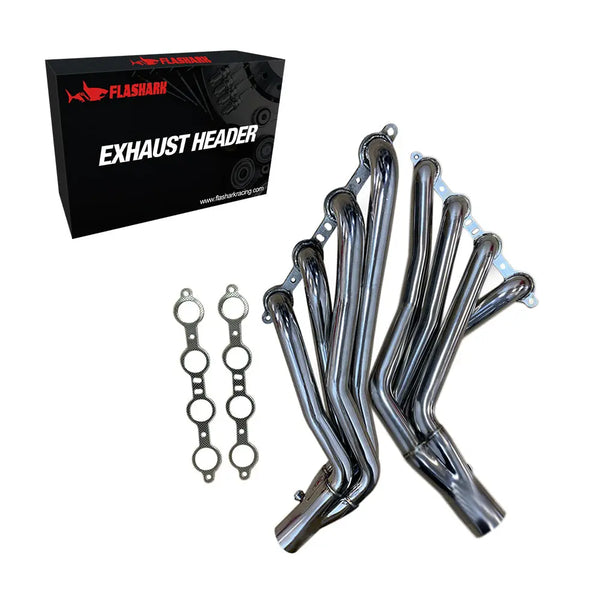
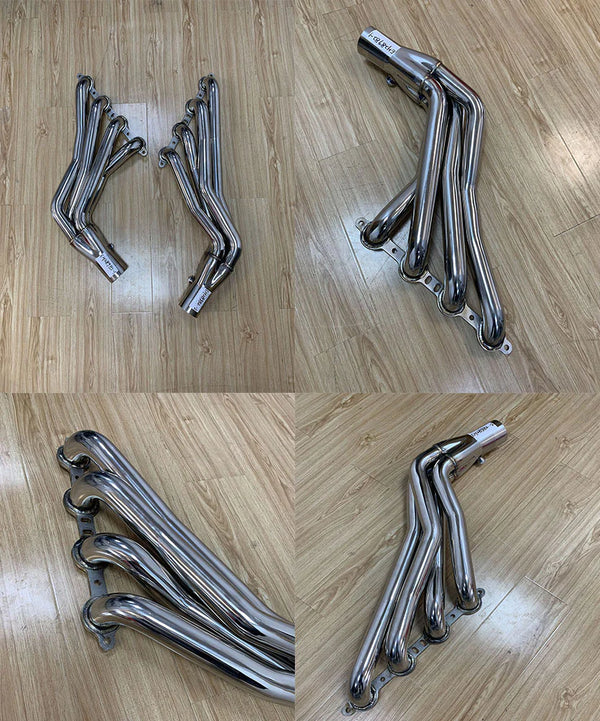
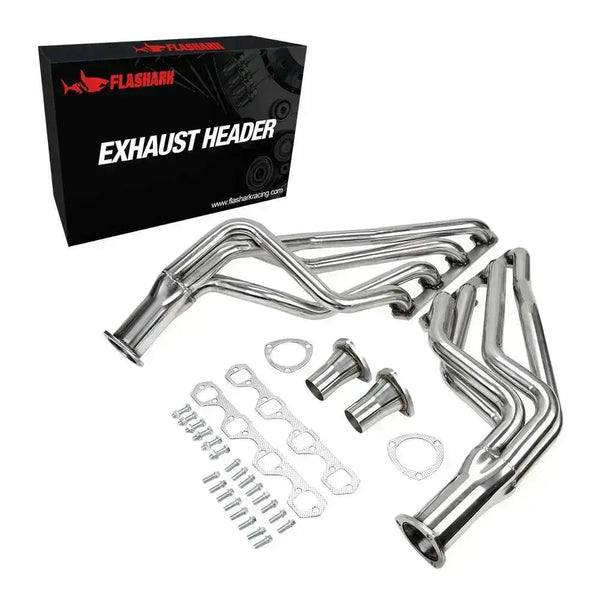
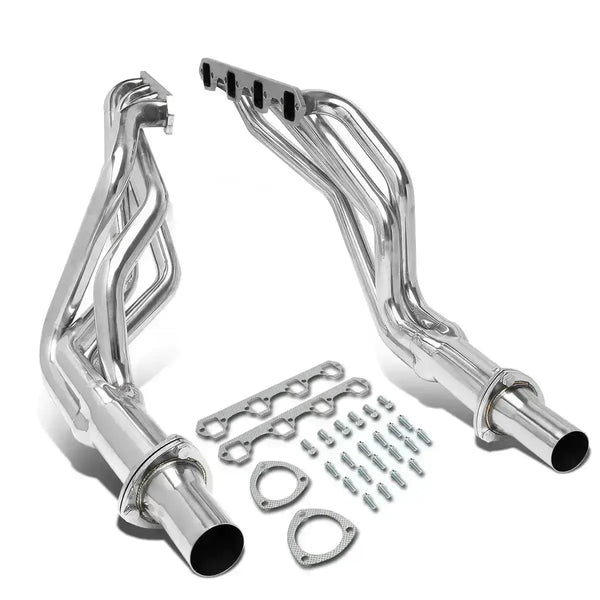
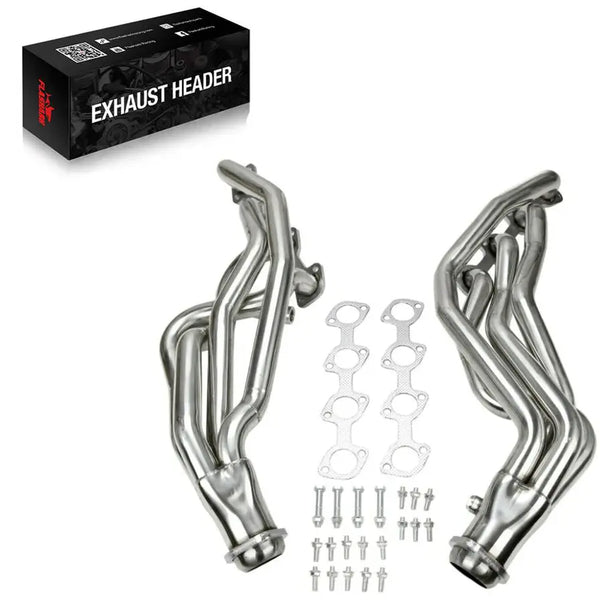
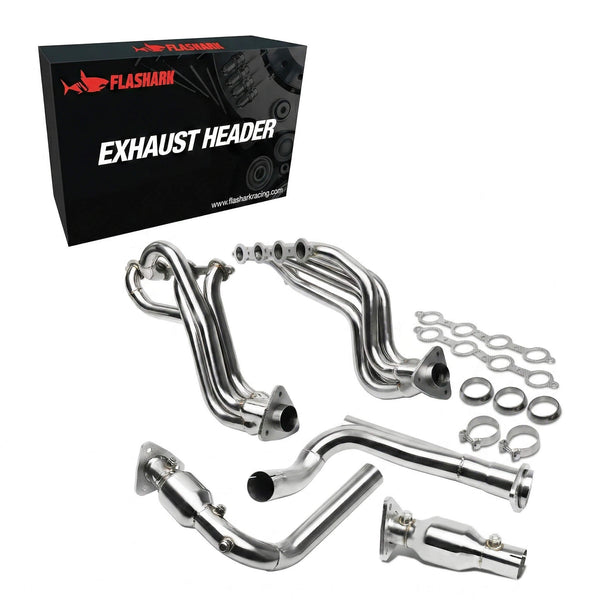
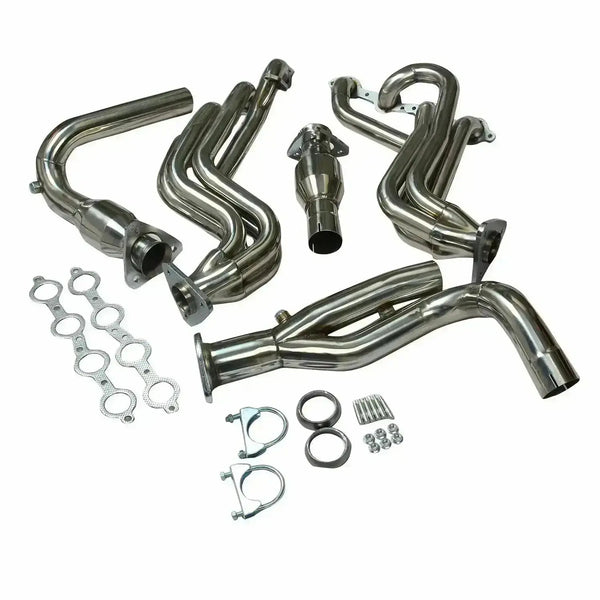
Flashark Exhaust Headers: Boost Your Performance and Driving Experience
Let’s be real—factory cast-iron exhaust manifolds are the ultimate bottleneck for your engine. Not only do they choke your horsepower, but if you drive a heavy-duty truck like a Ford F-150, Dodge Ram, or Chevy Silverado, you probably already know their fatal flaw: they warp and crack under repeated heat cycles. That annoying exhaust tick on cold starts? That's your stock manifold failing.
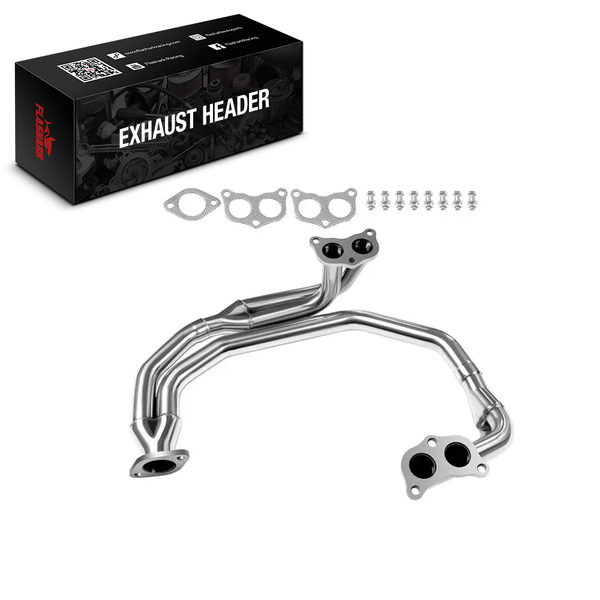
Upgrading to a set of Flashark automotive headers isn't just about unlocking hidden horsepower and aggressive sound—it's a permanent, bulletproof fix to a notorious factory headache. Whether you need a direct-replacement Shorty header to restore low-end towing torque, or a massive Long Tube setup to let your V8 scream on the track, we’ve got your build covered.
Long Tube Headers vs. Shorty Headers
Choosing between Long Tube and Shorty Headers depends entirely on your driving style, where you want your power band, and your performance goals.
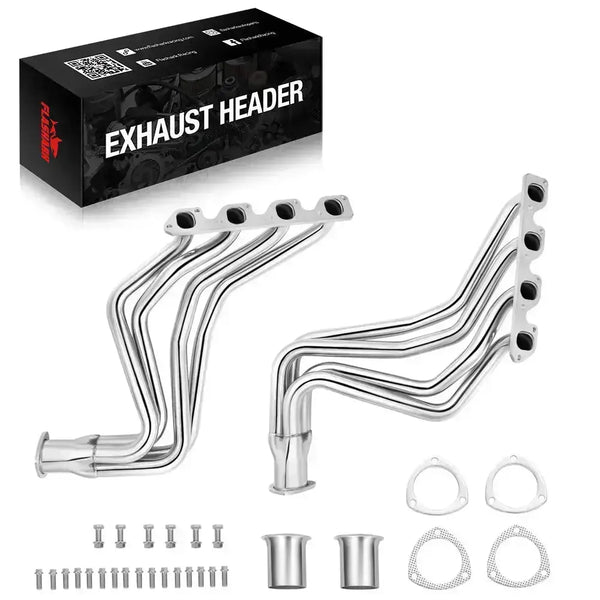
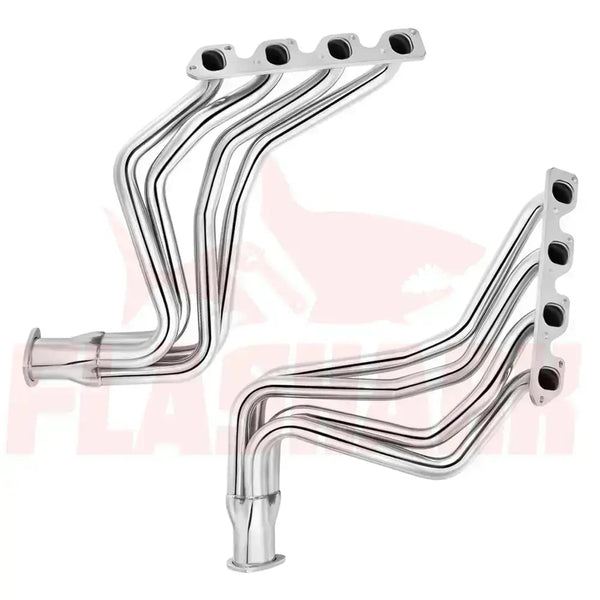
Long Tube Headers
- Maximum Exhaust Scavenging: Extended primary tubes optimize exhaust pulse timing, drawing out maximum high-RPM horsepower. Expect a substantial 15 to 30+ HP and torque increase, depending on your engine displacement and tune.
- Aggressive Sizing: Available in larger primary tube diameters (like 1-3/4" or 1-7/8") tailored for heavy-breathing LS, Coyote, or Hemi builds.
- High-Flow Collectors: Engineered merge collectors smooth out exhaust turbulence, reducing backpressure for a raw, aggressive exhaust note.
- Best Application: Ideal for track days, forced induction builds, and aggressive street setups.
Shorty & Tri-Y Headers
- The Permanent Fix: The ultimate direct bolt-on replacement for cracked, leaky cast-iron factory manifolds.
- Optimized for Torque: Tighter primary tubes (often 1-5/8" or 1-3/4") keep exhaust gas velocity high. You will typically see a solid 5 to 12 HP bump, drastically improving low-end torque and throttle response.
- Hassle-Free Fitment: Compact design means you usually won't need to relocate your catalytic converters or modify your mid-pipe.
- Best Application: Perfect for daily drivers, towing rigs, and overlanding applications.
Quick Comparison: Key Differences at a Glance
When installing Long Tube Headers, the primary O2 sensors are moved further downstream. While Flashark headers are designed for precise fitment, we recommend checking if your vehicle requires O2 sensor extensions or a performance tune to prevent Check Engine Lights (CEL) and maximize horsepower gains.
For a more detailed comparison, check out our full article: Shorty vs Long Tube Headers: Which is Right for Your Performance Needs?
How to Choose the Right Header
Choosing the right header is crucial to achieving your desired performance and driving experience. Here’s a simple guide:
Header Style
- Long Tube: Maximum horsepower gains at higher RPMs; best for performance-focused drivers.
- Shorty / Tri-Y: Improved low-end torque and drivability; ideal for daily driving or towing.
- Mid-Length / Hybrid: A balanced approach between power and usability.
Material Selection: Why We Build with Stainless Steel
In the aftermarket exhaust industry, headers are manufactured from a variety of materials. At Flashark, we focus exclusively on stainless steel. Here is an objective breakdown of the common materials used in the market and why stainless is our material of choice for your build:
- T304 Stainless Steel (Premium Corrosion Resistance): The highest standard for aftermarket exhausts. It handles extreme exhaust gas temperatures (EGTs) without compromising structural integrity and offers phenomenal rust resistance, making it ideal for harsh climates or show-quality builds.
- T409 & T201 Stainless Steel (Durability & Value): T409 is incredibly durable under heat but will develop a layer of surface oxidation over time (it rarely rusts through). T201 offers a budget-friendly way to get the exact same high-flow performance and sound, with slightly less long-term corrosion resistance than 304.
- Cast Iron (The Factory Standard): Most trucks come from the factory with heavy cast-iron manifolds. While cost-effective to mass-produce and decent at retaining heat, cast iron is highly susceptible to cracking and warping under repeated thermal cycles—a common failure point for many modern V8 trucks.
- Chrome-Plated Steel: Chrome headers offer a brilliant, mirror-like finish out of the box and are often very budget-friendly. However, it is an industry fact that chrome plating will "blue" or discolor when exposed to high exhaust temperatures. Additionally, because the base metal is usually mild steel, they can rust quickly if the chrome plating is scratched or chipped.
- Ceramic Coated (Maximum Thermal Management): Ceramic is a high-temperature coating applied over mild or stainless steel. It is arguably the best option for trapping heat inside the tubes, drastically lowering under-hood temperatures. While we do not apply ceramic coatings to keep our headers affordable, many enthusiasts purchase our bare stainless headers and have them professionally coated locally for maximum performance.
Fitment & Compatibility
Always ensure the header matches your vehicle’s year, make, model, and engine. Flashark provides exact fitment for each platform, minimizing installation hassle.
Emissions Compliance: Navigating the Legalities
- EPA & CARB Compliance: For a header to be 50-state street legal in the US, it generally must not alter the location or function of the factory catalytic converters and must possess a California Air Resources Board (CARB) Executive Order (EO) number.
- Shorty Headers (Street Friendly): Because they bolt directly to the factory mid-pipe, shorties usually keep OEM cats intact, making them far more likely to pass visual smog inspections and OBDII tests.
- Long Tube Headers (Track/Off-Road Only): Long tubes require deleting or relocating factory cats. Because they tamper with emissions equipment, they are almost universally designated for "Off-Road or Track Use Only" and will fail strict emissions testing. Always verify your local laws.
Why Choose Flashark Exhaust Headers?
Flashark headers are engineered to deliver the perfect balance of performance, sound, durability, and value. Here’s why drivers choose Flashark:
- Instant Horsepower & Torque Gains: Most shorty installations provide 5–12+ HP, while long tubes can push 15-30+ HP, giving your engine more power when you need it.
- Premium Materials & Durability: Constructed from high-quality stainless steel, Flashark headers resist corrosion, handle extreme heat, and maintain long-term structural integrity.
- Performance-Driven Engineering: We don't just bend pipes; we engineer flow. From precise primary tube diameters to high-velocity merge collectors, our mandrel-bent tubing eliminates choking backpressure.
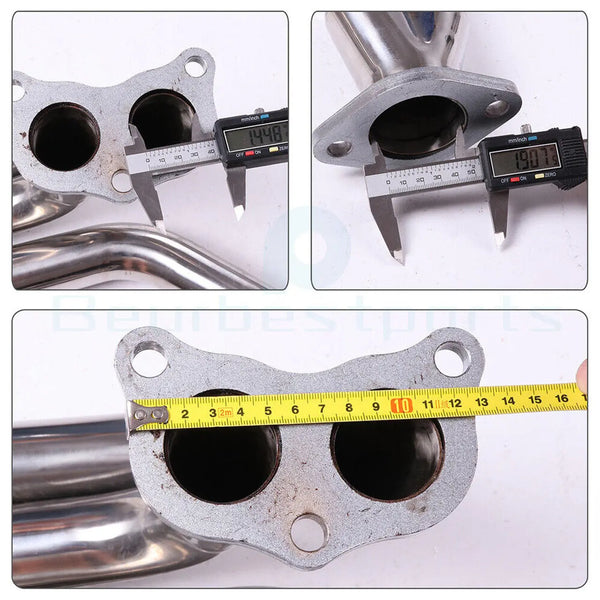
- Professional TIG Welding & Thick CNC Flanges: Flimsy flanges warp. Flashark headers feature extra-thick, precision CNC-machined mounting flanges and meticulous TIG welds to guarantee a leak-free seal.
- Direct Bolt-On Installation: For our shorty setups, no cutting or welding is required—just bolt it on.
- Improved Exhaust Tone: Expect a deeper, more aggressive exhaust sound that enhances your vehicle’s character.
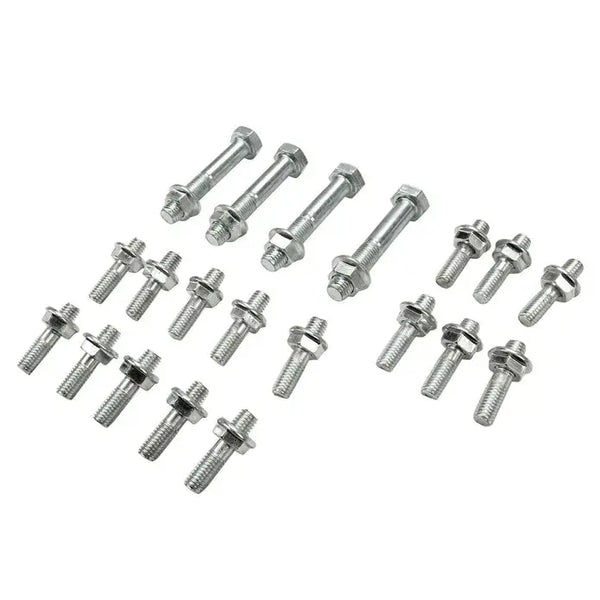
- Complete Installation Kits Included: Every header comes with necessary hardware, gaskets, and bolts.
- Affordable Performance: Get premium performance at a more accessible price.
Exhaust Headers by Vehicle Brand
- Chevy / GMC Exhaust Headers
- Ford Exhaust Headers
- Dodge Exhaust Headers
- Jeep Exhaust Headers
- BMW Exhaust Headers
- Nissan Exhaust Headers
- Toyota Exhaust Headers
- Honda Exhaust Headers
- Other Vehicle Platforms
Application Scenarios: Choose the Perfect Header for Your Driving Style
- Daily Driving → Shorty Header: Reliable power, easy installation, and quieter exhaust tone.
- Racing / Track → Long Tube Header: Maximum horsepower at high RPMs for aggressive builds.
- Towing / Heavy-Duty → Shorty / Tri-Y Header: Improved low-end torque and heat reduction for demanding conditions.
FAQ – Frequently Asked Questions
Q1: What are the main benefits of upgrading to Flashark Exhaust Headers?
A1: The primary benefit is reducing engine backpressure. Factory cast-iron manifolds are highly restrictive. Upgrading to Flashark’s mandrel-bent automotive headers allows your engine to breathe, unlocking trapped horsepower, increasing torque, and delivering a much sharper throttle response.
Q2: How much horsepower will I actually gain with Long Tube vs. Shorty setups?
A2: It depends entirely on the style. Long tube headers typically offer the biggest gains (often 15–30+ HP) because they maximize exhaust scavenging at mid-to-high RPMs. Shorty headers usually provide a more modest peak gain (around 5–12 HP) but significantly improve low-end torque for daily driving and towing.
Q3: Do I need to modify my exhaust to install aftermarket exhaust headers?
A3: Shorty headers are almost always a direct bolt-on replacement for your factory manifolds and connect seamlessly to your stock mid-pipe. Long tube headers, because of their length, will require modifying or replacing your mid-pipe (often requiring a Y-pipe or X-pipe) and extending your O2 sensors.
Q4: Are performance headers street-legal?
A4: Shorties generally retain your factory catalytic converters in their original locations, making them much easier to pass emissions (like EPA or CARB standards) in most areas. Long tube headers usually require moving or deleting the factory cats, meaning they are often designated for track or off-road use only. Always check your local emissions regulations.
Q5: Which setup sounds better: Shorty or Long Tube?
A5: Sound is subjective, but there is a clear difference. Shorties will give your vehicle a deeper, more refined rumble without being overwhelmingly loud in the cabin. Long tubes deliver a raw, aggressive, and significantly louder V8 growl that is unmistakable.
Q6: Do I need an ECU tune after installing new headers?
A6: If you install shorties, your vehicle's factory computer can usually adapt to the improved airflow without triggering a Check Engine Light (CEL). If you install long tube headers, a performance tune is highly recommended—and often required—to adjust the air/fuel ratio, map out relocated O2 sensors, and harness the unlocked horsepower.
Q7: Can upgrading to a Shorty header fix my cracked factory manifold?
A7: Yes, absolutely. Factory cast-iron manifolds are notorious for cracking under repeated heat cycles, causing annoying exhaust ticks and leaks. Replacing them with Flashark stainless headers provides a permanent, durable fix.
Q8: What materials are Flashark Exhaust Headers made from?
A8: We build these headers to withstand extreme heat. We offer T304 stainless steel for premium corrosion resistance, T409 for excellent durability, and T201 for budget-friendly performance. In the wider market, you'll also see Ceramic Coated options for max heat reduction, and older Chrome-plated or restrictive Cast Iron setups.
Q9: Will installing aftermarket automotive headers void my car's warranty?
A9: Dealership policies vary. Because shorty headers are direct replacements that keep emissions equipment intact, they rarely cause warranty issues. Long tubes, which alter the factory emissions setup, are more likely to face scrutiny. We recommend reviewing your warranty terms.
Q10: Are Flashark Exhaust Headers compatible with my specific truck or car?
A10: We design platform-specific headers for a perfect fit, covering popular setups for Chevy/GMC, Ford, Dodge, Jeep, BMW, Nissan, Toyota, and Honda. Always check the exact year, make, model, and engine size on our product pages.
Q11: Will installing stainless steel exhaust headers increase under-hood temperatures?
A11: Stainless steel retains heat differently than thick cast iron. While high-flow headers push exhaust gases out faster, the tubes themselves can radiate heat. For maximum thermal management, many enthusiasts use titanium exhaust wrap or opt for a Ceramic Coating on high-performance builds.
Q12: Do I need to buy new gaskets when installing my Flashark exhaust headers?
A12: No need to hunt for extra parts. All our kits come with high-quality gaskets and the necessary hardware to ensure a leak-free, bolt-on installation right out of the box.
Q13: Can upgrading to high-flow headers improve my fuel efficiency?
A13: Yes, in theory. By reducing backpressure, your engine doesn't have to work as hard to push exhaust gases out, which can slightly improve your MPG during highway cruising. However, most drivers enjoy the new throttle response so much that their driving habits change, negating any fuel savings!
Q14: Does my transmission type affect which headers I can install?
A14: Sometimes, yes. Because long tube headers take up much more space down the side of the transmission bellhousing, fitment can occasionally differ between automatic and manual transmissions, or 2WD vs. 4WD models. We specifically note compatibility on our product pages.
Q15: Is there a break-in period after installing new headers?
A15: Yes. After bolting up the new system, it is completely normal to see a small amount of smoke or smell a burning odor during the first few heat cycles. This is simply the manufacturing oils and residues burning off the metal. It will clear up after a few days of normal driving.


